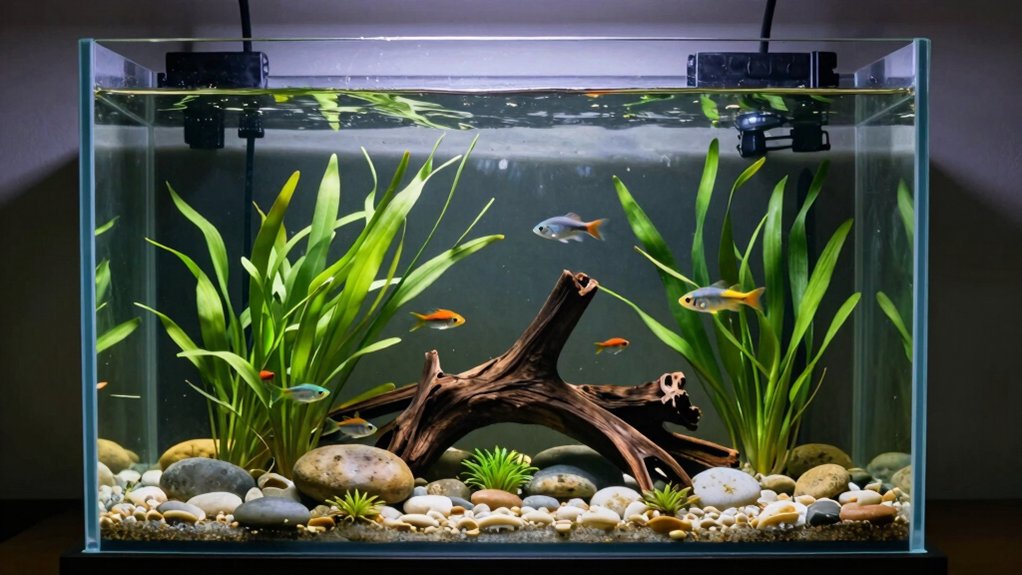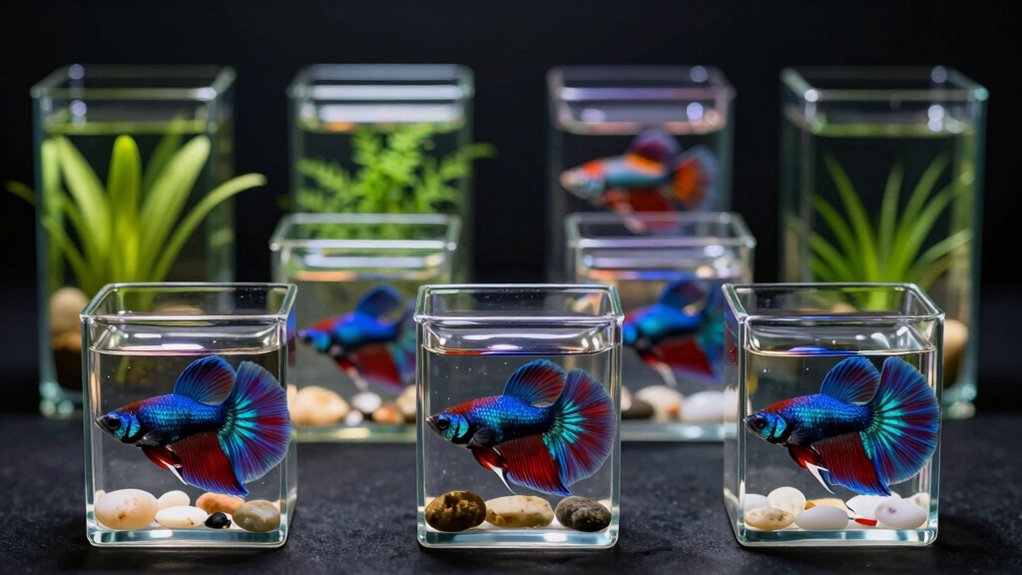

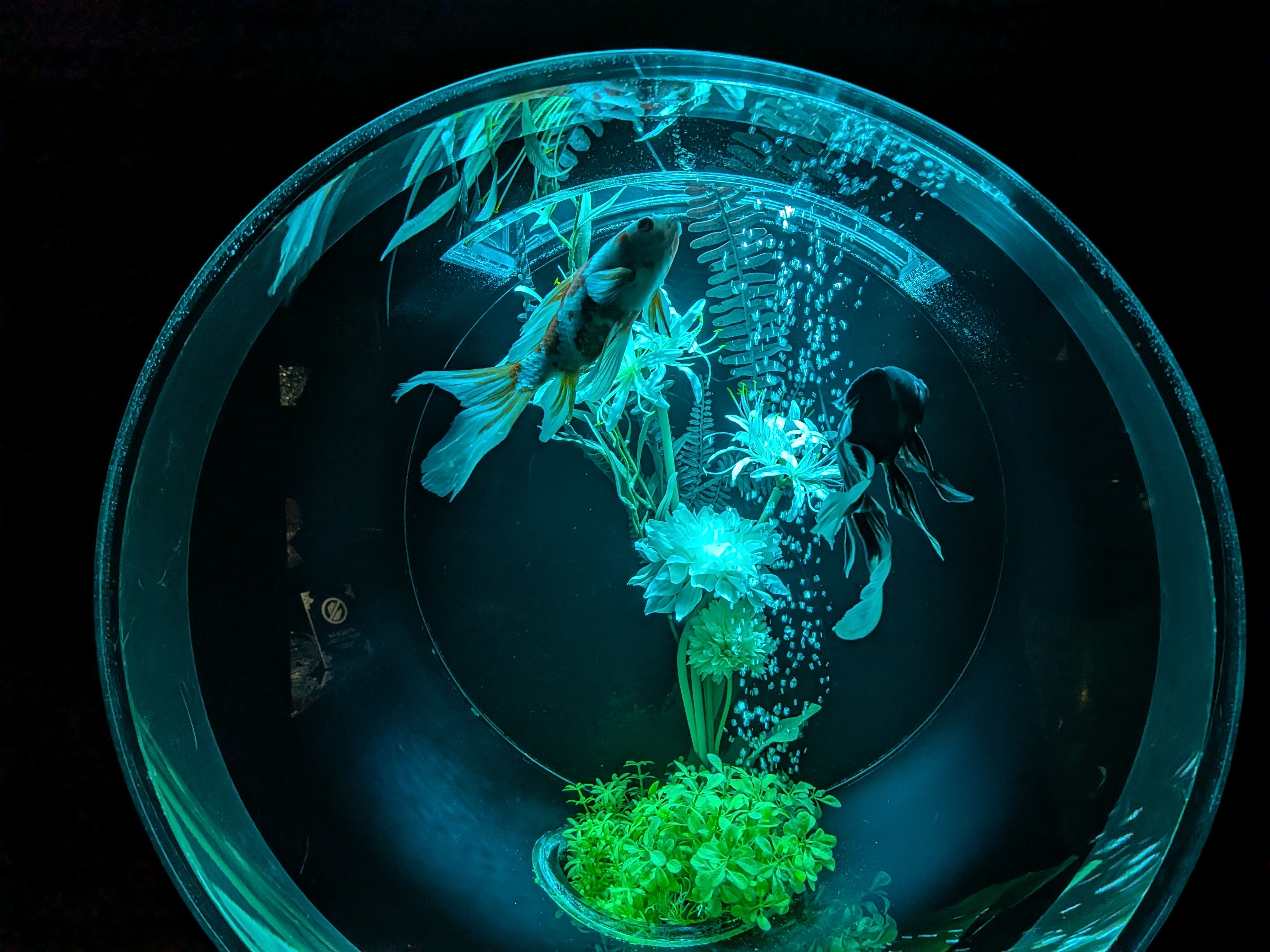
Bettas are known for being passive but can be quite aggressive at times. Whilst some may be compatible with certain tank mates others will become stressed or aggressive. This means that choosing tank mates for bettas isn’t just about finding them on a list of compatible species. It depends on whether the fish, aquarium and betta is suitable for living together.
Disclosure: This post may contain Amazon affiliate links, at no extra cost to you. Content on Pawtangle is created with research support from AI tools and carefully reviewed, edited, and fact-checked by the lead author, Dr.Fahri Pat , to ensure accuracy and reliability. Learn more
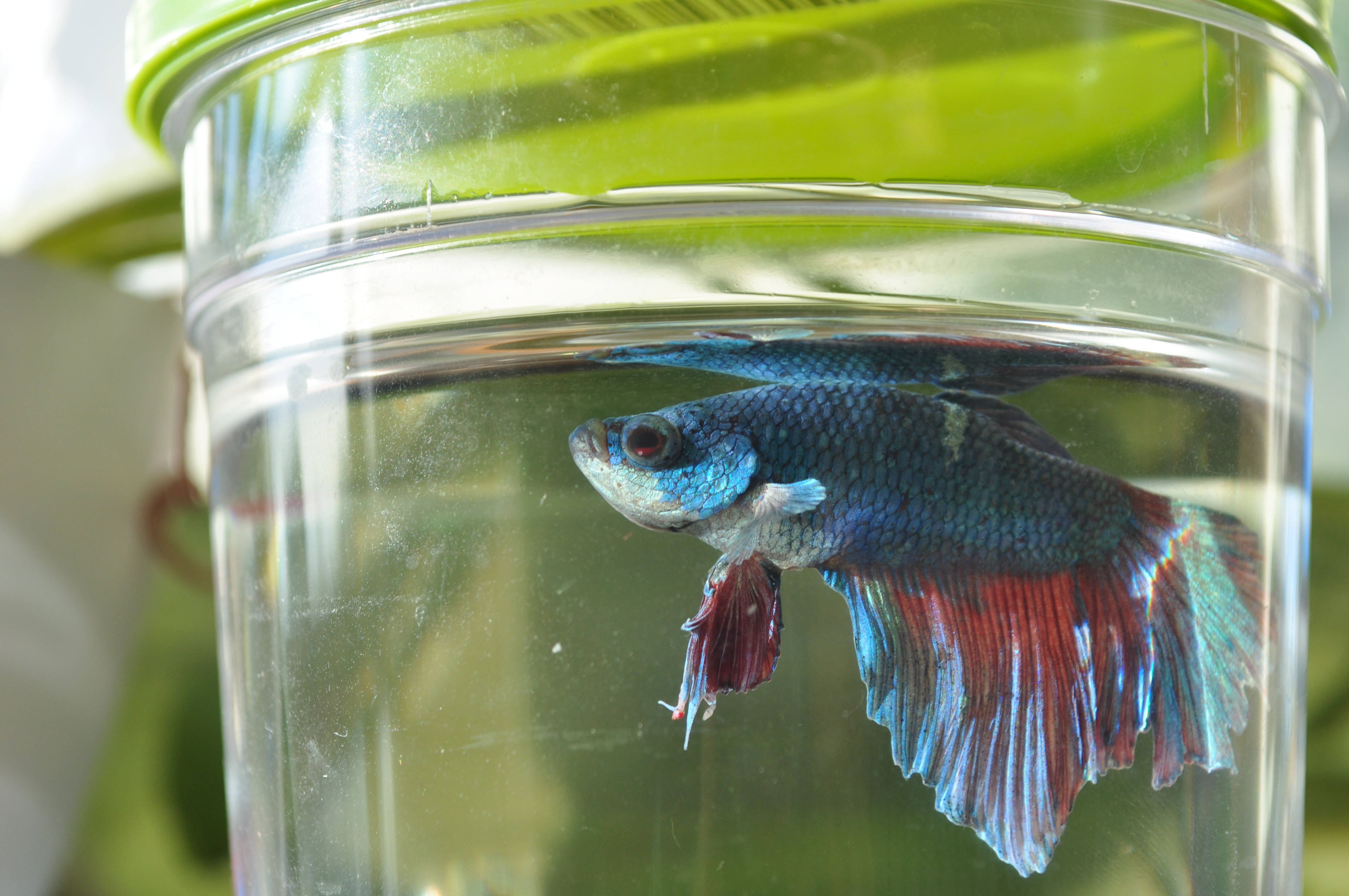
Many keepers will find that just having a well maintained single betta aquarium is a great setup. If you do wish to keep a community aquarium, it is important to think about what each species will need. Then decide if your betta is likely to be happy with the setup.
Start With the Aquarium You Actually Have
Before you choose another fish to add to your aquarium, think about how much space there is available, the filtering system, the water temperature and the overall water quality. If you only have one betta in your tank, there may not be enough space for a group of schooling fish. Adding other fish will increase the amount of waste going through your filter, as well as increasing the amount of animals fighting for food and swimming space.
Use this quick screening guide before buying anything.
| Question | Why it matters |
|---|---|
| Is the aquarium large enough for every species as an adult? | Tank mates need adequate swimming space, not just room to fit when purchased. |
| Do the species need similar water conditions? | Temperature, pH, hardness, and water quality must suit all inhabitants. |
| Does the potential tank mate need a group? | A schooling fish should not be kept alone just to fit a betta setup. |
| Can fish avoid one another? | Plants, cover, and clear routes can reduce constant visual contact and chasing. |
| Can you separate them immediately if problems occur? | A backup plan prevents a failed pairing from becoming an emergency. |
If you cannot meet the full needs of the proposed companions, do not add them. A smaller group than a species needs, poor water quality, or an overcrowded aquarium is not a safe compromise.
Tank Mates Worth Researching First
The animals below are potential candidates in some setups, not guaranteed matches. Their suitability depends on the aquarium, the exact species, and the betta’s behavior. Confirm the full care requirements before choosing one.
Corydoras Catfish
Corydoras are a species of catfish that will spend much of their time on the substrate. They can be a good option if you have a large enough tank and the correct water parameters as they will often inhabit a different part of the aquarium than a betta.
They have social and environmental requirements. It is best to keep them in a suitable school, with suitable substrate and floor space. Don’t get just one or two as it will leave your aquarium looking quite bare at the bottom. Make sure you can keep the full school plus the betta.
Small, Peaceful Rasboras
Some small species of rasbora can be ideal for keeping in your community aquarium. They do need to fit within the same parameters as your betta, but they are very active and social so will require adequate space.
Do some research to find out exactly what species of rasbora you have. Some are more active than others. They should always have enough room to act naturally. If your aquarium isn’t big enough to house a proper school then don’t include them.
Certain Small Tetras
Some small peaceful tetras can be kept with bettas. However, there are many different types of tetra and they vary in their size, activity and social requirements as adults.
Avoid assuming all tetras are the same. Do some research on the adult size, how many should be kept together, water conditions and whether they are known for nipping. If the fish you want to keep are known for nipping or require more swimming space than your aquarium provides then pick a different option.
Snails and Some Shrimp
If you’re looking to add some activity but aren’t looking to add another fish then certain freshwater snails or shrimp may be a good option. As with any creature they will need the right water conditions, enough food and the right environment. Your betta may also attack or eat small invertebrates.
Shrimp aren’t automatically safe. Small shrimp can be considered prey. If you’re keeping your aquarium low on plants then you may find that your snails get bullied by the aggressive person. Have a plan to split them up if they don’t get on.
Fish That Are Risky Choices for a Betta Aquarium
Some combinations are poor choices because of territorial behavior, fin-nipping, incompatible activity levels, or different care requirements. These are important to rule out before considering a community setup.
Another Male Betta
Do not house two male Siamese fighting fish together in the same aquarium. They can fight and seriously injure one another. A divider or a large aquarium does not make a shared, unpartitioned setup safe.
Known Fin-Nippers
Fins nipper fish can cause damage to the delicate fins of your betta and cause stress. A common fish to avoid is tiger barbs. Despite being small, they can still cause problems. If there are a school of active nippers then this can cause a constant issue.
Fish With Long, Flowing Fins
Some bettas can become over-excited by long finned or brightly coloured fish. They can either chase or attack other fish by nipping their fins. Guppies and other flashy long finned fish should be treated with extra care.
Large, Aggressive, or Very Active Fish
Fish that are significantly larger, more aggressive or very active can cause your betta to feel intimidated. They might also cause a competition for food. Some species will require cooler water, faster currents and more swimming room than can be provided in a betta centric tank. Don’t mix incompatible species even if their temperature ranges overlap.
Why Aquarium Size Changes the Answer
There is no single tank size that makes every betta community safe. The correct volume depends on the adult size, group requirements, swimming behavior, filtration, and environmental needs of every species being considered.
Aqueon recommend that any peaceful community set up for your betta should be 15 gallons or more. Whilst this is a good starting point it is not a guarantee that anything will work. Some species will require more space, and if they are an incompatible pair they will remain incompatible regardless of the size of the tank.
- Do not use a small betta-only aquarium as the starting point for a community.
- Calculate space based on the needs of the whole group, not just the betta.
- Check the filter’s capacity and keep ammonia and nitrite at safe, undetectable levels.
- Provide cover and visual barriers without blocking swimming routes.
- Do not add all the fish at once to an uncycled or unstable aquarium.
Remember that a bigger tank can reduce crowding, but it cannot erase aggression or make incompatible water requirements compatible.
Set Up the Aquarium Before Adding Companions
Ensure the tank is properly cycled. This means that the water parameters are stable and there is adequate filtration for the number of fish you will be keeping. A new tank will not be ready if you just fill it up.
- Establish the aquarium’s biological filtration before stocking it.
- Check temperature and water parameters against the needs of every species.
- Use plants and decorations to create visual cover and distinct areas.
- Keep open routes for swimming and access to the surface.
- Make sure the filter flow is appropriate for the betta and the other fish.
- Prepare a separate, suitable tank or other safe housing option in case separation is needed.
Bettas generally do better with gentle water flow and access to the surface. Any community design should preserve these needs while also meeting the swimming and oxygenation requirements of the other species.
Introduce New Fish Carefully
Even if you are using a commonly recommended species, it’s still important to ensure they are a good match for your betta. When adding new fish to your tank you should place them in quarantine following good aquarium health guidelines to avoid introducing any disease into your tank.
Watch them carefully when adding new fish to your aquarium. Some keepers will change the decor to try to break up any existing territories. However, even with this you cannot be 100% sure they will get on. If there are signs of active aggression then do not leave them together.
- Observe chasing, repeated flaring, fin damage, and persistent hiding.
- Check that all fish can reach food without being driven away.
- Look for rapid breathing, clamped fins, loss of appetite, or unusual inactivity.
- Separate fish promptly if one is repeatedly attacked or prevented from feeding.
- Do not wait for visible injuries before acting on sustained harassment.
If your pair seems to be peaceful during the first hour you should still continue to observe them and test the water for changes. This is especially important for the first few days and when you make any changes to the layout or stocking.
Signs the Combination Is Not Working
You should assess compatibility based on how your animals are doing and acting. If you have a fish that is always hiding or refusing to eat it could be a sign they’re having trouble.
- Repeated chasing or biting.
- Torn fins or other unexplained injuries.
- One fish guarding food or blocking access to a preferred area.
- Persistent hiding, loss of appetite, or unusual lethargy.
- Rapid breathing or other signs of distress.
If you notice any of these symptoms, move animals apart safely and test the water quality as this can be a cause of stress and illness. If symptoms continue seek advice from an aquatic vet or experienced fish health professional.
A Simple Decision Guide Before You Buy
Use these questions to make a practical decision rather than relying on a list of “compatible” fish.
- Is the aquarium large enough for the full group? If not, keep the betta alone or choose a different aquarium plan.
- Do all species need similar water conditions? If not, do not combine them.
- Can the companion species live in the group size it needs? If not, do not buy it.
- Could the fish nip fins, compete aggressively, or trigger territorial behavior? If yes, choose a safer option.
- Do you have a safe separation plan? If not, do not introduce companions yet.
Frequently Asked Questions
Can a betta live alone?
Yes. They can be kept singly in an adequately set up aquarium with heating and filtration with all the enrichment they need. They do not need any other fish as companions and there are no issues of compatibility.
Can corydoras live with a betta?
They may be compatible if you have a large enough aquarium and all the requirements for water temp etc. are met, but Corydoras do require the right amount of fish, good substrate and plenty of floor space. They wouldn’t be suitable for all betta tanks.
Can neon tetras live with bettas?
This may not work. Be aware of the specific type of tetras you are using, how many adults there will be, the space available and the conditions of the water. Don’t add a school to an aquarium which can’t properly accommodate them.
Can I keep two bettas together?
Don’t house two male Siamese fighting fish together in the same aquarium. Female groups can be a specialist set up and shouldn’t be considered an easy choice for beginner fish keepers.
Are shrimp safe with bettas?
No. Some betas are fine with shrimp, but some will prey on them or bother them. If you do attempt to keep them together provide them with adequate shelter and separate accommodation. However, small shrimp may be eaten.