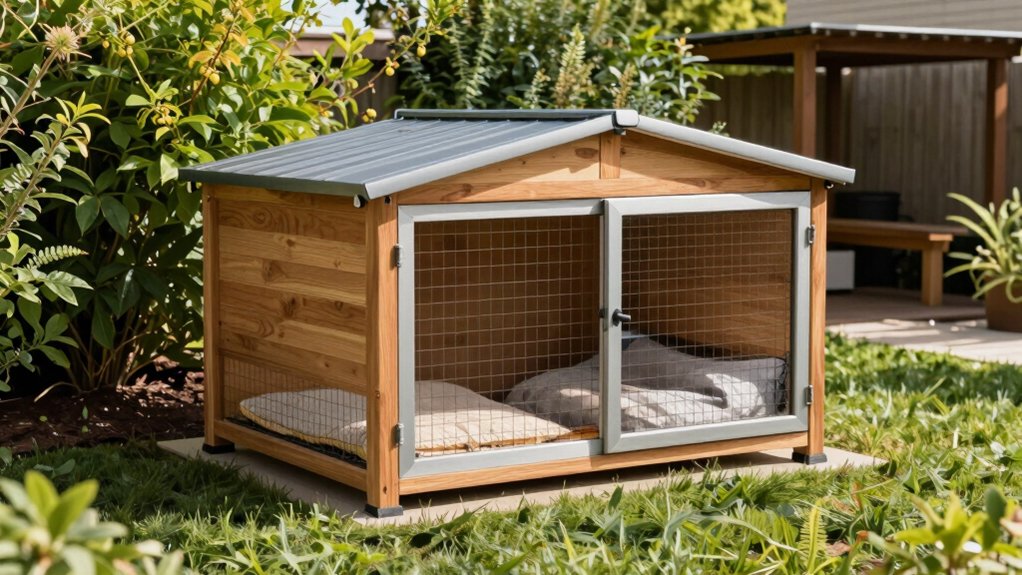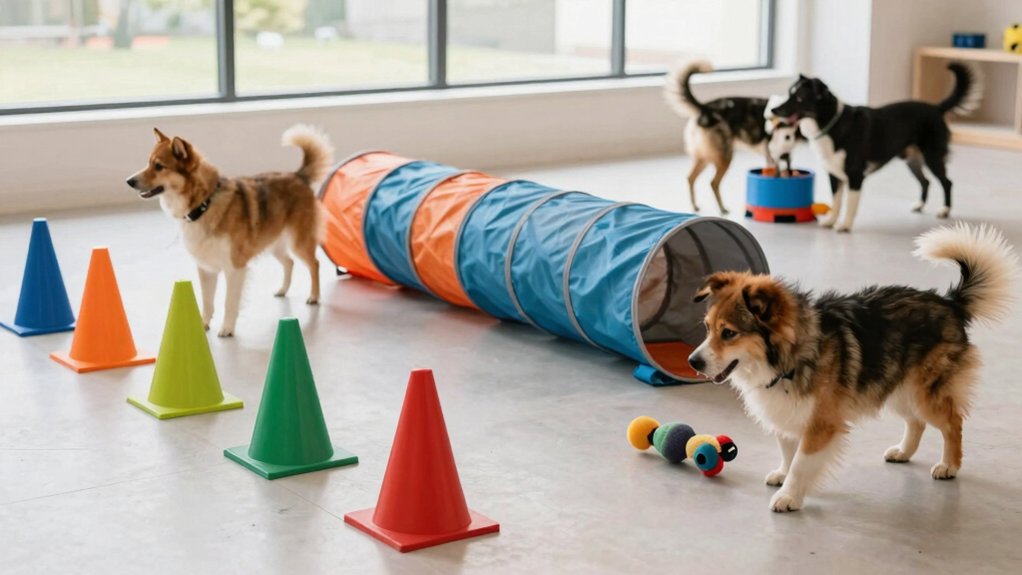
Try scent trails and hide-and-seek with short tracking paths, hidden treats, and simple scent stations to build confidence. Add bubble chases or shallow, supervised water play for a fun sensory reset, keeping sessions brief and dogs grouped by size and comfort. Finish with a calm nap-time routine: dim lights, soft bedding, low noise, and water nearby. These easy daycare ideas can keep dogs occupied, relaxed, and ready for the next activity.
Disclosure: This post may contain Amazon affiliate links, at no extra cost to you. Content on Pawtangle is created with research support from AI tools and carefully reviewed, edited, and fact-checked by the lead author, Dr.Fahri Pat , to ensure accuracy and reliability. Learn more
Key Takeaways
- Try scent trails with treats or toys along a 10–30 meter path to build tracking confidence.
- Use short hide-and-seek games with visible staff, then add furniture and separate rooms.
- Add pet-safe bubble chases for quick, lively enrichment after focused scent activities.
- Offer shallow, supervised water play with non-slip mats and size-matched dogs for safety.
- Schedule a calm nap period with dim lights, soft bedding, and low white noise after active play.
Scent Trails And Hide-And-Seek Games
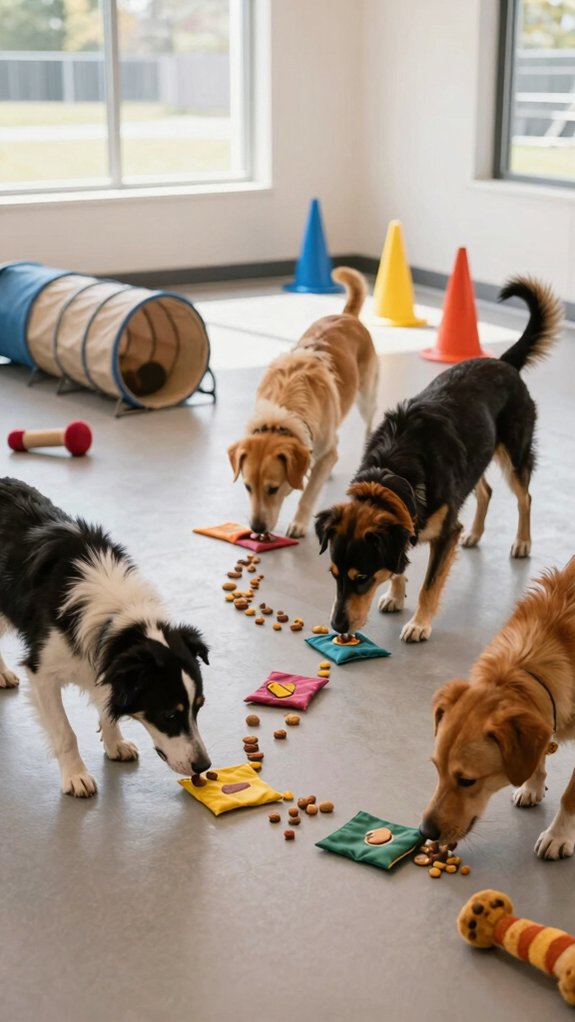
Scent trails and hide-and-seek games can add focused mental exercise to daycare by giving dogs a structured outlet for their natural tracking instincts. Staff can drag a treat or toy along a 10–30 meter path, place scent stations with cotton swabs, and reward each find to strengthen tracking confidence. Hide-and-seek can begin with visible staff, then move to furniture and separate rooms, letting dogs succeed in small steps. Short 5–10 minute sessions, with rest breaks, help prevent overload. Matching dogs by playstyle and scent aptitude supports safety, calm teamwork, and a sense of belonging.
Bubble Chases And Water Play
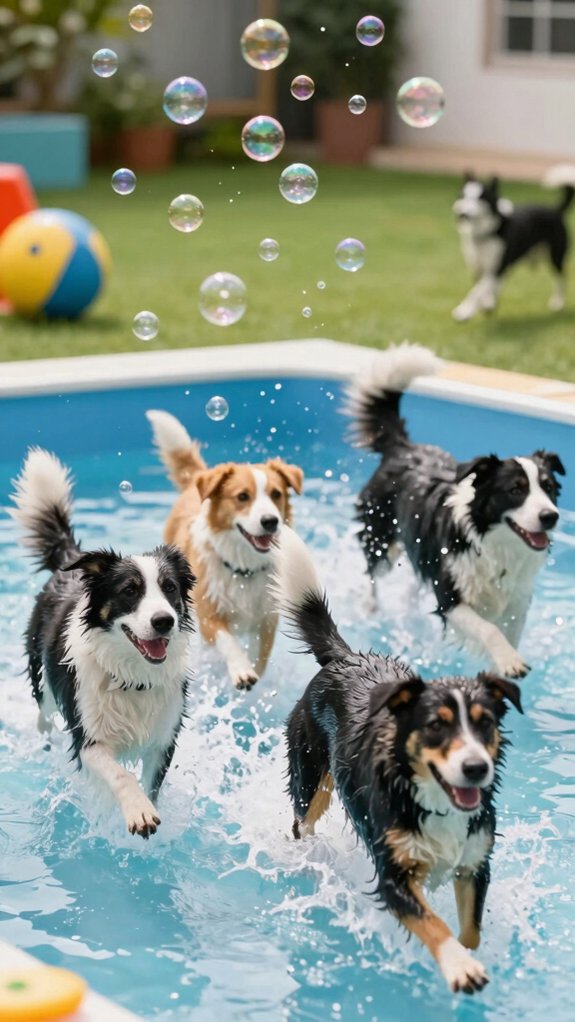
After focused games like scent trails, daycare can shift to lighter sensory enrichment with bubble chases and water play. Staff can use pet safe bubbles and a bubble machine for lively bursts, then pause before dogs lose interest.
- Shallow supervised pools support cooling, splashy fun.
- Keep water 2–6 inches deep and mats non-slip.
- Limit sessions to 5–20 minutes, depending on activity.
- Rotate with frozen treat toys for hydration and enrichment.
Dogs should be separated by size and confidence, closely watched, rinsed after play, and noted for irritation or stress.
Calm Dog Daycare Ideas For Nap Time
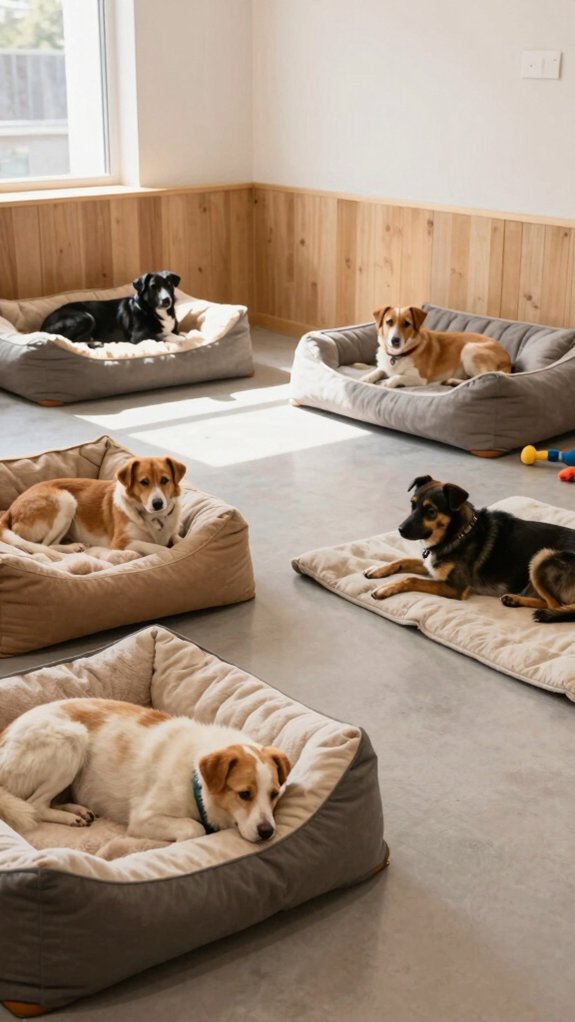
During the mid-day lull, a well-planned nap zone helps dogs settle safely and recover from active play. Staff can set individual crates or soft bedding 3–4 feet apart, lowering stimulation and supporting rest. A steady quiet schedule, such as 12:30–2:30 PM, matches natural energy dips and helps dogs learn the routine. Dim lights and low white noise or nature sounds at 50–55 dB reduce sudden disturbances. Gentle massages or relaxation mats may calm nervous guests. Water should stay available, while intense play ends 30–45 minutes before naps. Nap notes in pet profiles help tailor care for every dog.
Frequently Asked Questions
How to Have a Profitable Doggy Day Care?
Profitability comes from pricing strategies that charge premium add-ons and cover labor, plus staff training that delivers efficient enrichment. Tracking preferences, themed offers, and shareable activities builds loyalty, belonging, and stronger repeat bookings.