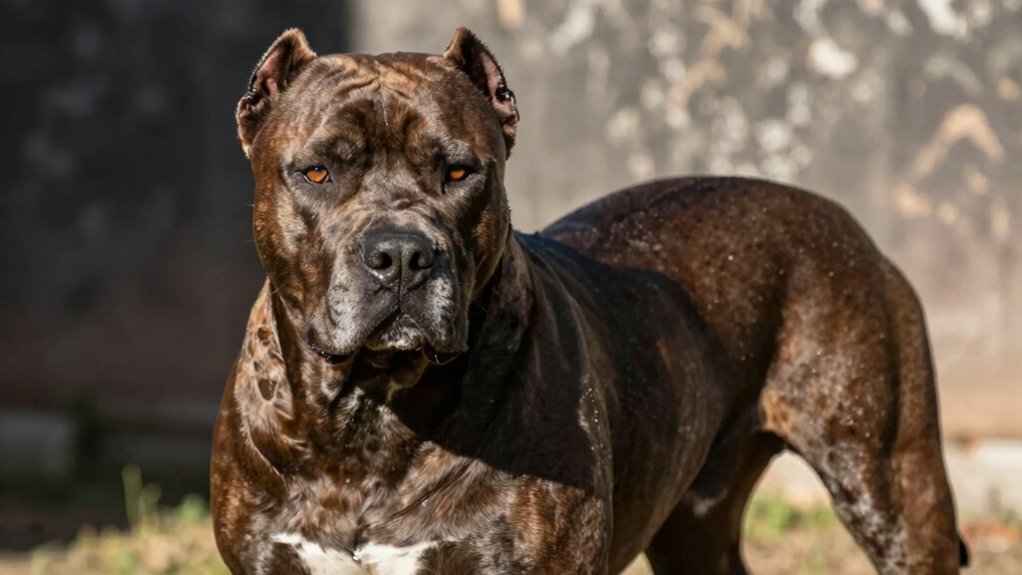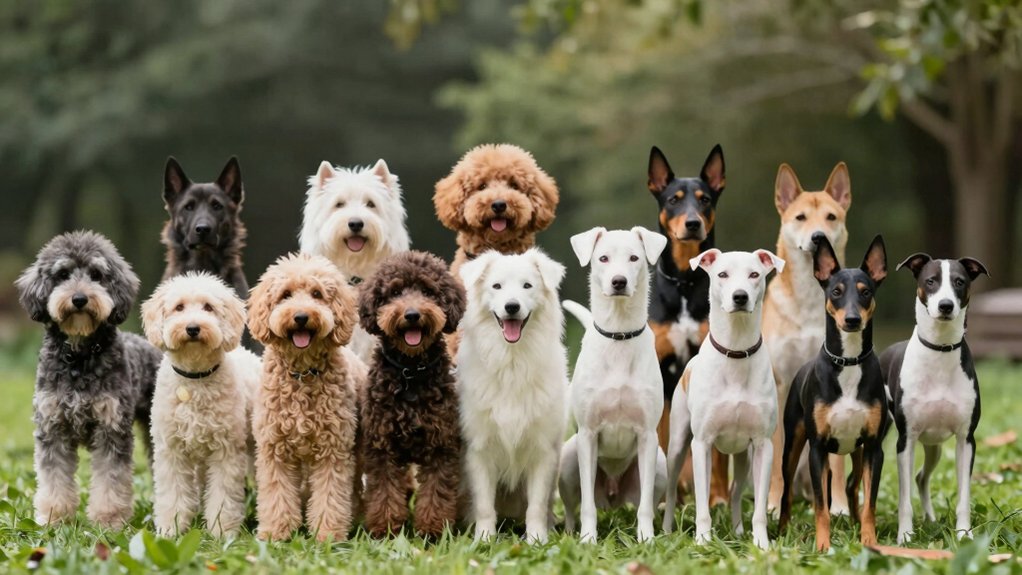
Looking for rare dog breeds that stand out? You’ll find striking options like the lean Azawakh, ridgebacked Thai Ridgeback, truffle-hunting Lagotto Romagnolo, and versatile Mudi. Consider the ancient Canaan Dog, fluffy Finnish Lapphund, hairless Xoloitzcuintli, and six-toed Norwegian Lundehund. Big, protective Tibetan Mastiffs and the tenacious Karelian Bear Dog add bold choices, while the friendly Chinook brings sledding heritage. Keep exploring and you’ll uncover each breed’s unique care, temperament, and history.
Disclosure: This post may contain Amazon affiliate links, at no extra cost to you. Content on Pawtangle is created with research support from AI tools and carefully reviewed, edited, and fact-checked by the lead author, Dr.Fahri Pat , to ensure accuracy and reliability. Learn more
Key Takeaways
- Highlight a variety of rare breeds across groups: sighthounds, herders, mastiffs, spitz-type, and hairless varieties.
- Include unique physical traits like ridges, extra toes, hairlessness, curly coats, and extreme leanness.
- Note temperament and training needs: independent guardians, eager herders, family-friendly retrievers, and high-drive athletes.
- Summarize exercise and mental stimulation requirements, from daily runs to agility and scent work.
- Mention special care: grooming intensity, skin protection for hairless types, and seasonal shedding management.
Azawakh
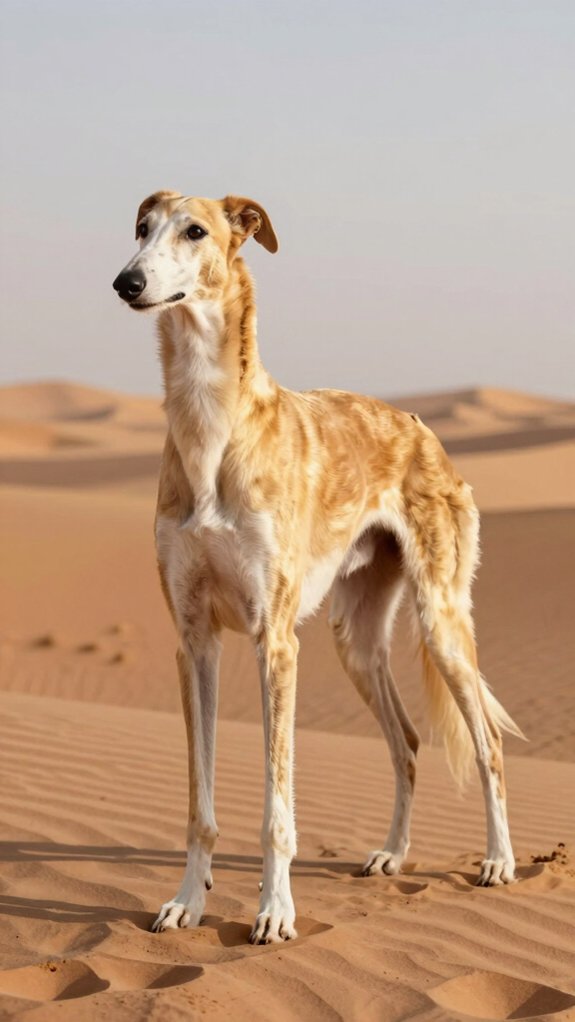
Sleek and swift, the Azawakh is an ancient West African sighthound prized for its lean physique and long legs that make it a superb, agile runner. You’ll appreciate the Azawakh temperament: fiercely loyal to family, gently affectionate with children, and often reserved with strangers. You’ll bond quickly if you value quiet devotion and calm confidence. Because they’re bred to run, Azawakh exercise is crucial—long daily runs or vigorous play prevent restlessness and keep their muscles toned. Their short coat makes grooming simple, so you’ll spend less time brushing and more time exploring together. If you want a dog that matches an active lifestyle and rewards commitment with deep loyalty, the Azawakh fits like a close-knit companion.
Thai Ridgeback
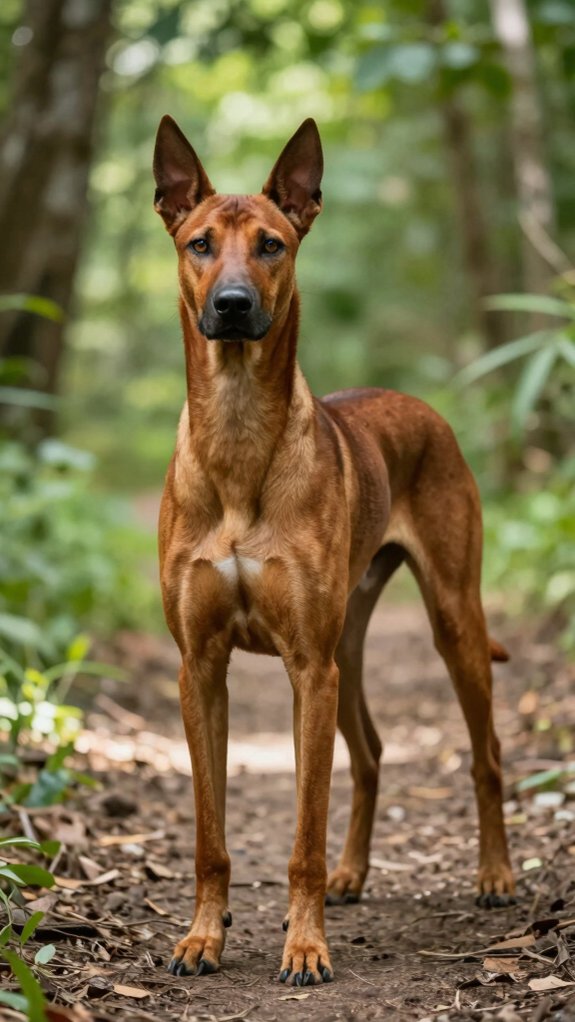
A striking sight, the Thai Ridgeback is an ancient, athletic breed defined by the unique ridge of hair running along its back that grows opposite the rest of the coat. You’ll find a loyal, protective companion that’s wary of strangers and thrives as a watchdog. Its 20–24 inch height and 35–75 pound weight make it ideal for active households.
- Exercise: meet Thai Ridgeback exercise needs with daily runs, agility, and play to channel energy and prevent boredom.
- Training: use clear, consistent Thai Ridgeback training tips—positive reinforcement and short sessions build trust and cooperation.
- Grooming: enjoy minimal grooming thanks to the short coat; regular checks and brushing suffice.
- Bonding: include family in routines to encourage belonging, structure, and confidence.
Canaan Dog
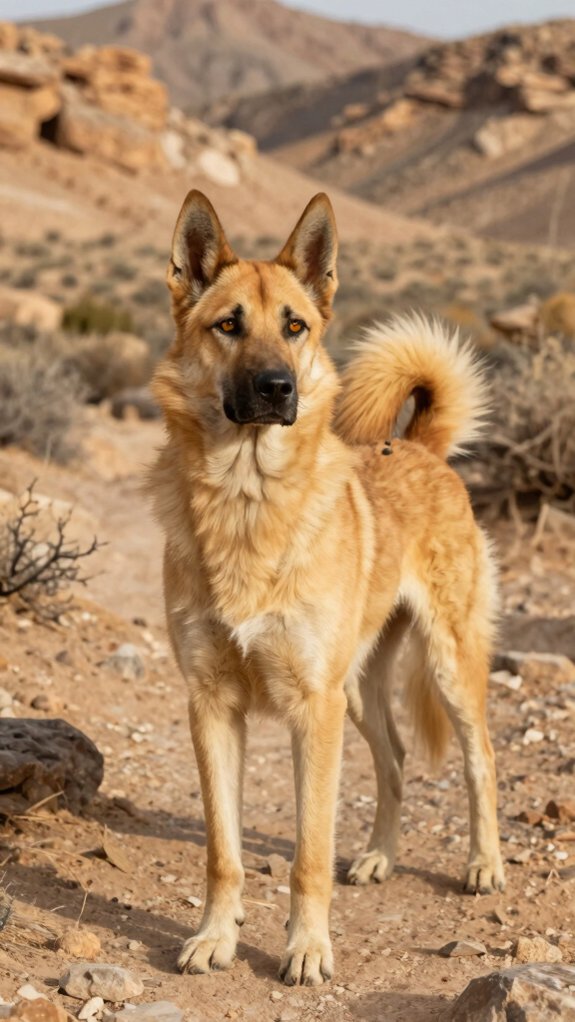
Heritage and hardiness define the Canaan Dog, Israel’s national breed that’s spent millennia working as a herder and guardian; you’ll find a clever, athletic dog that learns quickly, thrives in dog sports, and adjusts well to both city and country life when given regular exercise and mental challenge. You’ll appreciate minimal grooming thanks to a short, dense coat, yet you’ll need consistent Canaan Dog training tips to channel intelligence and independent streaks into reliable obedience. Start early with reward-based routines and varied challenges to keep motivation high. Because they can be territorial and reserved around strangers, prioritize Canaan Dog socialization strategies that expose them to people, places, and positive experiences. With belonging and structure, they become loyal, capable companions.
Lagotto Romagnolo
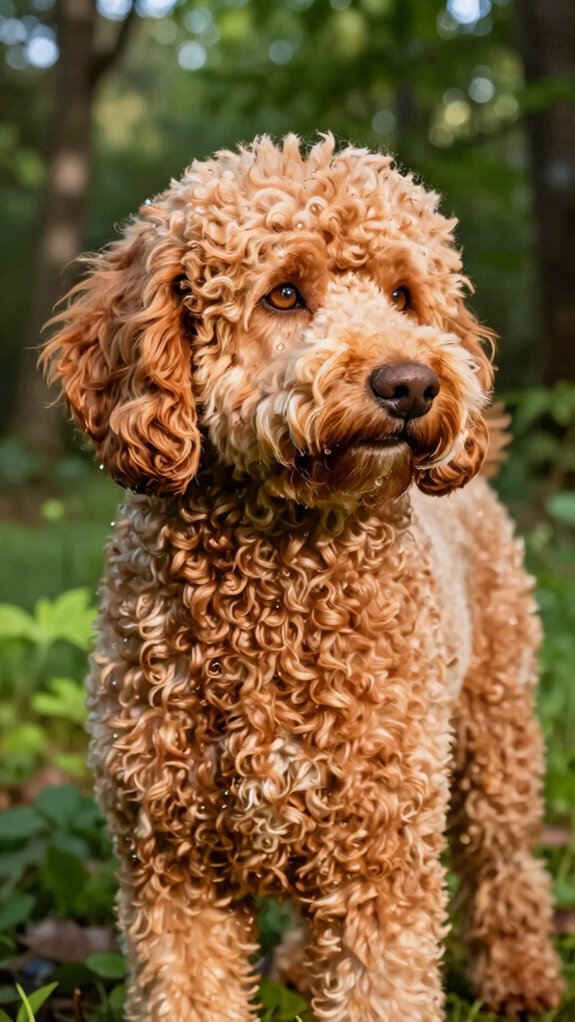
Though rooted in Italy’s marshy Romagna region, the Lagotto Romagnolo stands out today as the only purebred dog bred particularly for truffle hunting, combining a compact, 16–19 inch frame with sharp scenting ability and a water-resistant, tightly curled coat that needs regular grooming. You’ll appreciate their 24–35 pound build, 13–15 year lifespan, and enthusiasm to work. They’re clever, trainable, and thrive in activities that keep mind and body involved. As affectionate companions, they bond deeply with families and are gentle with children. You’ll want to commit to grooming and exercise, but you’ll get loyal, playful partnership in return.
- Train early for scent work and manners.
- Schedule regular coat maintenance.
- Offer daily mental stimulation.
- Include family in activities.
Mudi
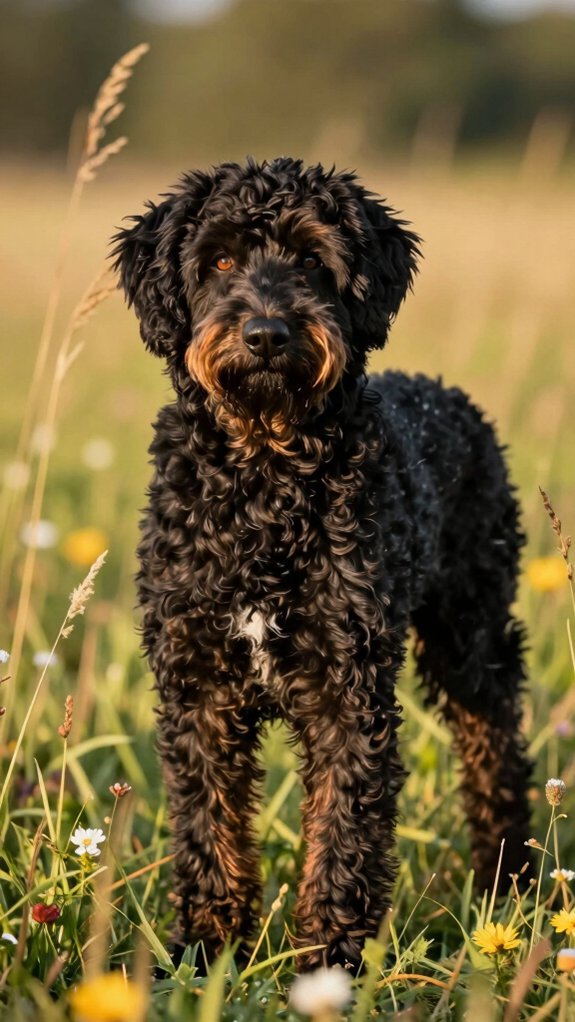
When you meet a Mudi, you’ll notice its lively intelligence and distinctive curly coat—traits that helped this rare Hungarian herding dog excel at everything from stock work to agility trials. You’ll immediately sense the Mudi characteristics: alert posture, agile physique, and a coat that comes in striking colors and patterns. Descended from a population reduced after World War II, today’s few thousand Mudis remain exceptionally versatile. You’ll appreciate how Mudi training channels that energy into herding, agility, and obedience, preventing boredom and strengthening your bond. Loyal and affectionate, a Mudi wants to be part of your family activities and succeeds when you provide consistent mental challenges and physical outlets. Embrace one, and you’ll gain a devoted, spirited companion.
Peruvian Inca Orchid
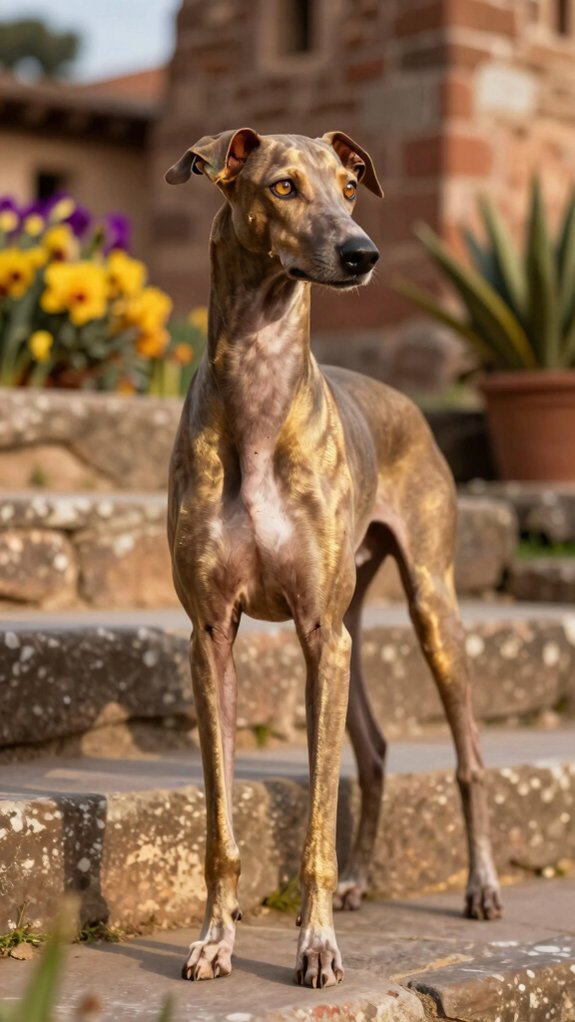
Imagine a sleek companion that can be hairless or short-coated, comes in three sizes, and traces its lineage back before AD 750 — that’s the Peruvian Inca Orchid, a lively, affectionate breed prized for agility and hunting. You’ll appreciate its range: 9.75–25.75 inches tall and 8.5–55 pounds, fitting many homes. You’ll bond quickly with its affectionate nature and protective instincts, making you feel part of a close-knit pack. For hairless care, you’ll need sunscreen outdoors and gentle skincare routines.
- Size variety suits apartment or active households.
- Energetic temperament rewards regular exercise.
- Protective watchfulness gives reassuring companionship.
- Short-coated option reduces grooming demands while keeping that ancient, elegant look.
Otterhound
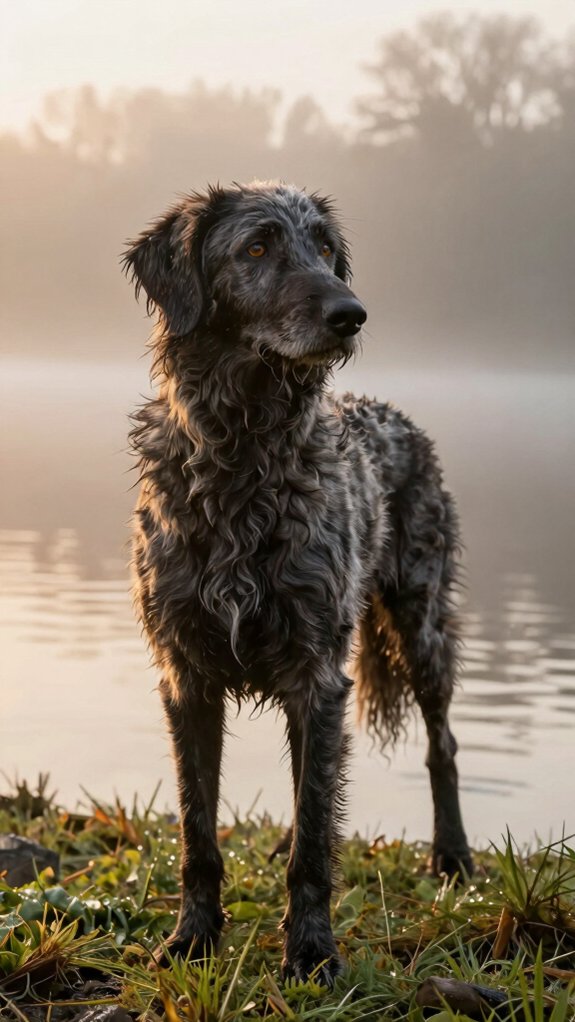
While you might spot it splashing confidently through rivers or nose-first on a scent trail, the Otterhound is a distinctive, large British scent hound bred for hunting otters, prized for an extraordinary sense of smell and webbed feet that make it equally at home in water and on land. You’ll appreciate Otterhound history as a link to England’s working packs and a reminder that this rare breed carries cultural importance. If you welcome an amiable, sociable companion, the Otterhound bonds easily with families and children. Otterhound care centers on regular exercise—long swims and hikes—and consistent grooming to maintain the thick, water-resistant coat and prevent matting. As numbers decline, joining its community feels meaningful and rewarding.
Skye Terrier
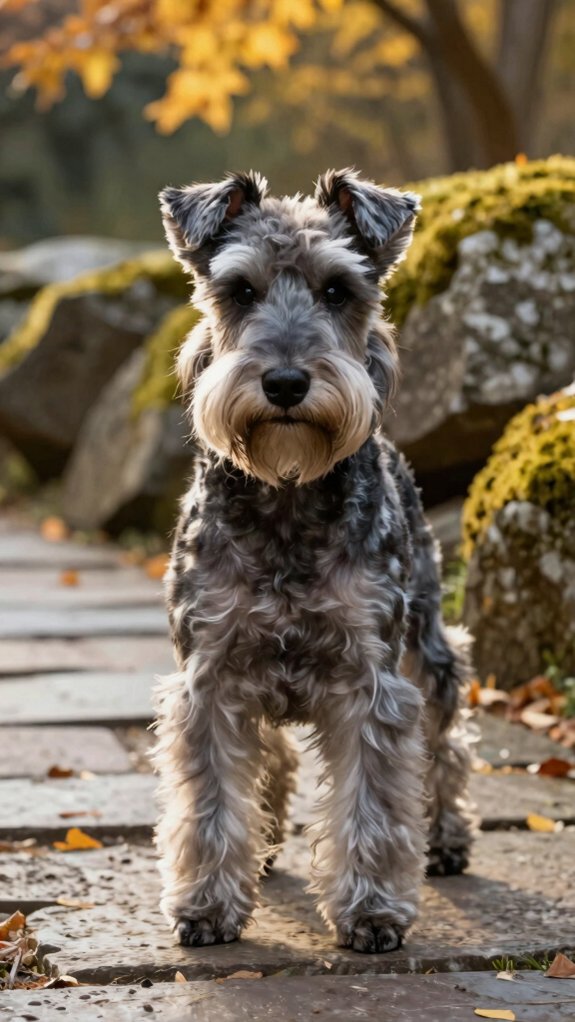
Bold and compact, the Skye Terrier was bred on Scotland’s Isle of Skye to hunt foxes and small game, and you’ll notice its long body, short legs, and flowing coat have a purposeful, ground-hugging profile suited to burrows and rough terrain. You’ll love its loyalty and courageous heart; at 35–45 pounds and about 9–10 inches tall, it feels substantial yet intimate. Early socialization and firm kindness help curb stubborn streaks, so follow proven Skye Terrier training tips to build trust.
- Commit to regular Skye Terrier grooming techniques: daily brushing to prevent mats and maintain shine.
- Use short, consistent sessions for training; praise reinforces good behavior.
- Offer structured outings to satisfy hunting instincts.
- Welcome this breed into your close-knit home.
Bergamasco Sheepdog
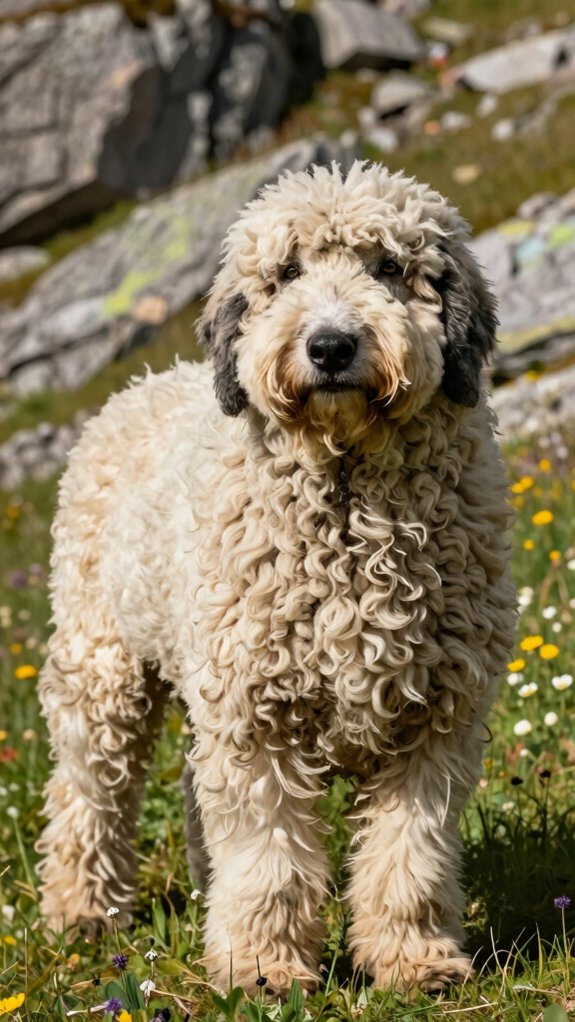
Though its appearance may catch your eye first, the Bergamasco Sheepdog’s hallmark is far more functional than fashionable: three distinct hair types naturally mat into flat, felted layers that protect it from weather and predators while insulating during long days on the pasture. You’ll appreciate its intelligence and independence; Bergamasco training tips emphasize consistency, short sessions, and mental challenges to keep this herding breed involved. Its calm demeanor and loyalty make it a warm family member — you’ll feel included and supported by its steady presence. Moderate exercise, daily walks, and playtime keep it healthy. Grooming stays simple: occasional brushing prevents unnecessary matting. Learn its Bergamasco temperament traits—calm, devoted, alert—and you’ll find a companion built for work and home.
| Trait | Care focus |
|---|---|
| Coat | Occasional brushing |
| Exercise | Daily walks |
| Training | Consistency |
| Temperament | Calm, loyal |
| Role | Herding companion |
Xoloitzcuintli
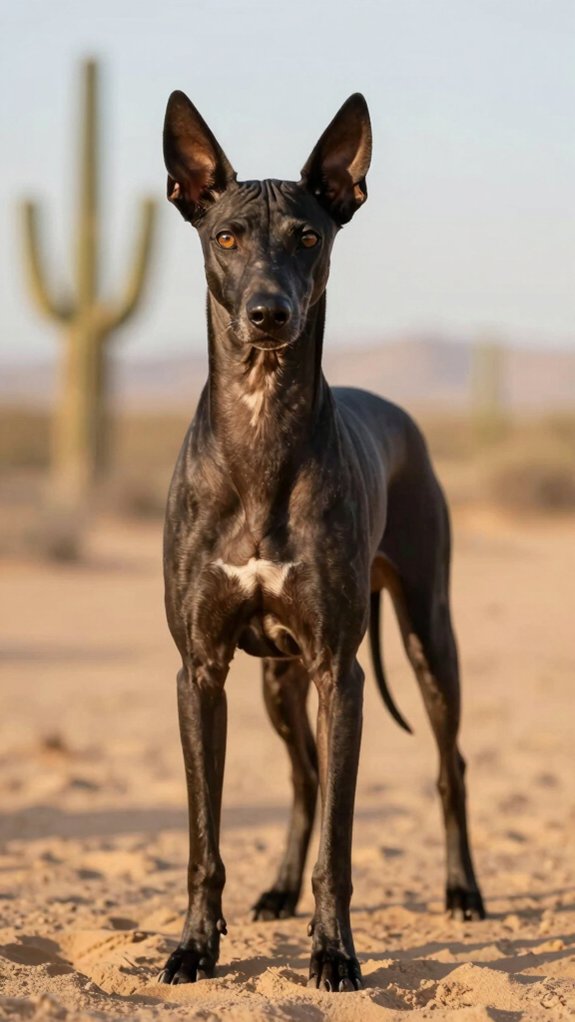
If you want a striking, ancient companion with modern sensibilities, the Xoloitzcuintli (or Xolo) delivers: this Mexican Hairless Dog dates back over 3,000 years to Aztec times and comes in toy, miniature, and standard sizes, so you can find one that fits your home and activity level. You’ll appreciate the Xoloitzcuintli history and how loyal, affectionate they are, forming close bonds while staying reserved with strangers. Their hairless variety needs focused Xoloitzcuintli care—sunscreen, skin checks, and gentle baths. They shed little and often suit allergy-conscious households. Consider these points when welcoming a Xolo into your circle:
- Size options to match lifestyle and space.
- Low shedding, hypoallergenic benefits.
- Skin protection and grooming necessities.
- Socialization to build confidence and trust.
Norwegian Lundehund
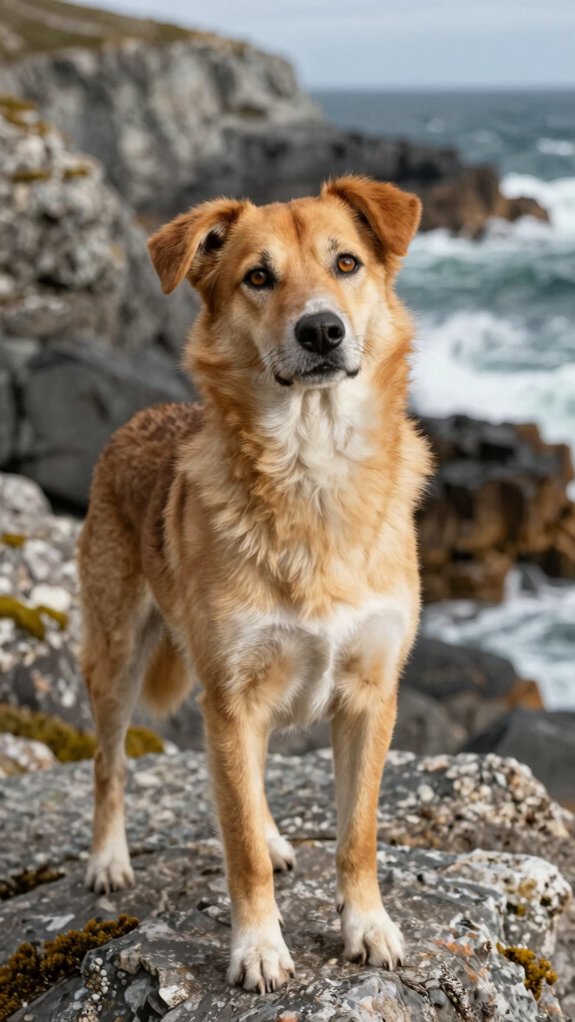
Imagine a small, athletic dog built for cliffs: the Norwegian Lundehund sports six toes on each foot and an unusually flexible neck that lets it tilt its head back to touch its spine, modifications that once made it a master at hunting puffins along Norway’s rocky coasts. You’ll love how Lundehund agility translates to lively play and clever problem-solving at home; those extra toes and a suppler spine give it balance and reach rare in other breeds. Standing 12–15 inches and weighing 20–30 pounds, it’s compact yet sturdy. You’ll need to watch Lundehund health closely—this breed can face digestive and joint concerns—so regular vet care, measured exercise, and a connected community of owners will keep your dog vibrant, social, and confident.
Finnish Lapphund
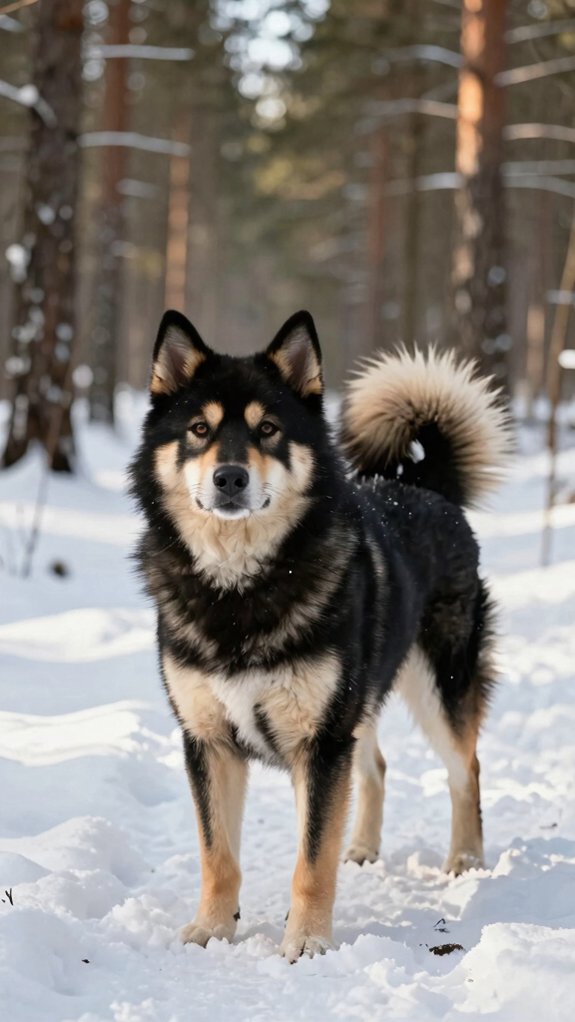
Friendly and hardy, the Finnish Lapphund was bred to herd reindeer across Finland’s harsh north, and its thick double coat and agile, sturdy frame make it perfectly suited to cold, active lives. You’ll find Finnish Lapphund characteristics include gentle family manners, clever alertness, and a compact 16–21 inch, 33–53 pound build. Recognized by the AKC in 2011, this breed’s popularity is growing because it’s loyal and sociable. For you, belonging means consistent Finnish Lapphund training that blends positive reinforcement, mental puzzles, and daily exercise. Embrace its energy and you’ll have a devoted companion.
- Social—thrives in family settings and with children.
- Active—needs regular walks and play.
- Clever—learns quickly with gentle guidance.
- Weatherproof—double coat protects in cold climates.
Tibetan Mastiff
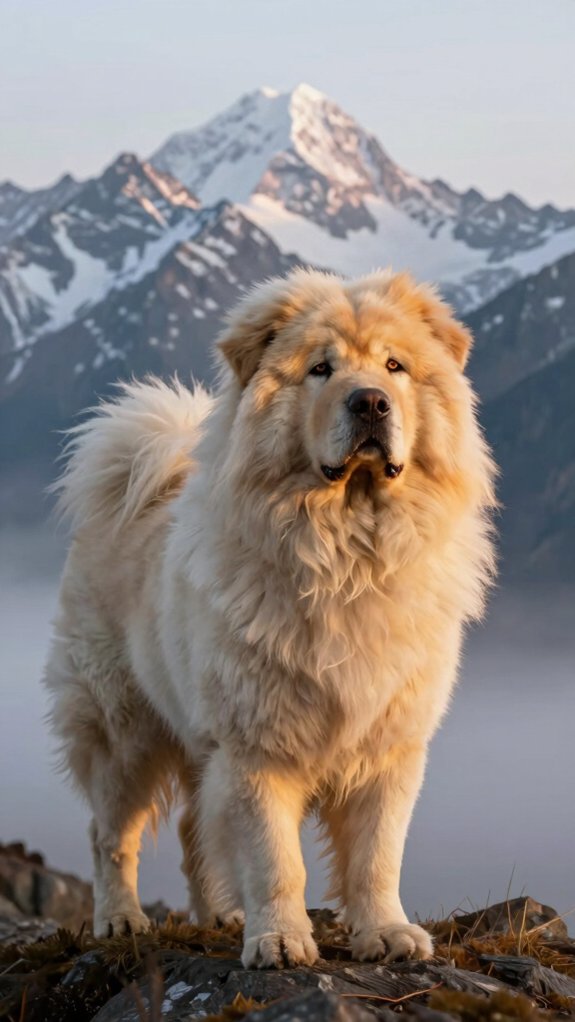
While their massive size and thick double coat command attention, Tibetan Mastiffs are defined by a calm, noble presence and an instinctive devotion to protecting their family. You’ll appreciate that their impressive coat — black, brown, tan and combinations — needs regular Tibetan Mastiff grooming to prevent matting and manage heavy seasonal shedding. Expect a large, strong companion: 90–150 pounds and about 24–30 inches at the shoulder. Their solemn expression and guarding instinct make them selectively social; they’re aloof with strangers but deeply loyal at home. Because they’re independent, you’ll want consistent, experienced Tibetan Mastiff training focused on clear leadership, socialization, and firm boundaries. When you commit, you join a close-knit circle bonded to a dignified guardian.
Karelian Bear Dog
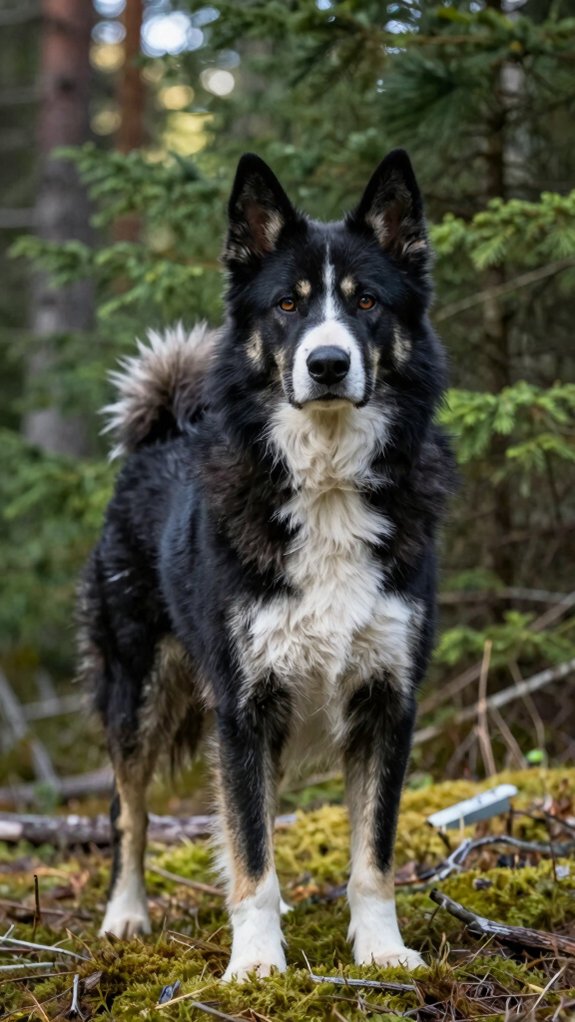
If you’re drawn to the guarding calm of the Tibetan Mastiff but want a bolder hunting heritage, the Karelian Bear Dog brings fearless drive and rugged stamina from Finland’s forests. You’ll appreciate its thick double coat, erect ears, compact strength, and proven ability to pursue large game like bears and moose. Karelian Bear Dog temperament blends independence, loyalty, and protectiveness, so you’ll need consistent Karelian Bear Dog training and confident leadership. You’ll belong to a small group of owners who relish challenge and partnership.
- Expect high endurance and strong prey drive.
- Prioritize early socialization and structured training.
- Provide cold-weather activity and varied exercise.
- Be prepared for a clever, sometimes stubborn working dog.
Chinook
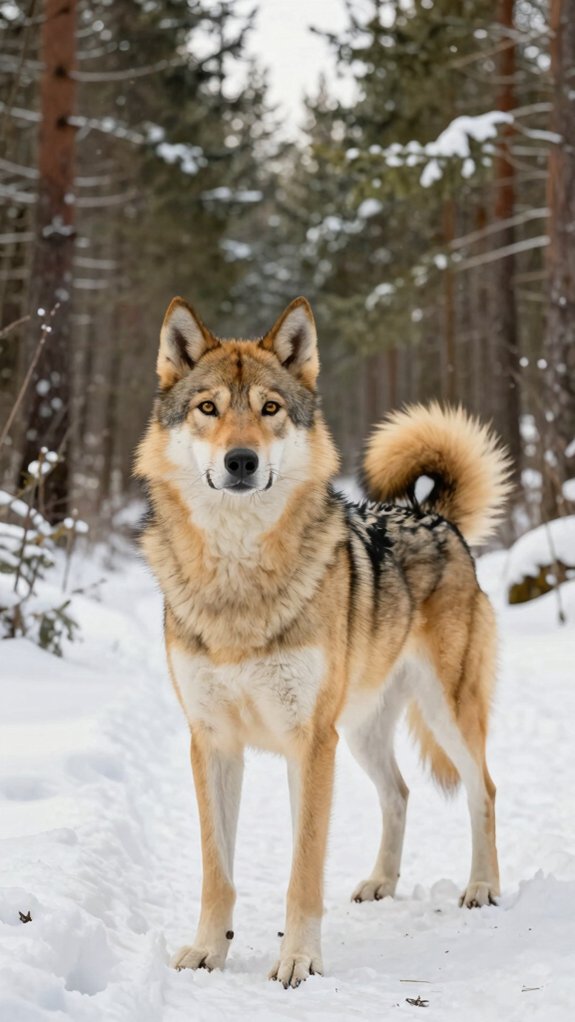
A strong sled dog with a gentle heart, the Chinook was developed in early 1900s New Hampshire for drafting and sled racing and has since become prized for loyalty and family-friendly temperament. You’ll appreciate Chinook history that includes a near-extinction in the 1980s—only 28 remained—followed by a careful resurgence driven by dedicated breeders and owners. Chinook temperament makes them affectionate, steady companions who bond deeply with household members. They have a thick double coat that insulates in cold weather and needs only minimal grooming, though you’ll want to brush during seasonal sheds. Because they’re highly energetic, you’ll provide regular exercise and mental challenges to keep them fulfilled. Bringing a Chinook into your home invites belonging, teamwork, and joyful activity.
Frequently Asked Questions
Do Any of These Breeds Have Hypoallergenic Coats?
Yes — some are hypoallergenic breeds, requiring less shedding and more grooming; they demand regular coat maintenance, consistent trimming, and devoted care. You’ll feel included, informed, and excited to welcome a low-shed companion into your home.
Which Rare Breed Is Best for First-Time Owners?
You’ll find the Lagotto Romagnolo best for first-time owners: it combines friendly temperaments with manageable grooming needs, adjusts well to training, offers steady companionship, and welcomes you into a warm, supportive dog-loving community.
How Long Do These Rare Breeds Typically Live?
Lifespans vary by breed, but you’ll typically see 10–15 years; lifespan variations depend on size and genetics, and health considerations like screenings, diet, and preventative care extend life — you’ll feel supported and confident together.
Are Any of These Breeds Good With Apartment Living?
Yes — several apartment friendly breeds can thrive in small spaces; you’ll love small breed options like the affectionate Japanese Chin or compact Basenji mix, and you’ll feel welcomed by flexible, low-exercise temperaments when socialized.
Can Any of These Breeds Participate in Competitive Dog Sports?
Absolutely — even jousting-era charm aside, you can train many rare breeds for agility competitions and obedience trials; you’ll find some excel with consistent training, social support, and tailored conditioning, so you’ll belong in sport communities.