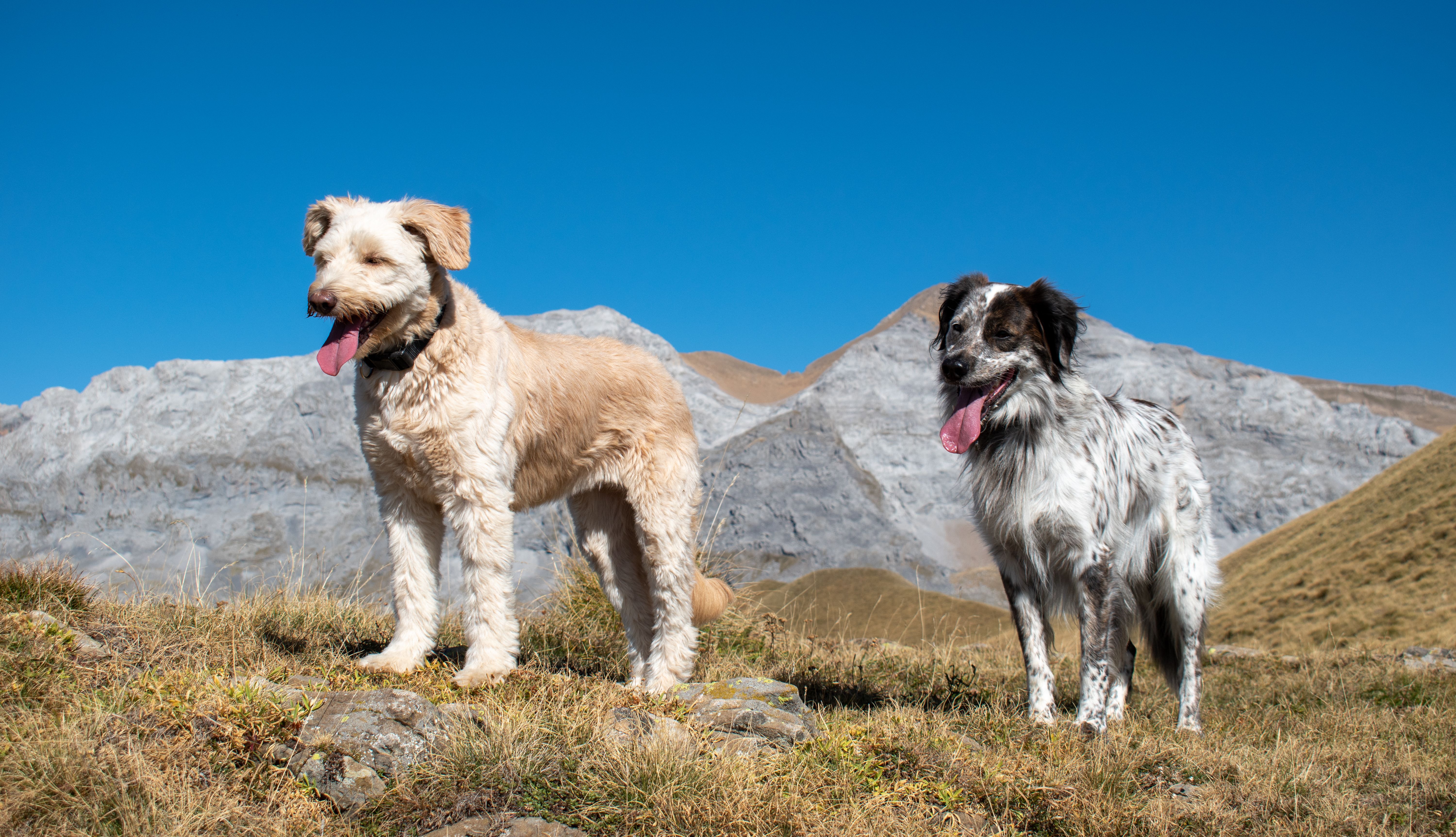
The Spanish Water Dog is a highly energetic dog which will require lots of training, exercise and useful work in the home. This dog will be a great companion with lots of energy and vibrancy. They are a great game dog for retrieving, scent work, walking and herding. You will require to socialise them early on and they will require impulse control. Their woolly coat will form tangles so do not brush them. Tangle free by hand and regularly check their ears, legs and mats. They should go to the vet once a year. Continue to research to see if this versatile working dog would be suitable for your home.
Disclosure: This post may contain Amazon affiliate links, at no extra cost to you. Content on Pawtangle is created with research support from AI tools and carefully reviewed, edited, and fact-checked by the lead author, Dr.Fahri Pat , to ensure accuracy and reliability. Learn more
Key Takeaways
- Spanish Water Dogs are versatile, energetic workers suited to active families who can provide daily exercise and meaningful tasks.
- Plan for at least an hour of exercise daily, combining retrieving, scent games, structured play, and short reward-based training.
- Their upbeat, loyal temperament can suit children, but supervise interactions, respect boundaries, and manage natural herding behaviors.
- The woolly coat forms cords; never brush or comb it, and separate developing cords by hand while checking ears and mats.
- Schedule annual veterinary visits and monitor for hip dysplasia, allergies, glaucoma, and thyroid problems.
Breed History
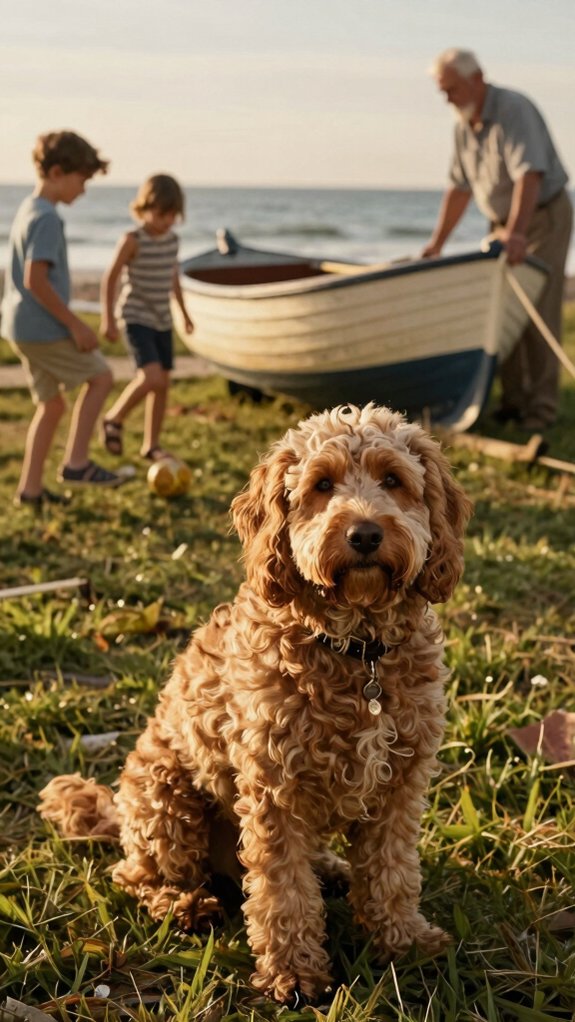
Although there is some debate over their true origins, the Spanish Water Dog is an ancient working breed that has been native to the Iberian Peninsula of Spain.
This is reflected in the dogs characteristics.
It is thought that the dogs may have been brought over from North Africa by the Moors or brought by Turkish traders, hence the old nickname ‘The Turkish Dog’.
This breed was used by farmers to help herd stock, catch waterfowl and sometimes help fishermen.
By welcoming a Spanish Water Dog into your home you are continuing a long tradition of versatile and willing workers.
Unique Curly Coat
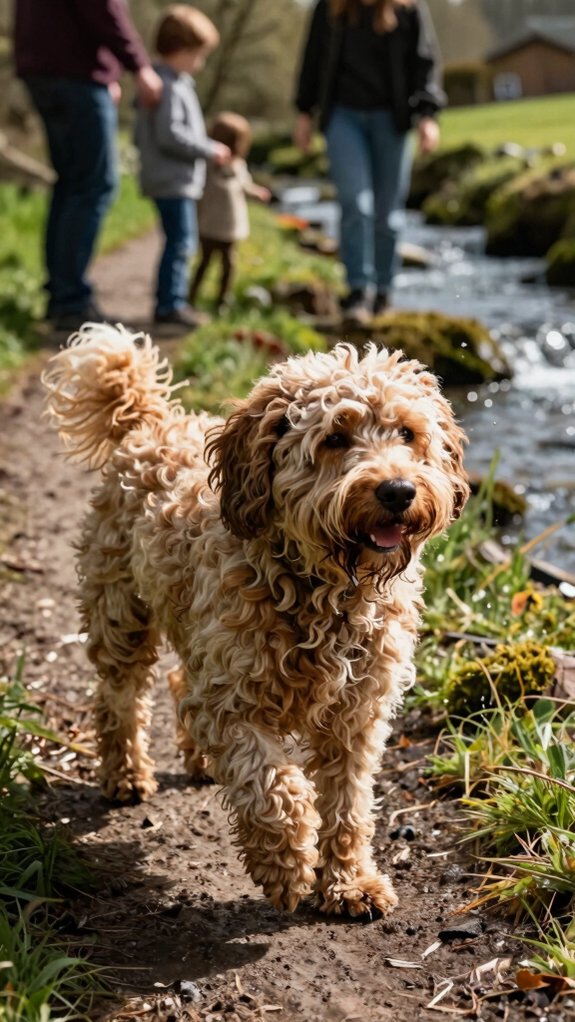
The same spirit is shown in the Spanish Water Dog’s unique coat. The single coat is wooled and will grow into cords. These cords help to protect your dog and keep them buoyant in water. The trapped air also helps to cool.
You will learn how to get the best cords from your dogs coat.
Start early with your cord training. Don’t brush or comb.
Detangle carefully until you reach the skin.
Check daily around the ears and hind legs for any mats.
Keep the coat even, puppies will require more patience as they will easily mat.
By continuing to care for your dog you will preserve the cord structure and ensure they look and work like a true water working companion.
Personality and Temperament
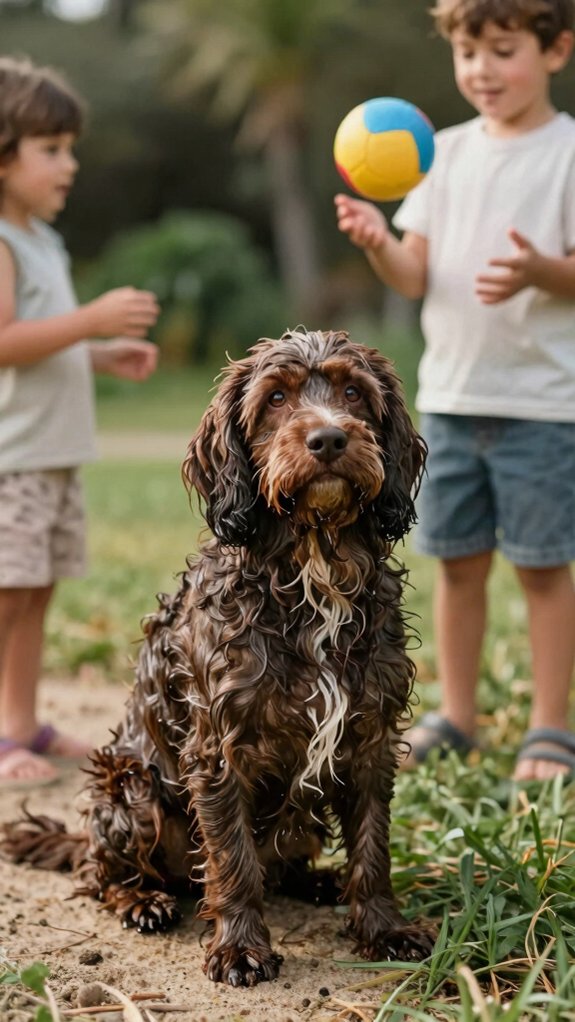
The Spanish Water Dog is a happy, lively and intelligent dog. They will thrive with daily exercise, training and an active purpose.
They are playful, eager to please and very responsive to your family.
Their Temperament with children can be very affectionate and patient. They should be monitored and children should be taught to respect their space.
Their herding nature can cause them to circle or lead members of your family who are moving around.
Socialise with strangers from a young age. Introduce them calmly and reward positively.
As they may be wary of strangers, it is best to gently introduce them and never force them to interact.
Interactions with other dogs can be managed. Monitoring will help to avoid any unwanted herding or chasing behaviours.
Exercise Requirements
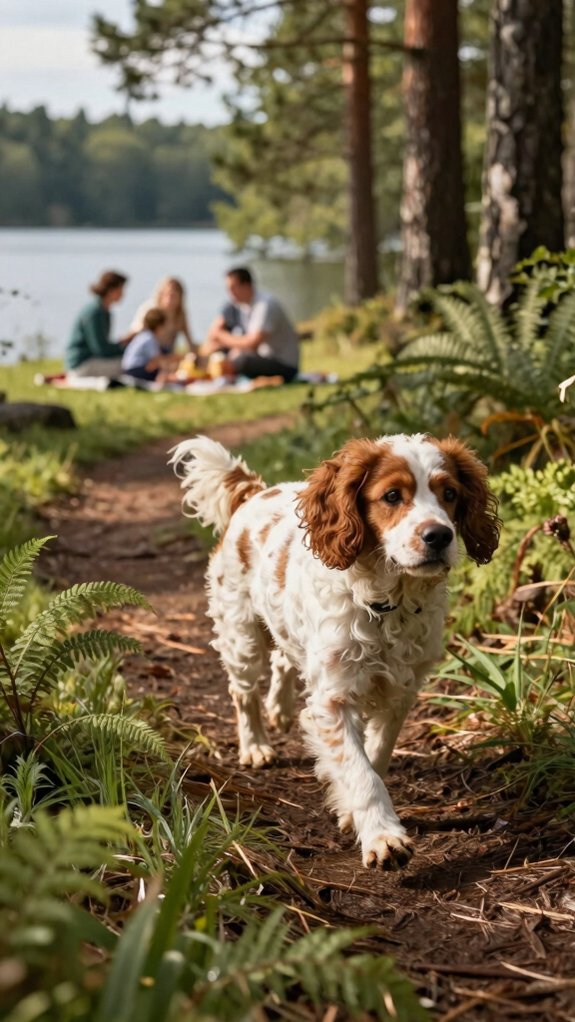
The Spanish Water Dog needs at least one hour of exercise a day. Many will cope well with more. Try to include physical and mental elements to their exercise, as this intelligent working breed requires an occupation to be happy.
To fit around your family’s schedule:
- Use structured play, fetch games, scent games and simple herding.
- Add a brisk walk or run in when they have improved their fitness.
- Have short training sessions.
Puppies should have light exercise and short walks. Do not force them to run as their bones are still growing. Once they are mature you can slowly increase the length and intensity of walks.
Grooming Without Brushing
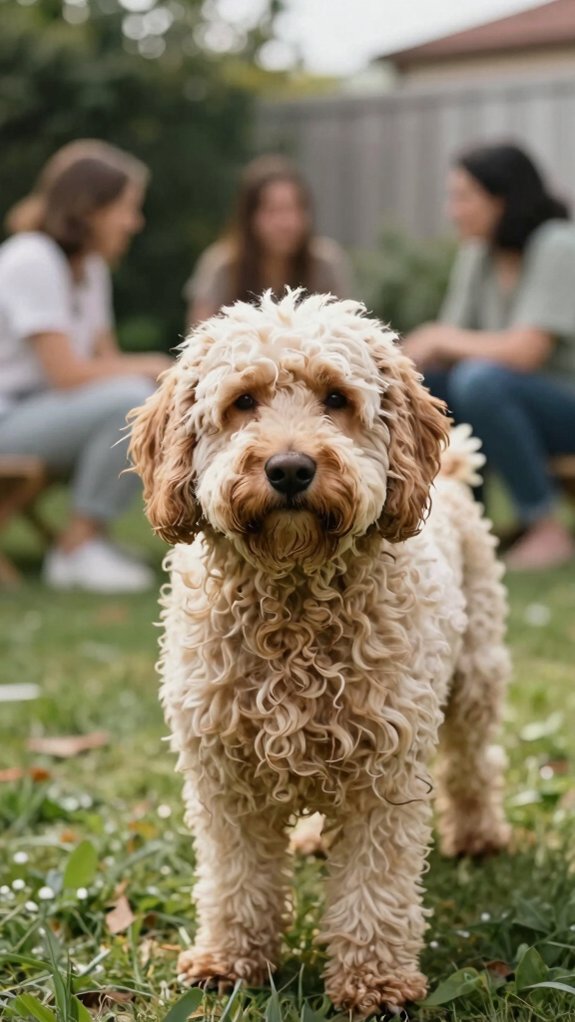
Brushing can cause damage to the cords of this breed so it is best to hand-strip. It is important to regularly separate the cords and hand-strip them. If necessary split new cords down to the skin.
Be prepared for a long period of cording (especially when it is fully grown). Try to prevent matting in areas such as around the rear legs and behind the ears. Ensure you make ear care a priority. Check for any trapped debris.
If the coat has become matted from brushing then wash with cool water and allow to dry naturally. This will help restore the curls.
Intelligence and Trainability
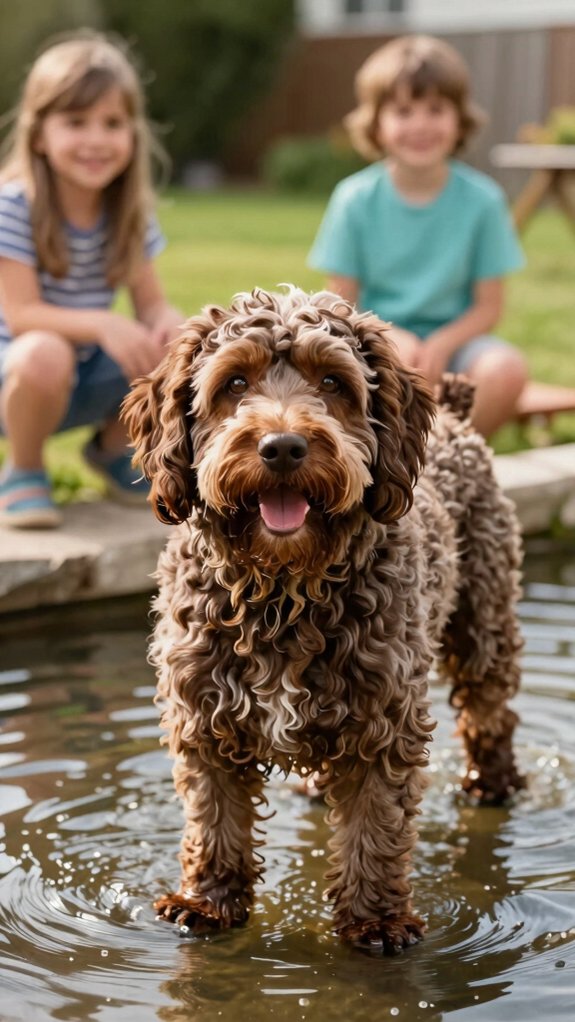
This intelligent and driven dog will learn new skills quickly when training is kept fun and meaningful. Positive reinforcement will help keep them motivated and they usually love to please. Avoid using negative corrections as this can decrease motivation and increase reactivity.
Use short clicker training sessions to teach:
- Obedience games to teach focus, waiting and calmness.
- Scent work or retrieving to keep their high stimulation needs met.
- Use positive recalls and start them off safely as a puppy.
Teach impulse control from an early age to help control herding instincts and stop them from chasing.
Ensure they have lots of positive experiences with new people and environments to build their confidence.
Keeping things consistent will help you become a trusted training team.
Family Life
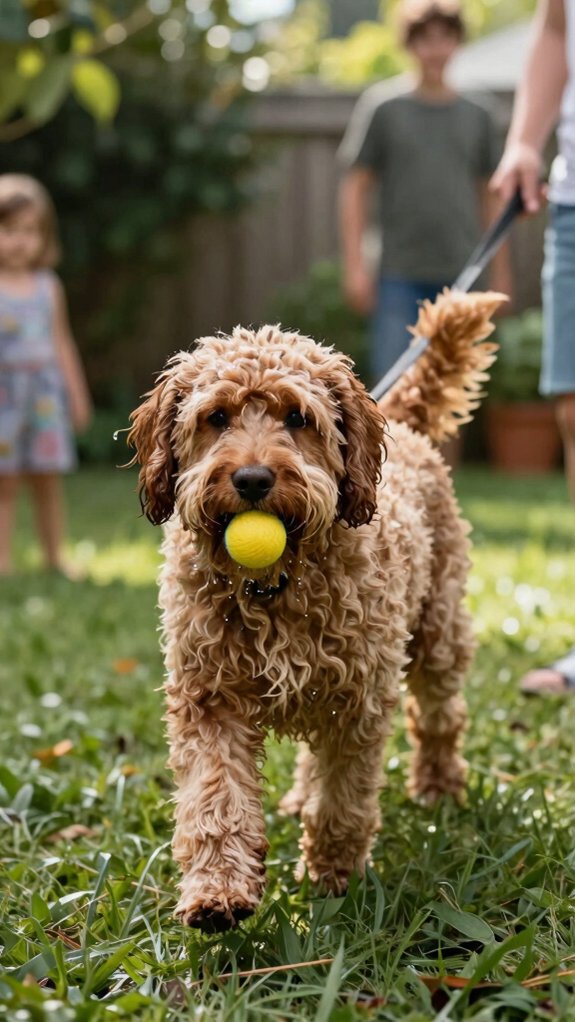
Spanish Water Dogs are fun and sociable and often form strong bonds with you. With a good amount of walking, playing and training, they will feel like they are part of the family. They will need around an hour of exercise per day and regular mental stimulation.
When playing with children, always introduce them slowly and supervise. Positive redirection will help you manage your dog whilst herding children. If your dog is trying to herd children that are running around, then redirect them. You should also teach them to take breaks so they can relax. Puppies can get grumpy and nip if they are tired.
| Family need | Helpful approach |
|---|---|
| Daily activity | Walks and games |
| Mental exercise | Puzzles and training |
| New visitors | Calm introductions |
| Child safety | Supervised play |
Consistent socialization helps your cautious dog welcome household guests.
Working Dog Instincts
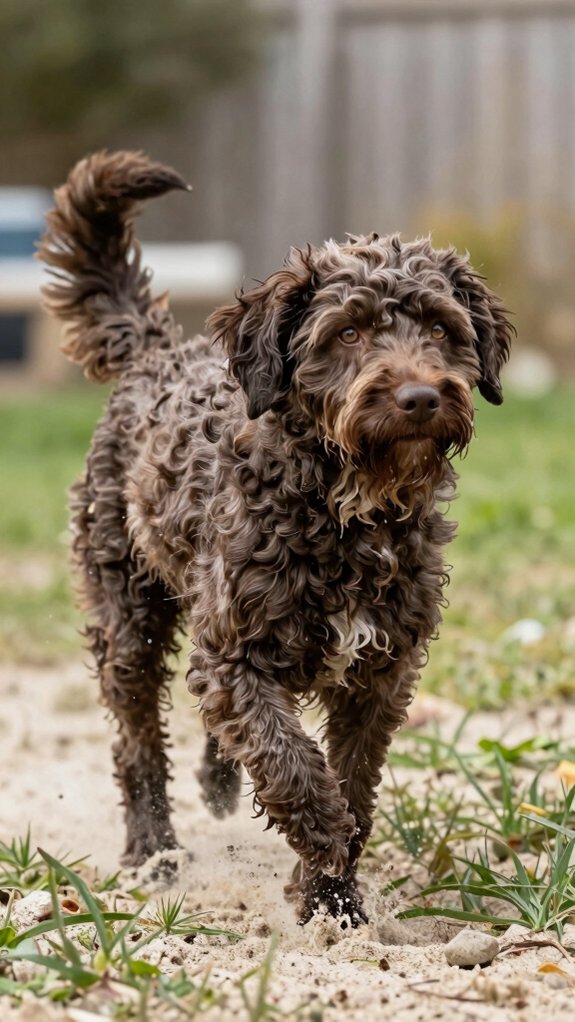
Spanish Water Dogs are an active breed who have a strong desire to please, therefore they require more than just a daily walk to be satisfied.
Provide them with brain and physical activities such as puzzle toys, scent games, swimming and simple tasks.
With good instinct control, your family can enjoy the natural abilities they have.
Train them to respond to recall and lead on a lead from an early age.
Turn herding instincts into toy herding and reward them for making calm choices.
Keep them under control when outside, particularly near roads, livestock and unknown visitors.
At around 8 months old they may begin to bark at new noises and be protective of areas.
Remain calm, set clear boundaries and reward them for being quiet.
With consistent guidance you will create a focused team mate.
Health Concerns
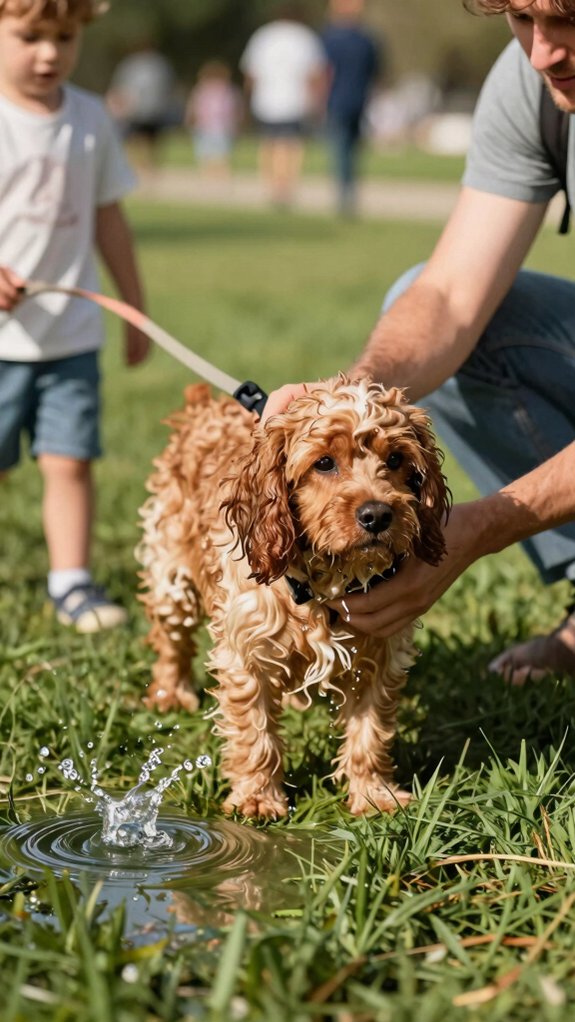
A healthy Spanish Water Dog can be very active, but regular health checks are important.
Plan preventative healthcare by visiting the vet once a year. Regular check-ups will help identify any hip dysplasia, allergies, glaucoma or thyroid issues.
Ask the breeder for evidence of health screening on the parents.
Ask them to confirm that they have a health screening plan in place. This should include hip screening, eye screening (such as gonioscopy for PLA) and DNA screening.
Ask them what diseases they tested for, particularly if you have obtained your dog from an open registry or unvetted source.
Regularly check your dog’s ears for signs of infection. Brush their teeth daily to reduce dental issues.
Working with your veterinary team will help your family notice any changes early and ensure your dog has a comfortable time on their adventures.
Is This Breed Right for You?
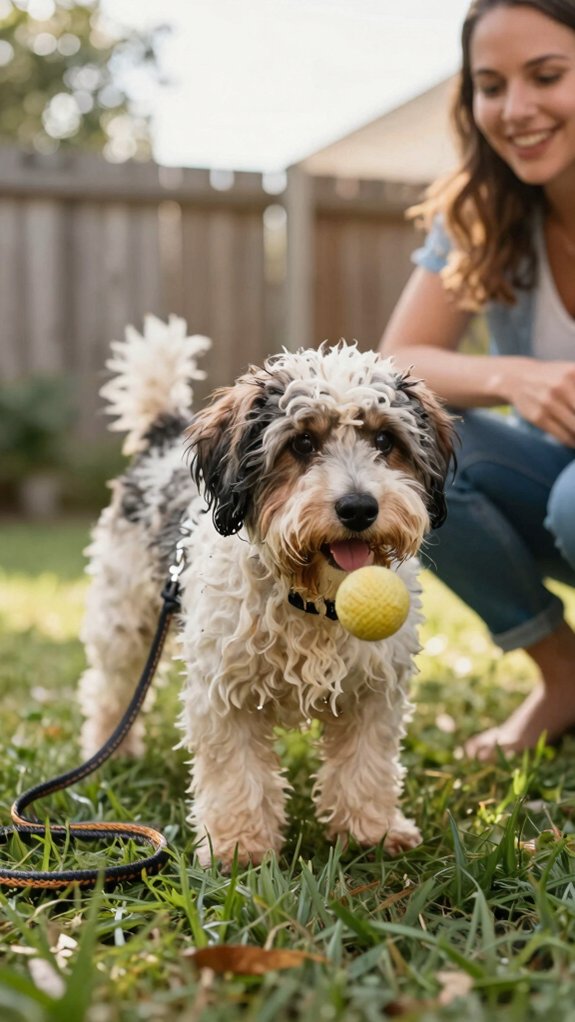
If you are searching for a laid-back dog who will need very little exercise, the Spanish Water Dog may not be the best choice. The Spanish Water Dog will fit into your lifestyle if you can give them at least 1 hour of exercise, training and mental stimulation per day.
They will need lots of structured activities.
This could include agility, scent, retrieving or herding.
Regular socialisation and positive reinforcement training will also be needed.
If you enjoy an active lifestyle with your dog then this breed would be a good choice.
They have a curly coat so will need regular grooming.
Consider your experience level and how patient you are.
As they are a member of your family, you will want to make sure they feel they have a purpose, are being led and included.