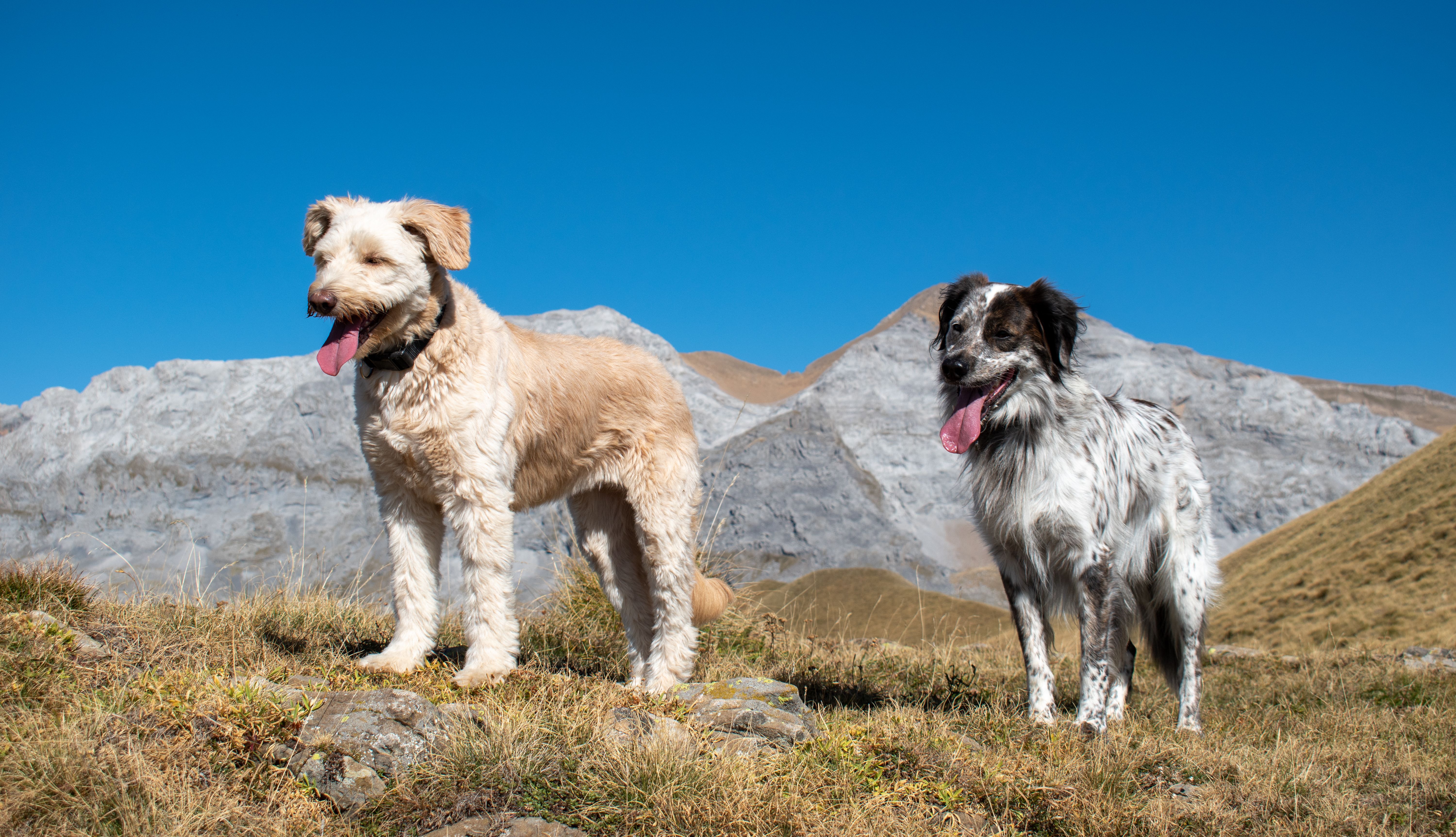
The Spanish Water Dog suits an active family that can provide at least an hour of daily exercise, training, and useful tasks. You’ll get a bright, playful partner for retrieving, scent games, hiking, or herding practice, but you’ll need early socialization and impulse control. Its woolly coat forms cords, so don’t brush it; separate cords by hand and check ears, legs, and mats often. Plan yearly veterinary visits and keep exploring whether this versatile worker fits your home.
Disclosure: This post may contain Amazon affiliate links, at no extra cost to you. Content on Pawtangle is created with research support from AI tools and carefully reviewed, edited, and fact-checked by the lead author, Dr.Fahri Pat , to ensure accuracy and reliability. Learn more
Key Takeaways
- Spanish Water Dogs are versatile, energetic workers suited to active families who can provide daily exercise and meaningful tasks.
- Plan for at least an hour of exercise daily, combining retrieving, scent games, structured play, and short reward-based training.
- Their upbeat, loyal temperament can suit children, but supervise interactions, respect boundaries, and manage natural herding behaviors.
- The woolly coat forms cords; never brush or comb it, and separate developing cords by hand while checking ears and mats.
- Schedule annual veterinary visits and monitor for hip dysplasia, allergies, glaucoma, and thyroid problems.
Breed History
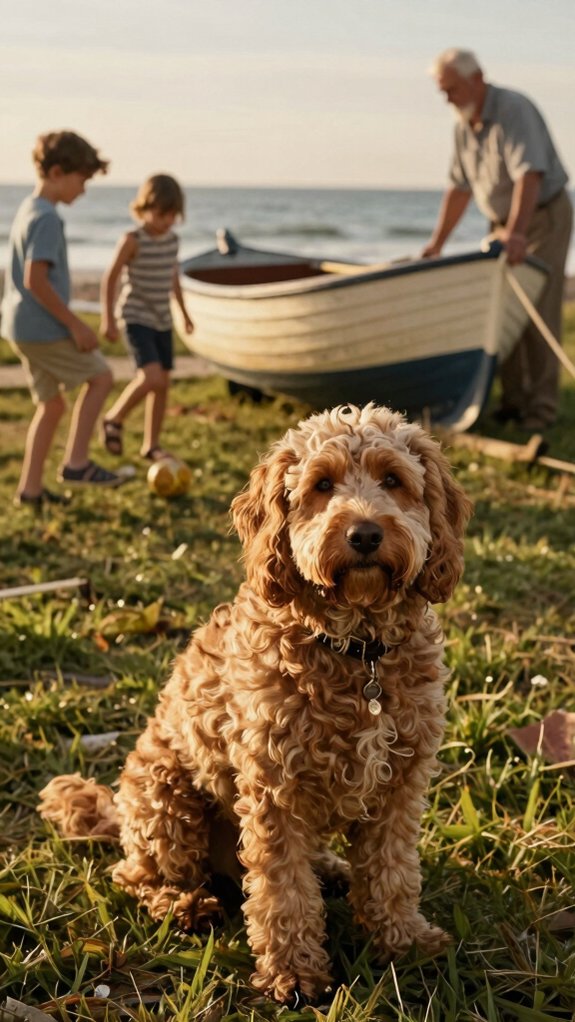
Although the Spanish Water Dog’s exact origins remain debated, it’s an ancient working breed from Spain’s Iberian Peninsula, where it became a familiar sight around lakes, meadows, and farms.
These Iberian origins help explain why you’ll find a dog built for practical work and close partnership.
Migration theories offer two main possibilities. The Moors may have brought early dogs from North Africa, or Turkish traders may have introduced them, inspiring the old nickname “The Turkish Dog.”
Farmers relied on this breed to herd livestock, retrieve waterfowl, and sometimes assist fishermen.
When you welcome one today, you join a long tradition of versatile, willing workers.
Unique Curly Coat
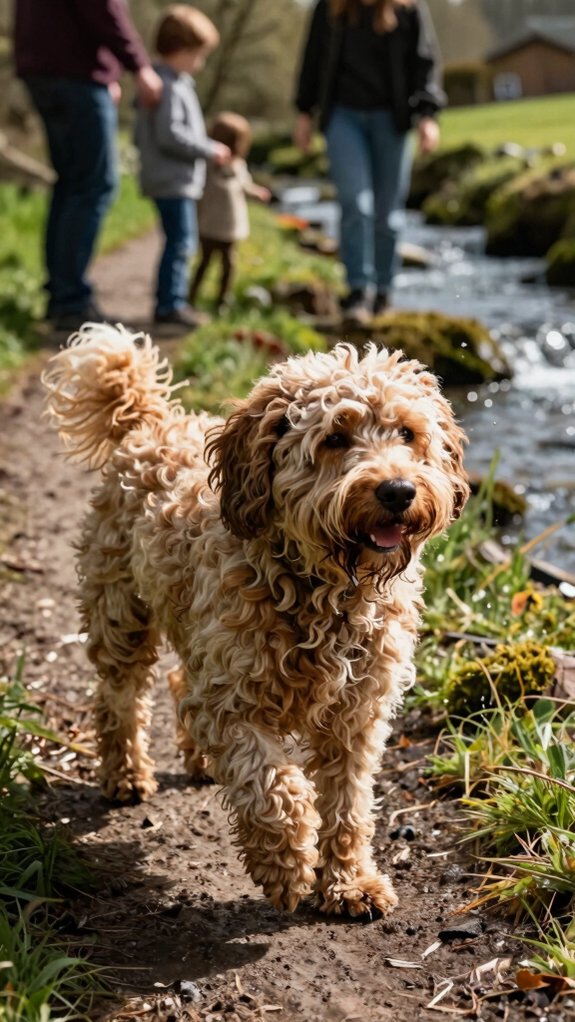
That same working spirit shows up in the Spanish Water Dog’s unique curly coat. Its wooly single coat grows into tapered cords, helping protect and keep your dog buoyant in water while trapped air helps with cooling.
You’ll learn these cord development basics:
- Start early cording training, and never brush or comb.
- Separate wisps carefully down to the skin.
- Check behind ears and rear legs daily for mats.
Keep the coat one length all over, and expect puppies to need extra patience because their coats mat easily.
With steady care, you’ll protect the cord structure and help your dog look and function like a true water-working companion.
Personality and Temperament
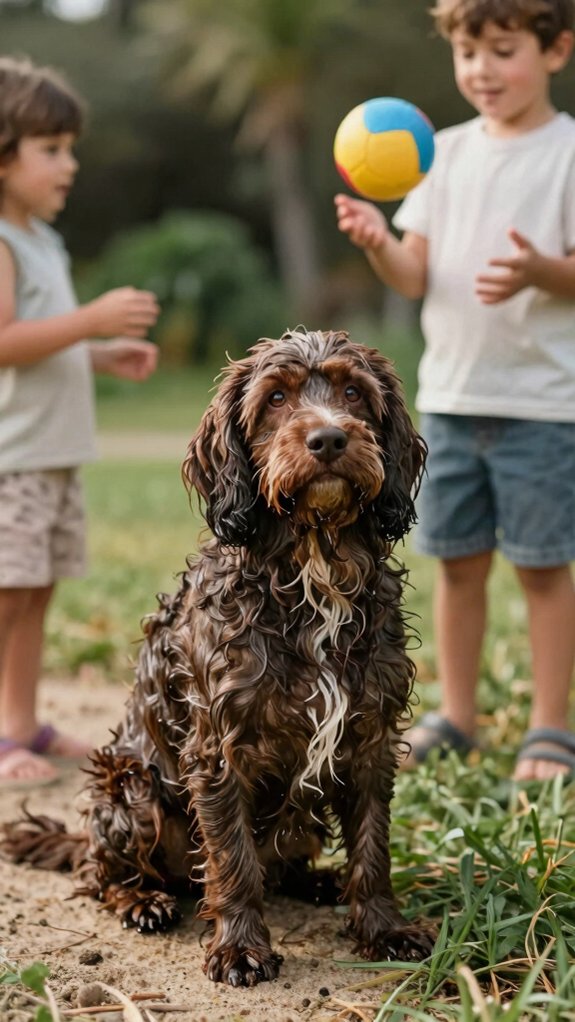
Spanish Water Dogs are upbeat, bright, and ready to work, so they thrive when each day includes exercise, training, and a useful task.
You’ll find them playful, keen to please, and closely tuned to your family.
Their Temperament with kids can be loving and patient, but supervise interactions and teach children to respect boundaries.
Herding instincts may lead your dog to circle or guide moving family members.
Start stranger socialization in puppyhood with calm introductions and positive rewards.
Because your dog may stay watchful around unfamiliar people, guide meetings gently and never force contact.
Manage interactions with other dogs, since supervision helps prevent misdirected herding or chasing.
Exercise Requirements
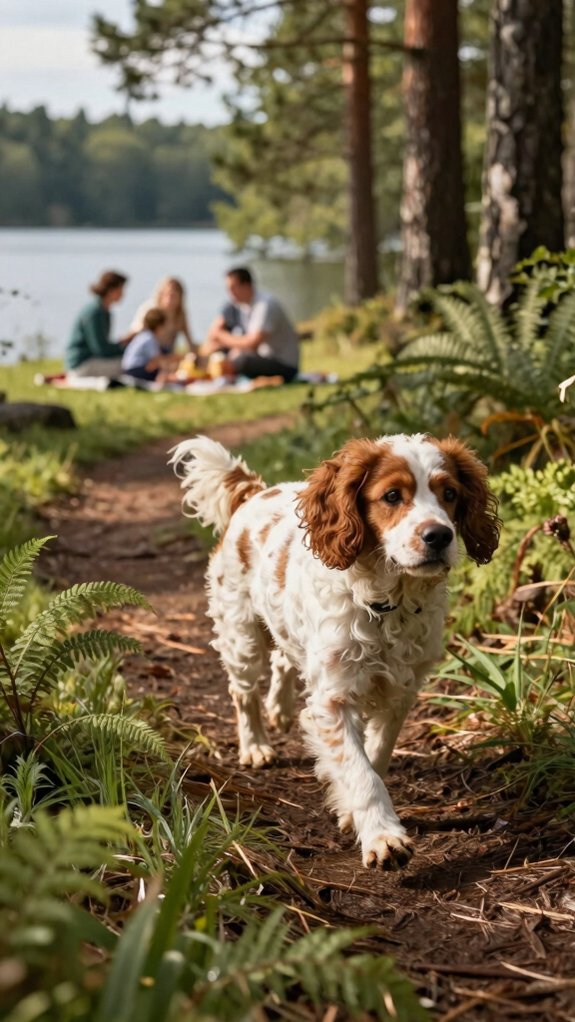
A Spanish Water Dog needs at least an hour of exercise each day, and many can handle more when their age and fitness allow it. Mix movement with mental work, because this bright working breed needs a job to stay content.
Try activities that match your family’s rhythm:
- Use structured play, retrieving, scent games, or simple herding tasks.
- Add a brisk walk or run once your dog has built fitness.
- Include short training sessions to keep focus fresh.
For puppy exercise, choose gentle play and brief walks, avoiding forced running while bones grow. After maturity, you can gradually add longer, more strenuous outings together.
Grooming Without Brushing
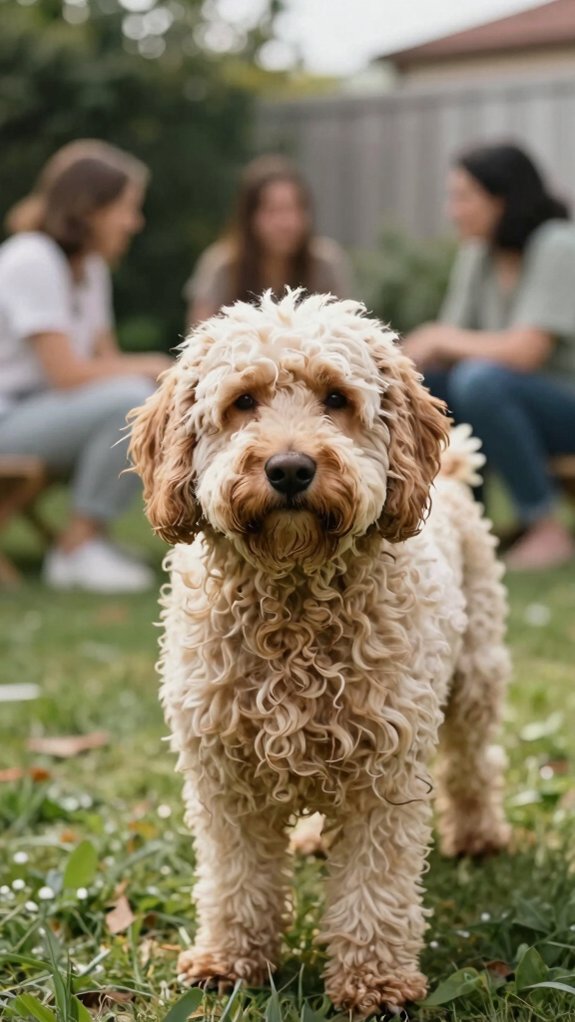
Because brushing can break the Spanish Water Dog’s cord structure, grooming relies on your hands instead of a brush or comb. Your daily routine should include cord separation and gentle hand maintenance, splitting developing cords down to the skin when needed.
Plan for many months of cording, especially during full growth. Focus on high mat prevention around the rear legs and behind the ears, where tangles form easily. Make ear care priorities part of each session, checking for trapped debris and keeping the area organized.
If brushing has blown the coat, bathe it in cool water, then let it air-dry naturally so curls can return.
Intelligence and Trainability
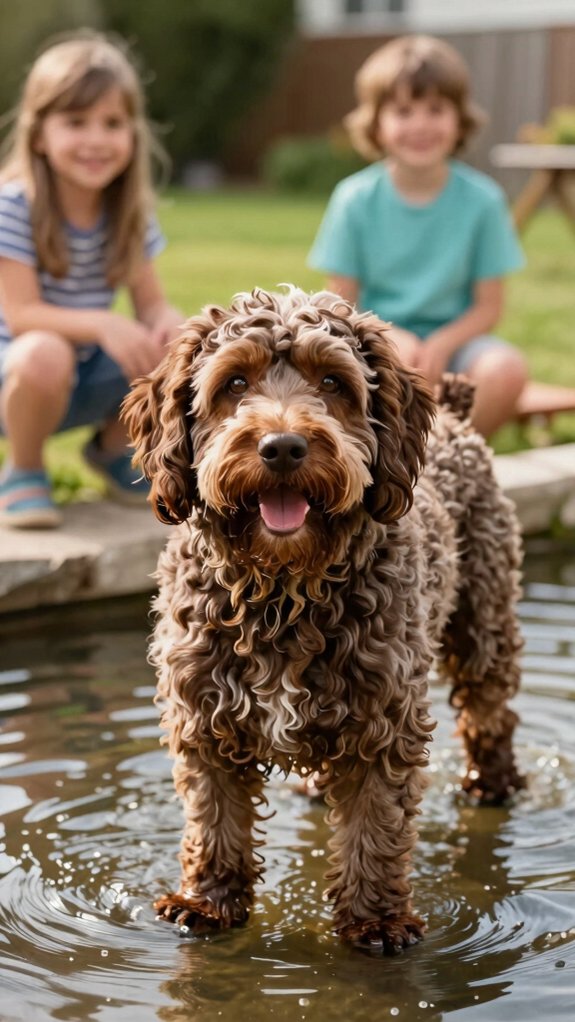
When training stays fun and purposeful, this highly smart, work-oriented dog learns new skills quickly and usually enjoys pleasing you. Use reward-based lessons, because harsh corrections can lower enthusiasm and increase reactivity.
Build Clicker training plans around short sessions, then practice:
- Obedience games that teach focus, waiting, and calm responses.
- Scentwork or retrieval tasks to meet high mental stimulation needs.
- Recall practice with rewards, starting safely from puppyhood.
Teach impulse control early to guide herding instincts and prevent chasing.
Give your dog positive experiences with strangers and varied places, so confidence grows and wariness doesn’t limit learning.
Consistency helps you become a trusted training team.
Family Life
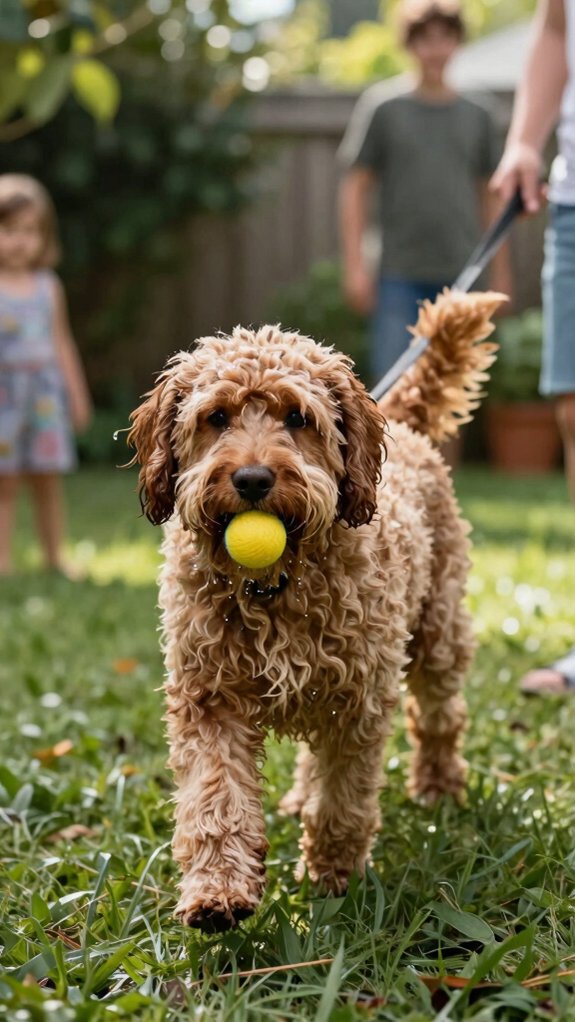
With their upbeat, people-focused nature, Spanish Water Dogs often become close companions who want to join family activities. You’ll build belonging through walks, games, and training, plus about an hour of daily exercise and steady mental challenges.
With kids, use supervised introductions and always monitor play. Positive redirection supports child herding management, especially if your dog tries to round up running children. Teach calm breaks, too, since tired puppies may nip when bothered.
| Family need | Helpful approach |
|---|---|
| Daily activity | Walks and games |
| Mental exercise | Puzzles and training |
| New visitors | Calm introductions |
| Child safety | Supervised play |
Consistent socialization helps your cautious dog welcome household guests.
Working Dog Instincts
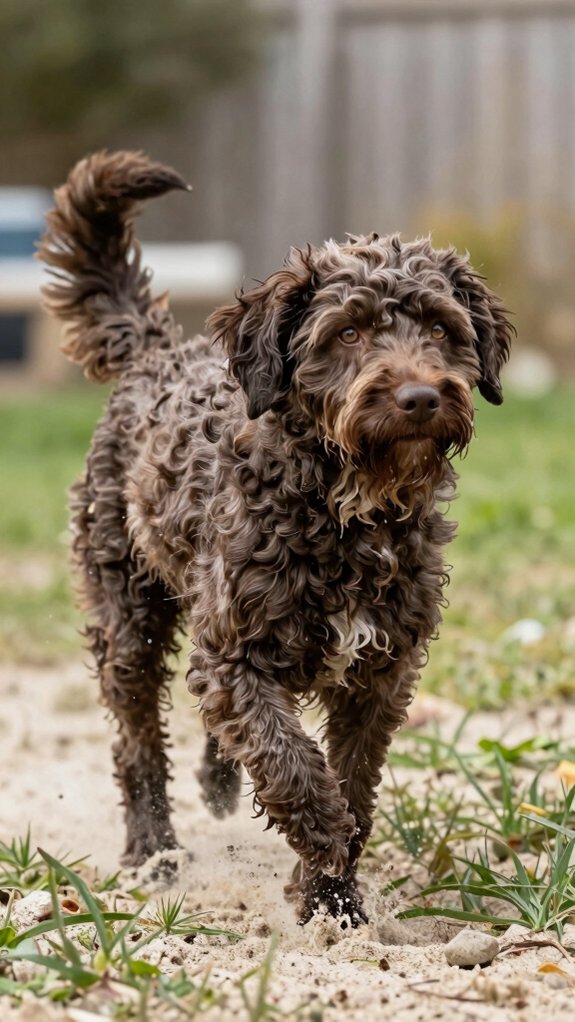
Spanish Water Dogs are active working partners with a strong desire to please, so they need more than a daily walk to feel satisfied.
Give your dog puzzles, scent games, swimming, and simple jobs that use both body and mind.
Good instinct management helps your family enjoy those natural talents:
- Practice recall and leash skills through early training, before chasing becomes a habit.
- Redirect herding from children to toys, then praise calm choices.
- Supervise outdoors, especially near roads, livestock, and unfamiliar visitors.
Around eight months, your dog may bark at new sounds or guard spaces.
Stay calm, set clear boundaries, and reward quiet behavior.
With consistent guidance, you’ll build a focused teammate.
Health Concerns
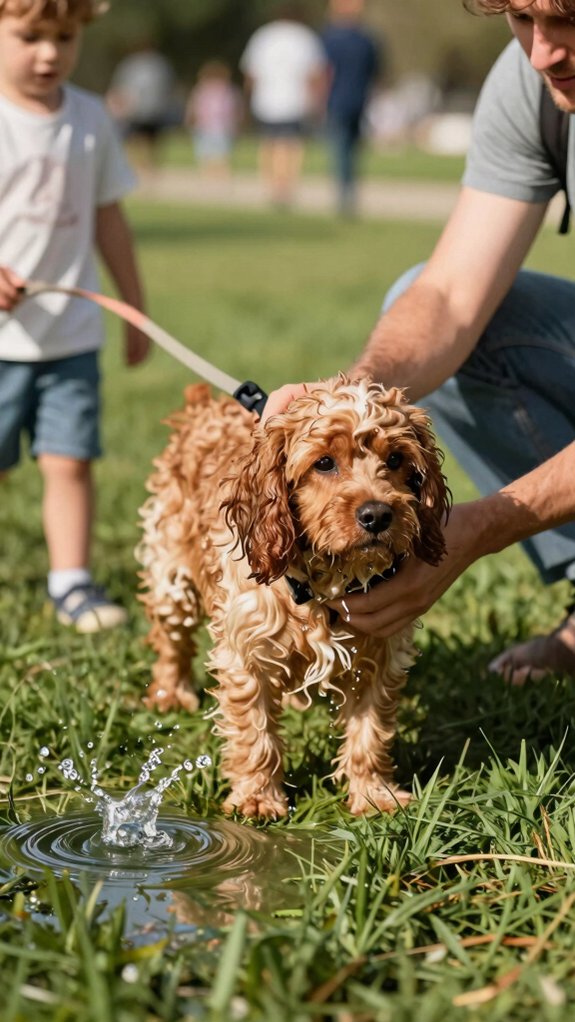
A healthy Spanish Water Dog can stay active for years, but regular checks still matter.
Build preventive care planning around yearly veterinary visits, watching for hip dysplasia, allergies, glaucoma, and thyroid problems.
Ask breeders for copies of parent health results, not promises based on looks.
Confirm hereditary testing schedules include hip evaluations, eye exams such as gonioscopy for PLA, and DNA testing for prcd-PRA.
Ask which diseases they tested for, especially with open-registry or unvetted sources.
Check your dog’s ears often for infection, and brush teeth ideally every day to limit dental trouble.
Working with your veterinary team helps your family spot changes early and keep adventures comfortable.
Is This Breed Right for You?
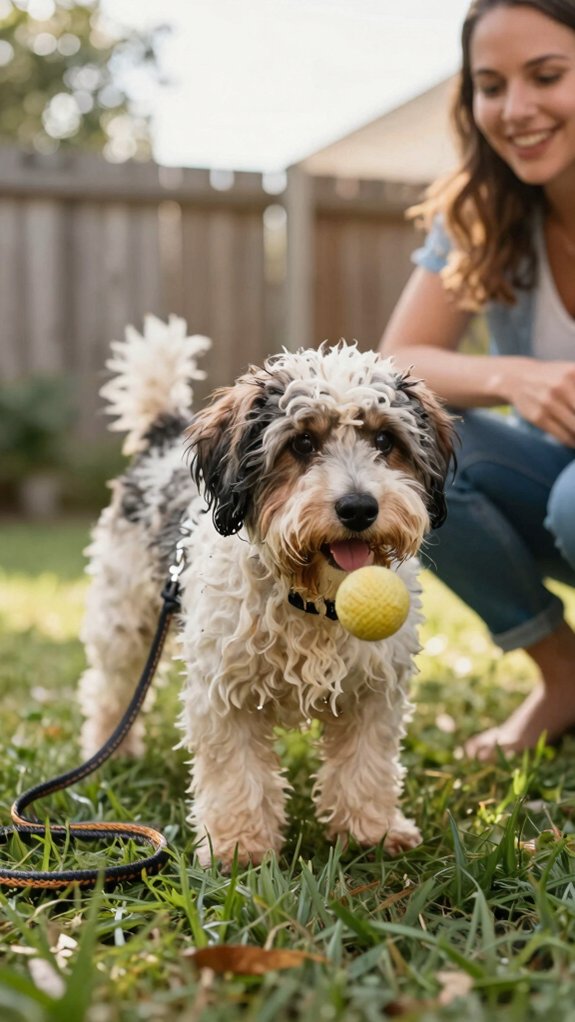
If you’re looking for an easygoing dog that needs little daily activity, the Spanish Water Dog probably isn’t the best match. Your Lifestyle fit depends on whether you can provide at least an hour of exercise, training, and mental work every day.
Your daily routines should include structured activities, such as agility, scent games, retrieving, or herding.
You’ll also need steady socialization and reward-based training.
- Choose this breed if you enjoy active days together.
- Plan for a curly coat and frequent grooming care.
- Check your experience needs and patience level before committing.
With belonging comes responsibility: help your dog feel useful, guided, and included.