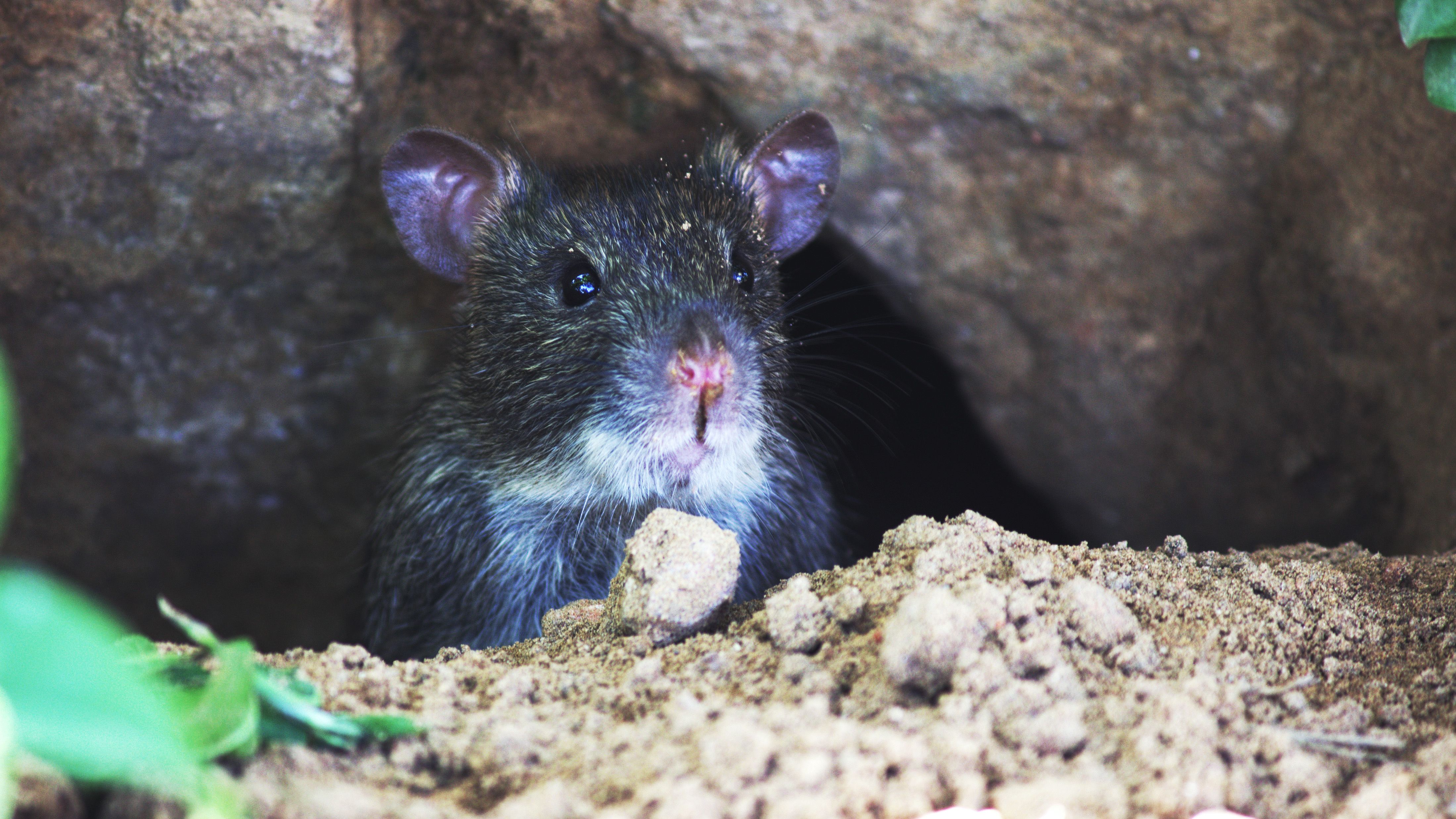
A rat cage can still be quite boring with lots of toys. If they have hammocks in all the corners there will be no digging area. A tall cage may not be useful if there are awkward ramps and the bottom is crowded. The best rat cage ideas will consider how pet rats naturally behave. They like to explore the edges, nest build, climb, forage and choose when to be near to their friends.
Disclosure: This post may contain Amazon affiliate links, at no extra cost to you. Content on Pawtangle is created with research support from AI tools and carefully reviewed, edited, and fact-checked by the lead author, Dr.Fahri Pat , to ensure accuracy and reliability. Learn more
Rather than recreate a perfect looking cage, try to set up your birds’ cage to include 5 basic activities: digging, sleeping, climbing, searching and socialising. This will help you decide on what items you need to put inside and how to arrange them. You can also see any unnecessary items that are taking up space but won’t make much of a difference.
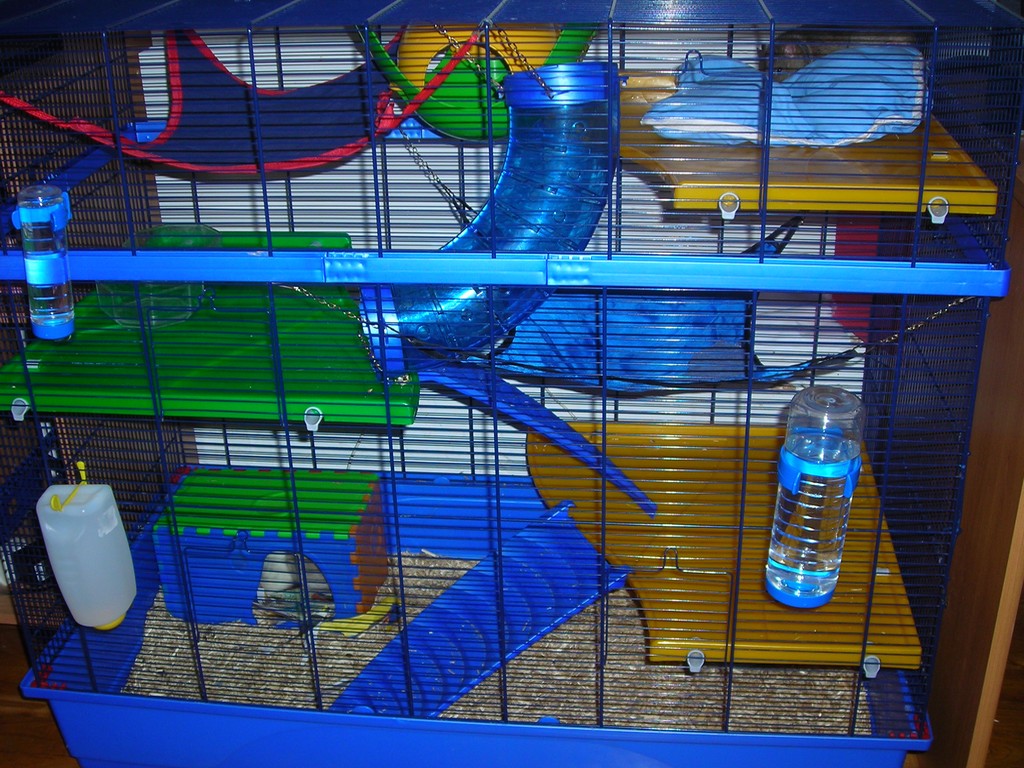
Plan the Cage Around Five Everyday Activities
Before purchasing any accessories, it is best to draw up a rough plan of the cage and work out where you’re going to put them. You don’t need to have solid partitions but they should help to give your rats lots of choices whilst also leaving the main travel paths clear.
- Digging and nesting: A deep layer of suitable bedding and loose nesting material.
- Resting: Enclosed shelters and quiet sleeping spots at more than one height.
- Climbing: Stable platforms, ramps, and secure routes between levels.
- Foraging: Safe places to find and manipulate portions of their regular food.
- Social choice: Multiple resting places, feeding opportunities, and routes that let rats move away from one another.
This is an important thing to think about in communal living. Although rats are a social animal you shouldn’t make them have 1 hide, 1 feeding area and 1 small tunnel to get around. It is important to have a good layout so that the can still have social interaction but can also have their own relaxation areas.
Make the Floor a Place to Explore, Not Just Stand On
The bottom of a multi-level cage can be an area that gets overlooked. This area needs to provide more than just a thin layer of bedding beneath the shelves. Rats like to explore, dig, manipulate items and make nests.
Pick an enclosure with a heavy base. It should include a deep area where your guinea pig can dig naturally. One side can have a deeper area while the rest is a shallower section for them to easily move around in. The sides should be tall enough to stop your guinea pig digging out of their bed.
Bedding must be safe, absorbent, low in dust and have no added scents. Paper based bedding and some wood based bedding may be used. Different organisations will give different advise on what bedding is best to use. Check what type of bedding is being used, what the manufacturer says it is suitable for and check what current advise from an experienced rat vet is. Not all small animal bedding is safe to use.
- Provide a dedicated digging area instead of covering the floor with only a thin layer.
- Offer suitable paper strips or other safe nesting material.
- Remove damp or contaminated bedding promptly.
- Avoid dusty sawdust, scented bedding, and fluffy fibers that can wrap around limbs.
- Check for mold, persistent dampness, and strong ammonia odors.
The RSPCA provide guidance on rat housing that suggests a deep layer of appropriate bedding and warns against dusty and aspen bedding. Other resources regarding rat care may differ with regard to certain substrates. Always follow the guidance associated with your location and substrate choice. If your rats begin to have respiratory issues or skin problems then please consult your vet.
Build Climbing Routes That Make Sense
A tall cage will give them plenty of climbing areas to play on providing there are good areas to move between levels. If there is a shelf that can only be accessed by a wobbly rope or a platform with a steep fall down then this can become a danger.
Imagine the housing as providing a path to move around. The rat should be able to move from the bottom area to sleep area, explore the platform and return without having to jump across large spaces or go through narrow awkward areas.
- Use stable ramps with suitable grip.
- Secure platforms so they cannot tilt or detach.
- Position resting hammocks below higher areas where practical.
- Keep routes open instead of filling every platform with toys.
- Inspect all clips, ropes, and fabric for chewing damage and loose threads.
Some plastic and wooden parts can be bitten by rats. Periodically check your cage and any extras for damage. Replace any damaged parts before they become dangerous with sharp edges, fray or create any escape holes.
Give Every Rat a Choice of Hiding Places
Hides provide shelter for your rat. They can use them as sleeping quarters, nesting areas, hiding places and give them a break from activity. Having multiple places to rest will give your rat more options than having a large shelter.
Provide a variety of hiding places such as boxes (cardboard ones will do if clean), tunnels and shelters. Large cardboard tubes can be useful. Ensure that they are clean and safe and replace any that become damaged or dirty. Where possible provide shelters with multiple escape routes so that a rat doesn’t feel cornered if another animal enters the shelter.
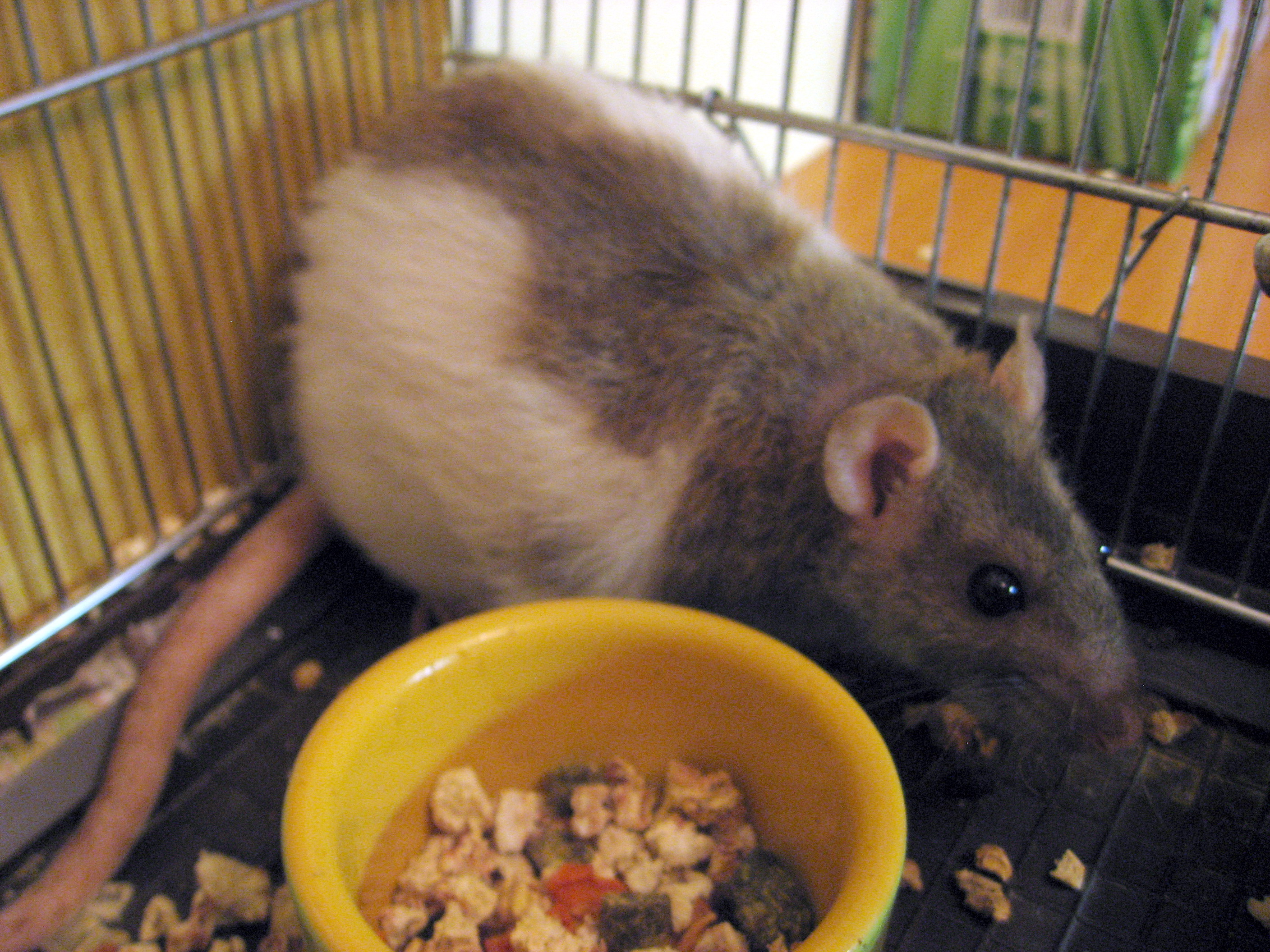
The RSPCA recommend having extra shelters so you have more than the number of rats. Ideally add 1 additional shelter. This allows them to have somewhere to hide and gives choice. So if there are three rats you should have a few good choices.
- Place hides in both quieter and more active parts of the enclosure.
- Provide enough shelter for rats to rest together if they choose.
- Avoid structures with sharp edges or gaps that can trap feet.
- Keep nesting materials separate from materials that can unravel into long strands.
- Watch for repeated blocking of entrances or competition over one preferred shelter.
Turn Feeding Time Into a Foraging Activity
Rats are natural explorers and will always look around for food. By providing some of their daily food allowance in an interesting way to forage for, rather than just all in one bowl it adds variety to their daily routine. It also means they have a task to do without having to buy any expensive puzzle toys.
Give them some appropriately sized bits to scatter around in clean bedding, or a couple of pieces hidden in a cardboard tube, or food in multiple safe places. Keep it simple so all your rats can join in, and don’t hide any perishable foods so they get forgotten about and go off.
- Use part of the regular daily food allowance for foraging.
- Provide multiple feeding points for groups of rats.
- Use clean cardboard tubes and boxes as simple food-search activities.
- Check hiding places daily and remove leftover fresh food.
- Observe whether one rat consistently prevents another from accessing food.
Offer foods that will stimulate their natural instincts to forage by providing them with scattered meals. Hide some of these foods away in safe spots. Enrichment should be a daily activity and not simply additional treats of high fat or sugary foods.
Choose Materials That Stay Safe After Chewing
As chewing is a natural behaviour for rats, it is important to consider this when choosing the right cage. Some cheap accessories will be very useful as they can be chewed up and played with, but some items can become dangerous.
- Cardboard: Useful for disposable tunnels, boxes, and simple foraging activities when free from staples and hazardous coatings.
- Fabric hammocks: Check frequently for loose threads, holes, and unraveling seams. Remove damaged fabric before it can catch toes or claws.
- Plastic accessories: Inspect for sharp chewed edges and broken fragments.
- Wooden structures: Use suitable, untreated materials and check for splinters or chewing damage.
- Metal fixtures: Make sure clips and chains cannot trap toes, claws, or teeth.
A useful rule is to inspect anything that can be chewed, pulled, unraveled, or detached. Replace unsafe items instead of waiting until the next scheduled cage clean.
Make Cleaning Part of the Design
Although a complex cage would look great to photograph it will be hard to clean. Rats do urinate and might leave food in strange places so it is important that you can easily get into all areas of the cage to check.
Use any detachable platforms and accessories available. Avoid any design which means bedding is trapped under heavy equipment and is therefore unable to be checked. Ensure water based items are easily accessible and do not spill onto the main nesting area.
- Check bedding and water access daily.
- Remove wet patches, waste, and spoiled food promptly.
- Clean food and water equipment regularly.
- Wash accessories when needed and let them dry completely.
- Keep a small amount of clean, familiar nesting material when appropriate to reduce unnecessary disruption during a full clean.
There really isn’t a set time to clean cages. It will depend on how many rats, size of enclosure, type of bedding and how quickly they get dirty. But you want to make sure you keep your rats clean without having areas of filth plus not causing too much stress by completely changing everything each time.
Set Up the Cage in a Comfortable Room
A good quality cage will give your pet rats somewhere that isn’t too comfortable if you get the location wrong. Keep them inside somewhere well ventilated but out of direct sunlight, draughts, strong man-made scents, smoke and extreme temperatures.
Rats are very sensitive, so will be most active at night, early morning and in the evening. Provide an area where they will get used to normal house activity but also allow them time to relax. Don’t place their cage next to loudspeakers, noisy items that ring constantly or anything else that could cause a sudden noise.
The RSPCA recommends that rats are kept at a temperature between 19-23C. The environment should be kept stable and the cage should be kept out of the way of extreme temperatures. If your rats begin showing signs of heat stress, trouble breathing or have abnormal levels of tiredness you should contact a vet.
Example Layouts for Different Cage Shapes
The best layout depends on the shape of the enclosure and how many rats live in it. Use these concepts as starting points, then adapt them to the available space and your animals’ behavior.
For a cage with a wide base
Allow lots of space in the bottom for some deep bedding and digging. Ensure there is somewhere to hide near the edge of the enclosure and leave a central area to move through. Leave the rest of the space for either tunneling or foraging. Provide a source of water and food that can be reached easily.
For a tall multi-level cage
The lower level can be used for sleeping, digging and easy cleaning. Secure ramps can be built between the high platforms and sleeping areas can be included on a variety of levels. Where possible include hammocks below the high routes. Try to avoid big gaps.
For a group that competes over resources
Ensure there are alternative shelters, food sources and routes between commonly used areas. Keep a close eye on the group. If there is ongoing aggression, injury or regular denial of essential resources then it is important to seek advice from a vet or experienced rat care professional.
How to Tell Whether Your Layout Is Working
Rather than judging the cage only by its appearance, watch how your rats use it over several days. A useful layout should support a range of normal activities and allow each rat to access the essentials.
- Do the rats use more than one resting place?
- Can they reach food and water without being repeatedly blocked?
- Do they have enough bedding to dig and build nests?
- Can they move between levels without awkward jumps or unstable routes?
- Can you inspect and clean all parts of the enclosure?
- Are any accessories being chewed into sharp, loose, or entangling pieces?
Make small changes at a time so that you can easily monitor how your rats react. If they are getting crowded or if you’re struggling to keep them clean then remove the extra accessories. Enrichment should be used to improve the animals lives not simply make things look more interesting.
Common Design Choices That Backfire
- Filling every platform: Too many accessories can reduce usable movement space.
- Making the cage tall but hard to navigate: Height is not helpful when routes are unstable or inaccessible.
- Providing only one good hide: This can limit choice and increase competition.
- Using bedding that creates dust or entanglement risks: Material safety matters more than appearance.
- Hiding all food in difficult puzzles: Every rat still needs reliable access to its daily ration.
- Ignoring cleaning access: An attractive cage is not a good design if dirty areas cannot be reached.
Frequently Asked Questions
How do I make a rat cage more interesting without spending much?
Use clean cardboard boxes and tubes, along with suitable nesting materials, safe digging areas and foraging activities, using some of their daily food ration. Carefully check for any handmade items and replace when dirty or damaged.
Do pet rats need a deep layer of bedding?
Rats benefit from suitable bedding that supports digging and nest building. Provide a deeper area where practical, while ensuring the material is clean, low in dust, non-toxic, and suitable for rats.
Are hammocks necessary for pet rats?
Hammocks are useful resting and climbing accessories, but they are not a substitute for suitable floor space, hides, bedding, or enrichment. Check fabric and attachments regularly for damage.
Can several pet rats share one enclosure?
Rats are social animals and should be kept in appropriate social groups. They will need a large area of space, with plenty of hiding places. There should be several areas to gain access to resources. Careful introductions and management of ongoing aggression should be done with appropriate professional help.