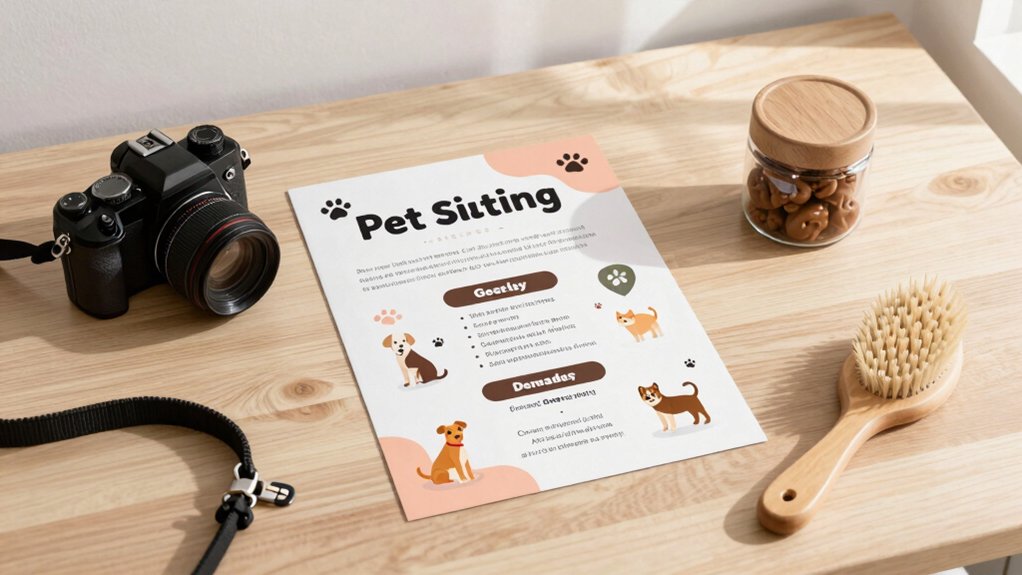
A pet sitting flyer is a small printed advertisement that promotes local pet-care services such as dog walking, overnight sitting, and cat visits. It usually includes a clear headline, photos of pets, contact details, service area, and a simple call to action. Many also add testimonials, QR codes, or tear-off tabs for easy response. It remains a low-cost way to build trust and attract nearby clients, with more useful details just ahead.
Disclosure: This post may contain Amazon affiliate links, at no extra cost to you. Content on Pawtangle is created with research support from AI tools and carefully reviewed, edited, and fact-checked by the lead author, Dr.Fahri Pat , to ensure accuracy and reliability. Learn more
Key Takeaways
- A pet sitting flyer is a small printed ad promoting pet-care services like dog walking, cat visits, and overnight sitting.
- It targets local pet owners with a clear headline, contact details, service area, and one simple call to action.
- Good flyers may include photos, testimonials, credentials, promotions, QR codes, and tear-off tabs for easy follow-up.
- They are usually posted at vet clinics, pet stores, dog parks, and community boards where pet owners will see them.
- Pet sitting flyers are low-cost, tangible marketing tools that help build local trust and generate bookings.
What Is a Pet Sitting Flyer?
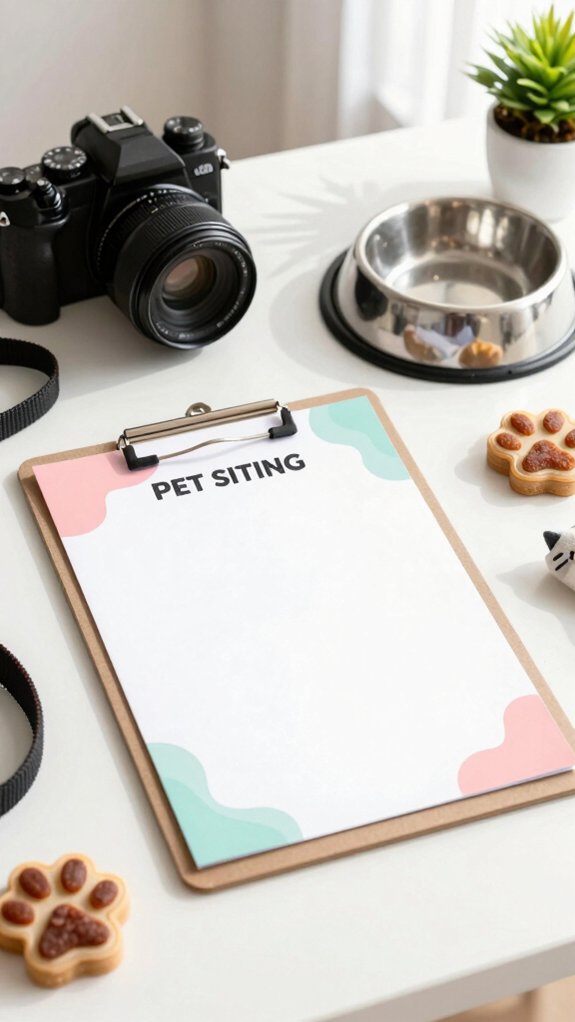
A pet sitting flyer is a small printed advertisement that promotes a pet-care business’s services, such as dog walking, overnight pet sitting, or cat visits, while providing key contact details for local clients. It usually includes a clear headline, pet images, and a simple call to action so neighbors can respond easily. Many flyers add testimonials, credentials, service areas, and special offers to build trust. Some feature QR codes, tear-off tabs, or business cards for convenient takeaways. Printed on durable paper, they suit community boards and outdoor spots while respecting local regulations and limiting environmental impact.
Why Pet Sitting Flyers Still Work
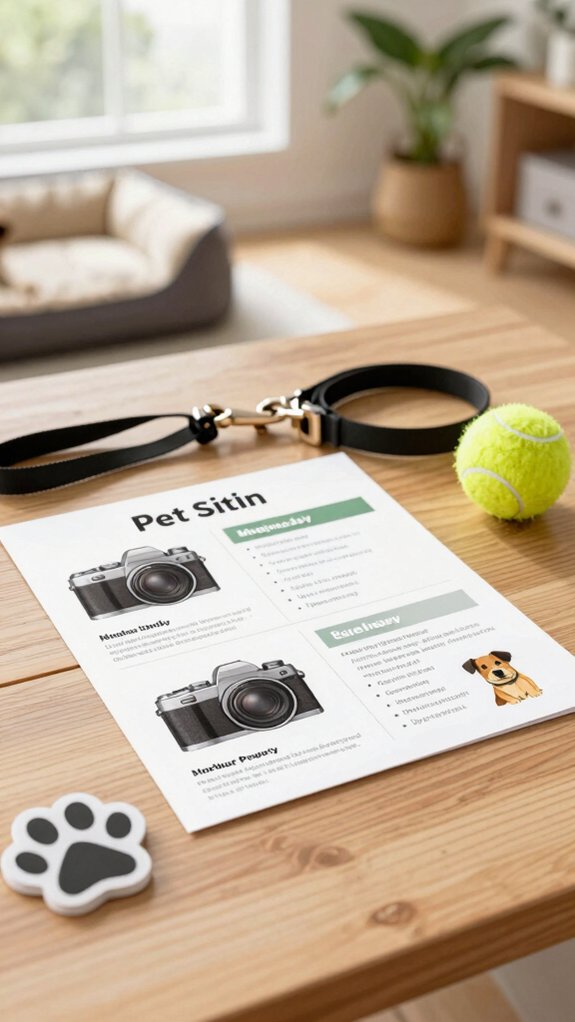
Pet sitting flyers continue to work because they offer a low-cost, highly targeted way to reach local pet owners where attention is easiest to seize. Printed in bulk, they can cost under $0.10 each, making them practical for new sitters building local trust. Placed at dog parks, vet clinics, pet stores, and community boards, they meet pet parents in familiar places and feel less intrusive than broad ads. Their tangibility improves recall, while tear-off tabs or QR codes support easy follow-up. With seasonal timing and local placement, flyers can help create steady bookings and a sense of community.
What to Include on Your Flyer
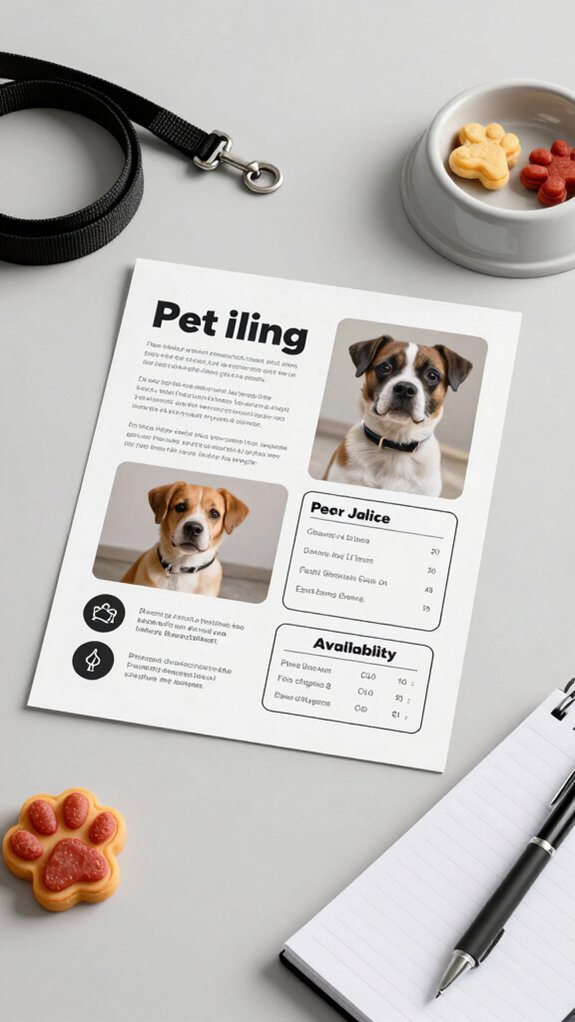
A strong pet sitting flyer starts with clear, useful information that helps a potential client decide quickly. It should present the business name, logo, and a concise headline, then list services such as dog walking, cat visits, overnight care, and medication support. Contact details, service area, a QR code, and one simple call to action help neighbors feel welcomed and ready to connect.
| Item | Purpose | Comfort |
|---|---|---|
| Testimonial | Builds trust | Reassures |
| Promotion | Encourages booking | Feels inviting |
| Seasonal themes | Adds relevance | Creates warmth |
| Local partnerships | Strengthens community | Supports belonging |
| Certification | Shows care | Inspires confidence |
Write a Headline That Grabs Attention
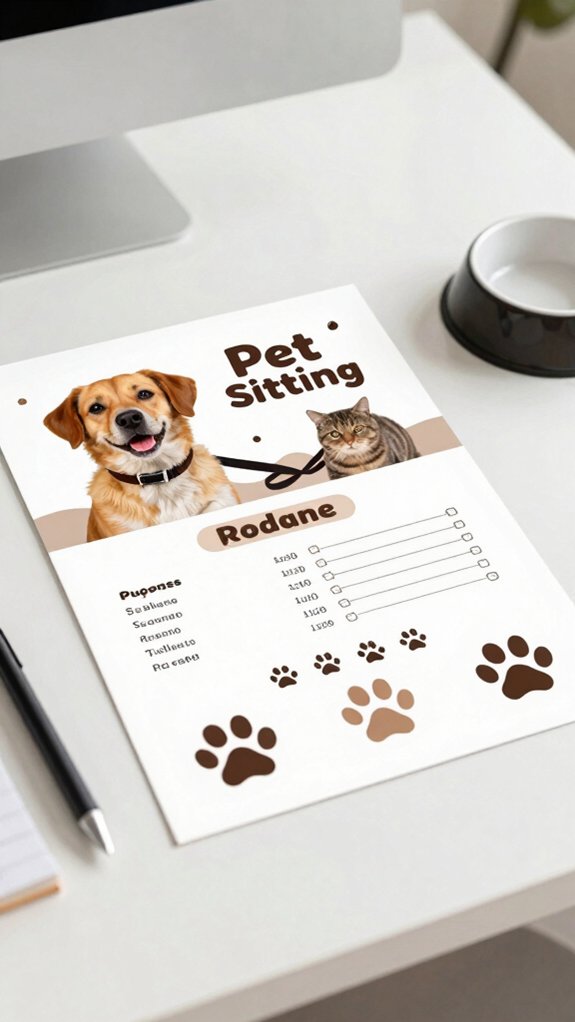
How can a pet sitting flyer stand out at a glance? A strong headline answers quickly with a concise, benefit-focused promise such as Reliable Pet Sitters While You Travel. Bold fonts help the message read easily from a distance, especially on crowded boards. Local targeting can make the offer feel close and trustworthy, while a clear line like Vet-trained, insured, 10+ years’ experience adds confidence. When suitable, Urgent offers such as Book Now for 10% Off Holiday Visits encourage action. Playful copy works well for family pet owners, creating a friendly sense of belonging without losing professionalism.
Use Photos Pet Parents Trust
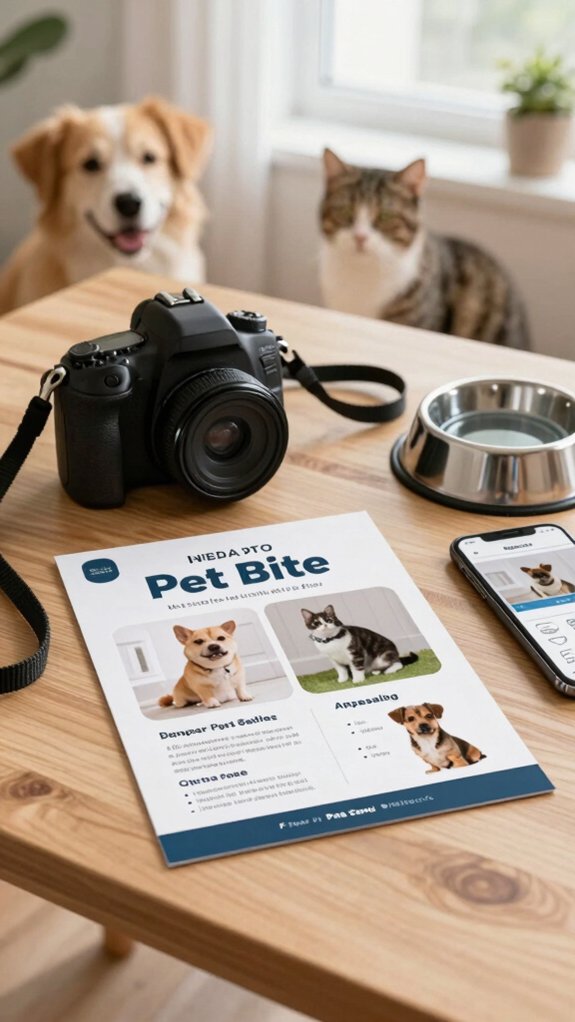
Showing real pets in care gives a flyer instant credibility. Pet parents tend to trust high-quality, candid images more than stock photos, especially when the pets look calm in a familiar home environment.
- Include caregiver portraits with a pet during a walk, feeding, or cuddle.
- Choose clear, recent photos that show safe handling and clean spaces.
- Use written permission for client photos, with a brief caption or first name.
- Prepare images for print and web so they stay sharp near the headline or testimonial.
Showcase Your Pet Sitting Services
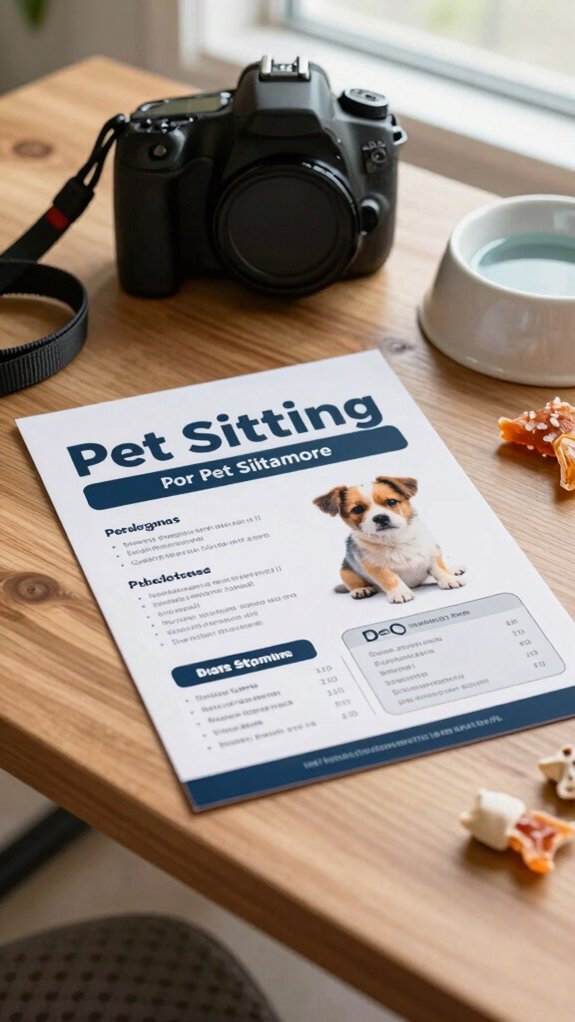
With trusted photos already building confidence, the flyer should plainly spell out the pet sitting services offered, such as day visits, overnight stays, dog walking, medication administration, and special-needs care, so prospective clients can see at a glance what is available. It can also note service area, hours, and starting rates, helping neighbors understand fit and timing quickly. Credentials like pet first aid training, veterinary technician experience, bonded and insured status, and years of experience add reassurance. Clear mention of niche specialties and seasonal offerings helps nearby pet families feel included, informed, and welcome to choose support.
Add Testimonials That Build Confidence

A few well-chosen testimonials can give the flyer immediate credibility by showing real results from nearby pet owners. Client stories work best when they are short, specific, and local, helping neighbors feel included and reassured.
- Use 1–3 quotes with pet type, service, and a measurable benefit.
- Add full names or initials plus city or neighborhood.
- Mention outcomes or credentials when relevant.
- Place trust signals near the CTA, with quotation marks and a small photo or star rating.
Reviewed dates and permission records keep praise current and accurate, especially when services change.
Include Clear Contact Details
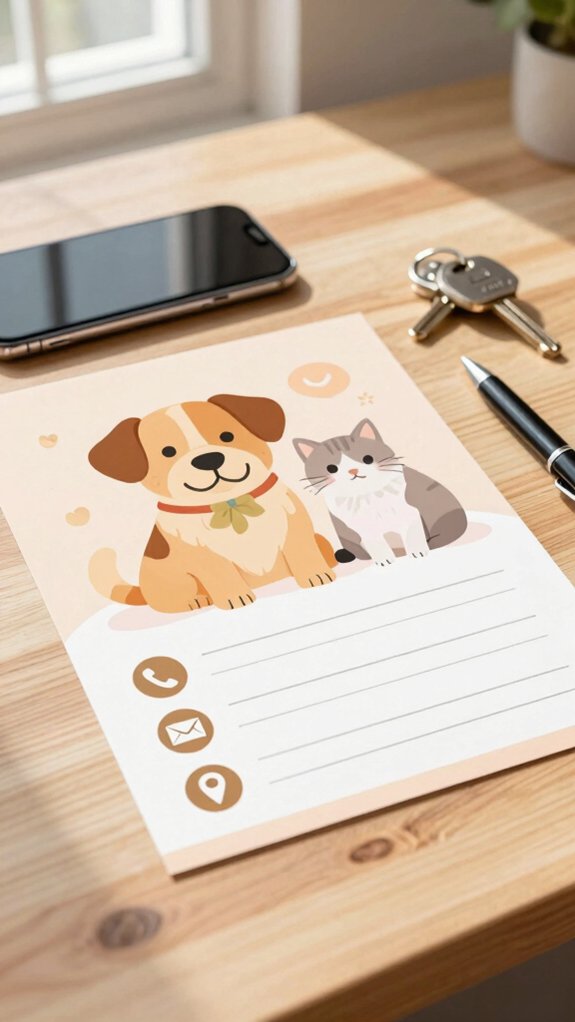
Clear contact details make a pet sitting flyer easy to act on at a glance. A primary phone number should appear in large type, ideally 18–24 pt, so busy pet owners can call without searching. An email address and website URL help those who prefer digital contact, and the site should lead straight to booking or service information. Service-area details, such as nearby neighborhoods, reduce confusion. A social handle and QR code support quick connection on a mobile layout. If contactless booking or payment is available, stating it can reassure clients seeking convenience and a welcoming fit.
Make Your Flyer Easy to Scan
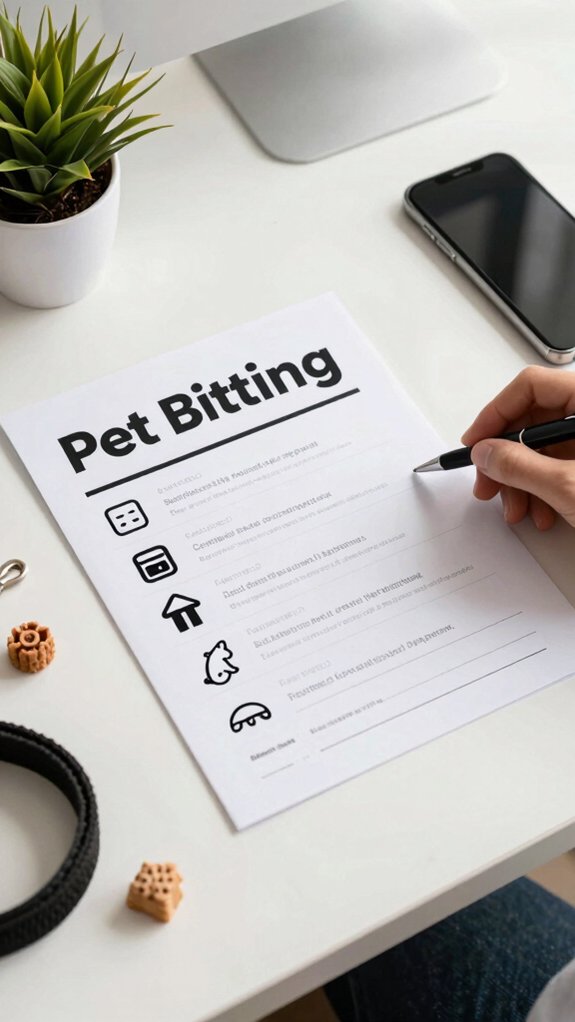
An effective pet sitting flyer guides the reader’s eye in seconds, not minutes. Strong eye tracking starts with a bold 6–8 word headline and generous spacing.
- Use clear visual hierarchy: headline, services, testimonial, call-to-action.
- Keep information density low; short text blocks and readable fonts support quick scannability.
- Add color contrast, icons, and a quality pet photo to highlight trusted care.
- Place one standout offer beside contact details so the next step feels welcoming and easy.
This layout helps neighbors feel informed, included, and ready to connect with confidence.
Add a QR Code or Tear-Off Tabs
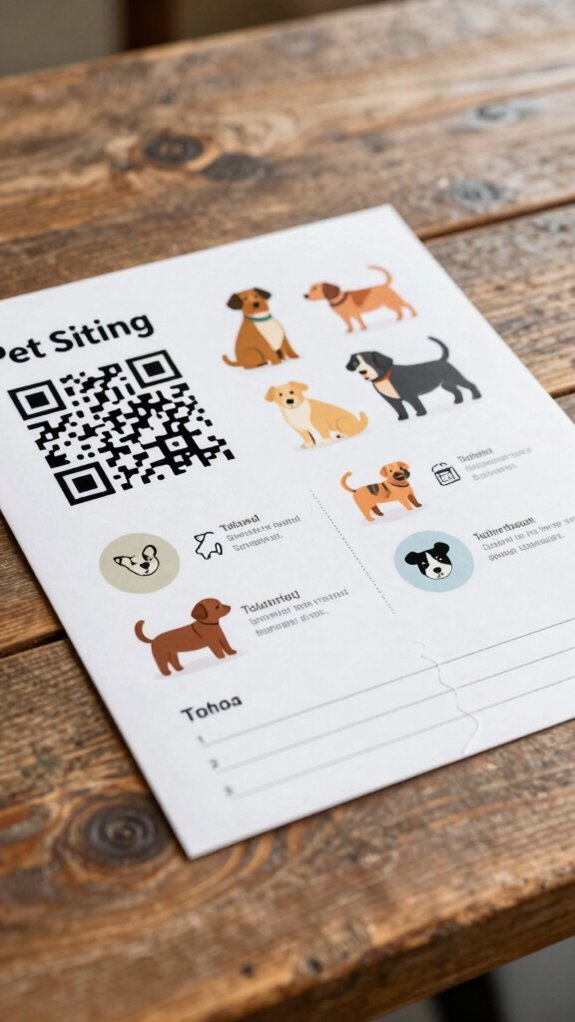
To make the flyer even easier to act on, it can include a QR code or tear-off tabs that give neighbors a quick next step. Good QR placement is usually in the lower-right quadrant, with “Scan to Book” nearby and a code large enough for phone cameras. Tear-off tabs should list a phone number and website, with clear labels like “Call for Meet & Greet.” Tab durability matters outdoors, so weather-resistant strips help. Unique codes can track responses, while regular restocking keeps the flyer looking cared for and welcoming.
Choose the Right Flyer Design Tools
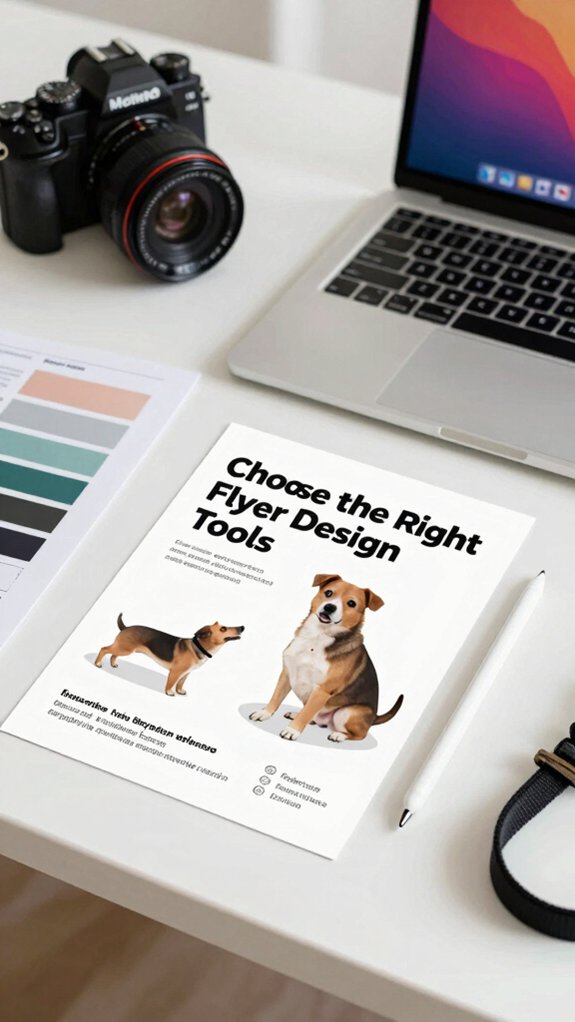
For a pet sitting flyer, free and simple tools like Canva, Microsoft Word, or Google Docs can make the design process quick and approachable. These options also support easy editing, so details such as contact information, services, and a QR code can be updated without difficulty. When a more polished or specialized result is needed, GIMP or Inkscape can provide additional control without adding much complexity.
Free And Simple Tools
Free and simple tools make it easy to build a polished pet-sitting flyer without design experience or a big budget.
- Canva offers DIY templates, Mobile apps, stock images, and QR codes for quick booking links.
- Google Docs and Microsoft Word suit text-forward flyers and small print runs at home or nearby shops.
- GIMP and Inkscape support custom, high-resolution designs for professional printing.
- Staples, Office Depot, UPS Store, and Canva Print can produce durable flyers in common sizes.
These options help a sitter present a welcoming, trustworthy service that feels easy to join.
Design For Easy Editing
A well-chosen design tool makes pet-sitting flyers easier to update, share, and print. Editable templates in Canva or PosterMyWall support template organization, letting photos, colors, and text change without rebuilding the page. Modular layouts help keep sections flexible when services, prices, or contact details shift. Vector-friendly editors such as Adobe Express or Inkscape allow resizing for different formats without pixelation. QR code generation and 300 DPI export improve scanning and print quality. For quick text edits, Google Docs or Word can help. Collaborative tools with version history let teams review changes and stay coordinated together.
Where to Place Pet Sitting Flyers
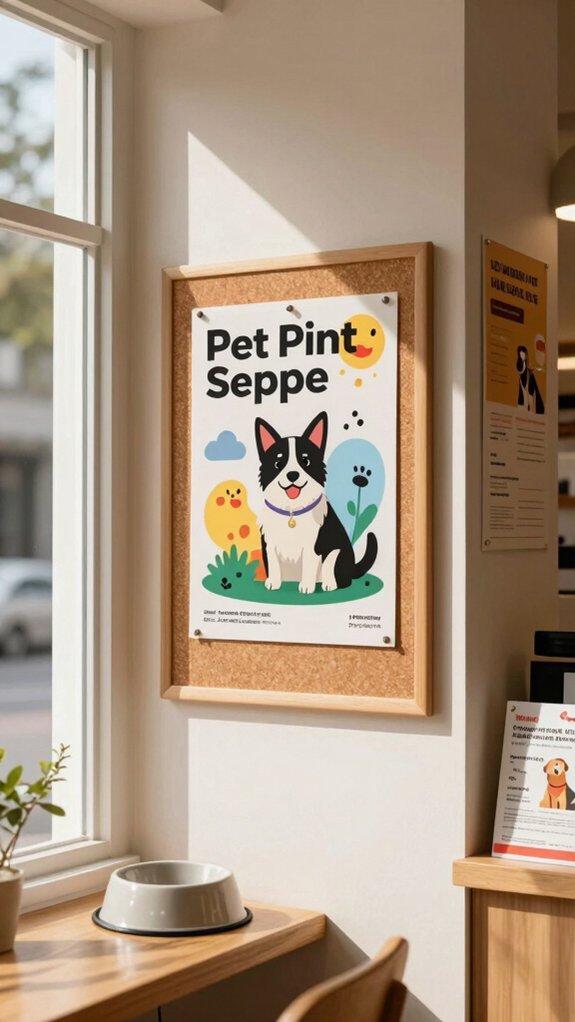
Effective pet sitting flyers tend to work best in places where pet owners already gather, such as community bulletin boards at dog parks, large neighborhood parks, veterinary clinics, pet supply stores, groomers, and doggy daycares. Posting there helps neighbors feel included and informed.
- Use bulletin boards near leash entrances or seating areas.
- Leave tear-off tabs in clinics, shops, and daycare lobbies.
- Ask permission for apartment complexes, cafes, and centers.
- Try seasonal placements at markets, events, and adoption days.
Door hangers and mailbox drops can extend reach within a service area.
Print and Prep Flyers for Display
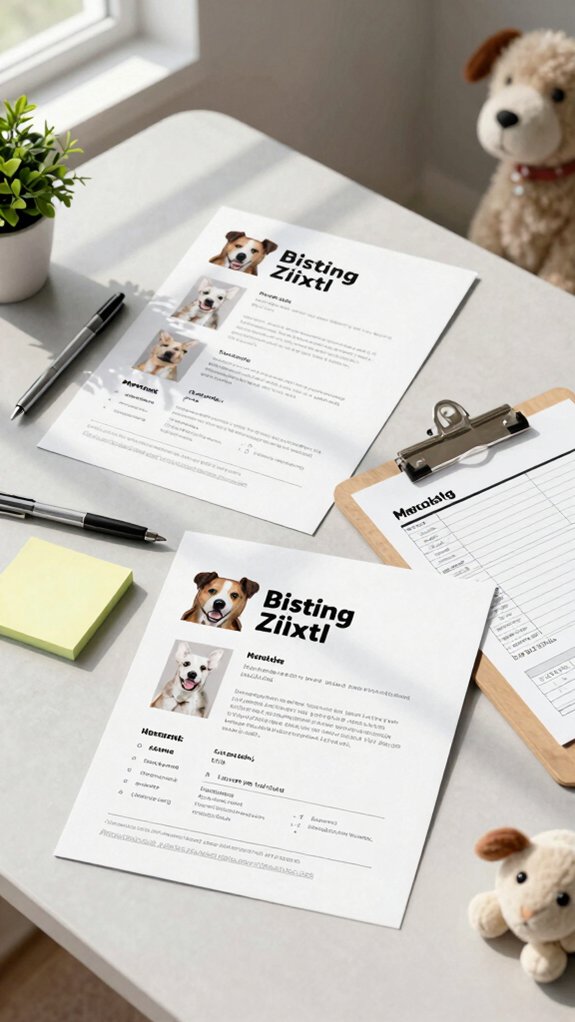
For flyers to hold up on bulletin boards, in clinic lobbies, or near outdoor entrances, they should be printed on durable paper such as 100–130 lb cover stock or weather-resistant synthetic stock, with full-color artwork for better visibility. Pre-cut tear-off tabs or attached business cards help neighbors keep contact details close. Preparing 25–50 tearaways per design makes each display more useful. Clear labeling and durable materials support tidy presentation. Before posting, checking posting permissions with property managers helps avoid problems. Lamination or clear sleeves can add protection, while pushpins, staples where allowed, or weatherproof tape secure flyers neatly and respectfully.
Keep Flyers Fresh and Up to Date
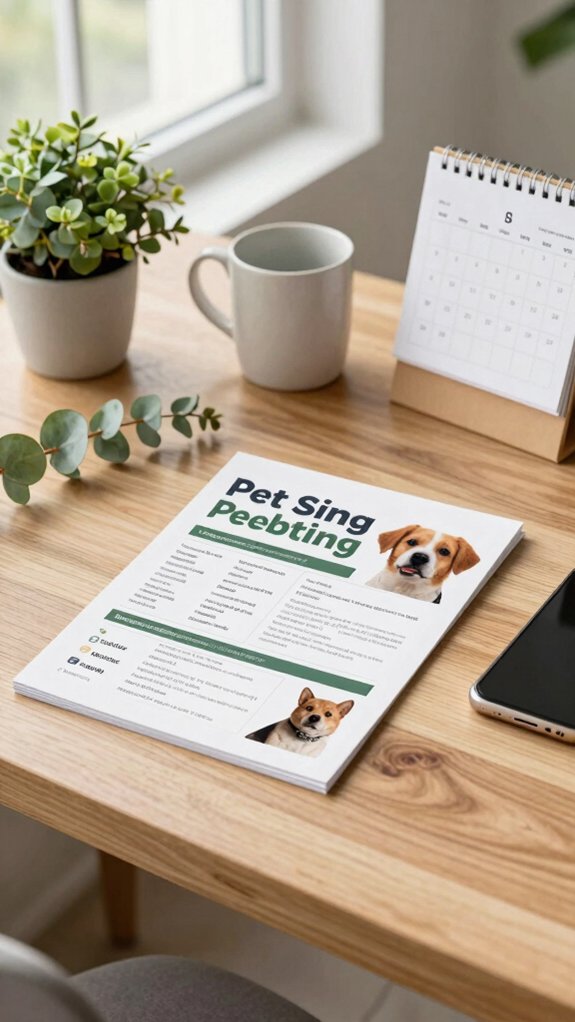
A pet sitting flyer works best when contact details, service areas, pricing, and promotions are kept current. Outdated offers or old phone numbers can cause confusion and lost inquiries, so updates should be made right away. A dated flyer or “valid through” line can also help venues and readers see at a glance that the information is fresh.
Refresh Contact Details
Keeping pet sitting flyers current helps prevent missed inquiries and confusion. A reliable flyer should invite local pet owners with clear, familiar contact details that feel easy to trust and simple to use.
- Verify the phone number, website, and update emails before every distribution run.
- Confirm business hours and service area so neighbors know coverage fits their needs.
- Regenerate and verify QR links whenever the destination page changes.
- Refresh printed flyers within 3–6 months, or sooner if details shift, to keep the message professional and welcoming.
Replace Outdated Promotions
Once contact details are current, the next step is to remove stale promotions that can make a flyer feel neglected or misleading. Fresh offers help people feel they are joining a trustworthy local service, not an old notice. Promotions should be checked every 30 days, and weathered flyers with missing tear-offs should be replaced within 2–4 weeks in busy spots.
| Update | Timing |
|---|---|
| Seasonal testing | 4–6 weeks ahead |
| Rotate messaging | Every 6–8 weeks |
| Remove expired deals | Within 1 week |
Tracking lead results helps swap weak designs before interest fades.
Frequently Asked Questions
What to Include in a Pet Sitting Flyer?
It should include business name, logo, services, qualifications, contact details, service area, a clear call to action, local advertising offers, client testimonials, photos, and a QR code. Tear-off tabs help follow-ups and belonging feel welcomed.
Is $100 a Day Good for House Sitting?
Yes—$100 a day is often good for house sitting; in one neighborhood, a sitter earned it easily. Compared with market rates, sitter experience matters: overnight care, errands, and pet needs can justify it.
Is $30 a Day Good for Dog Sitting?
$30 a day is typically low for dog sitting, though it may suit brief visits including dog walking and pet feeding. New sitters sometimes start there, but experience, insurance, and extra care often justify higher rates.