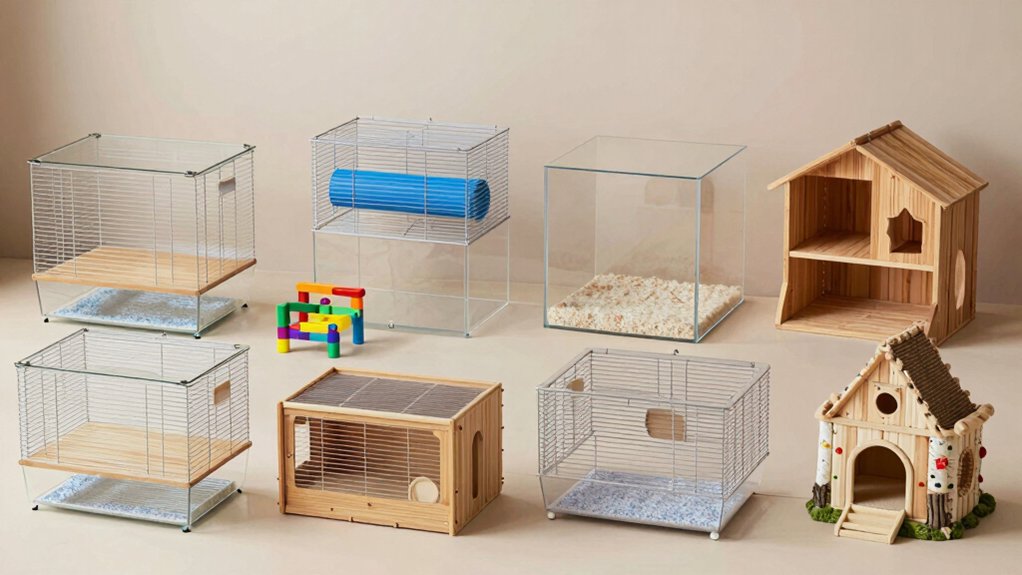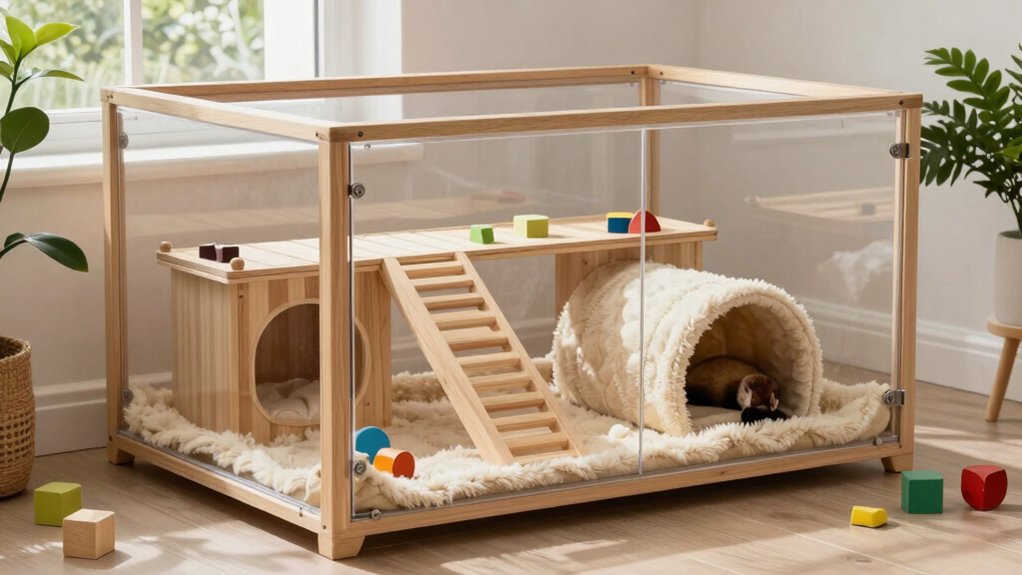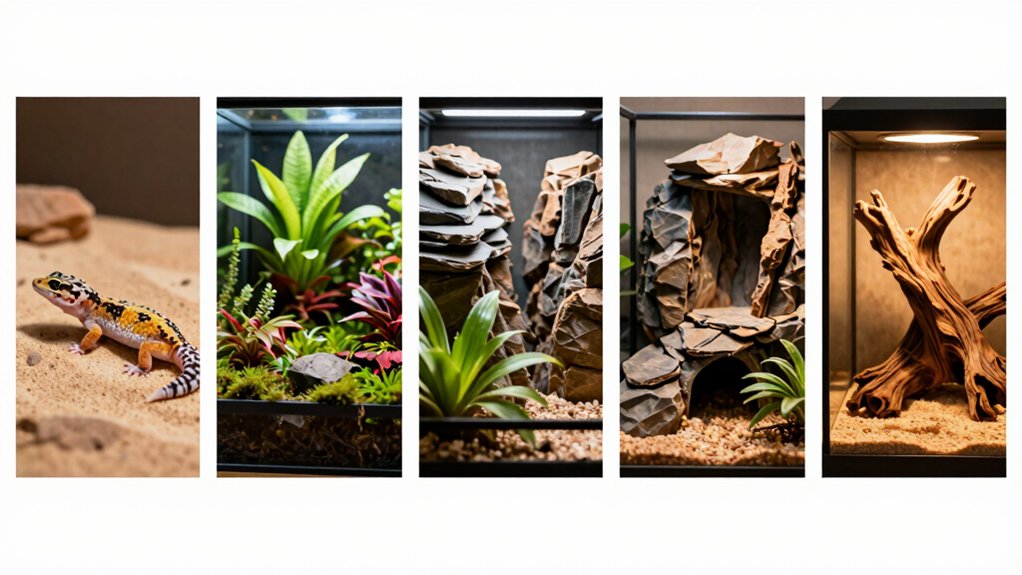
You’ll want five reliable setups: a 40-gallon terrarium with a storage cabinet for multiple geckos; a simple 20-gallon for one gecko; a natural-accessory kit with a coconut hide, hammock, vines; a humid microhabitat using Sukh sphagnum moss inside a hide; and a clean-feeding setup with stainless-steel tongs and front sliding doors for easy access. Aim for a UVB lamp, a warm basking spot, cool zone, and a humid hide—keep going to pick the best fit for your gecko.
Disclosure: This post may contain Amazon affiliate links, at no extra cost to you. Content on Pawtangle is created with research support from AI tools and carefully reviewed, edited, and fact-checked by the lead author, Dr.Fahri Pat , to ensure accuracy and reliability. Learn more
Key Takeaways
- Choose a 40-gallon terrarium for multiple geckos or a 20-gallon minimum for one, prioritizing front sliding doors for easy access.
- Provide a temperature gradient with a basking spot at 88–92°F and a cool side at 75–80°F for thermoregulation.
- Use a 5–10% UVB bulb 12–18 inches from the basking area on a 10–12 hour photoperiod to support vitamin D3 synthesis.
- Include substrate mixes with sphagnum moss in humid hides, targeting overall humidity around 30–40% and higher microhabitats for shedding.
- Furnish natural, non-toxic hides and climbing elements, plus stainless steel feeding tongs and built-in storage for organized maintenance.
| 40-Gallon Reptile Terrarium Tank with Storage Cabinet | 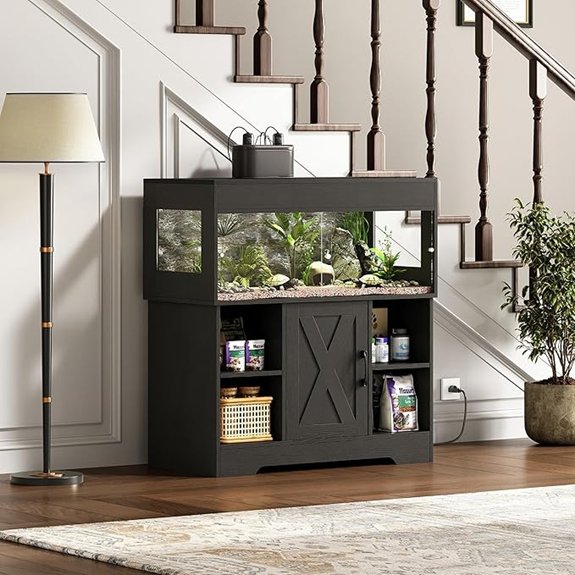 | Best for Storage | Intended Use: Reptile terrarium enclosure (housing juvenile reptiles) | Suitable Species: Bearded dragons, leopard geckos, corn snakes, small reptiles | Material Type: MDF wood (tank frame/cabinet) with acrylic doors and mesh lid | VIEW LATEST PRICE | Read Our Analysis |
| Leopard Gecko Tank Accessories: Hammock Vines Hideout | 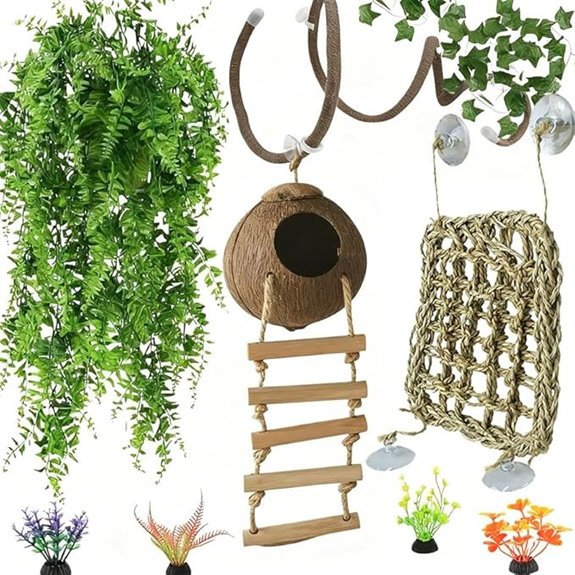 | Natural Decor Set | Intended Use: Tank accessories / habitat enrichment | Suitable Species: Leopard geckos, bearded dragons, chameleons, snakes, amphibians | Material Type: Natural coconut shell, hemp/rope, PU vines with iron wire, seagrass hammock | VIEW LATEST PRICE | Read Our Analysis |
| Sukh Sphagnum Moss for Reptile Terrariums (5 oz) | 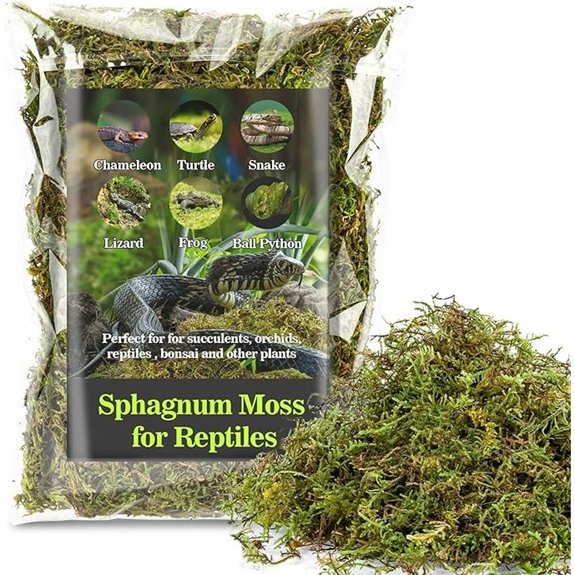 | Humidity Booster | Intended Use: Substrate / humidity material | Suitable Species: Snakes, turtles, frogs, geckos (humid-loving reptiles/amphibians) | Material Type: Natural sphagnum moss (plant material) | VIEW LATEST PRICE | Read Our Analysis |
| Stainless Steel Reptile Feeding Tongs (Straight & Curved) | 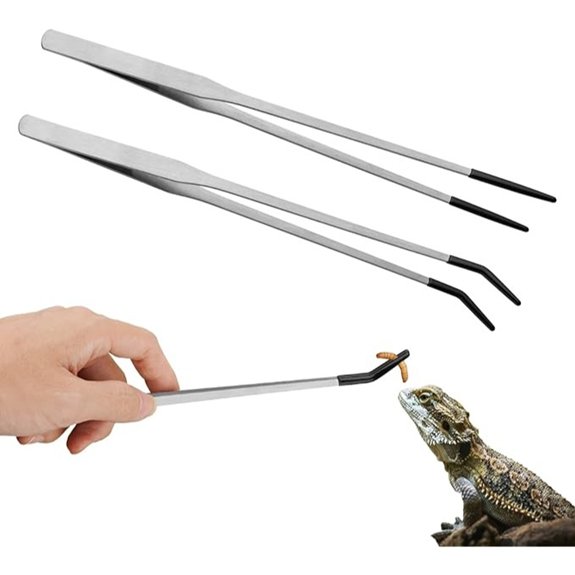 | Precision Feeding | Intended Use: Feeding / handling tool | Suitable Species: Bearded dragons, snakes, lizards (various reptiles) | Material Type: Stainless steel (with rubber tips) | VIEW LATEST PRICE | Read Our Analysis |
| Lizard Coco Den Coconut Husk Reptile Hideout with Ladder | 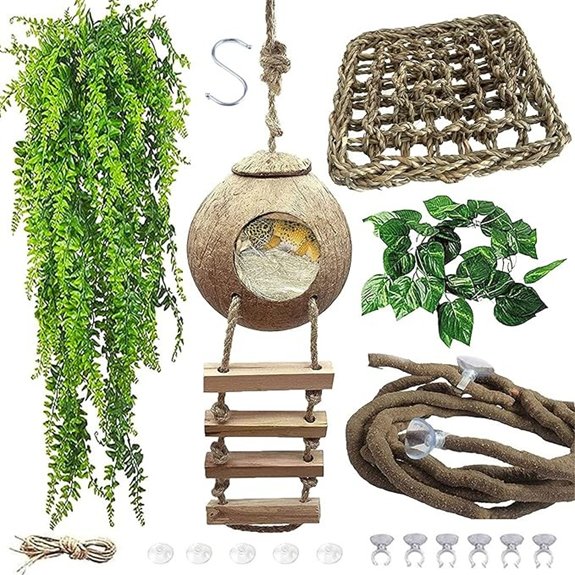 | Climbing & Hides | Intended Use: Reptile hideout & habitat enrichment | Suitable Species: Bearded dragons, corn snakes, geckos, frogs, iguanas, small reptiles/amphibians | Material Type: Natural coconut shell, wooden rope ladder, vines (natural materials) | VIEW LATEST PRICE | Read Our Analysis |
More Details on Our Top Picks
40-Gallon Reptile Terrarium Tank with Storage Cabinet
If you’re looking for a compact, all-in-one setup that makes caring for a leopard gecko (or other small reptiles) simple, this 40-gallon terrarium with a built-in storage cabinet is a great choice. You’ll get a clear front view from acrylic sliding doors for easy feeding and cleaning, plus an openable mesh lid for airflow. The full base cabinet keeps UVB lamps, heat mats, substrate, and tools organized, and the built-in 4-AC energy center runs lights and thermostats without messy cords. Made from sturdy MDF, it fits small spaces, helps beginners stay tidy, and looks attractive in your home.
- Intended Use:Reptile terrarium enclosure (housing juvenile reptiles)
- Suitable Species:Bearded dragons, leopard geckos, corn snakes, small reptiles
- Material Type:MDF wood (tank frame/cabinet) with acrylic doors and mesh lid
- Habitat Function:Housing + storage + electrical power center for environmental control
- Size / Dimensions (compact indicator):40-gallon (compact tank for juvenile reptiles)
- Maintenance / Durability:Durable MDF construction; easy cleaning via sliding doors; built-in power management
- Additional Feature:Front acrylic sliding doors
- Additional Feature:Built-in 4-AC power center
- Additional Feature:Full base storage cabinet
Leopard Gecko Tank Accessories: Hammock Vines Hideout
This accessory set is a great choice for hobbyists who want a cozy, natural-feeling tank without spending hours hunting individual pieces—think of it as a ready-made mini rainforest that your leopard gecko can use right away. You’ll get a coconut hut hideout, hammock, hanging plants, vines, leaves, and water grass flower balls, all sized (10 x 5 x 7 inches) and lightweight. Materials are natural and non-toxic—seagrass, hemp, wooden ladders, and PU vines with wire—so they’re safe and flexible. Use the coconut shell as a dark retreat and stash food there, hang the hammock low, and arrange vines for climbing.
- Intended Use:Tank accessories / habitat enrichment
- Suitable Species:Leopard geckos, bearded dragons, chameleons, snakes, amphibians
- Material Type:Natural coconut shell, hemp/rope, PU vines with iron wire, seagrass hammock
- Habitat Function:Hiding, climbing, resting, decorative/cover
- Size / Dimensions (compact indicator):10 x 5 x 7 inches (accessory set)
- Maintenance / Durability:Natural, durable materials (handwoven seagrass); designed for quick adjustment and longevity
- Additional Feature:100% natural seagrass hammock
- Additional Feature:PU vines with iron wire
- Additional Feature:Hanging coconut shell hide
Sukh Sphagnum Moss for Reptile Terrariums (5 oz)
Sukh Sphagnum Moss is a great pick for keepers who want an easy way to boost humidity and create cozy microhabitats in their leopard gecko setup; think of it as a soft, moisture-holding pocket you can tuck into humid hide boxes or mix into damp substrate areas. You’ll use it to stabilize humidity, aid shedding, and give geckos a snug nesting spot for occasional egg laying. Don’t use it as the sole substrate; mix with soil, sand, or bark for balance. Keep it clean and moist, swap when soiled, and avoid over-wetting to prevent mold and respiratory issues.
- Intended Use:Substrate / humidity material
- Suitable Species:Snakes, turtles, frogs, geckos (humid-loving reptiles/amphibians)
- Material Type:Natural sphagnum moss (plant material)
- Habitat Function:Moisture retention, hiding/nesting, egg-laying substrate
- Size / Dimensions (compact indicator):5 oz package (moss quantity)
- Maintenance / Durability:Requires regular moisture management and periodic replacement; natural, absorbent but needs care
- Additional Feature:High moisture retention
- Additional Feature:Egg-laying/incubation use
- Additional Feature:Plant-friendly substrate additive
Stainless Steel Reptile Feeding Tongs (Straight & Curved)
For leopard gecko keepers who want a safer, cleaner feeding routine, stainless steel reptile feeding tongs are a smart pick—especially the 2-piece set with one straight and one curved tong so you’ve always got the right tool for the job. You’ll get 10.6-inch tongs made of corrosion-resistant stainless steel that last and clean up easily. Rubber tips protect your gecko’s mouth and improve grip, and the ergonomic handle lets you feed without hand fatigue. Use the straight tong for direct grabs and the curved for tricky spots or rearranging décor. They’re also handy for crafts, plants, and tank organization.
- Intended Use:Feeding / handling tool
- Suitable Species:Bearded dragons, snakes, lizards (various reptiles)
- Material Type:Stainless steel (with rubber tips)
- Habitat Function:Safe feeding, precise handling, tank maintenance
- Size / Dimensions (compact indicator):10.6 inches (tongs length)
- Maintenance / Durability:Corrosion-resistant stainless steel; smooth surface for easy cleaning; rubber tips protect mouths
- Additional Feature:Straight and curved set
- Additional Feature:Rubber-tipped ends
- Additional Feature:10.6-inch ergonomic length
Lizard Coco Den Coconut Husk Reptile Hideout with Ladder
If you want a natural, cozy hideout that’s built to last, the Lizard Coco Den Coconut Husk Reptile Hideout with Ladder is a great pick—especially if your leopard gecko likes tight, dark retreats and a bit of climbable enrichment. You’ll get an all-natural coconut shell hide hut, hammock, hanging plant, vines, big leaves, and a wooden rope ladder, plus suction cups for easy setup. The unprocessed husk feels safe and familiar, and the sturdy build lasts through humid or dry conditions. Use the hammock near a warm lamp for thermoregulation, and arrange vines for climbing and stimulation.
- Intended Use:Reptile hideout & habitat enrichment
- Suitable Species:Bearded dragons, corn snakes, geckos, frogs, iguanas, small reptiles/amphibians
- Material Type:Natural coconut shell, wooden rope ladder, vines (natural materials)
- Habitat Function:Hiding, climbing, resting, temperature regulation (via placement)
- Size / Dimensions (compact indicator):Multiple pieces; largest hide 16.14 x 5.11 in, vines up to ~78.74 in
- Maintenance / Durability:Sturdy natural coconut shell and materials; weather-resistant durability; includes suction cups for stable placement
- Additional Feature:Large coconut hide dimensions
- Additional Feature:Includes wooden rope ladder
- Additional Feature:Five suction-cup attachments
Factors to Consider When Choosing Leopard Gecko Habitat
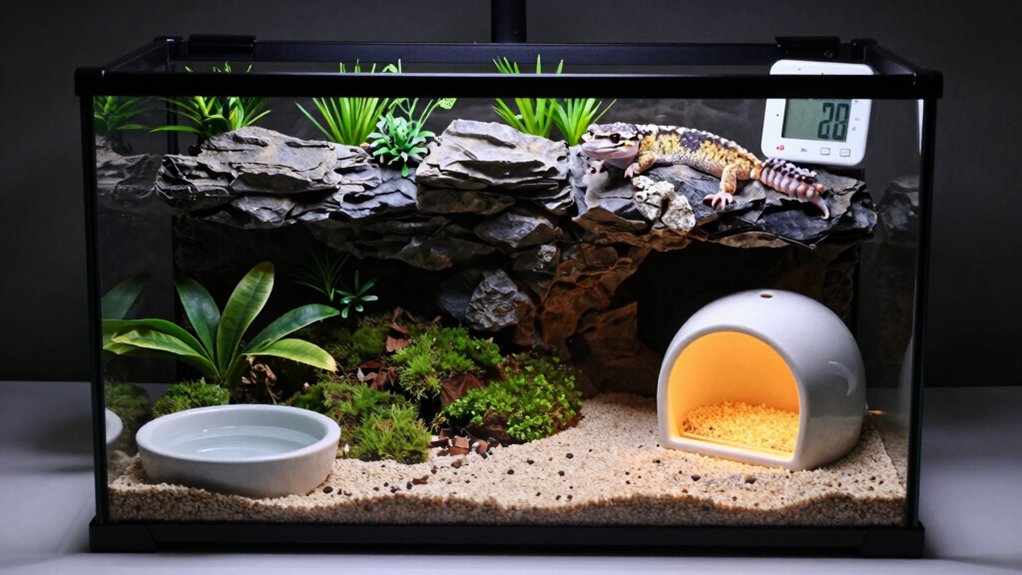
When you’re setting up a leopard gecko habitat, think about tank size first so your pet can move comfortably and you can create distinct zones for activity and rest. Choose a safe substrate and set up a temperature gradient with a warm side and a cool side, while keeping humidity controlled and predictable. Add at least two hiding spots—one moist hide for shedding and one dry hide for daytime—so your gecko feels secure and healthy.
Tank Size
A 20-gallon tank is the usual starting point for a single adult leopard gecko, but you’ll want to think beyond just volume—shape, layout, and roommates matter too. Start with 20 gallons for one gecko; it gives room for hides, a basking area, and a feeding spot. If you plan multiple geckos or add climbing branches and decor, step up to about 40 gallons to reduce crowding and territorial stress. Prefer long and wide enclosures over tall ones, since geckos stay ground-level and love horizontal exploration. Ascertain the tank’s dimensions let you place multiple hiding spots and a temperature gradient. Finally, pick a setup with good ventilation—a secure mesh lid or vents—to keep airflow steady while you manage humidity.
Substrate Choice
Picking the right substrate can make a big difference in your leopard gecko’s comfort and health, so let’s walk through the key factors you should weigh. Choose materials that hold some moisture—sphagnum moss is excellent for aiding sheds and keeping a humid hide comfortable. Don’t use loose substrates like sand or gravel; geckos can accidentally ingest particles during feeding, which risks impaction. Consider combining substrates: a moist moss hide area plus firmer, stable bedding lets your gecko burrow and sleep securely. Keep the substrate clean by spot-cleaning daily, fully replacing or disinfecting regularly, and watching for mold or odors. Finally, pick substrates that are easy to remove and replace so you can maintain hygiene and prevent disease.
Temperature Gradient
Because leopard geckos can’t regulate their body temperature internally, you’ll need to create a clear temperature gradient in their enclosure so they can choose what feels best—warm enough to digest and stay active, and cool enough to rest without overheating. Set a basking spot at 88–92°F (31–33°C) using an under-tank heater or heat mat placed on one side, and keep the cool side around 75–80°F (24–27°C) for retreat. Place hides on both warm and cool ends so your gecko can move between zones comfortably. Monitor with reliable digital thermometers or infrared guns, checking near substrate and inside hides. Let night temps fall modestly but not below 65°F (18°C). A proper gradient supports digestion, activity, and overall health—so measure often and adjust as needed.
Humidity Control
While leopard geckos do best in fairly dry enclosures, you still need to manage humidity carefully so they don’t develop shedding problems or respiratory issues; aim for 30–40% overall and give them pockets of higher moisture they can use when needed. Start by placing a reliable hygrometer where you can read it easily, and check it daily so you notice trends. Use sphagnum moss or damp substrate inside a humid hide — a coconut shell or small box lined with moss works well — and mist the hide during sheds. Light, regular misting around the humid zone helps without raising tank-wide humidity. Compare spots: the humid hide should be noticeably moister than the main floor. These simple steps keep your gecko comfortable and healthy.
Hiding Spots
Good hiding spots do more than just give your leopard gecko a place to nap — they cut stress, help with temperature control, and even make shedding easier, so you’ll want to plan them thoughtfully. Pick a mix: snug, dark caves for daytime security, a slightly humid hide to aid shedding, and raised or wooden structures for climbing and exploring. Use natural materials like coconut husk or smooth wood to create comfy, temperature-regulating retreats. Place hides on both warm and cool sides so your gecko can thermoregulate without exposing itself. Vary sizes so juveniles and adults both fit, and scatter several hides to encourage movement and choice. Check hides regularly for cleanliness and replace damp substrate as needed to keep things healthy.
Lighting And UVB
Your gecko’s hides do a lot more than offer privacy, and the next big piece of the puzzle is getting the lighting and UVB right to keep them healthy and active. You’ll want a reptile-specific UVB bulb rated 5–10% to help your gecko make vitamin D3 for calcium absorption and to prevent metabolic bone disease. Place the bulb 12–18 inches from the basking spot so they get effective exposure without overheating. Run the UVB for 10–12 hours daily to mimic natural daylight and support circadian rhythms. Replace bulbs every 6–12 months even if they still glow, because UVB output drops over time. These choices are simple, practical, and really make a difference in long-term health.
Accessibility And Storage
Because you’ll be opening the enclosure a lot—for feeding, spot-cleaning, and checking on your gecko—pick a terrarium that makes those tasks easy and safe. Choose front-facing sliding doors so you don’t have to lift heavy lids or lean over the tank; they’re gentler on your back and reduce escape risks. Look for built-in storage or cabinets to keep food, mealworms, heat mats, and cleaning tools organized and within arm’s reach. Prefer a design with good visibility—clear panels and thoughtful placement of hides—so you can monitor behavior without disturbing the animal. Consider a mesh lid for airflow and easier maintenance while checking humidity. Finally, plan cable and equipment layout so UVB lamps, thermostats, and cords fit neatly without crowding the habitat.
Conclusion
You’ve picked great gear — and funny enough, the right tank, hides, moss, tongs, and décor all work together like a tiny, cozy apartment building for your gecko. Choose the 40-gallon terrarium for space, add a hammock and vines for enrichment, tuck in the coco hide and sphagnum for humidity, and use stainless tongs for safe feeding. Consider size, substrate, heat, and hides, and you’ll give your leopard gecko a happy, healthy home.