

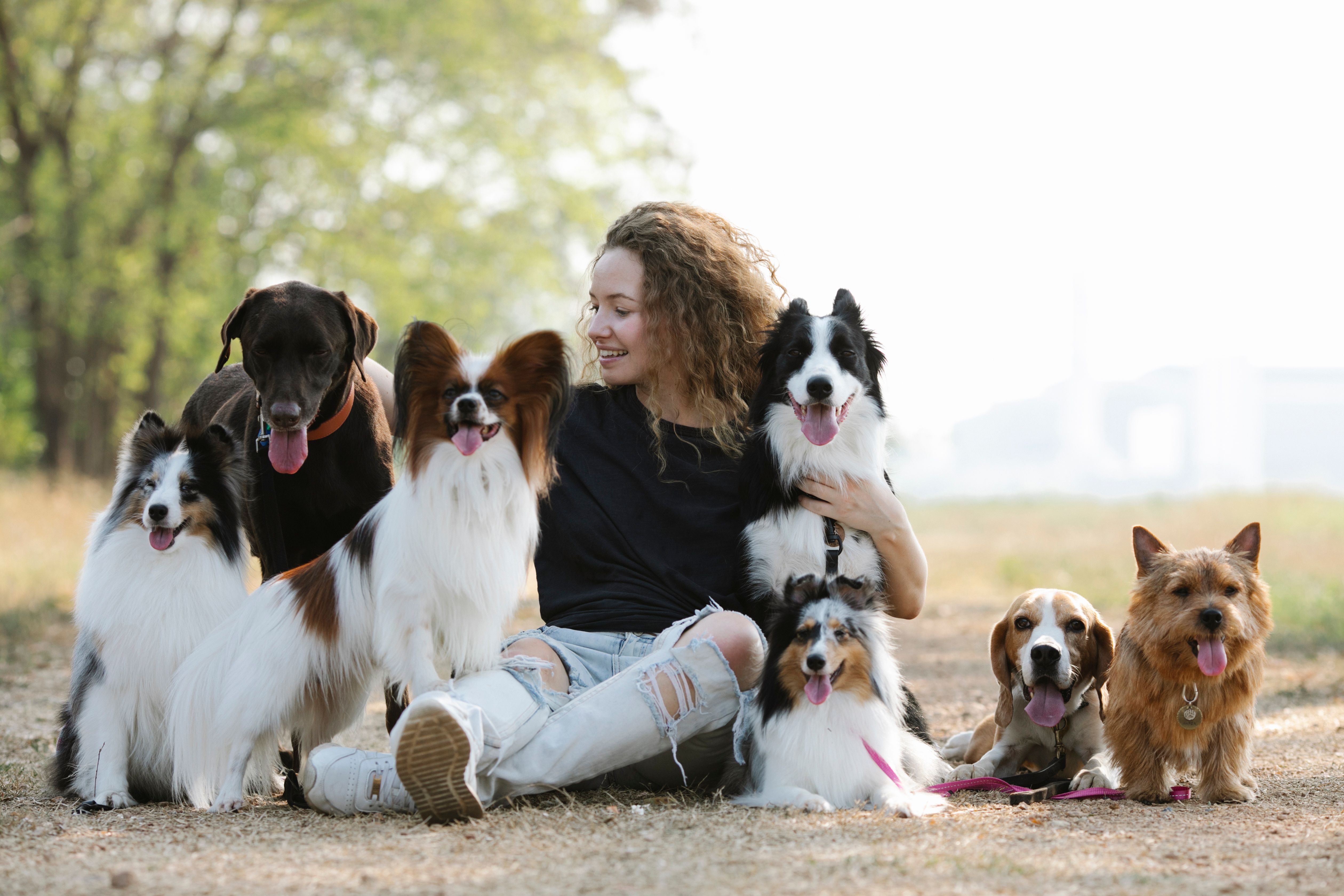
Choose a dog breed by comparing its exercise, grooming, space, and social needs with your daily life. If you enjoy long walks and training, consider a Labrador, Border Collie, or Australian Shepherd. For gentle walks and calmer homes, a Cavalier, Shih Tzu, or French Bulldog may fit better. Think about shedding, brushing, children, neighbors, and health needs, too. Be honest about your time and mobility, then examine these factors more closely before choosing.
Disclosure: This post may contain Amazon affiliate links, at no extra cost to you. Content on Pawtangle is created with research support from AI tools and carefully reviewed, edited, and fact-checked by the lead author, Dr.Fahri Pat , to ensure accuracy and reliability. Learn more
Key Takeaways
- Match the breed’s energy level to your realistic daily capacity for walks, play, training, and outdoor activities.
- Consider your home size, nearby parks, neighbors, and whether your household includes young children or seniors.
- Evaluate grooming demands, including brushing, shedding, bathing, seasonal coat care, and potential skin irritation.
- Choose a breed whose exercise, mobility, temperament, and health needs fit your lifestyle and comfort level.
- Compare specific breeds honestly, from active Labradors and Border Collies to calmer Cavaliers, Shih Tzus, and French Bulldogs.
Consider Your Daily Routine
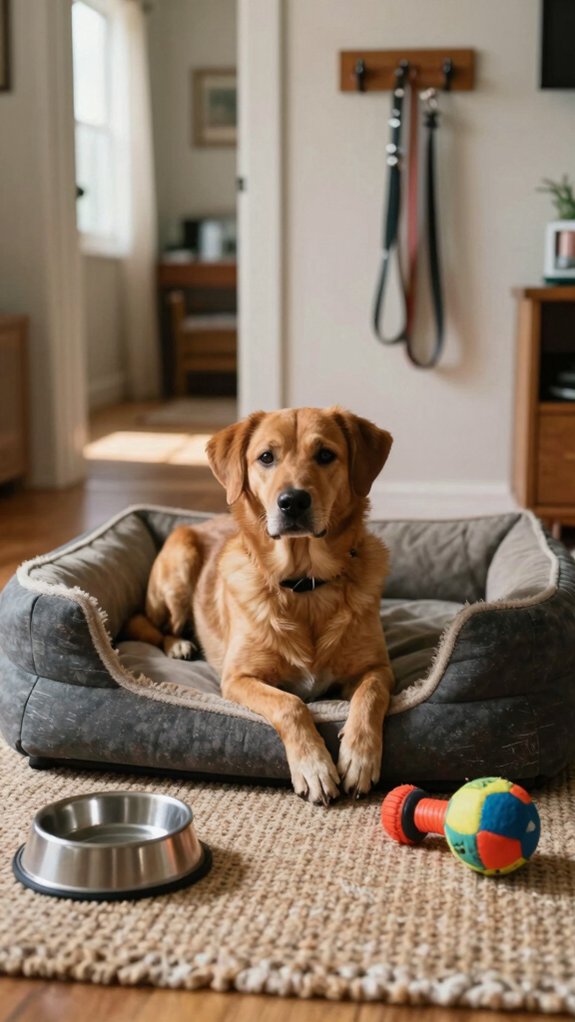
Start by looking honestly at your daily routine, including how much time you have for walks, play, training, and outdoor activities.
Your Daily Schedule should show whether you can offer gentle walks, one to two hours, or more each day.
Consider your Commute Impact, work hours, and nearby parks before choosing a breed.
A Labrador Retriever, Border Collie, or German Shorthaired Pointer may fit an active household, while a French Bulldog, Cavalier King Charles Spaniel, or Shih Tzu may suit a calmer home.
Choose a dog whose needs fit your real life.
You’ll build a happier routine together, with less stress and better opportunities to belong.
Match Energy Levels
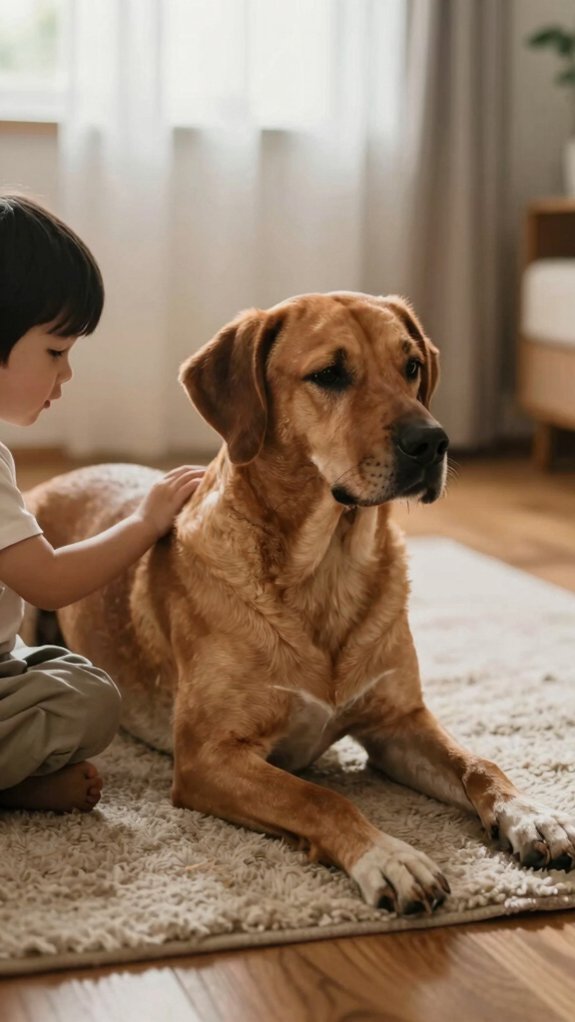
Choose a dog whose energy level matches your real daily routine, because too little exercise can leave an active dog bored and destructive. An activity mismatch may create destructive boredom, so consider your honest schedule before choosing.
| Your routine | Possible matches |
|---|---|
| Active days and mental work | Border Collie, Labrador, Australian Shepherd |
| Gentle daily walks | Cavalier, Beagle, Basset Hound |
| Limited outings | Bulldog, Shih Tzu |
Labels aren’t guarantees, since individual dogs vary. Ask how much time you can provide every day, then choose a companion whose needs fit your household. When you match energy levels, you’ll build a calmer, happier life together.
Think About Grooming Needs
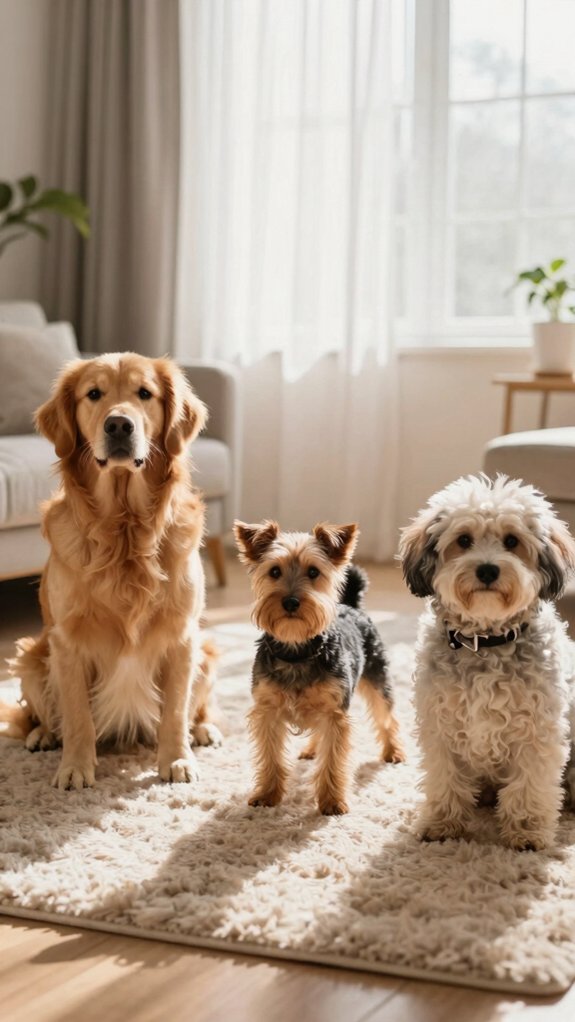
Grooming needs vary widely by coat type, so consider how much time you can give to brushing, bathing, and other routine care. Coat length and shedding frequency shape your daily workload.
Long coats, like those of Shih Tzus and Poodles, need a steady brush routine for mat prevention. Labradors and Cocker Spaniels need regular brushing to manage shedding, while Beagles and Boxers usually need less care.
Plan seasonal coat care when shedding increases, and pay attention to humidity skin health because damp weather can cause irritation. Check the grooming tools needed, then set a realistic bathing schedule that fits your family.
Apartment vs House Living
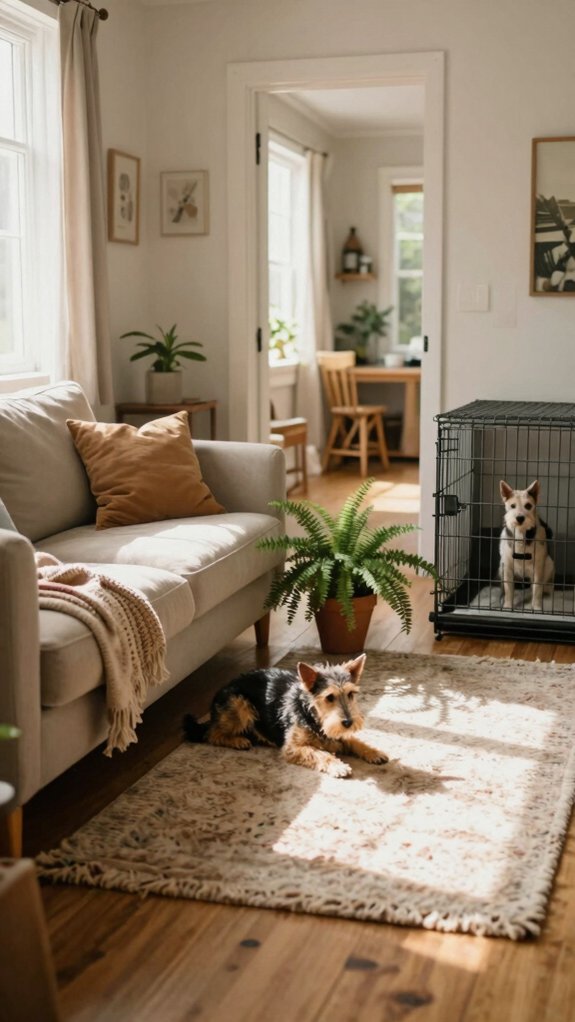
When you’re comparing an apartment with a house, think about how much space and daily exercise your dog will need.
Small to medium breeds, such as French Bulldogs, Cavaliers, and Pugs, often enjoy apartment space comfort when you provide daily walks and enrichment.
A larger home or yard gives your dog more room, but it doesn’t replace structured exercise.
Some medium breeds can thrive in apartments if you offer regular, purposeful walks rather than quick bathroom trips.
Consider sound sensitivity, too, especially with nearby neighbors.
Choose a calmer breed, build a steady routine, and include play or training to prevent boredom-related barking and help everyone feel at home.
Families with Young Children
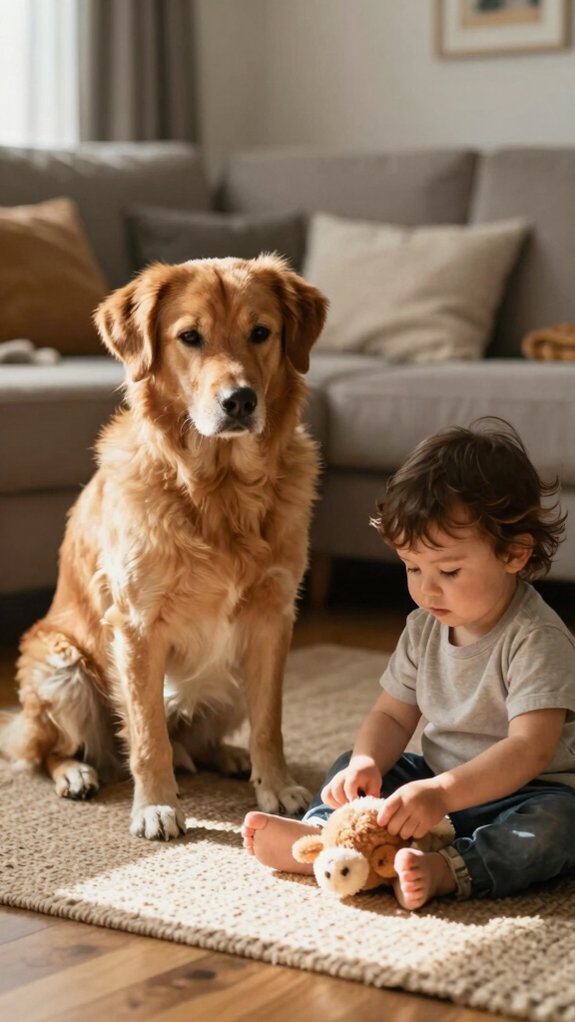
Families with young children should look for a dog known for patience and gentleness, such as a Labrador Retriever or Cavalier King Charles Spaniel. Choose a temperament that handles noise, quick movements, and busy routines calmly.
Match your children’s energy with the dog’s needs, offering daily walks and structured play to prevent boredom. Consistent training helps everyone learn good manners.
Use these supervision tips: stay nearby during play, teach children not to pull ears or disturb eating, and give your dog a quiet retreat. Practice teething safety by providing safe chew toys and storing small items away.
If you have other pets, arrange careful introductions and ask shelters about the dog’s history with children.
First-Time Dog Owners
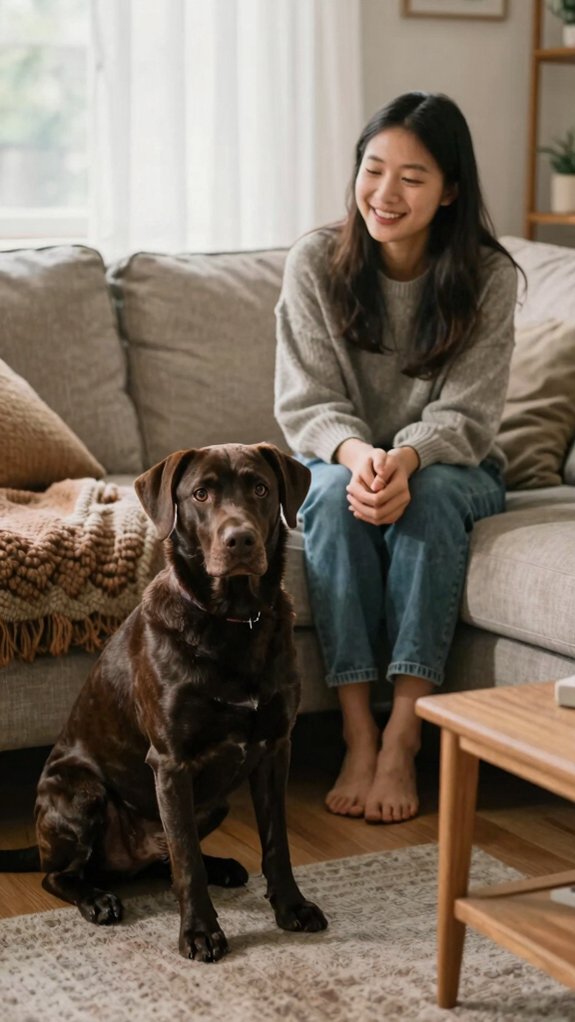
Choosing your first dog can feel simpler if you focus on a predictable temperament and a strong desire to bond with people. Ask shelters or breeders about personality, health, grooming, and training needs.
Choose a trainable, moderately active dog, and commit to daily confidence building training, socialization, and positive reinforcement.
| Priority | Practical step |
|---|---|
| First dog safety | Use dog proofing basics |
| Supervision expectations | Watch new interactions |
| Housebreaking tips | Keep a consistent schedule |
| Behavior red flags | Ask for guidance early |
Labradors, Border Collies, and Beagles may suit beginners, but every dog needs patience, routine, and belonging.
Active Outdoor Lifestyles
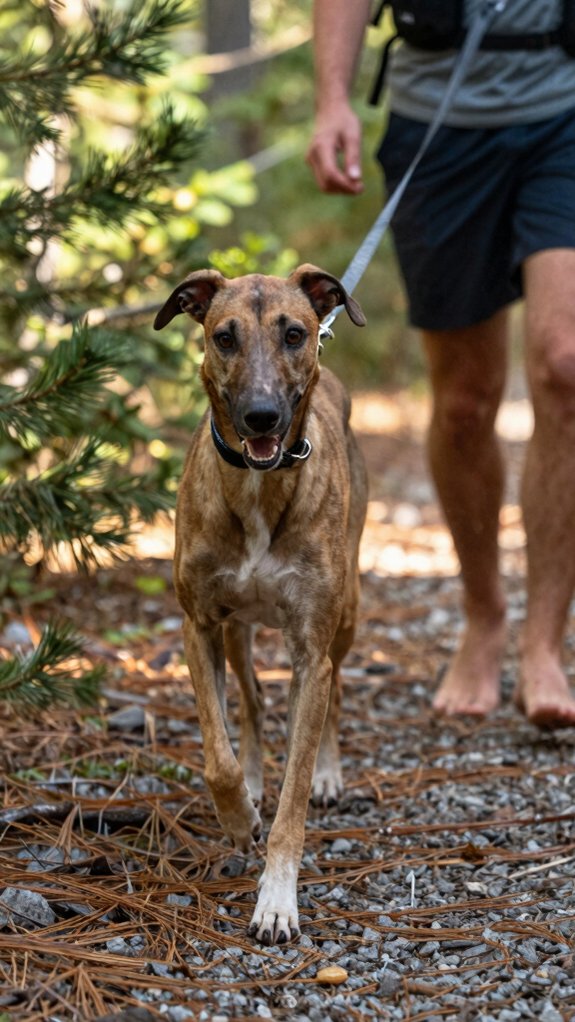
If you enjoy running, hiking, or long walks, look for a dog whose energy matches your outdoor routine. Border Collies and Labrador Retrievers often thrive with structured daily exercise, while Australian Shepherds and Australian Cattle Dogs need physical activity plus mental jobs.
Consider your realistic schedule, not your ideal one. If you prefer daily walks and occasional park visits, a medium-energy breed may fit better than a high-drive dog.
Check trail readiness, including stamina, focus, and leash manners. Weather adaptability also matters if you’ll journey in changing conditions.
The right match supports healthier habits, stronger bonding, and fewer boredom-related behaviors for both of you.
Senior-Friendly Breeds

A senior-friendly dog can offer steady companionship without demanding intense daily exercise, making gentle walks and relaxed routines more manageable. French Bulldogs, Cavaliers, Shih Tzus, and Basset Hounds often suit calmer homes.
Choose a breed whose walking needs match your mobility, schedule, and grooming comfort. Shorter coats may ease care, while larger dogs can need joint support and short-nosed breeds may need breathing awareness.
| Breed | Routine | Helpful focus |
|---|---|---|
| Cavalier | Gentle walks | Vet checkups |
| Shih Tzu | Short outings | Indoor enrichment |
Use comfortable leashes, plan slow introductions, and build belonging through calm companionship. Regular vet checkups help you notice changing comfort needs early.
Questions to Ask Before Choosing
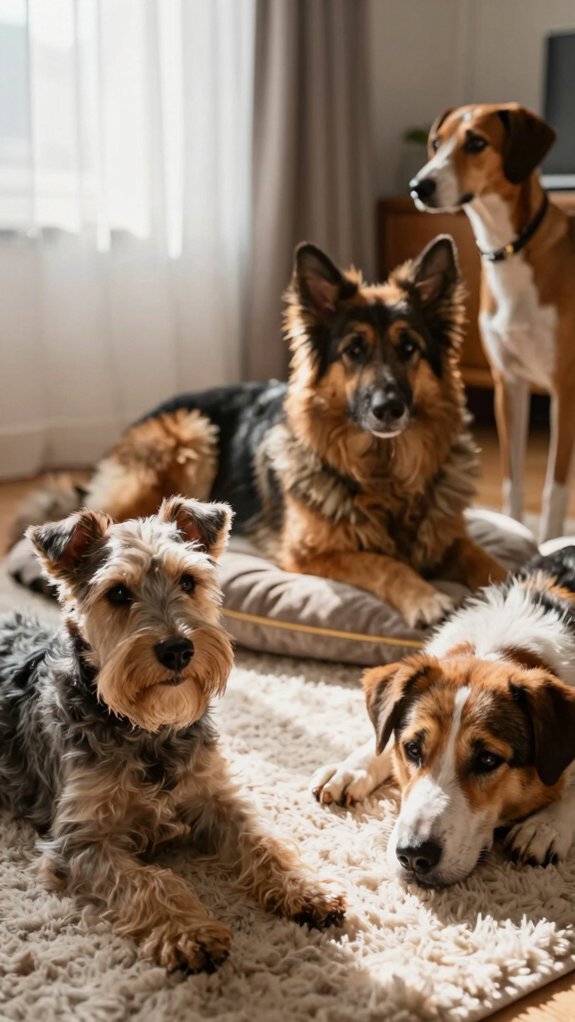
Before you bring home a dog, compare its needs with your daily routine, living space, grooming time, and comfort with training and health concerns. Can you provide gentle walks, one to two hours of activity, or more than two hours?
Will your apartment or yard suit the dog’s size and energy? How much coat care and shedding can you manage? Ask yourself whether you’re ready for a steady training commitment and possible health risks.
If you have children or other pets, consider temperament compatibility. Can you handle visitor alertness and support friendly social behavior? Honest answers help your household and future companion belong together.
Comparing Popular Breeds
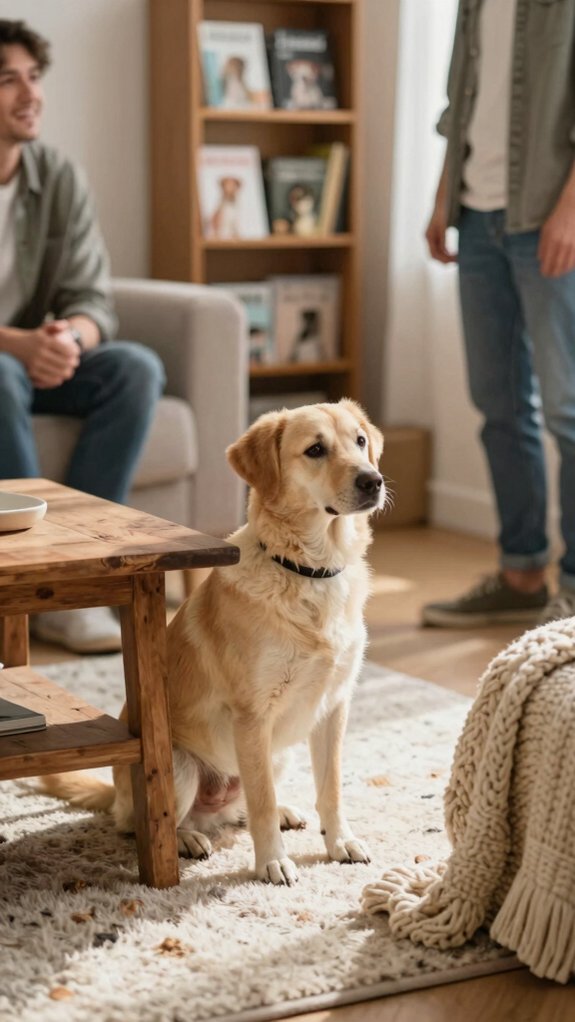
How much time and space can you give a dog each day? Compare breeds with your routine, home, and care budget before choosing your new family member.
| Breed | Best fit |
|---|---|
| Border Collie | Active home, daily training |
| French Bulldog | Smaller space, relaxed walks |
| Golden Retriever | Room, play, regular exercise |
| Shih Tzu | Calm home, frequent grooming |
Border Collies and German Shepherds need structured exercise habits, while French Bulldogs and Shih Tzus often prefer gentler routines. Labradors train easily and need less coat care. Shih Tzus require frequent brushing, and Bulldogs may need patience. Consider health needs, including joint or breathing concerns, and ask about Breed longevity. The right match helps everyone feel at home.