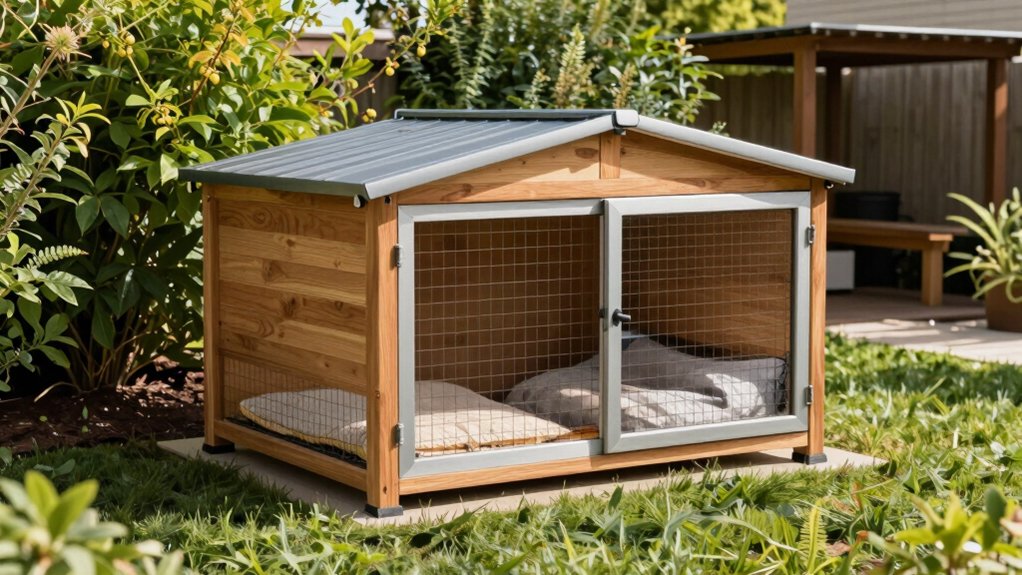

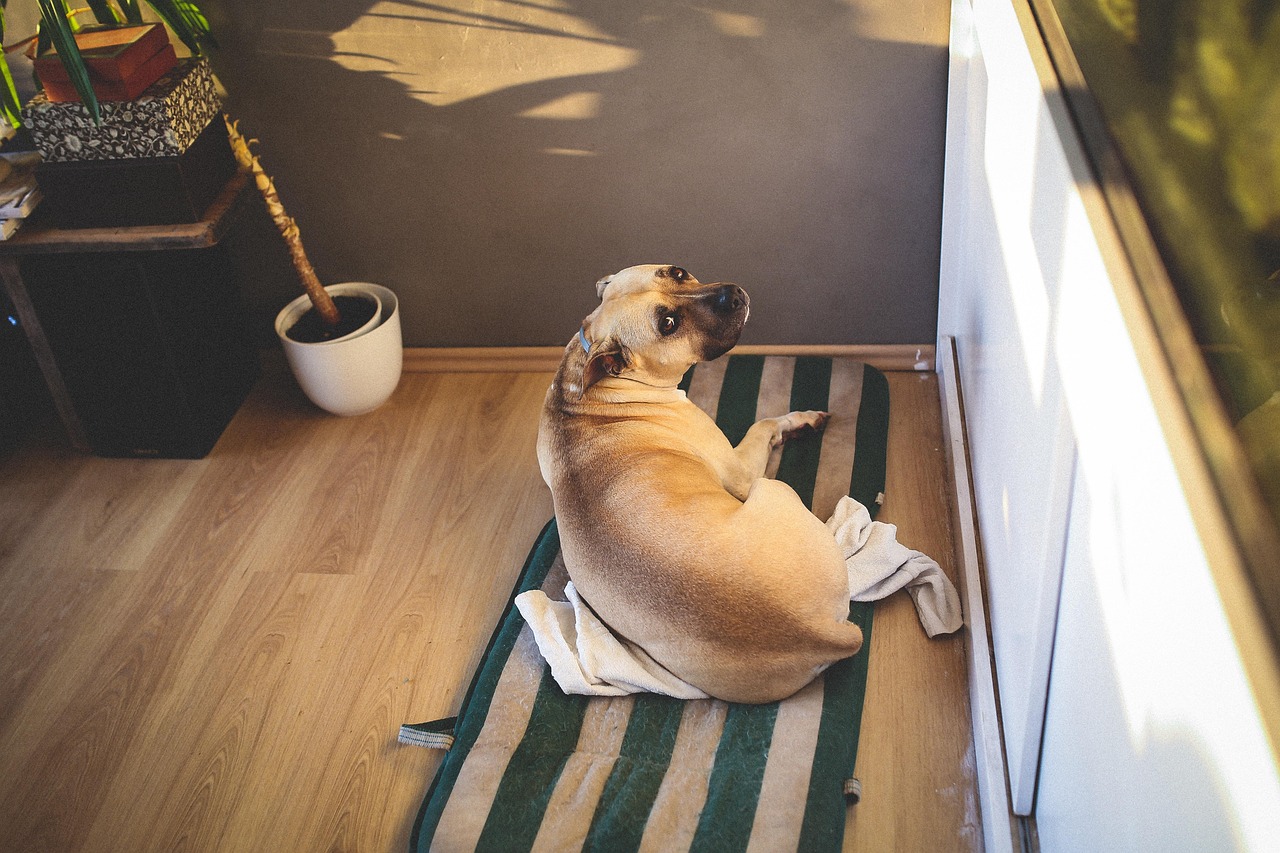
You don’t need an entire room for your dog to have its own space. In a small apartment it’s possible to create a corner with some clever planning so that they have somewhere to relax, store their items and not allow their toys and bed to take over. You just need to make sure that you’re planning the corner around their lifestyle.
Disclosure: This post may contain Amazon affiliate links, at no extra cost to you. Content on Pawtangle is created with research support from AI tools and carefully reviewed, edited, and fact-checked by the lead author, Dr.Fahri Pat , to ensure accuracy and reliability. Learn more
The ideas below will help solve any issues you may have with your dog’s corner. Blocked walkways, loud places to relax, messy toys, awkward feeding areas and pretty corners that aren’t comfortable for your dog. With a few adjustments you’ll be able to create a corner which works well for you both.
Find the Right Corner by Watching Your Dog First
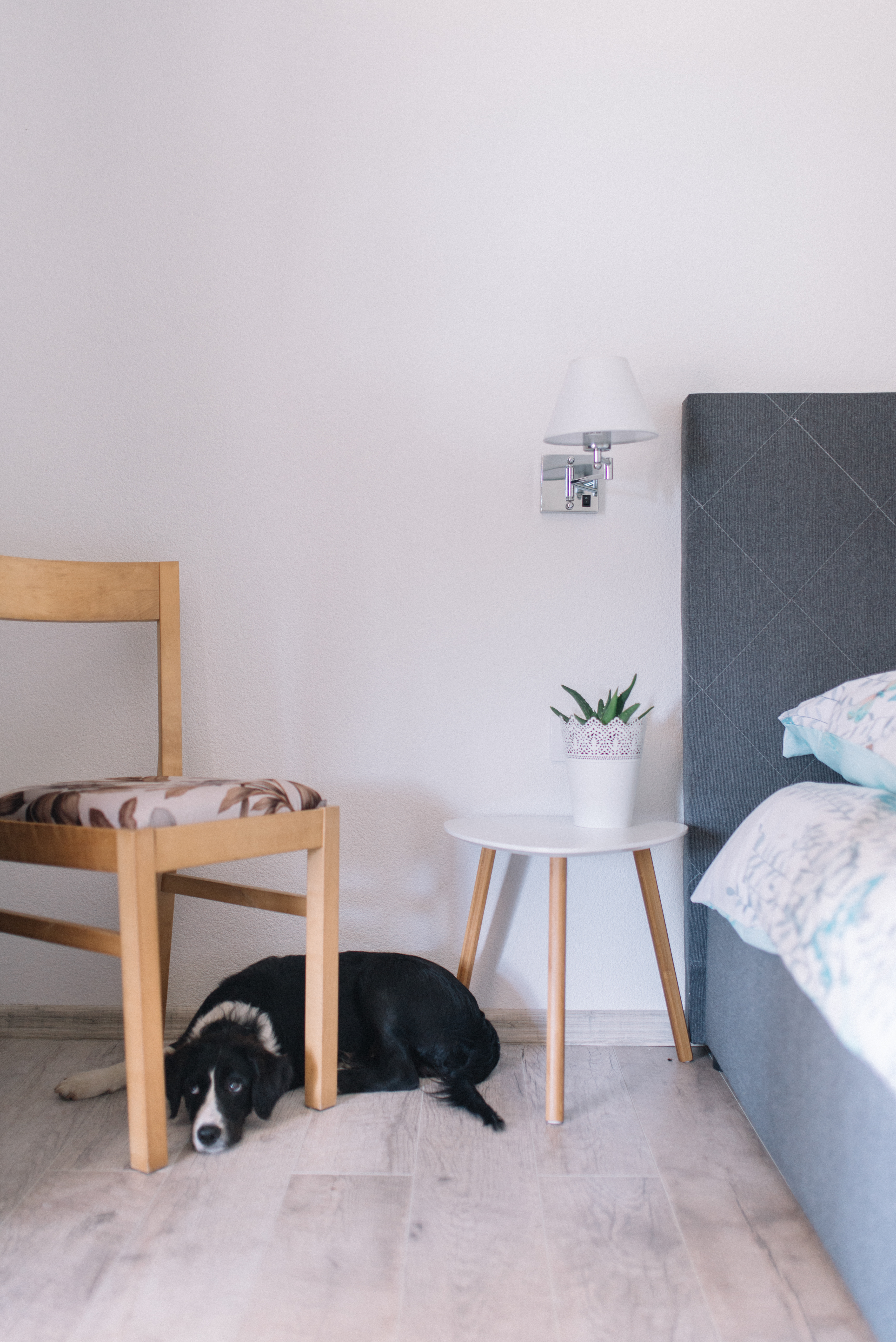
Before you move any furniture or purchase a new bed, spend a day observing your dog’s natural sleeping areas. Does it like to lie down next to your sofa when you’re watching TV? Does it like to sleep in a quiet area of the house away from guests? Is it always following you around and sleeping by your desk?
These habits offer a better starting point than choosing a location based only on interior design. A corner that looks perfect in a photograph may be unsuitable if people constantly walk past it or if the dog cannot relax there undisturbed. The Dogs Trust guidance on creating a safe space is a useful reference when deciding where your dog can retreat and rest.
- For a social dog: Try a bed beside the sofa or near the family seating area, provided the location is not too busy.
- For a dog that prefers quiet: Consider a calm corner away from the television, entrance, and frequent foot traffic.
- For a dog that follows you around: A resting mat near your desk may work better than a bed in an unused room.
- For a nervous dog: Offer a sheltered, comfortable place with an easy exit and no pressure to interact.
Dogs differ in how much closeness or privacy they prefer. The aim is not to force every dog into the same type of nook, but to provide a resting place the dog can choose to use.
Build the Corner Around Three Everyday Needs
Every item in a small home should have a purpose. Rather than having a corner full of accessories, have three areas to help you relax, store your essentials and keep you busy.
A Resting Spot That Stays Undisturbed
Choose a bed or mat large enough for your dog to stretch out in their normal sleeping position(s), easy to get on and off, and the right size for your dog. Ensure it is in an area that is not too cold (draughty) or hot (direct sunlight). Ensure there is enough space around the bed/mat for them to stand up and turn around without bumping into furniture.
For additional guidance, read the RSPCA advice on providing a suitable home environment for dogs. Comfort includes more than the bed itself; location, access, and the ability to rest without disturbance matter too.
Essentials Within Easy Reach
Have some everyday items on hand such as a water bowl, lead and a few toys. Ensure that the water is always fresh. If having the bowl beside the bed causes spillage or a wet area, place it somewhere nearby. A washable mat nearby can help protect your floor.
Room for Simple Enrichment
Leave some clear floor space for a short training session, a sniffing game, or quiet interaction. A dog corner does not need to contain every toy and activity. Some forms of enrichment, including walks and supervised play, happen elsewhere in the home or outside. The Blue Cross guide to dog enrichment explains how activities can be adapted to individual preferences.
Make Small Spaces Work Without Blocking Walkways
One of the most common issues people have with small spaces is where to place a dog bed. If you have a high traffic doorway next to your bed then people will have to walk over your dog. Or if you have a water bowl in a small kitchen hallway then this can easily be knocked over.
Try to picture how your dog will see the room. Ensure that the path between your bed, water, door and where your family are all in the same line. If your dog is having to wriggle between chairs, or move around bags and shoes to get to something important then try to make the space simpler.
Place your bed against a wall to create a calmer, more predictable sleeping spot.
- Ensure doors, hallways and high traffic areas are clear.
- Move your water bowl away from areas that are regularly kicked or bumped.
- Store leads, bags and toys in vertical storage rather than another basket on the floor.
- Ensure there is enough space for your dog to easily come and go from their sleeping spot.
Don’t create a tight gap between your furniture. Your dog should be able to easily come and go from their sleeping spot, especially if they are feeling anxious or need some personal space.
Use Furniture You Already Own to Create a Dog Nook
You do not necessarily need a custom-built dog nook. Existing furniture can help define a comfortable area, provided the structure is stable and the space is safe. The best solution is often the simplest one.
Washable mat or bed
Place a washable bed or mat next to the sofa so your dog can have a place to lie down close to you.
Strong table
Only use this area if your dog has free access to come and go and there are no wires or unsafe items.
Quiet corner
Add a bed and one or two familiar items. Ensure there is free access.
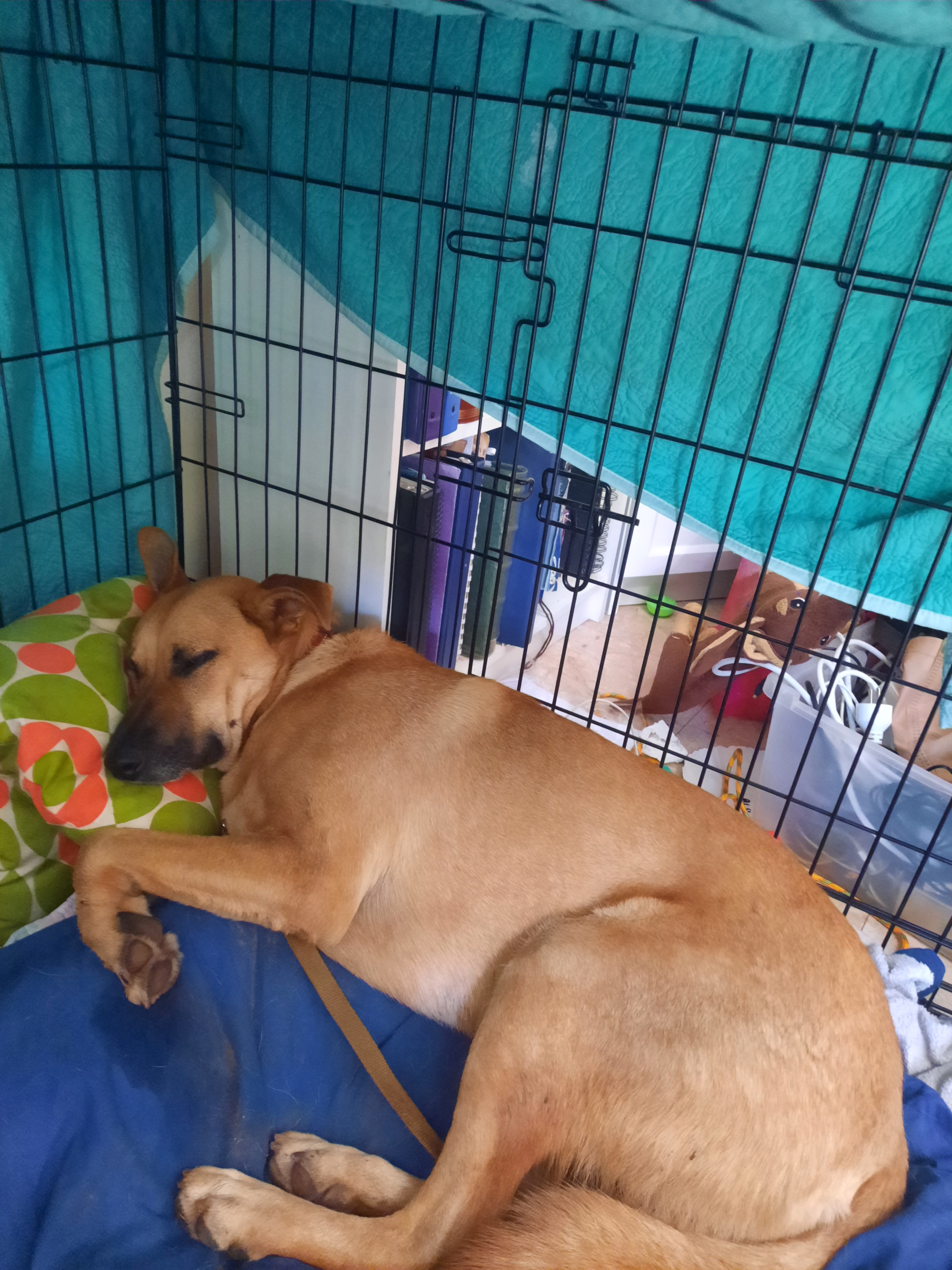
Open crate
Some dogs like to have a crate to curl up in. Ensure the crate is the right size, has good ventilation and your dog can easily get in and out. Never use the crate as a punishment.
Low cabinet
Keep leads and toys in the cabinet or on top. Ensure the cabinet is stable and any dangerous products are out of reach.
Do not place your dogs bed under any unstable shelving, next to heaters or any furniture which may move. If you cover part of the crate ensure there is good ventilation and your dog cannot drag the covering into the crate or chew it dangerously.
Keep Toys Organized Without Removing the Fun
This can lead to a very messy small living room. However, it is not always practical to keep them all out of reach. Instead, we should aim to have a small variety of toys on hand that we can easily rotate based on our dogs interests and chewing style.
Have a sturdy basket or low storage box that your dog can’t easily knock over. Keep toys that need supervision separate to those that are suitable for your dog to play with on their own. Check regularly for any toys with loose parts, torn fabric, stuffing showing or any parts that could be a choking hazard.
- Have a few familiar toys on hand.
- Rotate a few toys to provide variety.
- Keep food puzzles and training treats separate.
- Ensure toys are suitable for your dogs size, chewing strength and play style.
- Supervise any new or homemade enrichment items. Especially if your dog has a tendency to rip up or eat materials.
Enrichment can also be simple and inexpensive. A short reward-based training session or a supervised sniffing game may offer more value than another decorative toy. See the Blue Cross recommendations for dog enrichment activities for more ideas that can be adapted to your dog’s needs.
Choose Flooring and Fabrics for Real Life
The most beautiful dog corner can be an issue if the bed moves, gets matted with fur or is difficult to clean. Choose the right materials for your dog and yourself.
Use a non slip mat if the bed will move on smooth floors.
Ensure the bedding can be washed. Check the care label.
Keep it dry and wipe away any wet blankets.
Ensure that the rug does not curl up and cause a trip hazard.
If your dog is elderly or has mobility issues ensure they have easy access and stable footing.
Some dogs like a soft bed whilst others prefer a flat mat or cooler surface. If your dog is avoiding the new bed regularly, don’t just add extra cushions. Observe where your dog like to rest and change the texture, location or how enclosed the bed is.
Make the Corner Work for Puppies and Older Dogs
A corner that works for a young, agile dog may not suit a puppy that chews everything or an older dog that finds it difficult to stand up. Adapt the setup to the animal using it rather than relying on one design for every life stage.
For Puppies That Explore With Their Mouths
Keep electrical cables, small objects, medications, cleaning products, and other hazards out of reach. Choose easy-to-clean bedding and provide appropriate chew toys. Supervise new items and avoid leaving a puppy with anything it can shred and swallow.
For Senior Dogs or Dogs With Mobility Issues
Place the bed on a stable, accessible surface and avoid requiring the dog to climb over furniture or step through narrow gaps. A non-slip path may help on smooth floors. If the dog struggles to stand, settle, or move around, ask a veterinarian whether pain or another health issue could be contributing.
For Dogs That Need More Privacy
Find a quieter area, away from noisy appliances and busy areas. It can be useful to create a visual barrier using furniture however do not prevent the dog from exiting. All family members and visitors should know that this is a resting area and should not be used to disturb or interact with the dog.
A quiet area can be useful for dogs who become anxious with visitors or household activity however should not be used to force the dog to isolate. If your dog is consistently showing signs of fear or has trouble calming down, a vet or qualified behaviour professional can help identify the cause.
Use a Dog Corner to Support Calm Routines
Providing a specific area can help your dog to get into a routine. This can include keeping leads at the door, toys in one basket and a place for your dog to relax. Whilst this can help you to have structure in your home, a dog corner is not a substitute for any exercise, socialisation, training or outdoor time.
- Offer water and allow your dog to relax.
- Replace the toys in their storage area.
- Provide short positive training sessions or appropriate searching games.
- Leave the area available for your dog to rest.
- Allow your dog to leave the area and find somewhere else to be comfortable.
If your dog is struggling to relax, constantly barking or becoming upset when left alone, adding a bed or changing the layout of the room may not be the answer. Consider if your dog is getting enough exercise, stimulation, is in good health and has their emotional needs met. If so, seek professional help from a vet or behaviourist.
A Five-Minute Dog Corner Audit
To help you decide what changes you can make to improve things, have a quick check.
- Accessibility – Can your dog easily get to their bed and water without having to wriggle through furniture?
- Quiet – Is your dog able to sleep undisturbed in their corner?
- Comfy – Is their bed the right size for their size, age and sleeping position?
- Safe – Are there no wires, small items, wobbly furniture or dangerous items?
- Easy to clean – Can you easily remove any fur, wash bedding and sweep the floor?
- Freedom – Can your dog move around freely and have somewhere else to rest?
- Enrichment – Is your dog getting walks, socialisation and the right activities?
If you can answer no to any of these questions then try to improve this before spending money on new accessories. Often just moving their bed a little, having one clear walkway and moving their water bowl will help improve their space.
Frequently Asked Questions
Where should I put a dog corner in a small apartment?
Start with a place your dog already likes, then check noise, foot traffic, drafts, and access. A corner beside the sofa or in a quiet part of the living room can work well if it does not block a walkway.
Does my dog need a separate room?
No. A dog can have a comfortable resting area within a shared room. What matters is that the space is safe, accessible, and available for undisturbed rest.
Should I put my dog’s food and bed together?
Not necessarily. Keep water accessible, place food bowls where they are stable and easy to clean, and separate them from the bed if spills or activity interfere with rest. The best arrangement depends on the room and your dog’s habits.
Can I use a crate as a dog nook?
Yes, if your dog is comfortable using a crate and it is appropriately sized, ventilated, and introduced positively. It should never be used as punishment, and the dog should not be forced into a space that causes distress.