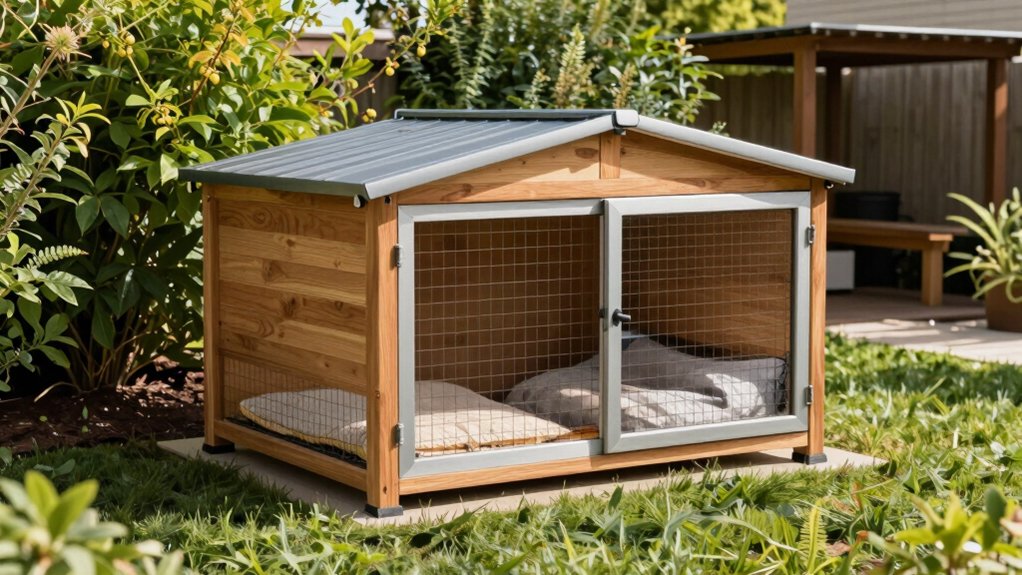
If your dog has diarrhea, start with a short fast (12–24 hours) while offering fresh water, then give small bland meals (boiled chicken and rice) and plain canned pumpkin to firm stools. Use vet-recommended probiotics and monitor hydration, attitude, and stool closely. Collect a fresh stool sample if parasites are suspected and reintroduce regular food gradually. Contact your veterinarian for persistent diarrhea, vomiting, blood, or in puppies and seniors — continue for detailed, practical steps.
Disclosure: This post may contain Amazon affiliate links, at no extra cost to you. Content on Pawtangle is created with research support from AI tools and carefully reviewed, edited, and fact-checked by the lead author, Dr.Fahri Pat , to ensure accuracy and reliability. Learn more
Key Takeaways
- Temporarily fast dogs for 12–24 hours (water available) to let the gut rest and reduce diarrhea severity.
- Offer a bland diet (plain cooked rice and chicken, 2:1 rice-to-chicken) in small, frequent portions.
- Use veterinarian-recommended probiotics (Lactobacillus, Bifidobacterium) and maintain fresh water to prevent dehydration.
- Monitor stool consistency, attitude, mucous membranes, and hydration; expect improvement within 48–72 hours.
- Seek veterinary care if diarrhea lasts >48–72 hours, includes blood or vomiting, or affects puppies/senior dogs.
Temporary Fasting for Digestive Rest

If your dog has acute mild diarrhea, withholding food for 12–24 hours can let the gastrointestinal tract rest and may shorten symptom duration; always keep fresh water available to prevent dehydration. You’ll use a controlled fasting duration to allow digestive recovery, removing undigested food and irritants that perpetuate inflammation. During fasting, monitor attitude, mucous membranes, skin turgor, and stool to detect worsening or dehydration. After the fast, reintroduce small, measured meals and observe tolerance. This evidence-based approach reduces GI workload and supports recovery while keeping you connected to a community of attentive caregivers committed to safe, measured care.
Bland Diet with Boiled Chicken and Rice
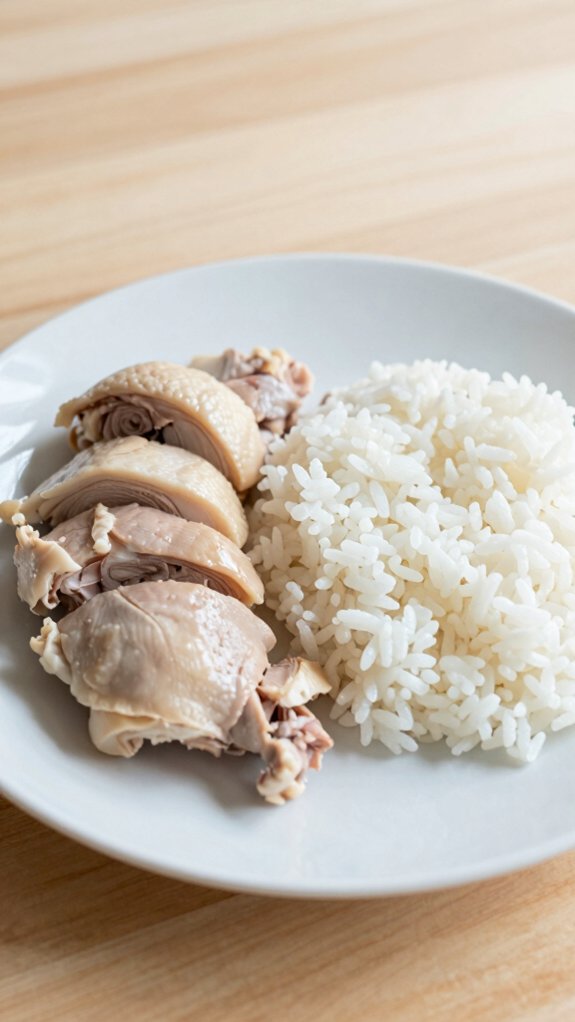
When your dog shows mild, acute diarrhea, a bland diet of plain boiled chicken and white rice can reduce gastrointestinal workload and promote firmer stools. You should withhold regular dog food for 12–24 hours, then offer a 2:1 rice-to-chicken mix, cooked plain without seasonings or oils. Maintain small, frequent portions and monitor hydration and stool consistency. After 1–2 days of normal stools, gradually reintroduce regular dog food to avoid recurrence. This evidence-based, communal approach helps you care confidently for your pet.
| Benefit | Action |
|---|---|
| Easy digestion | Boiled, unseasoned |
| Adjustment plan | Gradual reintroduction |
Plain Pumpkin for Stool Firming
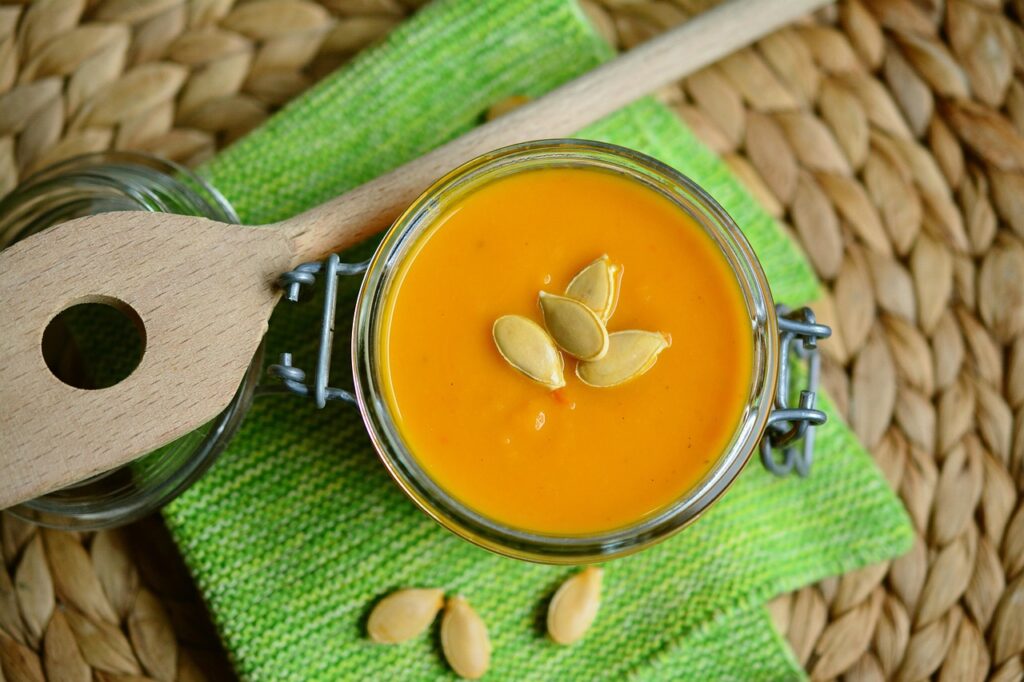
Although not a cure-all, plain canned pumpkin provides soluble fiber that often helps bind loose stools and normalize bowel movements in dogs. You can use pureed pumpkin (not pie filling) as a short-term, supported intervention; evidence shows its soluble fiber firms stool and helps regulate transit. Note pumpkin benefits include low calories and vitamins A, C, E alongside fiber. Follow serving guidelines: typically 1–4 tablespoons mixed into food based on dog size. Verify plain pumpkin without sugars, spices, or preservatives. If diarrhea persists, worsens, or includes blood, contact your veterinarian for additional evaluation and care.
Probiotics for Gut Balance
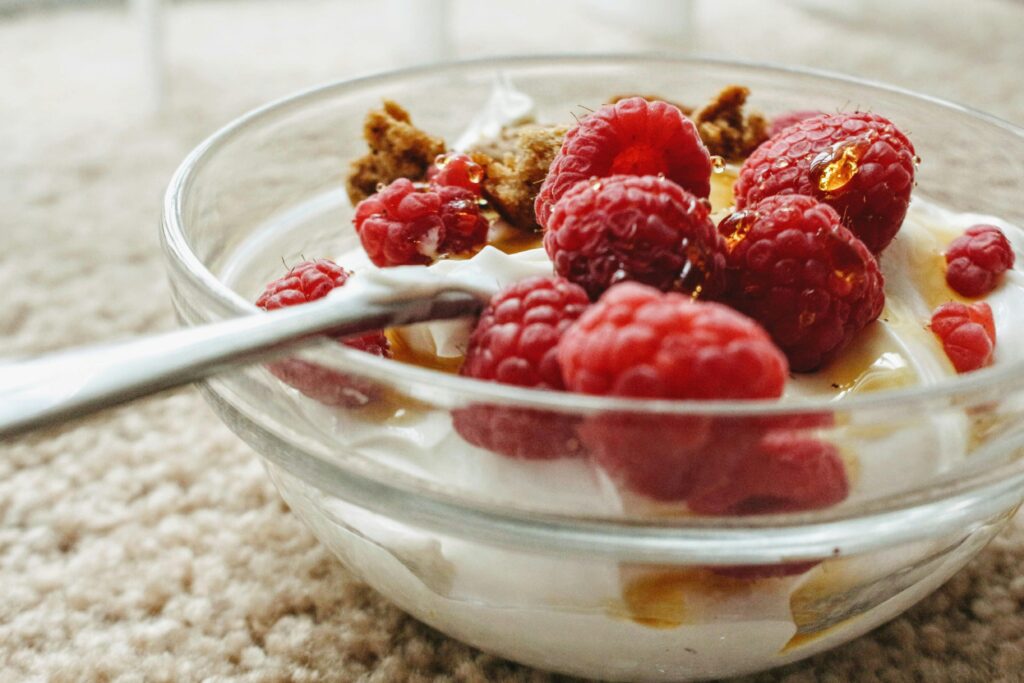
Plain canned pumpkin can help firm stool, but restoring the gut’s microbial balance often requires more targeted support, and that’s where probiotics come in. You’ll want evidence-based probiotic strains like Lactobacillus and Bifidobacterium to repopulate beneficial bacteria and reduce diarrhea duration. Choose forms you’ll reliably give—powders, capsules, or treats—and consult your veterinarian.
- Confirm probiotic strains and product quality.
- Match formulation to your dog’s age and condition.
- Follow veterinarian-recommended dosage guidelines precisely.
- Monitor stool consistency and clinical response; report concerns.
You’re not alone; these steps help you protect digestion and immune resilience.
Hydration Support with Fresh Water
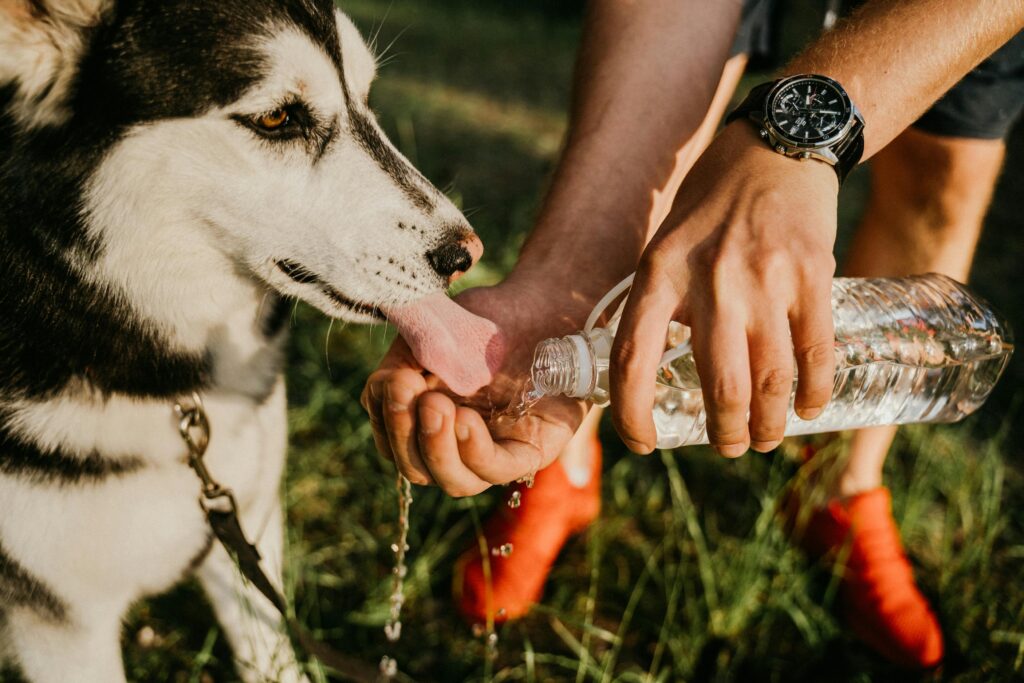
Because diarrhea can cause rapid fluid loss, keep fresh, clean water available at all times and encourage your dog to drink frequently to prevent dehydration and support recovery. You should monitor intake, offering water at room temperature or slightly cool; appropriate water temperature can increase acceptance. If your dog won’t sip, try low-sodium chicken broth diluted into water to entice drinking. Track hydration signs—steady urination, elastic skin tent, and alertness—and record volumes offered and consumed. If drinking is inadequate or signs of dehydration appear, seek veterinary care for possible fluid therapy. This routine supports recovery while you stay attentive and connected.
Electrolyte Support for Dogs
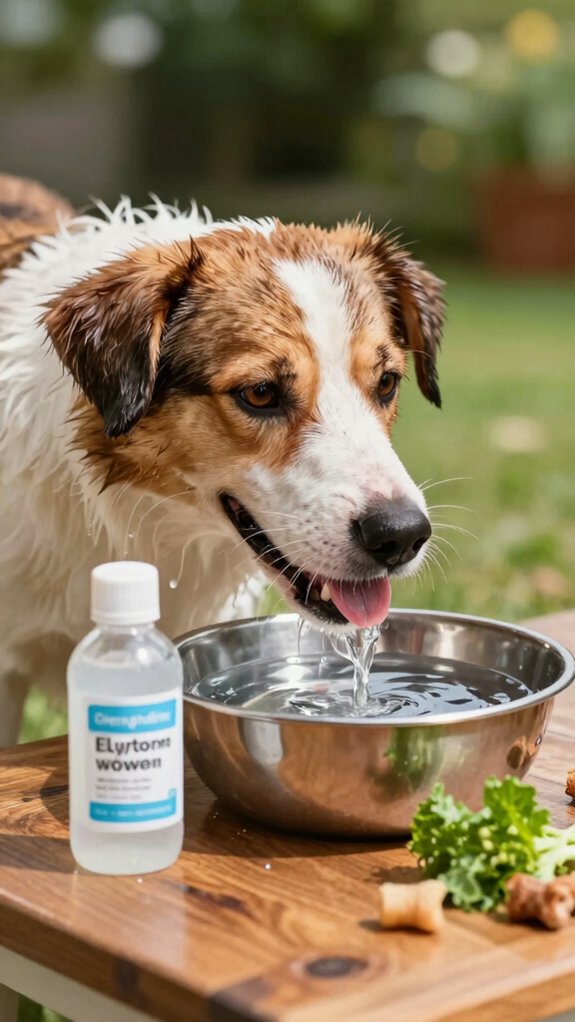
When diarrhea interrupts your dog’s fluid balance, supplying an appropriate electrolyte solution can quickly restore sodium, potassium, and chloride levels and reduce the risk of dehydration-related complications. You should prioritize veterinary-approved electrolyte types and simple hydration methods to correct deficits safely. Commercial pet solutions are balanced; homemade mixes (low-sodium chicken broth, water, little sugar) are a temporary option. Keep fresh water available, monitor intake, and watch for lethargy or poor skin turgor. Always consult your veterinarian before giving supplements; they’ll tailor recommendations to severity, size, and concurrent illness so you and your dog feel supported and confident.
- Offer veterinary-formulated solution
- Use homemade cautiously
- Maintain constant fresh water
- Seek veterinary guidance
Switching to Easily Digestible Food
If your dog has diarrhea, switching to easily digestible food can reduce intestinal workload and help firm stools; start with simple proteins (boiled chicken or lean ground beef) mixed with white rice and feed small, frequent portions. You’ll want to shift over 1–2 days so the gut adjusts without irritation. Add canned pumpkin for soluble fiber to help bind stool. Keep meals free from rich ingredients and maintain dietary consistency during recovery. Consider veterinarian-recommended sensitive-stomach dog food options if symptoms persist. For owners preparing homemade meals, document ingredients and consult your vet to guarantee nutritional adequacy and safe recovery.
Removing Potential Food Triggers
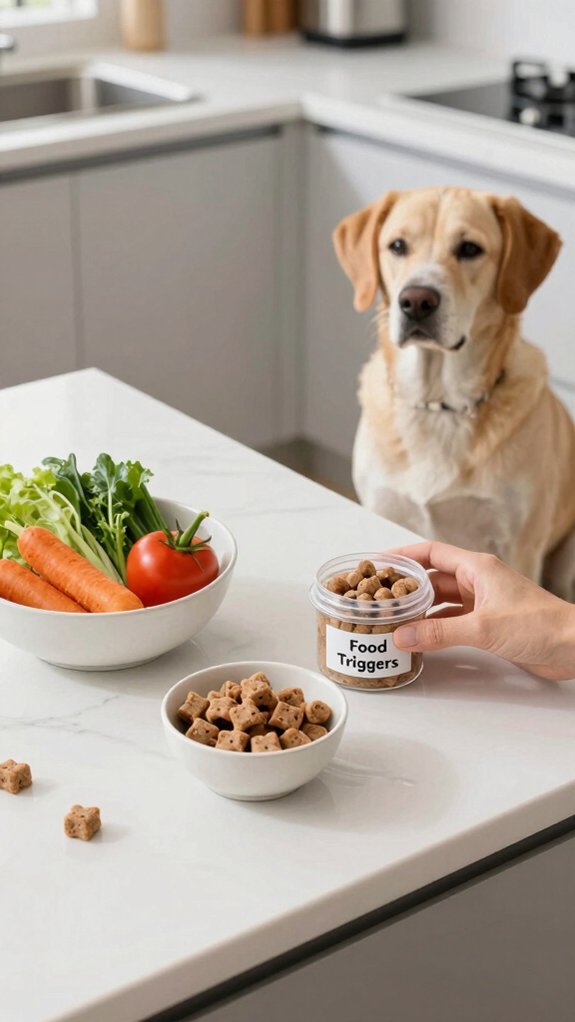
Although dietary mistakes and hidden treats often trigger gastrointestinal upset, you can reduce recurrent diarrhea by removing recent or suspect items from your dog’s diet immediately and observing for improvement. Use a systematic, evidence-based approach to identify food sensitivities and make targeted dietary adjustments. Keep a concise log, note timing of symptoms, and consult your veterinarian about elimination trials and hypoallergenic options. Change new diets gradually over 7–10 days to avoid confounding changes. You belong to a community of caregivers working toward reliable solutions.
- Remove table scraps, rich or spoiled foods
- Note grains, dairy, specific proteins
- Log intake and symptoms
- Vet-guided elimination diet
Reducing Stress and Anxiety
Because stress can trigger or worsen diarrhea in dogs, you should address anxiety as part of gastrointestinal care. You’ll reduce anxiety triggers with consistent routines—regular feeding, walks, and play—and by offering a quiet retreat during high-stress events. Use evidence-based calming techniques: gentle massage, engaging play, and veterinarian-approved supplements or pheromone diffusers. Create predictable schedules to encourage security and belonging, and monitor responses to interventions. Below is a simple visual cue table to guide implementation.
| Action | Purpose |
|---|---|
| Routine | Stability reduces stress |
| Massage/Play | Promotes relaxation |
| Diffusers/Supplements | Pharmacologic support |
| Safe space | Immediate retreat option |
Monitoring Stool Consistency
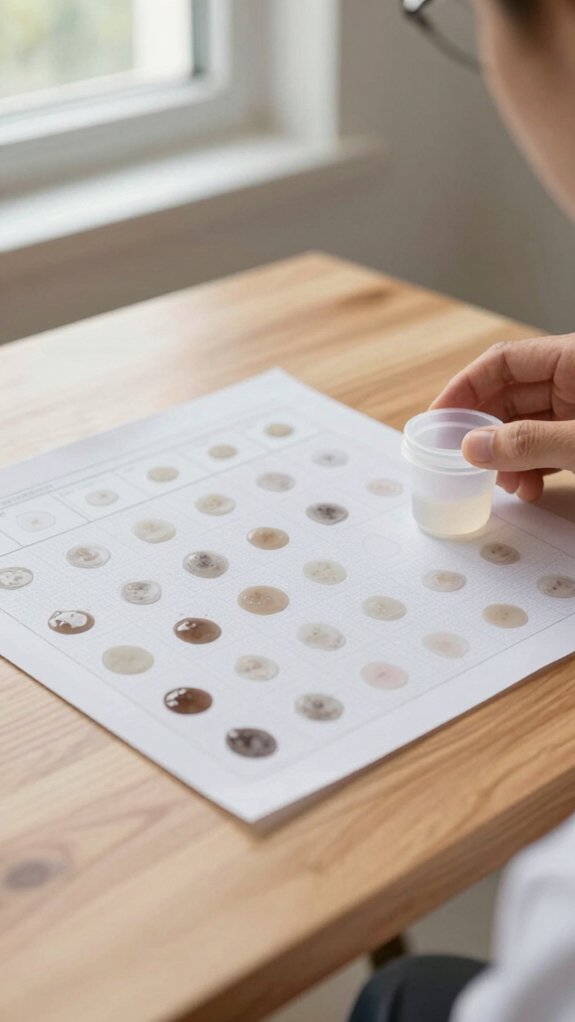
When you monitor stool consistency closely, you gain a practical indicator of diarrhea severity and treatment response. You’ll use stool charting and consistency tracking to assess firmness, frequency, color, and mucus presence. Keep concise records to share with your vet if needed.
- Note form: firm, soft, watery, or mucous-filled.
- Track color: normal brown, pale, black, or bloody signals urgency.
- Timeframe: expect improvement within 48–72 hours; no change prompts veterinary consult.
- Context: record diet, meds, stressors and other symptoms.
This evidence-based approach helps you and your community support the dog’s recovery.
Avoiding Human Medications
If your dog develops diarrhea, don’t reach for human over‑the‑counter remedies—many contain ingredients that can harm pets and mask serious conditions, delaying proper diagnosis. You should avoid giving Pepto Bismol, Imodium, or similar products without direction: bismuth subsalicylate and other actives can cause adverse reactions and toxicity. Recognize human medication dangers and resist well‑meaning advice from nonveterinarians. Instead, contact your clinic without delay; veterinary consultation importance is real—your vet can assess causes, recommend safe, evidence‑based treatments, and prevent symptom masking. You belong to a community that protects pets by prioritizing veterinarian‑approved care over DIY medication.
Checking for Parasites
After ruling out unsafe self‑medication, check your dog for intestinal parasites as a common cause of diarrhea. You’ll collect a fresh stool sample and bring it for fecal testing; vets identify roundworms, hookworms, Giardia and other agents. Puppies show parasite symptoms more often, including diarrhea, vomiting and weight loss. Follow veterinary deworming protocols to treat and prevent recurrence.
- Bring a fresh stool sample for fecal testing.
- Note parasite symptoms: diarrhea, bloating, lethargy, appetite or weight change.
- Prioritize puppies and young dogs for screening.
- Follow your vet’s deworming and follow‑up plan.
Gradual Food Transitions
Because sudden diet changes can trigger recurrence, change your dog back to their regular food gradually: mix about 25% regular food with 75% bland diet and increase the regular-food proportion by roughly 25% every 48 hours as long as stools stay normal. You’ll monitor stool consistency and pause or reduce the regular-food mix if loose stools recur. Begin changes only after 1–2 days of normal bowel movements. For dogs with food sensitivities, maintain a limited-ingredient option during dietary adjustments. This evidence-based, community-minded approach to gradual reintroduction minimizes relapse risk and supports predictable gastrointestinal recovery.
When to Call the Veterinarian
When should you call the veterinarian? You should act when diarrhea causes concern beyond a simple, short-lived episode. Watch for dehydration signs and other red flags; timely care prevents deterioration.
- Persistent diarrhea over 1–2 days or no improvement after four days of home remedies.
- Any vomiting, blood in stool, marked appetite or behavior changes.
- Young puppies or senior dogs showing symptoms—higher complication risk.
- Clear dehydration signs: excessive thirst, dry gums, lethargy.
These criteria reflect clinical guidance; contact your vet to evaluate causes, consider diagnostics, and join a supportive care plan.
Preventing Future Digestive Issues
If you want to reduce the chance of repeat episodes, focus on gradual, predictable changes and routine care: switch diets over about a week, keep feeding times and a high-quality formula consistent, limit access to human food and garbage, and add a veterinary-recommended probiotic as part of regular feeding. You should prioritize dietary consistency and strict feeding schedules, monitor weight and stool, and schedule routine veterinary checks. Evidence supports slow adjustments and probiotics to stabilize microbiota. Create a household plan so everyone follows the same rules; belonging to a consistent care routine lowers stress for you and your dog and reduces relapse risk.
Frequently Asked Questions
Can Senior Dogs Receive the Same Remedies for Diarrhea?
Sometimes, but you shouldn’t assume it: senior nutrition and digestive health require tailored approaches, so you’ll consult your veterinarian; they’ll recommend adjusted doses, specific diets, and monitoring to protect organ function and overall well-being.
Are There Breed-Specific Digestive Sensitivities to Consider?
Yes — about 25% of breeds show breed sensitivities to specific diets; you’ll note genetic risks like pancreatitis in Schnauzers. You should follow evidence-based dietary restrictions, consult your vet, and join breed-specific support groups.
Can Diarrhea Be Contagious to Other Household Pets?
Yes — diarrhea transmission can occur between pets, especially with infectious causes (viral, bacterial, parasitic); you should isolate affected animals, practice strict hygiene, and consult your veterinarian to protect overall pet health and household companions.
How Do Medications for Other Conditions Affect Diarrhea Treatment?
Like tending a shared hearth, you must check medication interactions because concurrent drugs can worsen or mask diarrhea; your vet will make treatment adjustments based on evidence, drug effects, and your dog’s overall therapy to keep them safe.
Is There a Role for Fiber Supplements Beyond Pumpkin?
Yes — you can use other fiber sources like psyllium, ground flaxseed, or beet pulp to support digestive health; consult your vet for dosing, as evidence supports tailored fiber addition to stabilize stool and restore microbiome balance.