

Medium breeds hit that perfect sweet spot for active families—weighing 22–55 pounds, they’ve got genuine stamina for hiking without becoming a wrestling match in your living room. Australian Shepherds and English Springer Spaniels deliver high-octane energy needing 90+ minutes daily, while Beagles and Cocker Spaniels adjust better to mixed routines. The real trick? Honest self-assessment. Mismatch a herding breed’s drive with apartment life, and you’ll face midnight zoomies and chewed furniture. Matching energy levels prevents frustrated owners and unhappy dogs.
Disclosure: This post may contain Amazon affiliate links, at no extra cost to you. Content on Pawtangle is created with research support from AI tools and carefully reviewed, edited, and fact-checked by the lead author, Dr.Fahri Pat , to ensure accuracy and reliability. Learn more
Key Takeaways
- Medium breeds (22–55 pounds) balance stamina and manageability for active families without excessive handling demands.
- Australian Shepherds and Border Collies require 1.5–3+ hours daily exercise plus advanced mental stimulation for optimal behavior.
- Cocker Spaniels and Brittanys thrive with 45–60 minutes daily activity, fitting active family routines with moderate training needs.
- Early socialization and consistent, structured training prevent destructive behaviors like midnight zoomies and excessive barking in high-energy breeds.
- Honest lifestyle assessment—considering available walking routes, yard access, and daily schedule—prevents mismatches between breed energy and family capacity.
Why Medium Breeds Excel for Active Families

Ever watch your dog stare longingly out the window at 6 a.m., knowing you’ve got a packed day ahead?
Medium breeds—those perfect 22–55 pound companions—strike that sweet spot between manageable and mighty. They’ve got the stamina to keep up with your hiking adventures and neighborhood exploration without exhausting you during walks.
Unlike larger dogs, they’re easier to handle during family bonding moments. Two daily walks plus playtime? That’s usually enough. Many medium breeds, especially working types like Australian Shepherds, actually *thrive* on consistent exercise and mental challenges.
Here’s the real win: they adjust beautifully to apartments or homes with yards, as long as owners stay committed to regular activity.
How to Choose: Energy Level, Training Difficulty, and Space Needs
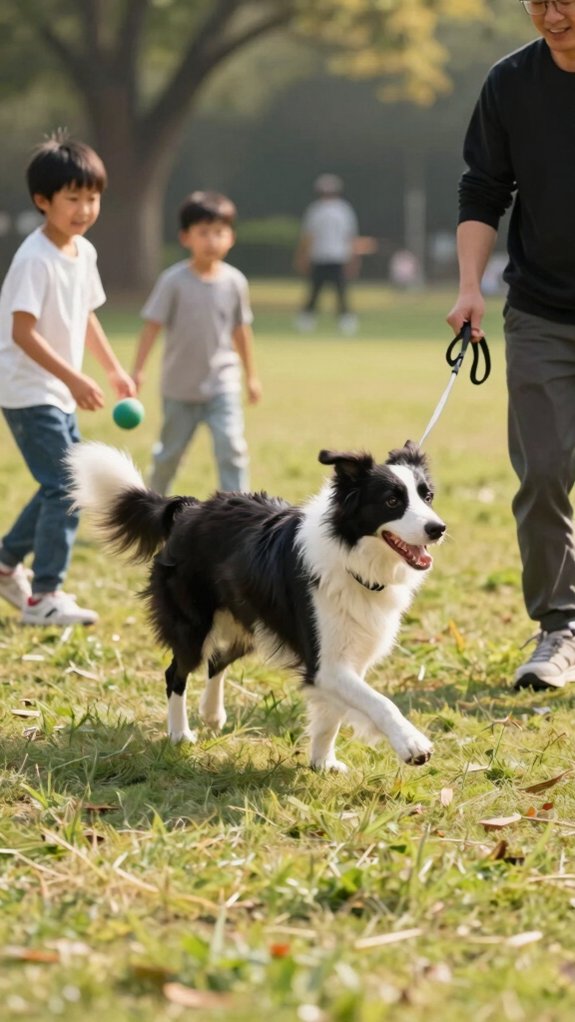
Picking the right medium dog breed isn’t just about falling in love with those puppy eyes—it’s about matching your dog’s natural energy level, training needs, and space requirements to your actual life. I’ve seen plenty of families bring home an Australian Shepherd expecting a calm couch companion, only to find themselves dealing with 3 a.m. zoomies and a chewed-up couch because the pup wasn’t getting enough mental stimulation. The good news is that understanding these three key factors—energy, trainability, and living space—makes the whole process way less stressful and way more likely to end in a genuinely happy match.
Matching Energy To Lifestyle
How do you know if a medium dog’s energy level will actually fit your life—or if you’re about to spend the next decade chasing a hyperactive pup around your apartment at midnight?
The truth: matching energy means honest self-assessment. Ask yourself whether you can commit 60–120 minutes daily for high-energy breeds, or if 30–45 minutes fits your work life better. Local routes matter too—do you have accessible walking paths nearby?
| Breed Type | Daily Exercise | Work Life Fit | Space Needs | Training Intensity |
|---|---|---|---|---|
| Australian Shepherd | 90–120 min | Active schedules | Yard access | High |
| Border Collie | 60–120 min | Flexible time | Secure space | Expert-level |
| Bulldog | 30–45 min | Busy schedules | Apartments OK | Moderate |
| Cocker Spaniel | 45–60 min | Mixed routines | Adjustable | Moderate |
| Basset Hound | 30–45 min | Relaxed pace | Flexible | Low-moderate |
Real talk: mismatched energy breeds unhappy dogs and exhausted owners.
Training Requirements And Commitment
Energy levels are only half the battle—I’ve seen plenty of owners with a perfectly matched Cocker Spaniel still struggling because they underestimated the training commitment required.
Here’s what separates success from chaos:
- Intelligent breeds like Australian Shepherds demand consistent, structured sessions using positive reinforcement to prevent destructive boredom
- Puppy socialization during early weeks shapes lifetime manners and compatibility with children and other dogs
- Grooming and health monitoring become daily routines—longer coats need regular attention, affecting your schedule
The truth? A medium dog’s behavior reflects your training investment. Skip early groundwork, and you’ll face midnight zoomies and chewed furniture.
Space And Living Considerations
Beyond training and energy, your home itself becomes a character in this story—and honestly, it’s where many well-intentioned placements fall apart.
Medium breeds like Australian Shepherds need actual *space* to move. Apartments work only with serious commitment: structured walks, doggy daycare, secured outdoor access. I’ve seen families underestimate midnight zoomies—destructive chaos nobody expected.
Furniture protection matters more than people admit. Durable covers, washable rugs, and designated play zones prevent costly damage. Noise management? crucial for neighbors. High-energy breeds bark during isolation; plan consequently.
Match your home’s layout and your schedule honestly. A busy family in a small space needs a lower-energy breed. No exceptions—incompatibility creates suffering.
Lower Energy Meets High Intelligence: Cavalier King Charles Spaniel

Key benefits include:
- Lower exercise needs—short daily walks maintain weight management and mental health
- Natural social ease with kids, other pets, and multi-pet households
- Moderate grooming and adaptable temperament for busy schedules
Their calm demeanor masks surprising intelligence, so they’re genuinely enjoyable to live with—not just tolerable roommates.
Stamina and Curiosity: Beagle
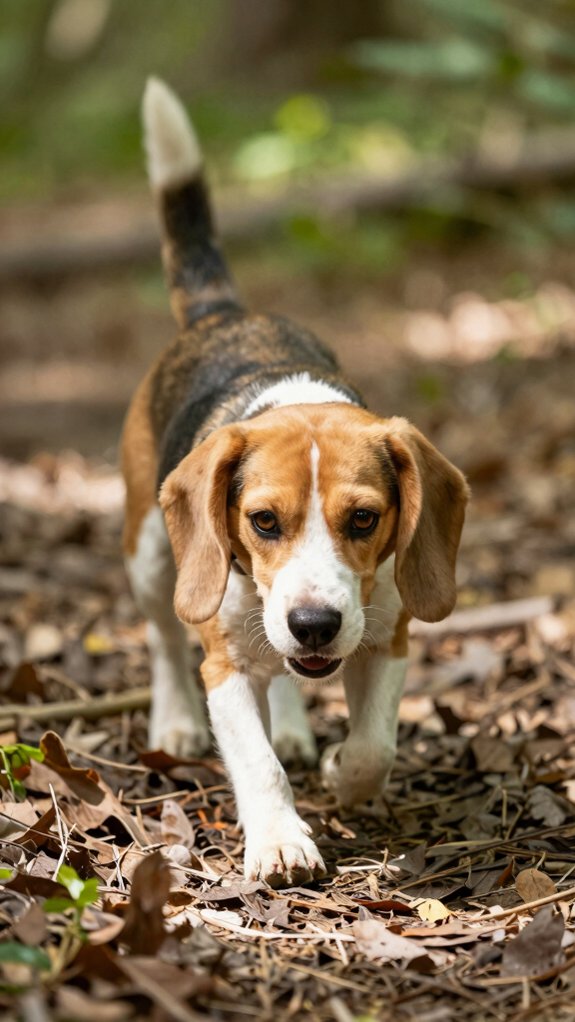
What happens when you combine a nose potent enough to track a scent across miles with a medium-sized dog that weighs just 20–25 pounds? You get a beagle—a compact dynamo of energy and determination. Their exceptional nose drive makes them relentless investigators, constantly examining every corner during walks. Standing 13–15 inches tall, beagles thrive on daily exercise and scent-based games that challenge their brilliant minds. Their pack sociability means they bond beautifully with families and other pets. Without consistent activity and portion-controlled feeding, obesity becomes real. Give them long walks, activate their hunting instincts, and watch them flourish as your family’s devoted, curious companion.
Maximum Energy and Herding Drive: Australian Shepherd and English Springer Spaniel

If you’ve ever watched an Australian Shepherd or English Springer Spaniel lose their minds at 2 a.m.—what I call “the midnight zoomies“—you’re seeing their herding drive and maximum energy in full force. These breeds weren’t built for couch potato life; they’re working dogs with instincts bred into their bones, and without the right outlets, that energy turns into destroyed furniture and obsessive behaviors that’ll drive you up the wall. The good news? Channel that drive with smart exercise routines and mental tasks, and you’ve got some of the most rewarding, incredible dogs you’ll ever own.
Herding Instincts And Behaviors
Ever watch your Australian Shepherd or English Springer Spaniel suddenly sprint in circles at midnight for absolutely no reason? That’s pure herding instinct firing on all cylinders. These breeds carry working DNA that demands outlets, or chaos follows.
Here’s what happens without proper channels:
- Excessive barking and nipping—they’ll herd your kids, cats, even the mailman
- Destructive digging—boredom turns your yard into a crater field
- Obsessive fixation—they’ll stare and stalk anything that moves
Herd motivated play and instinct driven bonding save the day. Structured agility, puzzle toys, and daily fieldwork transform that midnight energy into focused partnership. Your sanity depends on it.
Exercise Requirements For Success
Those midnight zoomies aren’t random—they’re a distress signal that your Australian Shepherd or English Springer Spaniel needs serious exercise. Both breeds demand 60–90 minutes of vigorous daily activity plus mental challenges like agility or scent work. Without this commitment, destructive behaviors and anxiety emerge fast.
| Breed | Daily Minutes | Best Activities | Challenge Level |
|---|---|---|---|
| Australian Shepherd | 60–90 | Herding, urban agility, interval training | High |
| English Springer Spaniel | 60+ | Swimming, retrieving, scent work | High |
Off-leash play in secure areas combined with fetch sets channels their energy efficiently. Senior modifications include gentler swimming and shorter sprint intervals. Matching your lifestyle to these breeds isn’t optional—it’s crucial.
Peak Challenge: Border Collie and Boxer
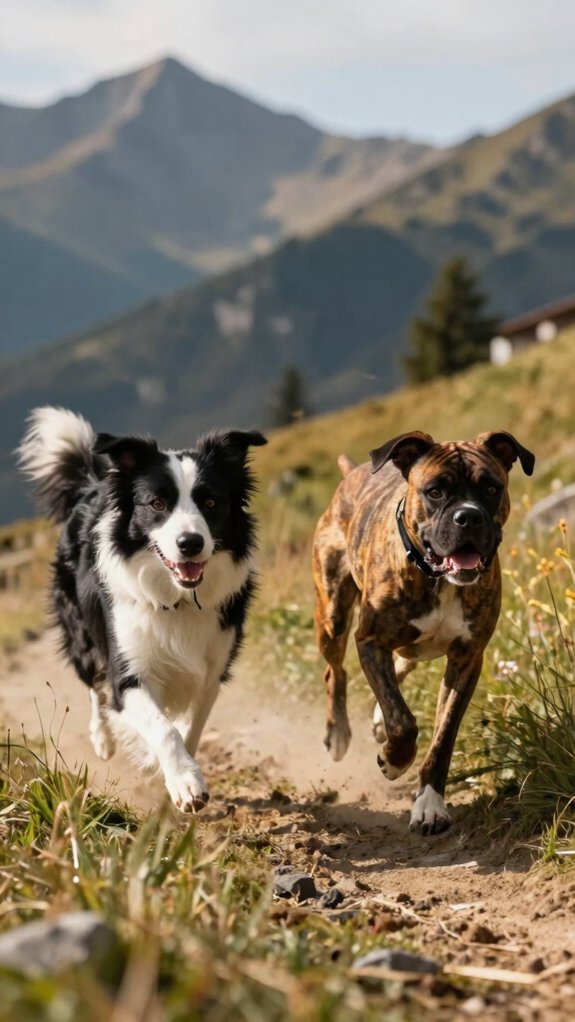
Watching a Border Collie stare intensely at a tennis ball for twenty minutes straight, or a Boxer launch themselves off the couch at full speed because someone dared to ring the doorbell, tells you everything you need to know about these two medium dog breeds—they’re fundamentally four-legged bundles of unstoppable energy and brainpower.
- Herding burnout happens when Border Collies lack mental outlets, leading to obsessive behaviors
- Protective playstyles make Boxers exuberant around family, requiring careful management with children
- Daily commitment means several hours of vigorous exercise, training, and involvement
These breeds demand active owners who genuinely thrive on structured routines. Success means preventing boredom-related destruction and channeling their natural drives through sports, puzzle toys, and consistent training—rewarding work that builds deep family bonds.
Balanced Energy for Everyday Adventures: Cocker Spaniel
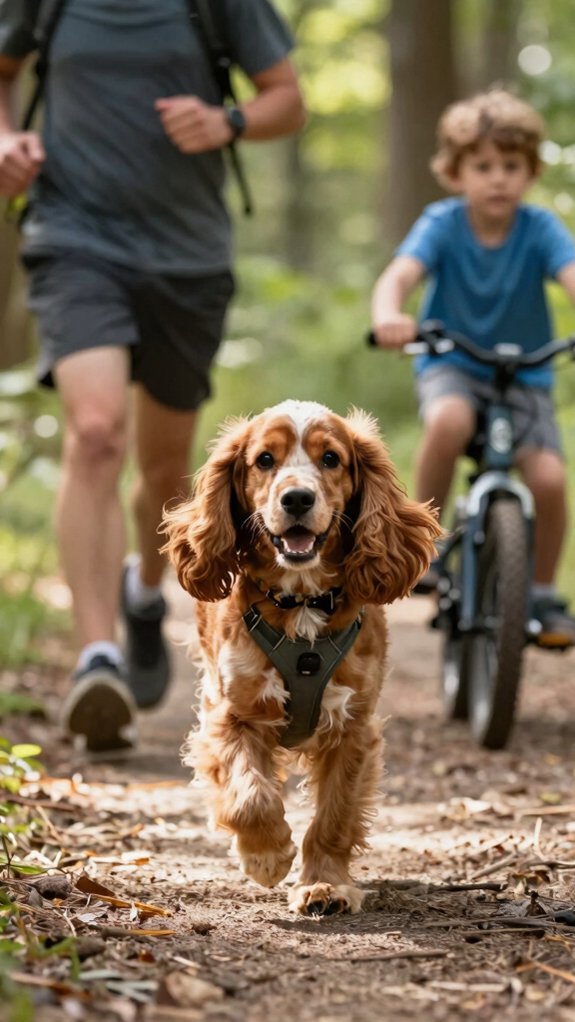
If you’ve ever felt caught between wanting an energetic dog and actually having time to live your life, a Cocker Spaniel might be the answer you’ve been searching for. These 20–30 pound companions strike that sweet spot—playful without being exhausting. They’re trainable, affectionate, and genuinely excellent with kids and other pets.
Here’s the real talk: their silky coats demand grooming routines to prevent matting, and weekly ear health checks matter. Those long ears trap moisture. Beyond maintenance, Cockers adjust beautifully to both hiking adventures and movie nights. They’re the reliable friend who fits effortlessly into active family life.
Independent Spirit for Experienced Owners: Shiba Inu (Not for Every Family)
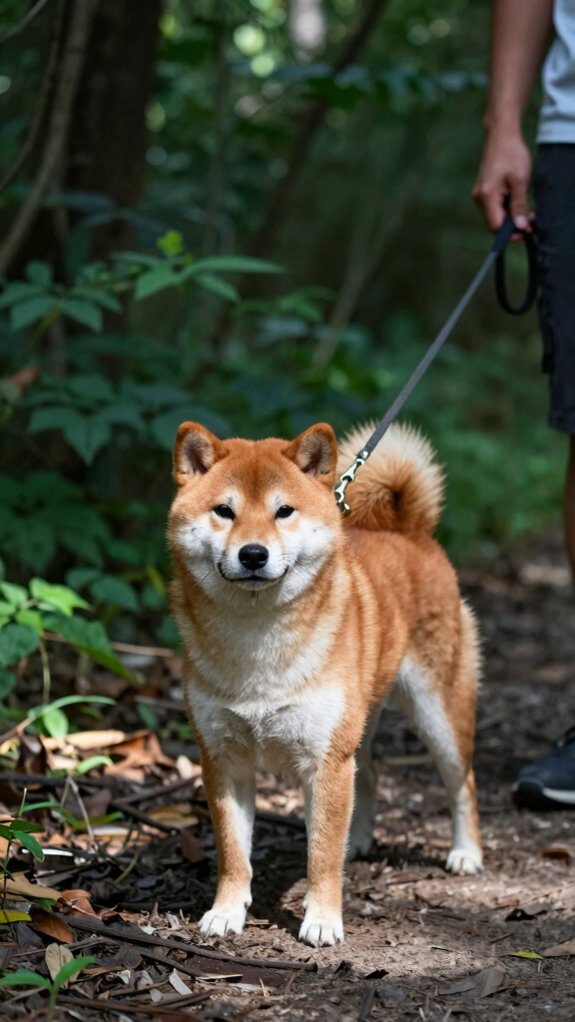
Look, I’ve watched plenty of first-time dog owners fall head over heels for a Shiba Inu‘s fox-like cuteness, only to realize they’ve taken on a four-legged teenager with serious attitude—these pups are stubborn and confident to their core, which means they’ll test your boundaries like it’s their job. The training requirements aren’t just about teaching sit and stay; you need firm, consistent leadership paired with reward-based methods, because a Shiba who decides you’re not the boss will happily ignore you mid-walk or when they’ve spotted a squirrel three blocks away. If you’re not ready to be the experienced, patient owner who can handle that independent spirit without losing your cool, this breed will make you question every decision you’ve made—trust me, I’ve seen the posts on rescue forums.
Stubborn And Confident Nature
Possessing one of the most independent streaks in the dog world, the Shiba Inu presents a fascinating challenge that separates experienced handlers from first-time owners—and honestly, that’s not meant as shade toward new dog parents, just reality.
These dogs aren’t being difficult; they’re being themselves. Their aloof interactions and selective bonding mean they’ll decide if they like you, not the other way around. Here’s what you’re actually signing up for:
- Selective obedience – They hear commands perfectly but choose compliance
- Confident stubbornness – Training requires high-value rewards and patience
- Pack leadership expectations – Firm, consistent rules beat pleading
Think of it like negotiating with a small, furry CEO.
Training Requirements For Owners
After years of working with strong-willed breeds, I’ve learned that training a Shiba Inu isn’t about breaking their spirit—it’s about earning their respect, and that’s a completely different game than most dog owners expect. Owner consistency matters more than anything else. These dogs test boundaries constantly, so if you say “no” on Monday but allow it Wednesday, you’ve lost the battle. Reward timing is equally critical—treats must come within seconds of desired behavior, or Shibas simply won’t connect the dots. This breed demands experienced handlers who understand that respect, not obedience, drives everything.
Activity Levels and Training Difficulty: How These Breeds Stack Up

- Border Collies and Australian Shepherds need 1.5–3+ hours of vigorous daily exercise plus advanced mental work
- Brittanys and English Springer Spaniels thrive with runs, hikes, or swimming plus reward-based training
- Bulldogs and Basset Hounds require only short walks, suiting less active households
Understanding breed communication and reward timing prevents frustration and keeps everyone happy.
Find Your Perfect Breed: A Quick Decision Guide
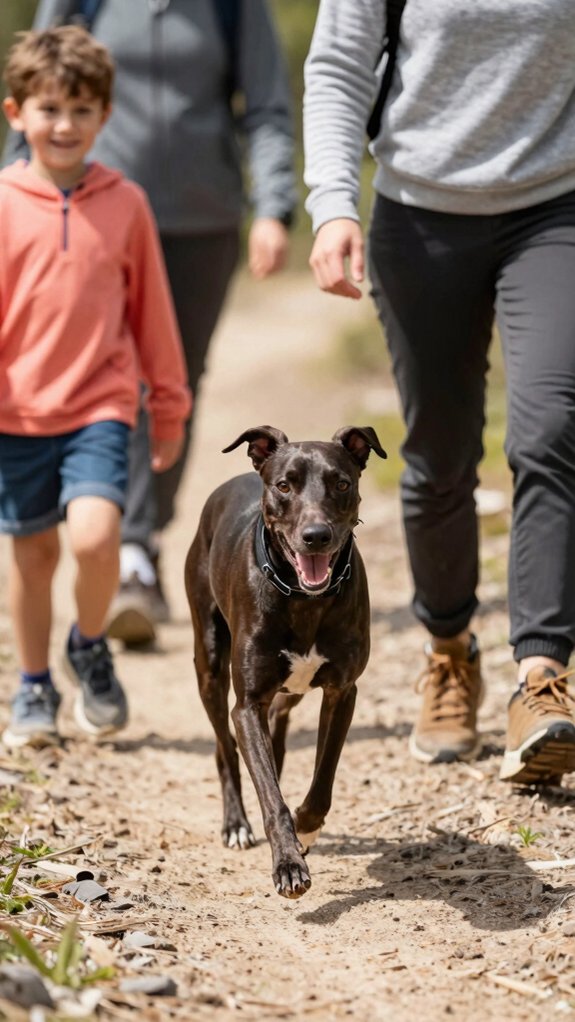
With so many medium-sized dogs out there—each with wildly different energy levels, quirks, and needs—picking the right one can feel like trying to match socks in the dark.
Start with your breed personality match. Are you marathoners or Netflix people? Active families thrive with Australian Shepherds; laid-back households prefer Bulldogs. Next, create an acquisition checklist: grooming demands, health monitoring, exercise requirements, and training intensity. Border Collies need mental workouts; Beagles need consistency. Honest self-assessment prevents heartbreak. Ask yourself: Can I commit to daily runs? Weekend hikes? Professional grooming? The perfect fit transforms your family’s entire rhythm.
Frequently Asked Questions
What Are the Average Lifespans and Common Health Issues Specific to Medium Dog Breeds?
Medium dogs typically live 10-13 years. Common concerns include hip dysplasia, elbow dysplasia, and heart conditions due to genetic predispositions. Responsible owners prioritize preventive screenings through veterinary care, joining a community of dedicated pet parents committed to peak canine wellness.
How Much Grooming and Coat Maintenance Does Each Medium Breed Require Monthly?
Medium breeds vary considerably in grooming needs. Most require daily brushing and monthly professional trimming, while seasonal shedding demands increased attention. Owners seeking low-maintenance options might investigate hypoallergenic alternatives like Poodle mixes, which need regular grooming but shed minimally.
What Are Realistic Monthly Costs for Food, Veterinary Care, and Supplies?
Studies show dog owners spend approximately $1,500 yearly on pets. A typical monthly breakdown includes: food budget ($40-60), vet expenses ($30-50), and supply costs ($20-30), totaling roughly $90-140 monthly for devoted family members.
How Do Medium Breeds Typically Behave Around Children, Cats, and Other Pets?
Medium breeds typically exhibit strong child-friendly energy and excel at inter-species bonding with cats and other pets. Their balanced temperament makes them naturally social companions who thrive alongside families seeking genuine connection and shared outdoor adventures together.
What Is the Average Price Range and Where Should You Adopt Responsibly?
Medium dog breeds typically range from $500 to $1,500 through breeders. However, adoption centers offer wonderful companions for $50 to $300, with price negotiation often possible. Joining rescue communities creates meaningful connections while finding the perfect family member.