
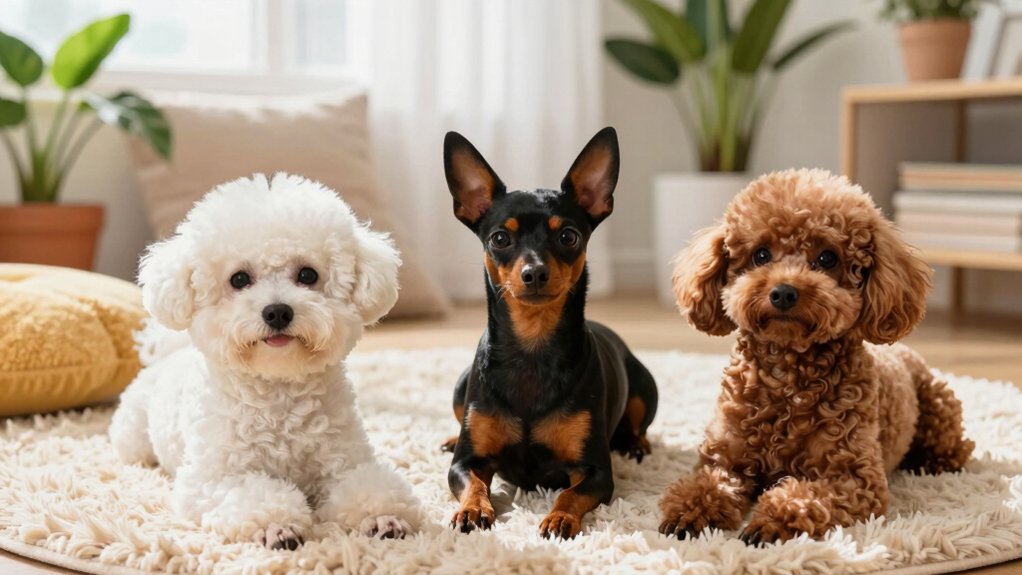
If you’re choosing a small dog, know they’re typically under 25 pounds with high metabolisms and dental, joint, and tracheal risks that need regular vet care. Popular types—Chihuahuas, Yorkies, Pomeranians, French Bulldogs, Cavaliers—vary from calm apartment companions to energetic terriers that need lots of play and training. Feed nutrient-dense small-kibble meals several times daily, use leashes, and prioritize dental care and socialization. Keep expectations realistic, and you’ll find a breed that fits your life; more practical guidance follows.
Disclosure: This post may contain Amazon affiliate links, at no extra cost to you. Content on Pawtangle is created with research support from AI tools and carefully reviewed, edited, and fact-checked by the lead author, Dr.Fahri Pat , to ensure accuracy and reliability. Learn more
Key Takeaways
- Popular small breeds include Chihuahuas, Yorkshire Terriers, Pomeranians, French Bulldogs, and Cavalier King Charles Spaniels.
- Small dogs need nutrient-dense kibble, frequent small meals, and portion control to prevent hypoglycemia and obesity.
- Use harnesses, monitor dental health, and watch for luxating patella and tracheal collapse with regular vet exams.
- Apartments suit calm small breeds; provide short walks, indoor play, and mental stimulation to meet exercise needs.
- Energetic small breeds require structured exercise, consistent routines, socialization, and varied activities to prevent behavioral issues.
What Defines a Small Dog

Size matters when you’re choosing a small dog: most small breeds weigh up to about 25 pounds (toy breeds under 10 pounds, with some compact mediums reaching 25–35), and stand roughly 5 to 17 inches at the shoulder. You’ll learn small dog characteristics like higher metabolisms that need more frequent feeding, greater dental risk, and susceptibility to luxating patella, so regular vet care matters. Small dog classifications help you match lifestyle to breed: toy, small, and compact medium. Many adjust well to apartments with lower exercise needs. You’ll feel supported making choices grounded in evidence and real-world care.
Most Popular Small Dog Types
If you’re picking a small dog, several breeds consistently stand out for their size, temperament, and suitability for city or apartment life. You’ll find Chihuahua characteristics include fierce loyalty and charm in a 2–6 lb body, great if you want a devoted companion. Yorkshire Terrier grooming matters—its silky coat needs regular care, and it’s energetic and protective. Pomeranian exercise and mental play keep that 3–7 lb fluff happy. French Bulldog temperament is affectionate and steady, fitting families well. Cavalier King Charles personality is gentle and flexible, making it easy to feel at home together.
Best Small Dogs for Apartments
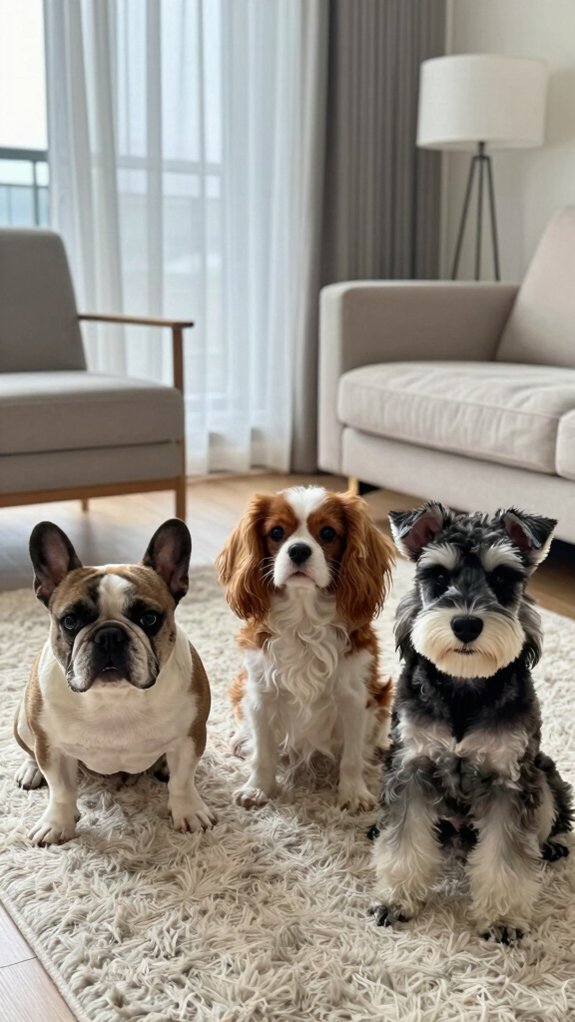
Because apartment living changes how much space and exercise a dog needs, you’ll want breeds that stay calm indoors, adjust to short walks, and respond well to indoor play. Consider Chihuahuas, French Bulldogs, Yorkies, Cavaliers, Boston Terriers, Pugs, and Shih Tzus — they suit urban homes and lower outdoor time. Feed smaller, frequent meals with appropriately sized kibble to match faster metabolisms. Provide regular indoor exercise like fetch and engaging toys, and use small dog accessories (soft beds, activity puzzles) to keep them occupied. You’ll create a healthy, connected home where both you and your dog belong.
Small Dogs with Calm Temperament
When you’re looking for a calm small dog, focus on breeds with steady temperaments and predictable needs so they’ll fit smoothly into your daily life. You’ll find calm companionship with Cavalier King Charles Spaniels, whose affectionate, gentle demeanor suits families and solo owners. French Bulldogs offer a relaxed, apartment-friendly presence and need minimal exercise. Bichon Frises are cheerful yet easygoing, adjusting well to varied routines. Shih Tzus provide affectionate company with moderate activity and grooming needs. Maltese dogs bring a sweet, gentle temperament that suits seniors. Choose the breed whose care needs match your routine for lasting, supportive bonds.
Energetic Small Dog Options

Though small in size, energetic breeds demand deliberate outlets for their vigor, and you’ll need to match their activity and mental needs to your lifestyle. You’ll find high energy breeds like Jack Russell Terriers thrive on agility, fetch, and structured exercise; Toy Poodles and Papillons need both physical and intellectual challenges through training and engaging toys. Pomeranians and Yorkshire Terriers benefit from daily walks and play to prevent boredom and behavior issues. If you want playful companions who bond closely, plan consistent routines, varied activities, and social time—this evidence-based approach keeps both you and your dog healthy and connected.
Small Dogs That Are Easy to Train
If you want a small dog that’s straightforward to teach, breeds like the Toy Poodle and Papillon are excellent choices because their high intelligence lets them pick up commands quickly and enjoy learning new tasks. You’ll find Yorkshire Terriers and Cavalier King Charles Spaniels also keen to please, which boosts responsiveness during training. Use positive reinforcement training techniques—treats, praise, brief sessions—to keep lessons engaging and effective. Start socialization and basic obedience early, especially with Chihuahuas, to prevent issues. Regular mental stimulation through games and varied exercises reinforces learning. These breed comparisons help you choose a companion who fits your lifestyle.
Low-Shedding Small Dogs

Because low-shedding breeds like the Maltese, Bichon Frise, and Toy Poodle produce less dander, they’re often a better fit for people with allergies and for households wanting less fur around the home. You’ll find hypoallergenic dog breeds such as these — plus the Affenpinscher — reduce airborne irritants and offer low shedding benefits. Expect committed grooming: Bichon and Toy Poodle need trims every 2–4 weeks, Maltese requires daily brushing to prevent tangles, and regular maintenance prevents skin issues. If you want a small dog that fits into shared living spaces, choose one and plan for consistent care.
Small Dogs Good with Children
Low-shedding and allergy-friendly traits are helpful, but when you’re choosing a small dog for a household with kids, temperament and safety matter most. You’ll want family friendly breeds that stay patient, affectionate, and playful companions during rough-and-tumble play. Cavaliers, Boston Terriers, Shih Tzus, Pugs, and Yorkies each offer reliable, kid-centered temperaments when socialized and supervised. Match energy levels and teach gentle handling. Here’s a quick comparison to guide choices:
| Breed | Kid-friendly trait |
|---|---|
| Cavalier King Charles Spaniel | Gentle, affectionate |
| Boston Terrier | Patient, playful |
| Shih Tzu | Versatile, friendly |
| Pug | Sociable, engaging |
| Yorkshire Terrier | Bold, protective |
Small Breeds for First-Time Owners
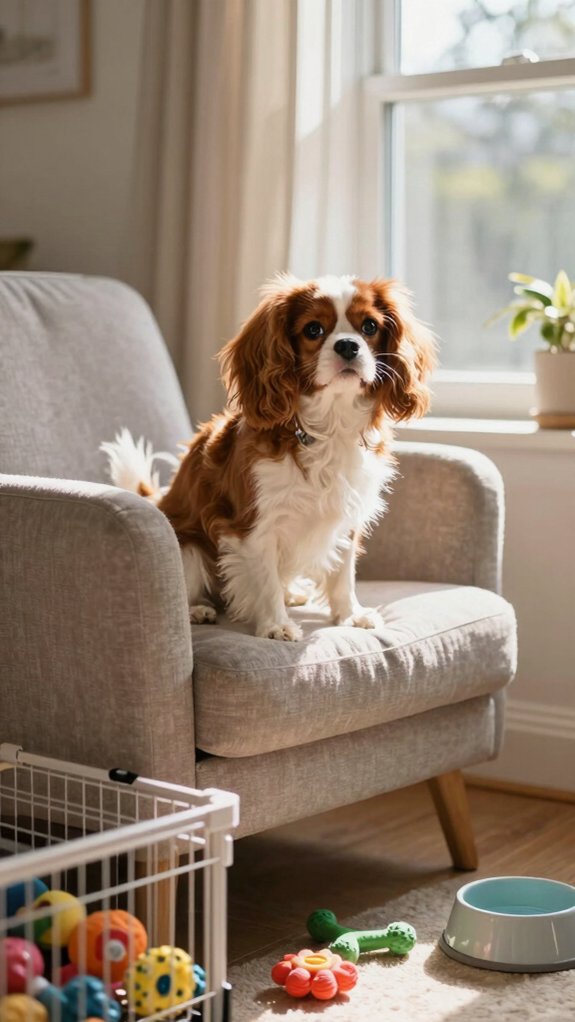
When you’re new to dog ownership, choosing a small breed can make learning the basics—house training, grooming, and consistent routines—more manageable because many small dogs have friendly temperaments and modest exercise needs. Pick breeds known for versatility, like Cavalier King Charles Spaniels, French Bulldogs, Pugs, Bichon Frises, or Maltese, and consider apartment-friendly options such as Yorkshire Terriers and Pomeranians. Use positive reinforcement for training; praise and treats work well. These dog ownership tips help you build confidence and bond quickly. Small breed benefits include affectionate companionship and practical care demands, letting you join a welcoming community of responsible owners.
Exercise Needs of Small Dogs
You’ve got the basics of care down, so next think about how to meet a small dog’s activity needs without overwhelming yourself or the pup. Most small breeds need 30–60 minutes daily; mix short walks, play, and mental challenges. Use indoor activities like fetch, puzzle feeders, or training sessions when weather considerations make outdoor time risky. Match intensity to breed — Jack Russells may demand more vigorous outlets; French Bulldogs prefer gentler routines. Protect dogs from heat or cold with shorter outings and appropriate gear. Regular, tailored exercise keeps your dog healthy, mentally stimulated, and connected to your household.
Grooming and Coat Maintenance
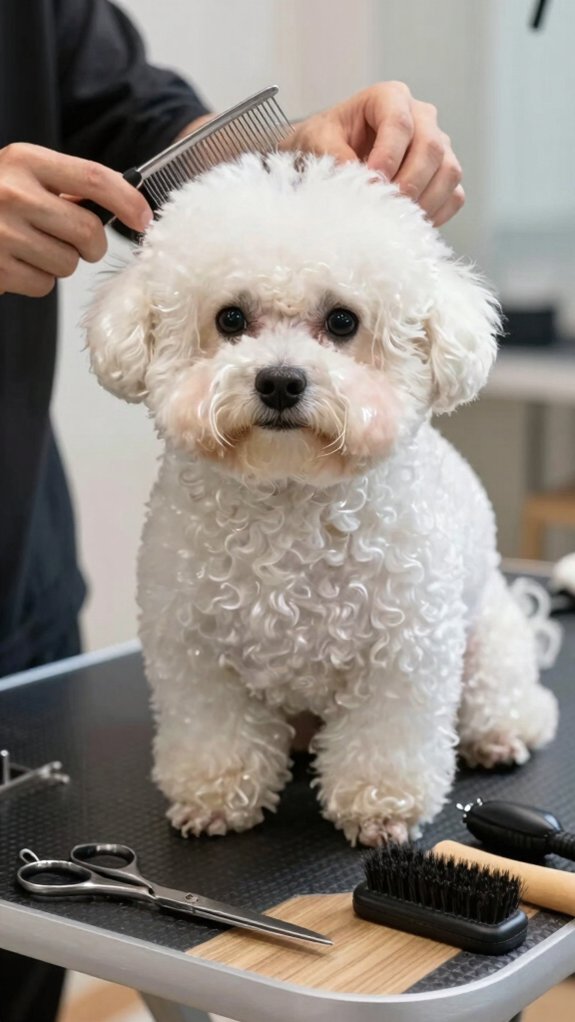
Because coat types and dental needs vary so much among small breeds, a tailored grooming plan will save you time and keep your dog healthy. You’ll match grooming tools to coat types: slick brush for short coats, pin brush for silky hair, and combs for long ears. Schedule daily brushing for Yorkies and Toy Poodles, professional trims every 6–8 weeks for curly coats, and regular trims for Maltese or Shih Tzu. Trim nails routinely to prevent pain, and brush teeth or use dental treats to reduce disease. You belong to a community that cares—ask for help when you need it.
- Daily brushing routine
- Professional grooming schedule
- Nail trimming frequency
- Dental care tips
- Tool selection guidance
Common Health Considerations
Though small dogs charm us with their size, they come with a cluster of health risks you should watch for closely: dental disease, luxating patella, tracheal collapse, heart issues, and hypoglycemia in the tiniest pups. You’ll want a routine dental care plan—daily brushing and regular professional cleanings—to prevent decay and gum disease. Monitor gait for signs of patella problems and limit high-impact activity. Use restraints, not collars, to protect fragile tracheas. Schedule regular vet exams to screen for heart conditions and catch murmurs early. Watch very small pups for weakness or seizures and act quickly.
Lifespan of Small Dog Breeds
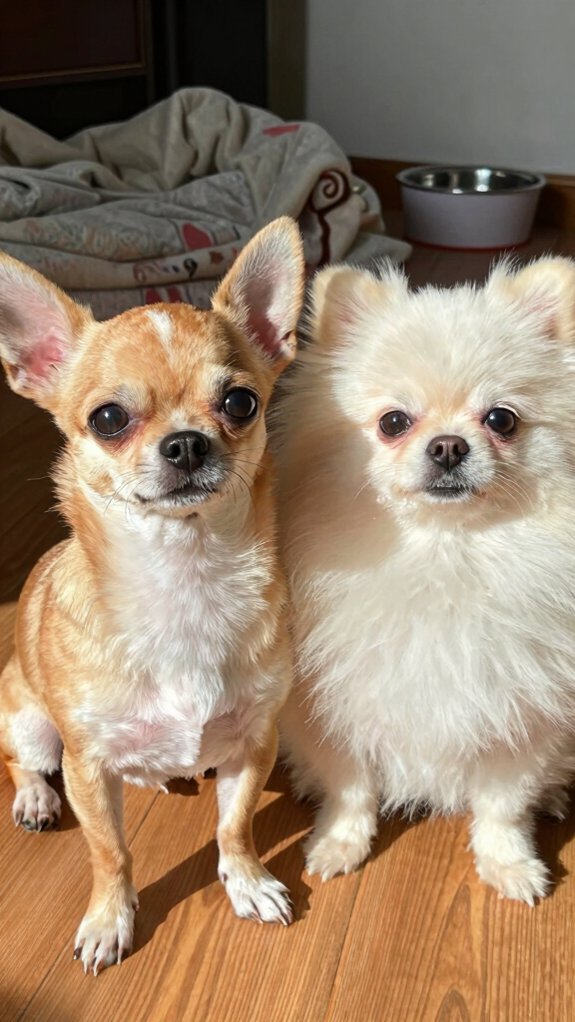
All the preventive care and monitoring you do for dental, joint, and heart issues plays a big role in how long a small dog will live. You’ll see lifespan variations across breeds—Chihuahuas and Dachshunds often reach late teens or early twenties—while averages sit around 12–16 years. Longevity factors include genetics, regular vet check-ups, vaccinations, lifestyle, and living environment. You’re not alone in wanting the best for your dog; practical, evidence-based steps help. Be vigilant, keep records, and work with your vet to enhance healthy years together.
- Regular veterinary exams and vaccines
- Dental cleanings and home care
- Joint monitoring and safe exercise
- Heart screenings as recommended
- Safe, stable living environment
Diet and Nutrition Basics
When you plan meals for a small dog, focus on nutrient-dense, appropriately sized food and a feeding schedule that matches their fast metabolism to keep energy steady and prevent hypoglycemia. You’ll choose small-kibble formulas, monitor weight, and tailor protein for active terriers. Some breeds need raised feeders. Use feeding schedules with frequent small meals; consider dietary supplements only when recommended by your vet. You’re part of a community caring for these dogs—share tips and stay observant.
| Need | Action | Why |
|---|---|---|
| Small mouths | Small kibble | Easier chew/digest |
| Hypoglycemia risk | Frequent meals | Stable glucose |
| Brachycephalic | Raised feeder | Safer swallowing |
| Weight control | Portioning + exercise | Lower health risk |
Pros and Cons of Small Dogs
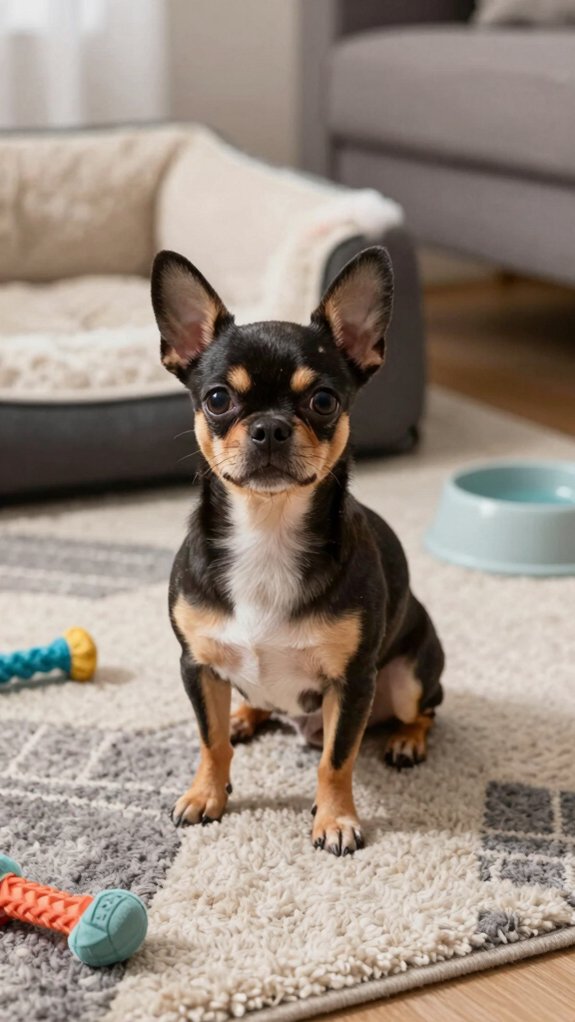
If you live in a small space or want a dog that’s easier to manage day-to-day, small breeds offer clear advantages—lower space and exercise needs, compact feeding portions, and often a big dose of affection—yet they also bring specific health and behavioral concerns like dental disease, luxating patella, tracheal collapse, and risk of small-dog tantrums if not properly trained, so plan for regular veterinary care, consistent socialization, and training to get the best outcome. You’ll enjoy companionship and lower costs, but prepare for specific care, watch for signs of illness, and use evidence-based training tips to prevent behavioral challenges.
- Ideal for apartments and busy lives
- Shorter daily exercise needs
- Affectionate, great for companionship
- Requires dental care and vet checks
- Emphasize socialization and positive training tips
Frequently Asked Questions
Can Small Dogs Travel Well on Airplanes In-Cabin?
Like a calm passenger, yes—you can usually fly small dogs in-cabin if you follow airline regulations and thorough travel preparation. You’ll need proper carrier, documentation, crate training, and empathy to keep your pet comfortable and welcome aboard.
How Do Small Dogs Handle Hot Weather and Heatstroke Risks?
Small dogs handle hot weather poorly; they’re often heat sensitive and risk heatstroke quickly. You’ll monitor hydration needs, provide shade, cool surfaces, diluted electrolytes, and frequent breaks, and seek vet care if they show distress signs.
Are There Specific Dog Sports Suitable for Small Breeds?
Yes — you can confidently enter small dogs in Agility training and even Flyball competitions; they’ll excel with proper conditioning, cooling breaks, and scaled equipment, and you’ll join a supportive community that celebrates every success.
What Emergency First-Aid Should Owners of Small Dogs Know?
You should learn basic CPR techniques, choking maneuvers, wound care, and splinting, practice injury prevention, keep emergency contacts and a pet first-aid kit, and stay calm so you and your community can support one another.
Do Small Dogs Require Different Dental Care Than Large Breeds?
Yes — like a tiny engine that needs finer tuning, you’ll give small dog dental extra attention: their crowded mouths raise oral hygiene risks, so you’ll brush, schedule cleanings, and watch diet to prevent tartar and disease.