Spanish Water Dog grooming is simple when you protect the natural cords. Skip brushing and combing, and finger-detangle small sections from the skin outward before bathing. Wash by squeezing shampoo through the coat instead of rubbing, then rinse ears well. Blot with an absorbent towel, and let the coat air-dry when possible. Check ears, nails, and early tangles regularly, especially before seasonal baths. Keep exploring these steps to make grooming safer, easier, and more manageable.
Disclosure: This post may contain Amazon affiliate links, at no extra cost to you. Content on Pawtangle is created with research support from AI tools and carefully reviewed, edited, and fact-checked by the lead author, Dr.Fahri Pat , to ensure accuracy and reliability. Learn more
Key Takeaways
- Skip brushing and combing; preserve the Spanish Water Dog’s natural curls and cords through regular finger checks.
- Detangle developing knots gently from the skin outward before bathing, because water can tighten existing mats.
- Wash by squeezing and kneading shampoo through the coat, avoiding rubbing that creates friction and tangles.
- Blot and towel-dab thoroughly, then air-dry or use low-heat, low-speed airflow to prevent dampness and mildew.
- Check ears, trim nails, and remove every knot before seasonal baths to maintain comfort and prevent snagging.
Caring for the Curly Coat
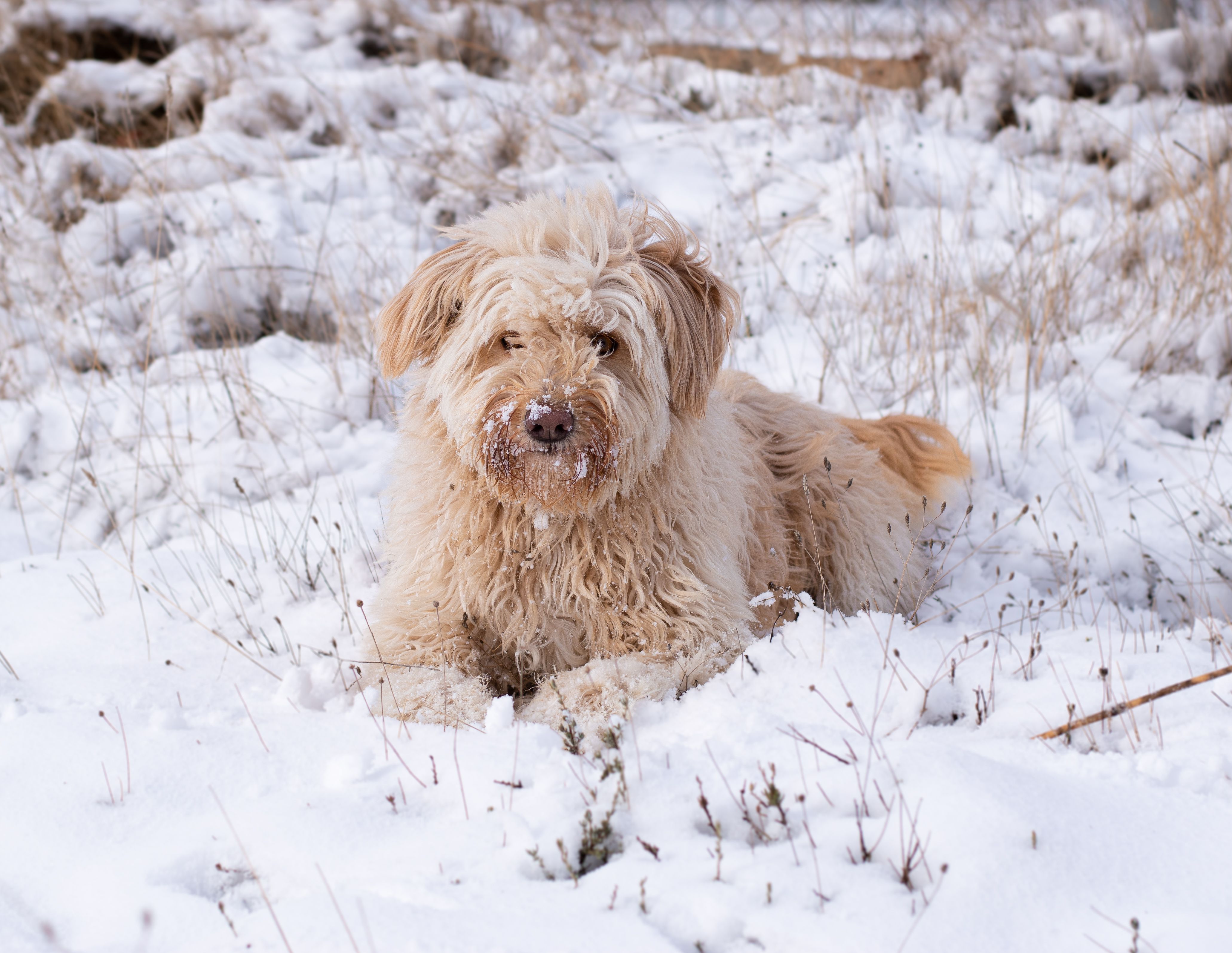
Because a Spanish Water Dog’s curls form natural cords and twirls, you shouldn’t brush or comb the coat. Instead, use cord managing skills to protect the texture you’re meant to enjoy.
Check the coat regularly, especially before washing. With finger detangling, gently separate knots and tangles from the skin outward, using small sections and patience.
Wetting tangled hair can tighten knots, so finish this step first.
If you find solid mats, don’t try to loosen them with water or shampoo. Have a qualified groomer clip the mats safely, then maintain the remaining curls with steady, gentle hand care.
This routine helps you keep your dog comfortable and connected to its natural look.
Bathing Without Brushing
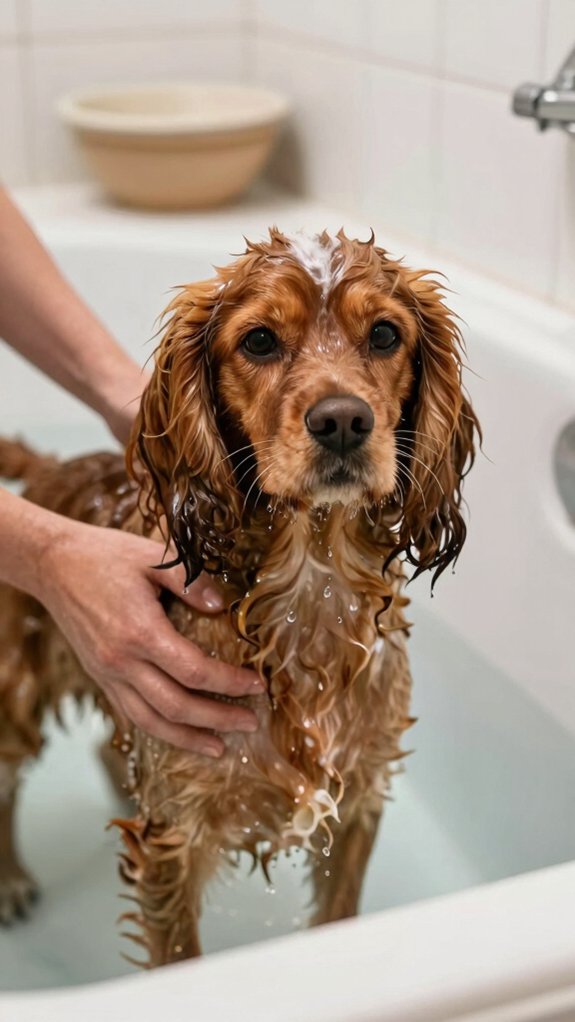
When your Spanish Water Dog needs a bath, skip the brush and comb, and use only your fingers to gently separate any loose tangles first. Check Pre bath Tangles carefully, and remove every knot before adding water, because wet mats become much harder to loosen.
Work shampoo through the coat by squeezing and kneading it down to the skin, like washing a sweater. Don’t rub the curls, since friction can create more tangles.
Rinse with a Gentle Water Rinse until the water runs clear, so leftover shampoo won’t cause itchiness. Pat with towels, never scrub, then let the coat air-dry or dry gently without brushing.
Preventing Mats
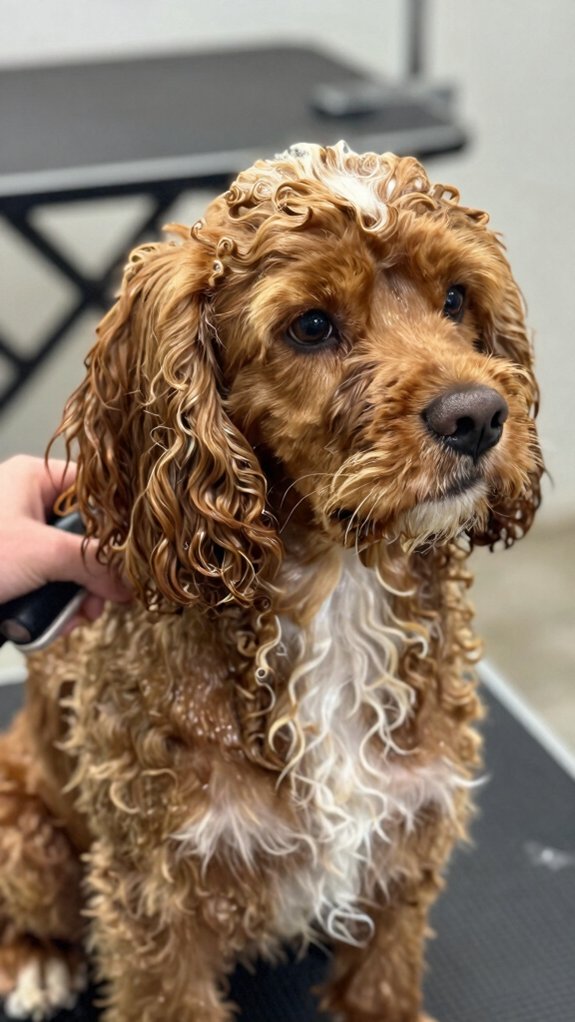
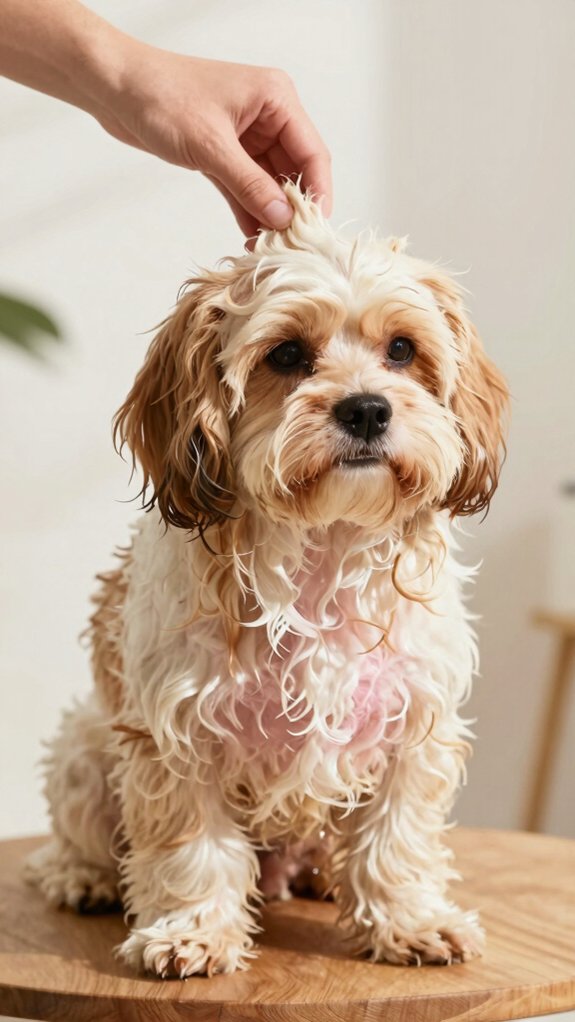
Preventing mats starts with leaving your Spanish Water Dog’s curly, woolly coat unbrushed and uncombed. Use your fingers to separate cords and gently tease out early tangles instead.
Make Early Cord Checks part of your routine. Feel around the ears, neck, legs, and rear, where rubbing often creates clumps. Split developing tangles along their natural lines before bathing, because water can tighten existing mats.
If cords begin forming, leave their shape alone. Pencil-thin cords with fish-hook curls at the tips can limit felted buildup. Coat Texture Training helps you learn what healthy cords feel like, so you can spot trouble early and keep grooming calm for both of you.
Drying the Coat Correctly
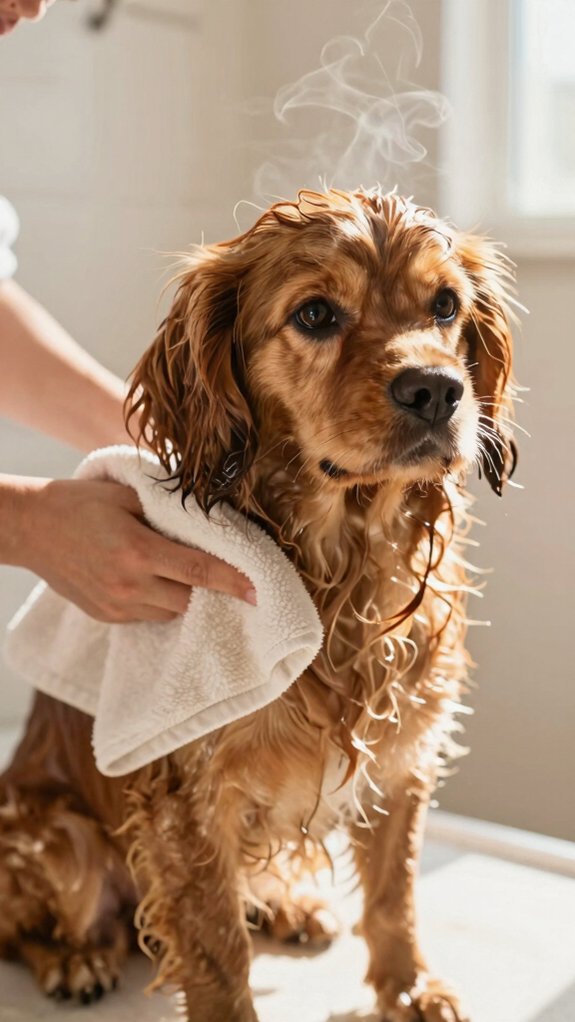
After bathing, dry your Spanish Water Dog without rubbing or scrubbing, since friction can create fresh knots and tangles. Blot with a Mega Absorbent PVA towel, then wrap the coat in a large super-absorbent microfiber towel and dab until it’s only just damp.
- Choose airflow drying when possible, letting air or a cage dryer support natural curls and cording techniques without heat-related re-matting.
- In winter, use a brush with heads removed, starting on low speed and low heat, increasing only when your dog’s skin feels comfortable.
- When fully dry, make gentle finishing checks around cord-forming areas, without brushing or combing. This shared routine keeps everyone comfortable.
Ear Care
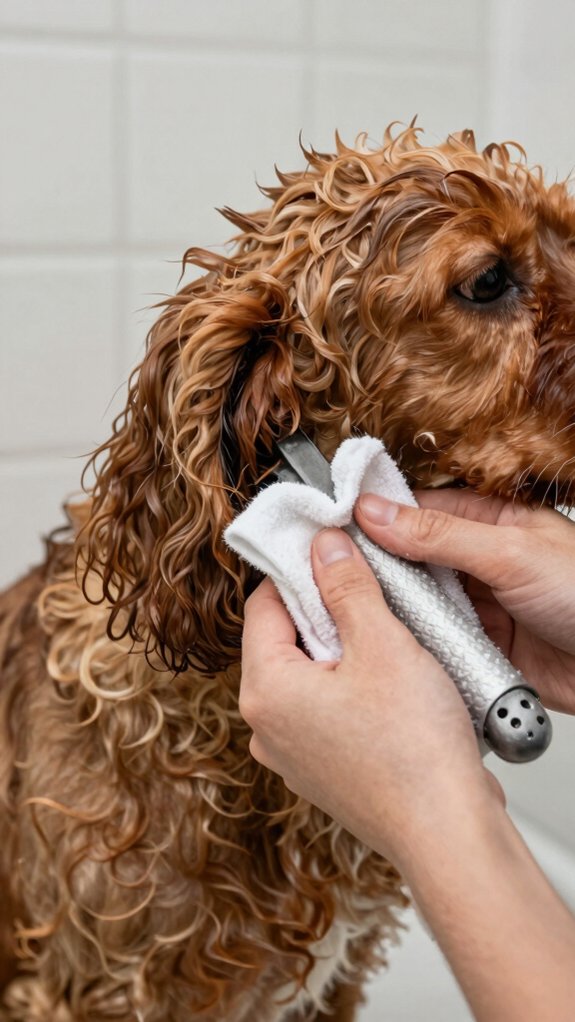
Regular ear checks help keep your Spanish Water Dog comfortable, since hair around the ear edges and behind them can mat easily and trap moisture. Check these areas at every grooming session.
Don’t brush or comb the ear coat. Use your fingers to separate cords and gently loosen small knots before bathing. Rinse the ears until the water runs clear, because leftover shampoo may cause itching and cling.
After drying, make sure the ears and nearby coat are completely dry. Air or cage drying can support moisture control and help prevent mildew. For ear trimming, carefully neaten the corners with scissors after drying, removing long, ragged hair that stays damp.
Nail Maintenance
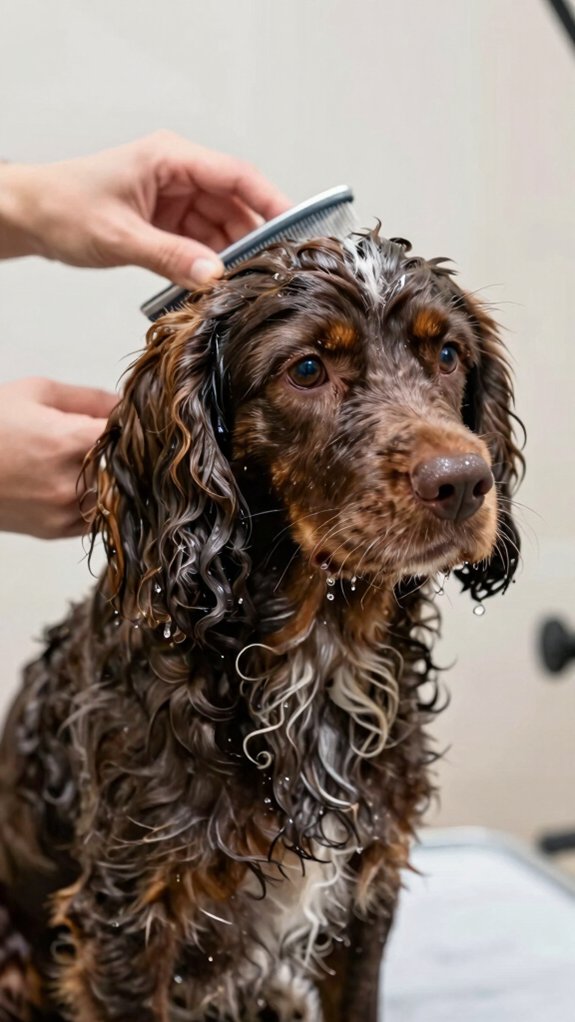
Keep your Spanish Water Dog’s nails trimmed so they don’t click on hard floors or snag in the curly coat around the feet. Aim for a touch-and-release length, where the paw meets the floor without cutting toward the quick.
- Follow a steady trimming schedule, and make quick care part of your routine.
- Practice nail safety by trimming tiny amounts, keeping styptic powder nearby.
After bathing and drying, complete a paw inspection, then tidy damp-holding curls around the pads if needed.
This simple habit helps your dog walk securely and keeps grooming calm. You’ll build trust together, one comfortable paw at a time.
Seasonal Grooming Tips
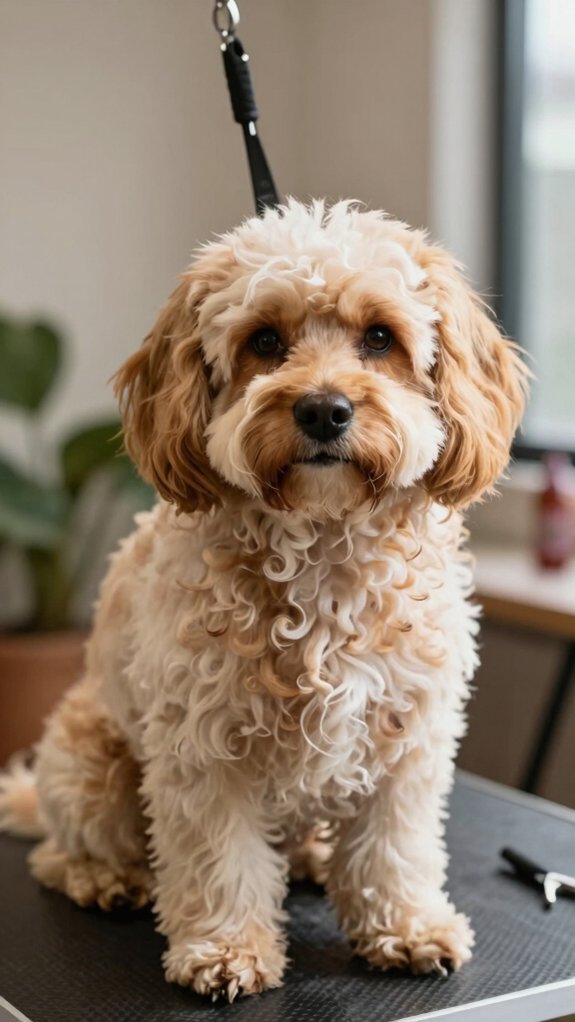
How does each season change your Spanish Water Dog’s grooming needs? Before every seasonal bath, remove every knot, since water can tighten mats.
During winter, protect the winter coat by drying carefully with low-speed, low-heat air first. A drying brush without brush heads can help support natural curls, then you can adjust the setting if the skin looks comfortable.
For summer maintenance, swimming may help limit matting, but you’ll still need daily finger-grooming around the ears, neck, legs, and collar. Never brush or comb natural cords.
Blot with a towel, don’t rub, and dry completely to reduce re-matting and mildew.
Plan an even whole-body clip at least yearly, using a 4/5F blade for a tidy coat or 7F for heavy mats, without sculpting.
Grooming Mistakes to Avoid
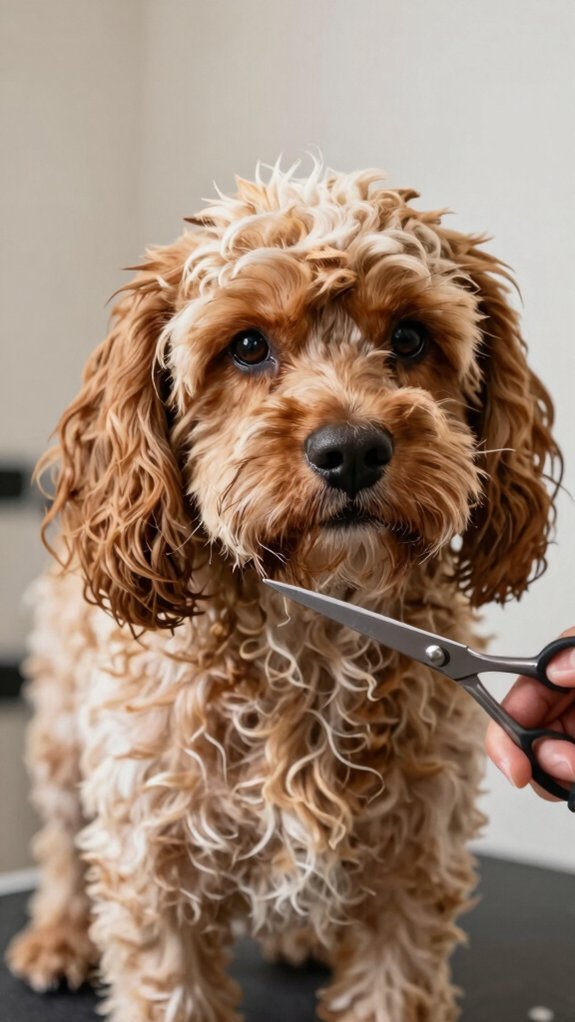
Many grooming problems start with treating your Spanish Water Dog like a typical brush-and-comb breed. Don’t brush or comb the coat, because you can destroy its natural cords and cause matting. Before bathing, check that no knots remain, since water can tighten felted areas.
- Protect the bond: avoid rough handling, aggressive rubbing, or “blow outs.” Blot with a towel, then air-dry or use a dryer without brushing.
- Keep cords healthy: don’t leave the coat damp, or mildew and wet-tent odor may develop.
- Choose function: skip excessive trimming and keep an even, useful length, clipped at least yearly. You’re caring for your dog’s natural style.
Recommended Grooming Tools
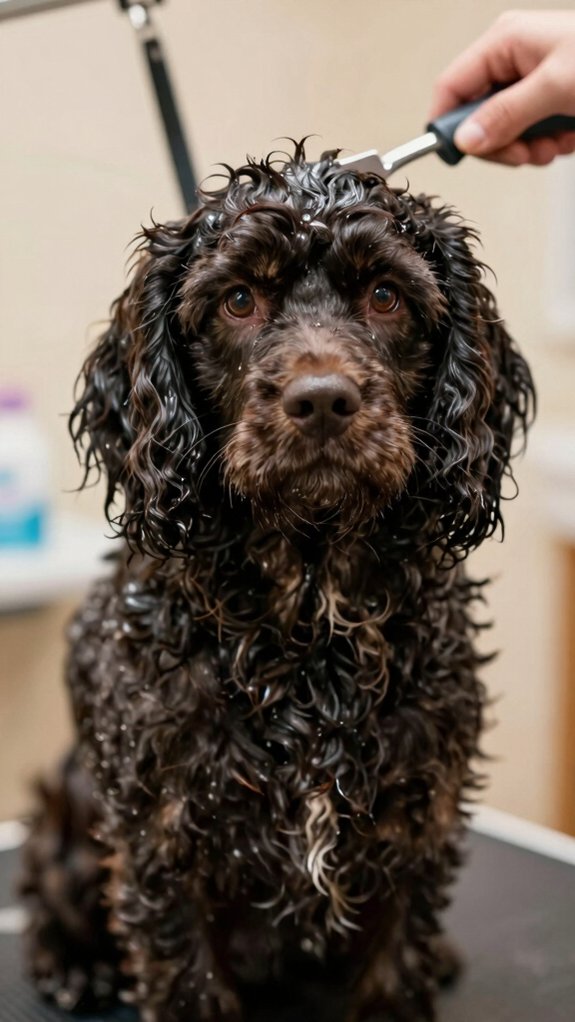
The right grooming tools help you protect your Spanish Water Dog’s natural cords instead of pulling them apart. Use your fingers as your main tool, gently separating cords and teasing out tangles. Skip brushes and combs, which can break healthy twists.
Before bathing, choose a 4F or 5F blade for an unclipped, non-matted coat, or a 7F blade for severe mats. Ask a groomer for help if you’re unsure.
Use coat safe shampoos, then blot with mega-absorbent PVA towels or microfiber towels. These towel alternatives reduce rubbing.
In winter, use a low-speed, low-heat drying tool with brush heads removed to preserve curls.