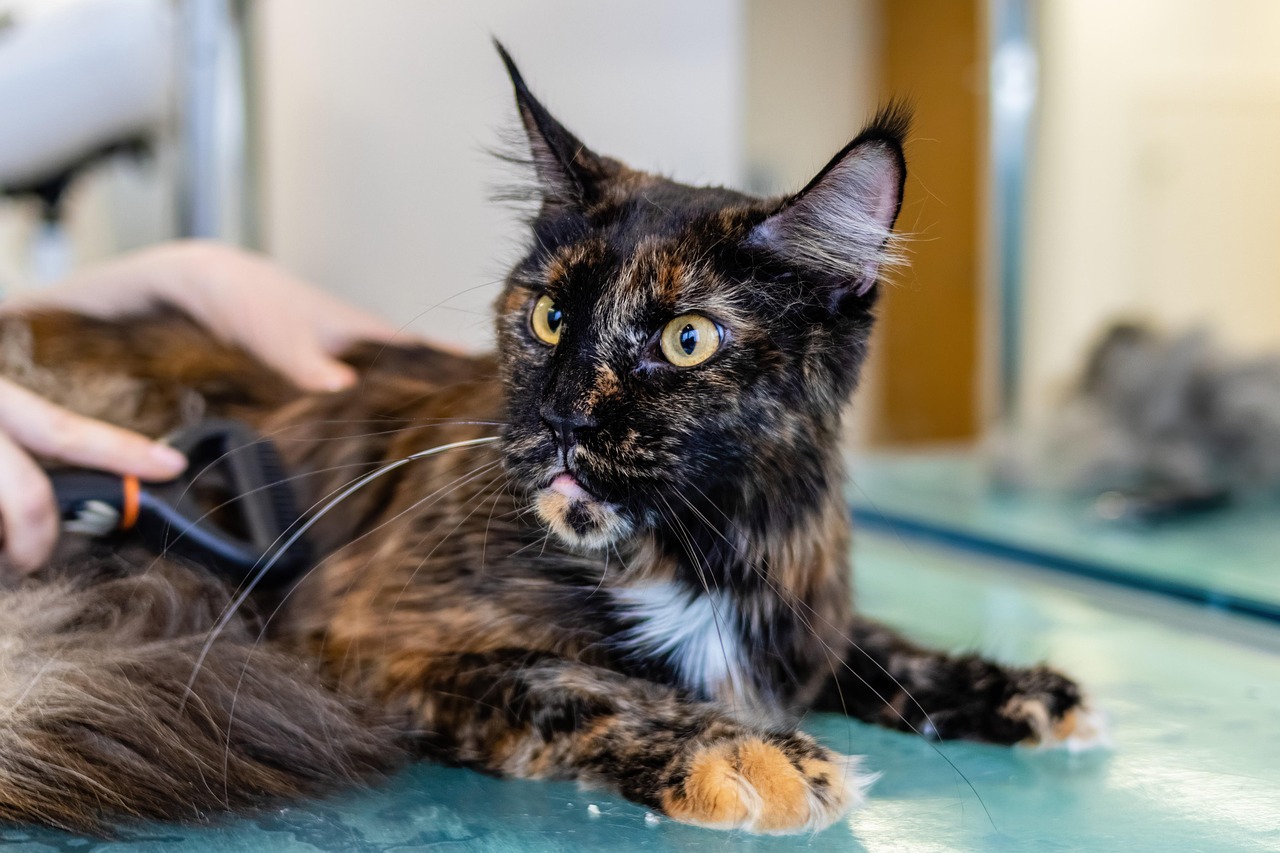

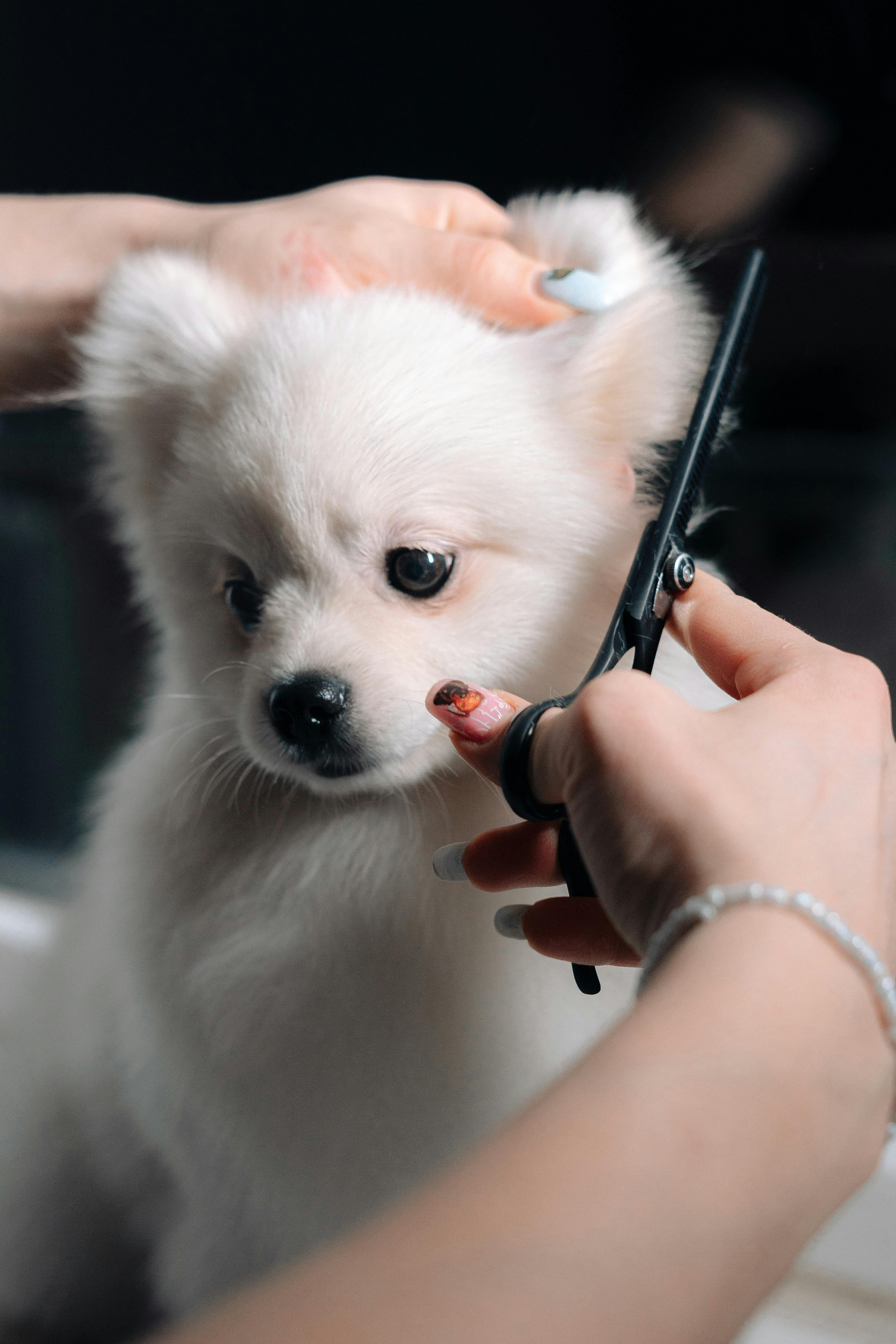
For many pet owners, grooming is often seen as a cosmetic routine—something done to keep pets looking clean or cute. However, grooming goes far beyond appearance. It plays a vital role in a pet’s physical health, emotional well-being, and overall quality of life.
Disclosure: This post may contain Amazon affiliate links, at no extra cost to you. Content on Pawtangle is created with research support from AI tools and carefully reviewed, edited, and fact-checked by the lead author, Dr.Fahri Pat , to ensure accuracy and reliability. Learn more
Understanding the deeper purpose of grooming helps pet parents make better decisions and recognize early signs of potential problems.
Grooming as a Health Indicator
Regular grooming allows pet owners to observe changes that might otherwise go unnoticed. While brushing fur or trimming nails, it becomes easier to detect lumps, skin irritation, parasites, wounds, or unusual odors. These early signs can point to underlying health issues that may require professional attention.
In many cases, grooming acts as the first line of defense. A change in coat texture, excessive shedding, or redness of the skin can signal nutritional deficiencies, allergies, or stress-related conditions.
The Connection Between Grooming and Skin Health
A pet’s skin is its largest organ and serves as a protective barrier. Proper grooming helps distribute natural oils across the coat, maintaining skin hydration and reducing dryness or flakiness. When grooming routines are inconsistent or incorrect, pets may experience clogged follicles, matting, or increased sensitivity.
For pets with longer or denser coats, grooming is especially important to prevent tangles and mats, which can pull on the skin and cause discomfort or even pain.
Emotional Comfort and Trust
Grooming is not only a physical experience—it is also emotional. When done calmly and consistently, grooming can strengthen the bond between pets and their owners. Gentle handling and predictable routines help pets feel safe and understood.
On the other hand, stressful or rushed grooming experiences can lead to fear, resistance, or anxiety. Over time, this can make even basic care tasks challenging. Recognizing grooming as an interaction rather than a task encourages patience and empathy.
Grooming and Behavioral Clues
A pet’s reaction during grooming can reveal valuable behavioral insights. Sudden resistance, hiding, or vocalization may indicate pain, sensitivity, or emotional distress. These behaviors should not be dismissed as stubbornness.
Changes in grooming tolerance often reflect broader issues such as stress, aging, or environmental changes. Paying attention to these signals helps owners respond appropriately rather than forcing compliance.
Hygiene and Long-Term Well-Being
Grooming also supports hygiene by reducing dirt, debris, and allergens that accumulate in a pet’s coat. Clean fur and skin contribute to better comfort, fewer infections, and a healthier living environment for both pets and humans.
Additionally, proper nail care supports joint health and posture, while ear and paw checks help prevent infections before they become serious.
A Routine That Supports the Whole Pet
Seeing grooming as a holistic practice transforms how it is approached. It becomes less about aesthetics and more about care, awareness, and prevention. Every grooming session is an opportunity to check in with a pet’s physical and emotional state.
By viewing grooming as part of overall pet wellness, pet parents can create routines that are not only effective but also compassionate and stress-free.
Final Thoughts
Grooming is far more than a surface-level activity. It is a meaningful part of responsible pet care that supports health, builds trust, and improves quality of life. When approached with understanding and consistency, grooming becomes a powerful tool for maintaining a pet’s well-being—not just their appearance.