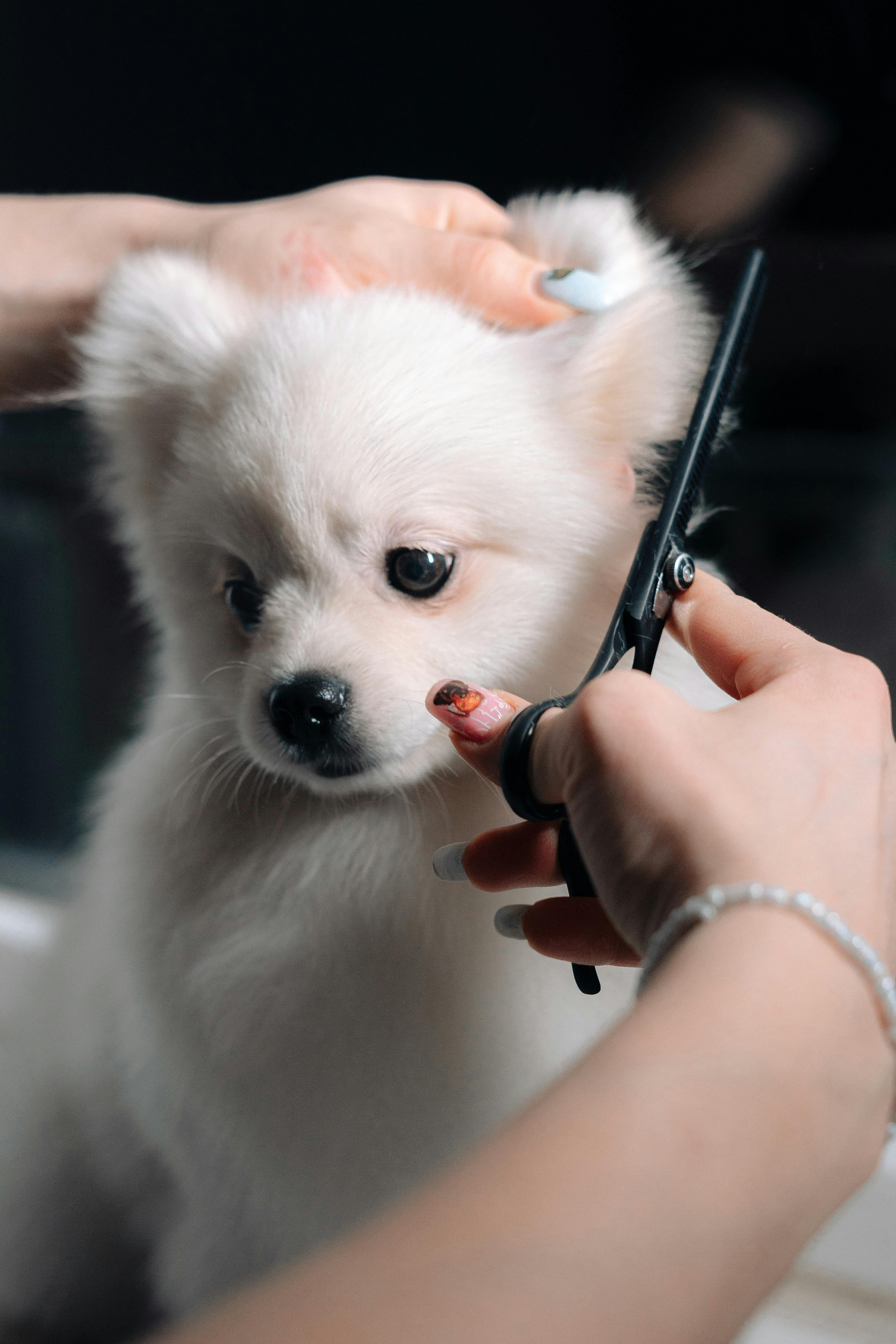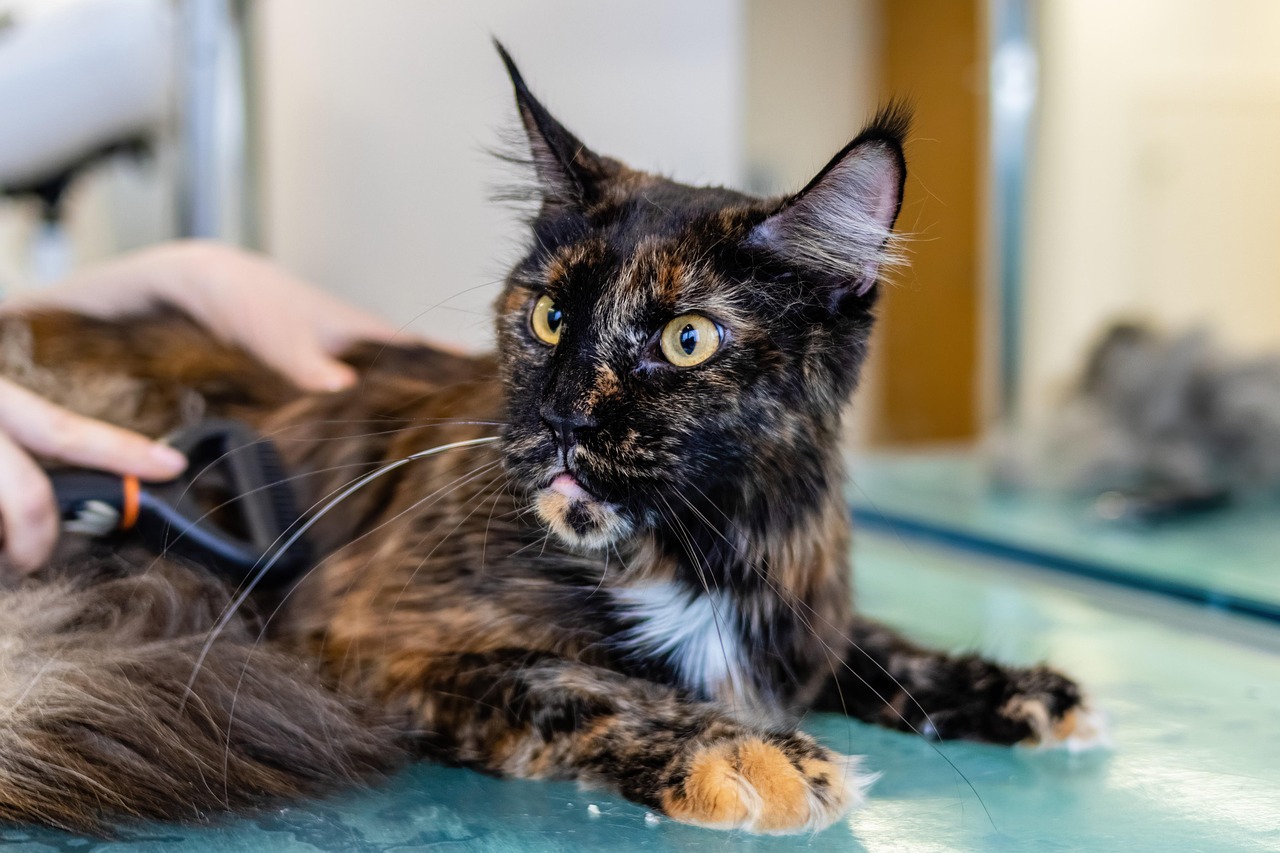
Grooming is an essential part of pet care, yet many well-intentioned pet owners unknowingly make mistakes that can lead to discomfort, stress, or health problems. These mistakes are rarely caused by neglect. More often, they stem from misinformation, rushed routines, or misunderstanding a pet’s needs.
Disclosure: This post may contain Amazon affiliate links, at no extra cost to you. Content on Pawtangle is created with research support from AI tools and carefully reviewed, edited, and fact-checked by the lead author, Dr.Fahri Pat , to ensure accuracy and reliability. Learn more
Recognizing common grooming mistakes is the first step toward creating a healthier and more positive experience for both pets and their owners.
Treating Grooming as an Occasional Task
One of the most common mistakes is viewing grooming as something that only needs attention when a pet looks dirty or unkempt. In reality, grooming works best as a regular routine rather than a reactive task.
Infrequent grooming allows mats to form, dirt to accumulate, and skin issues to go unnoticed. Consistency helps pets become familiar with the process and reduces anxiety over time.
Ignoring a Pet’s Individual Needs
Every pet is different. Coat type, skin sensitivity, age, and temperament all influence grooming requirements. Applying the same routine to every pet can cause problems.
For example, some pets need frequent brushing but minimal bathing, while others may require more attention to specific areas such as ears or paws. Ignoring these differences can result in irritation, dryness, or unnecessary stress.
Using Improper Techniques
Many grooming problems arise from incorrect handling rather than lack of effort. Pulling through tangles, trimming nails too quickly, or applying too much pressure during brushing can cause pain or fear.
Pets may associate grooming with discomfort if techniques are rushed or forceful. Over time, this can lead to resistance, anxiety, or aggressive behavior during grooming sessions.
Overlooking Early Warning Signs
Grooming is an opportunity to observe subtle changes, yet many owners miss early warning signs. Redness, sensitivity, unusual odors, or changes in coat texture are often dismissed as temporary issues.
Ignoring these signs may allow minor concerns to develop into more serious conditions. Paying attention during grooming sessions can help identify problems before they escalate.
Creating Stressful Grooming Environments
A noisy, rushed, or unpredictable environment can turn grooming into a stressful experience. Pets are highly sensitive to tone, movement, and energy levels.
Grooming in a calm, familiar setting with a consistent routine helps pets feel secure. When grooming is associated with tension or frustration, pets may become fearful or uncooperative.
Skipping Areas That Seem Unimportant
Some grooming areas are frequently overlooked, including paws, ears, under the tail, and areas behind the legs. These spots are more prone to matting, moisture buildup, and irritation.
Neglecting these areas can lead to infections or discomfort that might not be immediately visible. A thorough but gentle approach is essential for complete care.
Expecting Immediate Cooperation
Pets are not naturally comfortable with grooming, especially if they have not been gradually introduced to it. Expecting full cooperation too quickly can create frustration on both sides.
Patience and gradual exposure are key. Short, positive grooming sessions help build trust and confidence over time.
Final Thoughts
Grooming mistakes are common, but they are also preventable. By understanding where things often go wrong, pet owners can adjust their approach and create routines that prioritize comfort, safety, and awareness.
Thoughtful grooming is not about perfection—it is about attentiveness, consistency, and respect for a pet’s physical and emotional needs.