
Stress is often associated with behavioral changes in pets, such as hiding, vocalization, or restlessness. However, its effects are not limited to behavior alone. Chronic or repeated stress can also influence a pet’s physical condition—particularly the skin and coat.
Disclosure: This post may contain Amazon affiliate links, at no extra cost to you. Content on Pawtangle is created with research support from AI tools and carefully reviewed, edited, and fact-checked by the lead author, Dr.Fahri Pat , to ensure accuracy and reliability. Learn more
Understanding how stress manifests on the body helps pet owners recognize early signs and respond more thoughtfully.
The Link Between Stress and Physical Health
When pets experience stress, their bodies release stress-related hormones as part of a natural survival response. While this reaction can be helpful in short-term situations, prolonged stress may disrupt normal bodily functions.
Over time, this hormonal imbalance can affect immune response, skin regeneration, and oil production. As a result, changes in a pet’s skin and fur are often among the earliest physical signs of stress.
Common Skin and Coat Changes Linked to Stress
Stress-related skin and coat issues may appear gradually or suddenly, depending on the pet and the environment. Some commonly observed changes include:
- Increased shedding beyond seasonal norms
- Dull or brittle fur
- Dry, flaky, or irritated skin
- Excessive licking or scratching without a clear external cause
These signs are not exclusive to stress, but when they appear alongside behavioral changes, stress becomes an important factor to consider.
Why Grooming Often Reveals Stress First
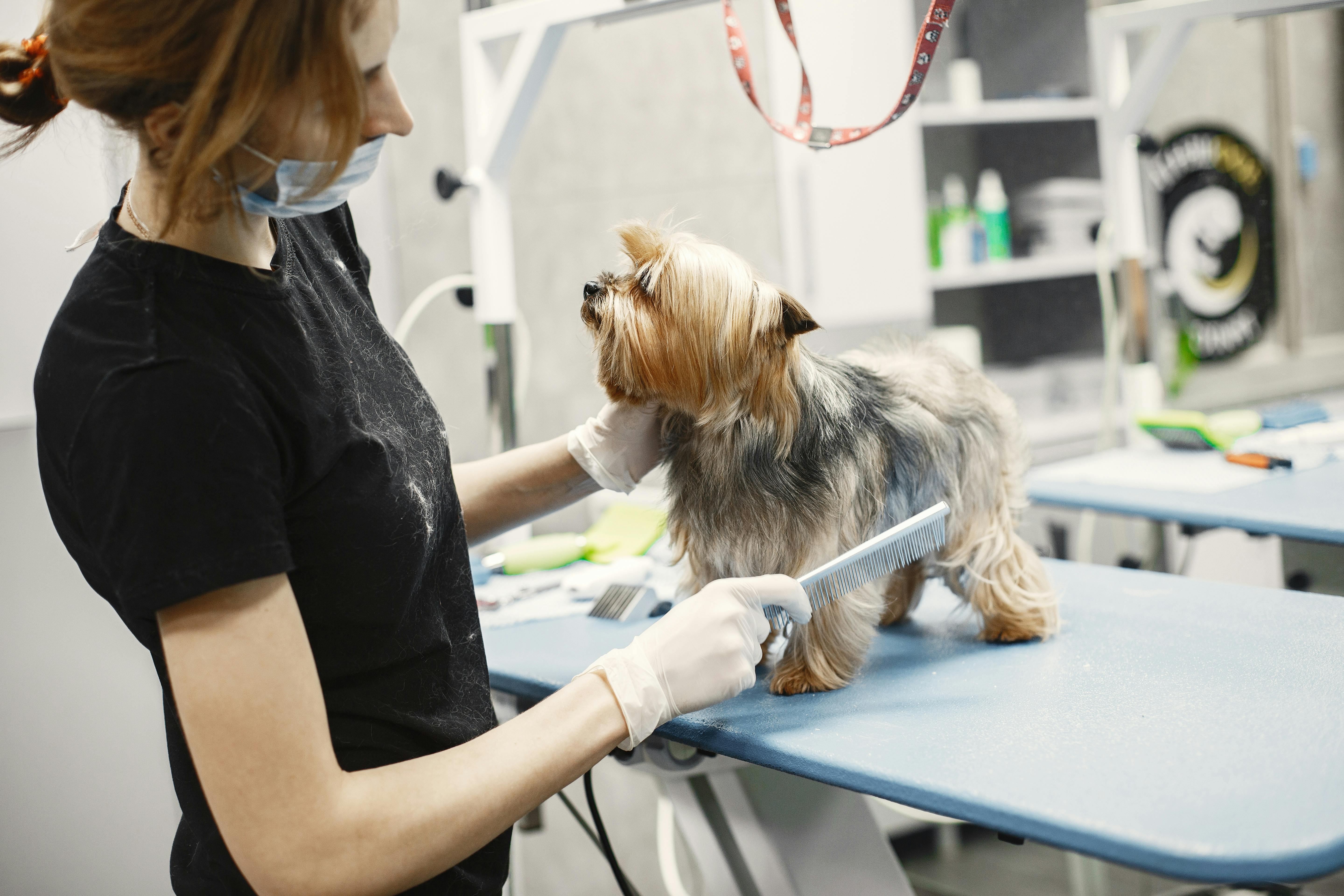
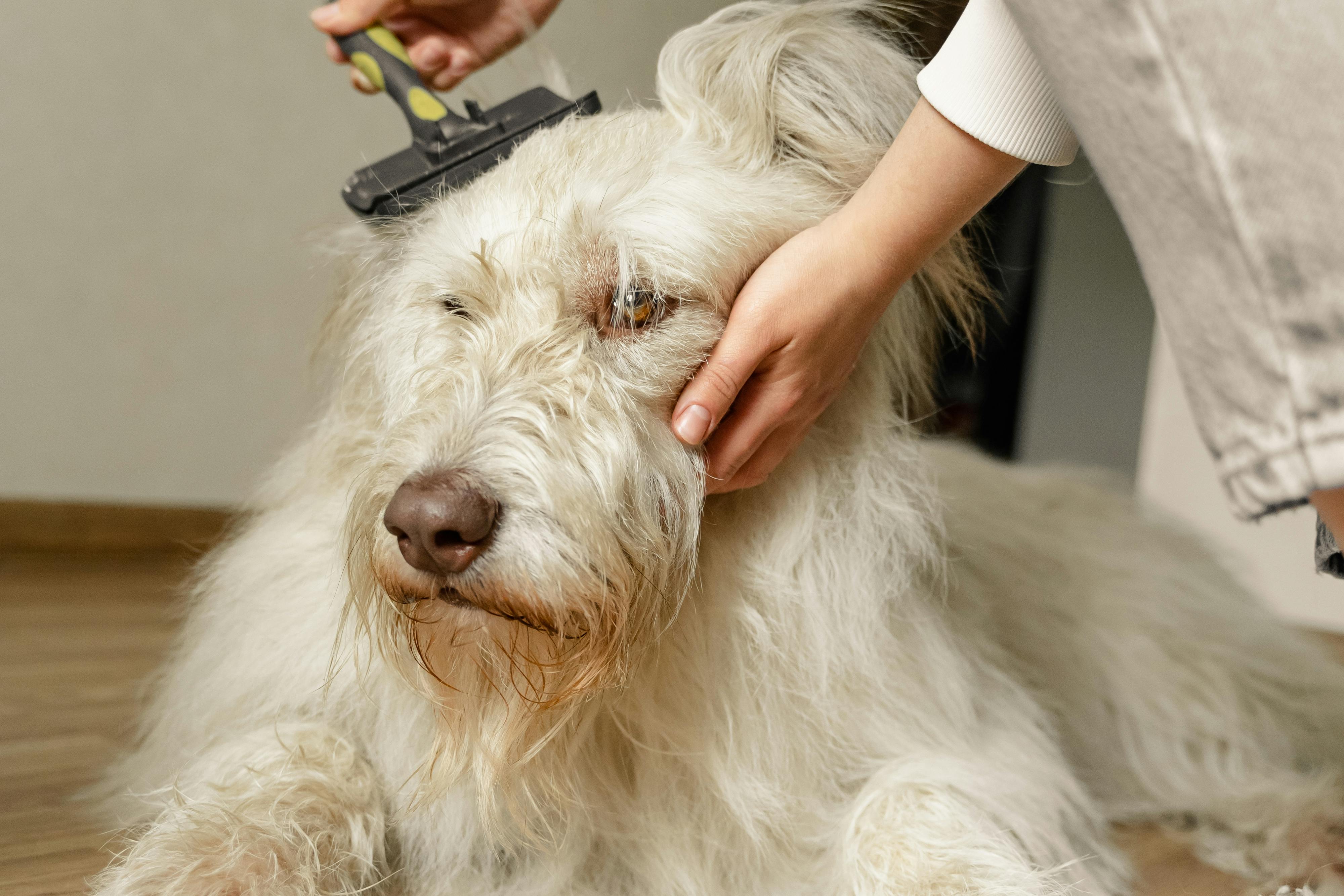
Grooming routines place owners in close physical contact with their pets, making subtle changes easier to notice. Variations in coat texture, sensitivity during brushing, or resistance to touch may signal underlying discomfort.
In many cases, pets experiencing stress become more reactive during grooming, particularly around sensitive areas. This response is not defiance—it is often a protective reaction to physical or emotional unease.
Environmental Stressors That Affect Skin and Fur
Stress does not always come from obvious events. Common environmental stressors include:
- Changes in household routine
- New pets or people in the home
- Loud or unpredictable noises
- Lack of mental stimulation
- Inconsistent grooming or handling
Even minor disruptions can have cumulative effects, especially in sensitive animals. Over time, the body may reflect this stress through skin and coat changes.
The Role of Routine and Predictability
Pets thrive on consistency. Predictable daily routines help regulate stress responses and support overall well-being. Regular feeding times, calm grooming sessions, and familiar environments contribute to both emotional stability and physical health.
A consistent grooming routine, when done gently and without pressure, can actually reduce stress and improve skin condition rather than worsen it.
When Skin Issues May Need Professional Attention
While stress can influence skin and coat health, not all skin problems are stress-related. Persistent hair loss, open sores, swelling, or signs of infection should never be attributed to stress alone.
In such cases, professional evaluation is essential to rule out medical conditions and ensure appropriate care.
Final Thoughts
Stress affects pets in complex and interconnected ways. Changes in skin and fur are not merely cosmetic concerns—they are potential indicators of a pet’s internal state. By observing both behavioral and physical signs, pet owners can gain a more complete understanding of their pet’s well-being.
Approaching grooming and daily care with awareness, patience, and consistency helps support not only a pet’s appearance, but also their long-term health and comfort.