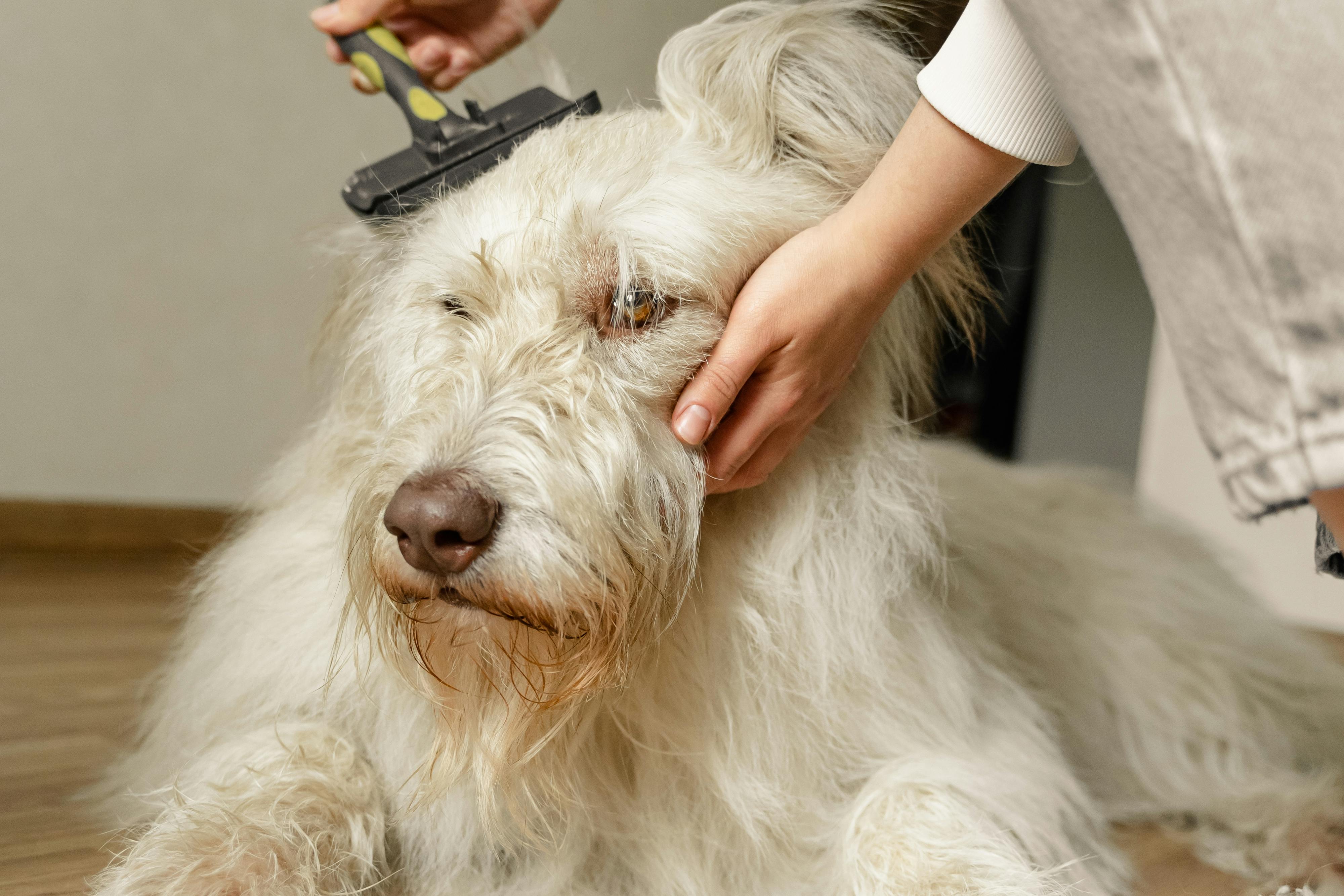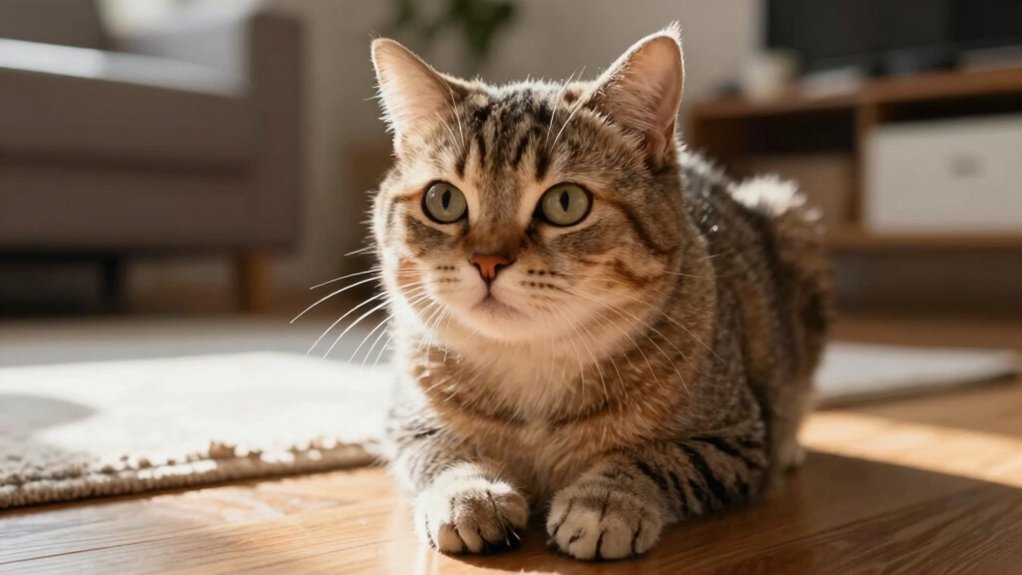

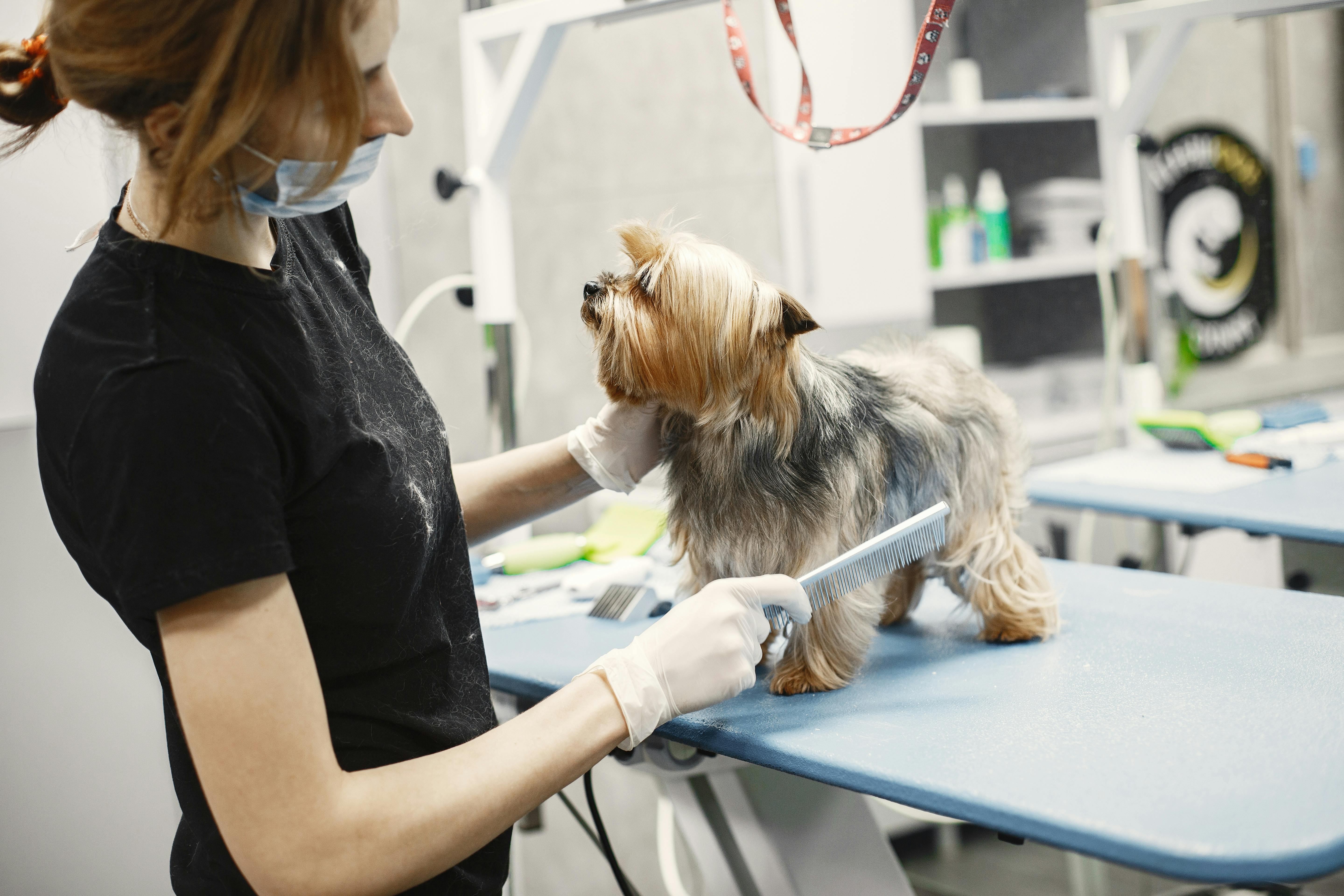
Grooming is often viewed as a routine part of pet care, yet many pets actively resist it. Pulling away, vocalizing, hiding, or even showing defensive behavior during grooming sessions is more common than many owners expect.
Disclosure: This post may contain Amazon affiliate links, at no extra cost to you. Content on Pawtangle is created with research support from AI tools and carefully reviewed, edited, and fact-checked by the lead author, Dr.Fahri Pat , to ensure accuracy and reliability. Learn more
Understanding why pets resist grooming requires looking beyond the surface and considering both physical comfort and emotional experience.
Grooming Is a Sensory Experience
For pets, grooming is not just a task—it is a full sensory event. The sounds, smells, touch, and restraint involved can feel overwhelming, especially for sensitive animals.
Even well-meaning handling may feel intrusive if a pet is not accustomed to it. What seems gentle to a human may register as uncomfortable or unpredictable to an animal.
Past Experiences Shape Grooming Reactions
Pets learn through association. If grooming has previously been linked to discomfort, pain, or fear, resistance becomes a protective response rather than misbehavior.
Common negative associations include:
- Rough or rushed handling
- Painful tangles or mat removal
- Grooming during illness or injury
- Loud or stressful environments
Once these associations form, pets may react defensively long before any physical contact occurs.
Physical Discomfort Often Goes Unnoticed
Resistance to grooming is sometimes the first visible sign of underlying physical discomfort. Skin sensitivity, joint stiffness, or minor irritations may not be obvious until touched during grooming.
Areas commonly associated with discomfort include:
- Ears
- Paws
- Tail base
- Abdomen
A pet avoiding contact in these areas is often communicating discomfort rather than defiance.
Stress and Lack of Control
Many pets resist grooming because it involves restraint. Being held still or placed in unfamiliar positions can trigger stress, particularly in animals that value autonomy.
Stress responses may include:
- Increased heart rate
- Muscle tension
- Sudden movements
- Vocalization
These reactions are instinctive and rooted in self-preservation.
Inconsistent Grooming Routines
Irregular grooming can increase resistance. When grooming happens infrequently, pets may perceive it as a disruptive or threatening event rather than a familiar routine.
In contrast, consistent, calm grooming sessions—kept short and predictable—often lead to greater tolerance over time.
The Role of Trust in Grooming
Trust plays a central role in how pets respond to grooming. Animals that feel safe and understood are more likely to allow close physical handling.
Trust is built through:
- Predictable routines
- Gentle handling
- Respecting signs of discomfort
- Allowing breaks when needed
Forced grooming may achieve short-term results, but it often weakens trust and increases future resistance.
When Resistance Signals a Bigger Issue
While mild resistance can be normal, sudden or extreme changes in behavior should not be ignored. A pet that previously tolerated grooming but now strongly resists may be experiencing pain, illness, or heightened stress.
In such cases, professional evaluation helps ensure that discomfort is properly addressed rather than dismissed as behavioral.
Final Thoughts
Pets do not resist grooming without reason. Their responses are shaped by sensory perception, past experiences, physical comfort, and emotional safety.
Approaching grooming as a cooperative interaction rather than a task to be completed helps reduce stress and supports both physical care and emotional well-being.