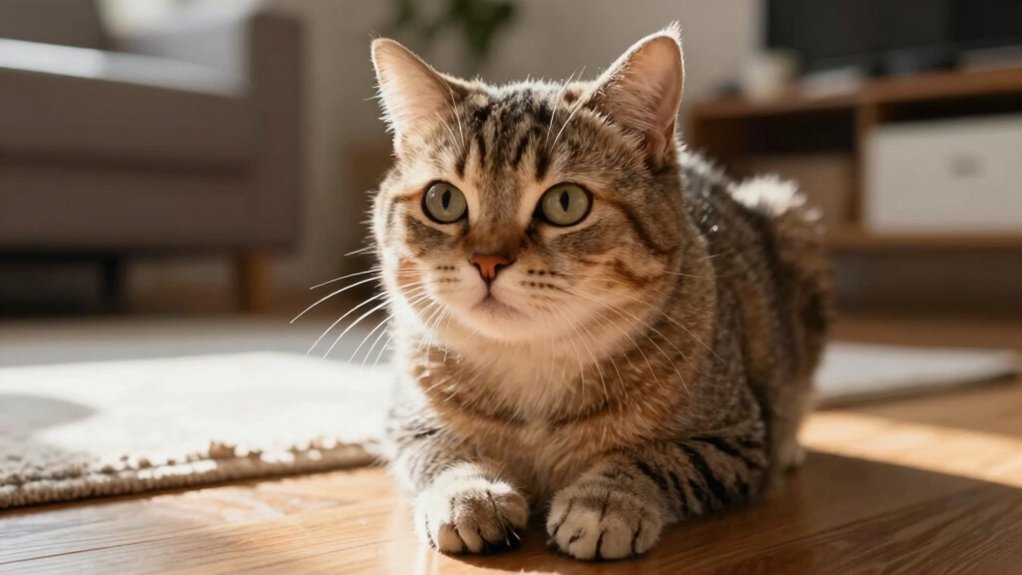
Your cat’s “weird” habits usually make perfect sense: chirps at birds, zoomies at dawn, head bumps, kneading, and box obsession all come from hunting instincts, comfort cues, and scent-based social talk. You’re seeing curiosity, stress relief, or a tiny “you’re safe, friend” message! Watch the whole picture—ears, tail, appetite, and litter box changes—because sudden shifts can signal pain or illness. Stick around, and the clues only get more surprising from here.
Disclosure: This post may contain Amazon affiliate links, at no extra cost to you. Content on Pawtangle is created with research support from AI tools and carefully reviewed, edited, and fact-checked by the lead author, Dr.Fahri Pat , to ensure accuracy and reliability. Learn more
Key Takeaways
- Many “weird” cat behaviors are instincts, like hunting, hiding, kneading, and zoomies.
- Cats communicate through body language, scent rubbing, purring, tail position, and head bumps.
- Sudden weird behavior can be triggered by noise, light, new routines, or stress.
- Purring, kneading, and loafing often mean comfort, but can also be self-soothing during stress.
- Rapid changes in appetite, litter box use, or aggression can signal pain or illness and need a vet.
Why Cats Behave in Unusual Ways
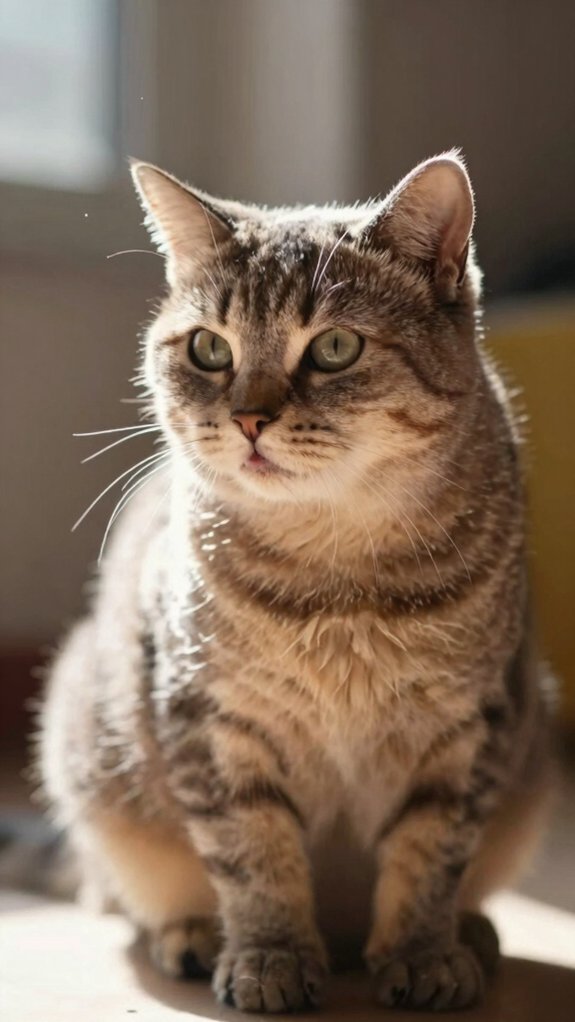
Your cat’s weird little habits often come from instinct, so that chirping at birds or zooming through the hall isn’t just random silliness—it’s built into how cats hunt, play, and rest.
Sometimes those same moves are how your cat talks to you, like rubbing on your leg to say, “You’re mine,” or kneading like a tiny furry baker, cute and slightly ridiculous!
And when your cat hides in a box, scratches at a corner, or acts extra bouncy at dawn, the room, the light, or even plain old energy can be the big clue.
– Instinctive behavior
At first glance, cats can seem like tiny furry comedians, but a lot of their “weird” moves are really old survival instincts kicking in!
When you stare at birds and hear that funny chirp, you’re seeing predator instincts at work, mixed with frustration.
Headbutts? That’s territorial marking, and your cat is saying you’re part of the safe crew.
You might also find them cramming into boxes or cabinet corners, because hidden spots feel warm and protected.
Then there are zoomies and kneading, those extra-energy bursts and kitten comfort habits.
– Communication style
When cats start rubbing their cheeks on your legs, chirping at the window, or kneading your blanket like they’re baking tiny muffins, they’re not just being adorable little oddballs—they’re talking! You’re hearing scent marking, playtime bonding, and comfort cues all at once.
- Face-rubbing says, “You’re mine, friend,” and helps your cat tag you with familiar scent.
- Chirping at birds shows excited frustration, like hunting with no hands. Weird? Yep!
- Tail language and ear cues tell you the mood, while purring can mean happy, stressed, or sore.
Once you spot these signals, you’ll feel more in sync, and that belonging feels amazing!
– Environmental triggers
Sometimes a cat’s “weird” behavior is really just a reaction to what’s happening around them, and wow, their environment can be a big deal!
You might see chattering at birds, a sudden zoom at night, or a quick leap into a box.
Those sound triggers and light fluctuations can wake up hunting instincts, make your cat vocal, or send them hunting for a safe hideout.
A running faucet can even feel like a jackpot because moving water seems safer and fresher.
If your cat rubs, pauses, or hides, they’re often telling you, “This place matters to me!”
Common Cat Behaviors Explained
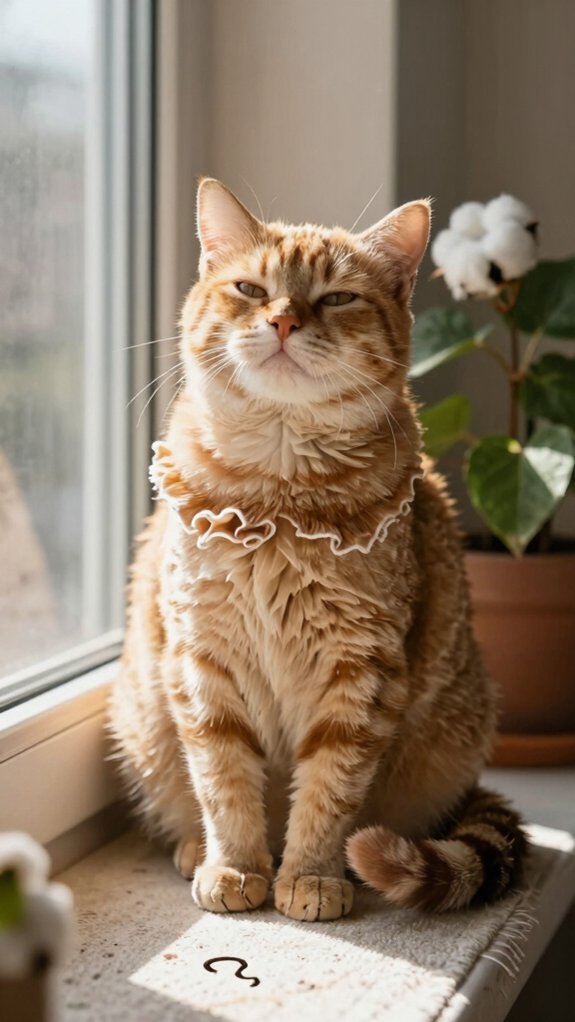
You’ve probably seen your cat knock a pen off the table, launch into wild zoomies, stare at a blank wall like it’s hiding secrets, or curl up in the oddest little spots—yep, it’s all part of the package!
Some of this is just curiosity or energy overflow, and some of it’s your cat’s quirky way of saying, “This feels safe,” or “I’m bored, entertain me now.”
Let’s break down what these common cat behaviors really mean, because the answers are funnier and more interesting than you might expect.
– Knocking things over
Ever notice your cat nudging a pen right off the table? That’s not always mischief, it can be a sneaky bid for your attention, like saying, “Hey, watch me!”
If you react every time, your cat may learn that tipping stuff over is a fast way to get you looking, laughing, or rushing in.
Attention seeking
Why does your cat turn into a tiny tabletop tornado? You’re not alone!
- Cats may swat cups just to get your attention, and your reaction teaches them fast.
- Use positive reinforcement for calm moments, not drama.
- Try reducing triggers by moving tempting items away, so your cat gets fewer chances to play crowd-control, and you both keep the peace!
– Sudden zoomies
Those wild zoomies are usually your cat’s way of burning off extra energy, like a tiny rocket blasting through the hallway—cute, chaotic, and very fast!
You’ll often notice them at night or around dawn and dusk, when your cat’s hunting instincts wake up and the day’s leftover energy finally has to go somewhere.
Energy release
When your cat suddenly blasts down the hallway like a tiny furry race car, it’s usually just energy bursting out in a big, dramatic way!
- Add daytime enrichment and playtime routines with wand toys.
- Offer food puzzles before bed.
- Expect less midnight chaos, because your buddy feels tired, satisfied, and ready to snooze.
You’re not dealing with mischief—just a natural burst of cat energy!
– Staring at nothing
Ever catch your cat staring into space like they’ve spotted a tiny ghost? Wow—your cat’s senses are working overtime, so that “nothing” might be a bug, a mouse, or just a tiny flick of movement you missed.
Sometimes it’s just hunting mode, but if the stare looks intense or weirdly constant, it’s worth a closer look!
Heightened senses
Your cat’s “staring at nothing” usually isn’t spooky at all, it’s often just their super-powered senses picking up tiny clues you can’t hear or see.
- In low light, they catch faint motion.
- They may listen for silent sounds.
- That long, still stare can mean they’re on alert.
If you look away or slow blink, you help them relax, and the mystery fades fast!
– Sleeping in odd places
Your cat’s weird nap spots aren’t so weird after all—they often pick boxes, cabinets, or even sinks because small, enclosed places feel safe and snug, like a mini hideout!
When your cat loafs up with paws tucked in, it’s usually just comfy body heat management, not a secret plot.
And yes, that laptop might be “yours,” but to your cat it’s a warm, watchful perch that feels extra secure, especially when they want to stay close and alert.
Safety instinct
When a cat curls up in a box, a dresser drawer, or even a bathroom cabinet, it’s not being dramatic for no reason—it’s following a deep safety instinct. You’re seeing fearful hiding, not fussiness, and that little den offers resource security, warmth, and a place to watch the room.
- Tight spaces feel safe.
- Heat stays in.
- If eating and litter stay normal, relax—your cat’s just clever!
What Your Cat Is Trying to Tell You
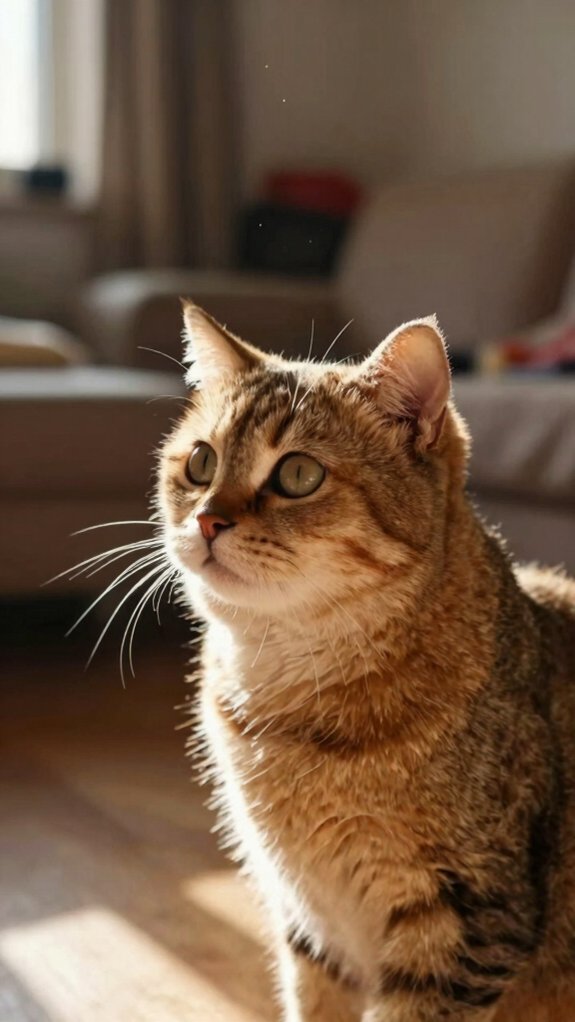
Your cat’s weird moves are often tiny messages, and when you watch closely, you can spot stress signals, comfort cues, and little “hey, I like you” moments.
A head bump, a purr, or some biscuit-making can mean you’re in the cat’s inner circle, but that same purr can also pop up when your cat feels scared or hurt, so the full picture matters.
And if your cat starts chattering at birds or begging for the faucet, that’s no random quirk, it’s your clue that instinct, excitement, and maybe a bit of frustration are all in the mix!
– Stress signals
If a cat starts acting a little *extra*—twitchy tail, ears flicking back and forth, or that sudden “don’t-touch-me” vibe—it’s usually not random at all. You’re reading body language, and sometimes pain signals sneak in, too!
Watch for these stress clues:
- Tail whipping, ears pinning, or tense posture means back off.
- Kneading and purring can be self soothing, even when your cat feels stressed.
- Bitey bursts, litter box messes, or overwriting petting spots can be overstimulation signs, so give space.
Keep an eye out, because your cat’s weird little drama often says, “I need a break, friend!”
– Comfort cues
Sometimes the sweetest cat clues are the quietest ones! When you see kneading, that little biscuit-making dance, your cat’s comfort cues are saying, “I feel safe here.”
Playful kneading origins go back to kitten days, when pressing helped milk flow. Cute, right?
If your cat curls into a box, drawer, or closet corner, they’re choosing a snug hideout that feels protected.
A loaf pose often means they’re conserving warmth, not plotting mischief.
And purring isn’t always joy; Stress purring reasons include self-soothing.
Even your laptop can become a prized nap spot when cozy heat meets routine.
– Social interaction
When cats want to talk, they don’t exactly use words—they use little social signals that can feel oddly sweet, a bit silly, and super helpful once you know what to watch for!
- A head bump or face rub says, “You’re safe, and I’m glad you’re here.” That’s scent marking with love, not rudeness.
- If your cat kneads, purrs, or sits close, you’re seeing comfort cues that often mean, “I trust you.” Not every cat headbutts, and that’s okay.
- Mouth-open gaping can look weird, but it helps your cat sniff more deeply with playful curiosity. Tiny detective, big feelings!
When Behavior Signals a Problem
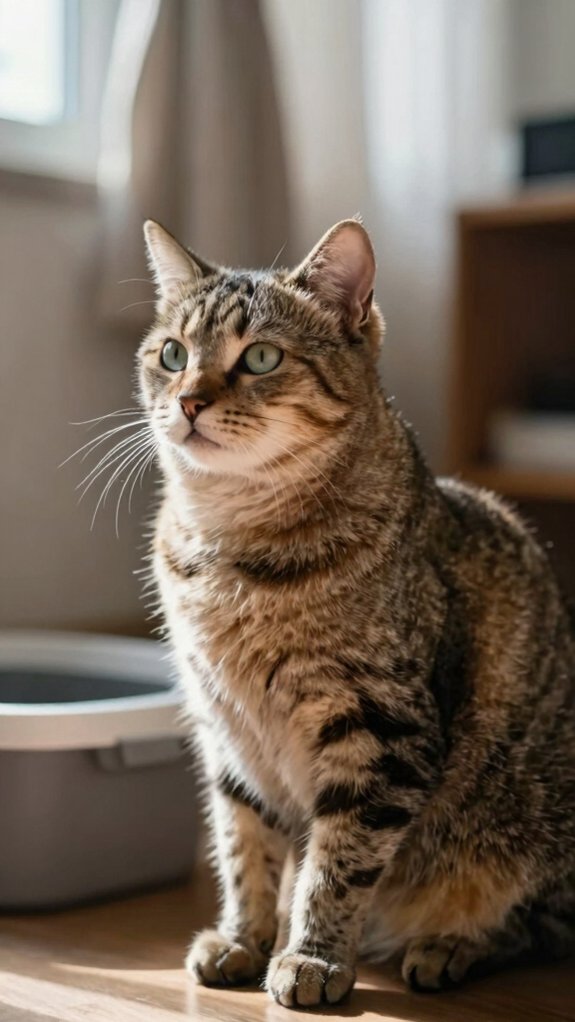
When your cat’s behavior suddenly changes, like getting snappy, skipping meals, or acting weird around the litter box, it’s worth paying attention fast!
A new appetite shift or a litter box miss can point to pain or illness, and yes, even a tiny change can be a big clue.
If things get worse quickly, or the odd behavior sticks around for more than a day, don’t wait—your vet should take a look.
– Aggression changes
If your cat suddenly goes from chill cuddle-bug to hissy drama queen, don’t shrug it off as “just attitude” — a fast shift in aggression can mean pain or illness, and that’s worth a vet check right away. You’re not overreacting; you’re protecting your buddy!
- Look for medical causes, like soreness or illness, and ask for a vet evaluation.
- If handling sparks swats, ease up on pets and note whether new pet stress or a routine change started it.
- If it lasts over 24 hours, or worsens fast, skip scolding and call your vet.
– Appetite shifts
A grumpy mood isn’t the only thing that can signal trouble — sudden appetite shifts can, too! If you’re seeing your cat eat way more or far less, don’t shrug it off. Changes like this can point to parasites, dental pain, hyperthyroidism, diabetes, or other metabolic concerns, especially if fluid intake also changes.
Keep an eye on the Litter box, too, because illness often shows up in more than one place.
If your cat’s eating pattern lasts more than 24 hours, go to the vet.
After illness is ruled out, a new food schedule may be the culprit, not your buddy’s weird little rebellion!
– Litter box issues
Litter box drama can be more than just a messy habit — it’s often your cat’s way of waving a tiny red flag! You’re not dealing with a “bad” cat, you’re spotting hidden stressors, pain, or a box setup that just doesn’t fit.
- Keep it clean, roomy, and in a semi-private box location.
- Use Calming routines, and follow the one-per-cat-plus-one-extra rule to lower competition.
- Watch for vet red flags like straining, tiny trips, or drinking changes, and check access barriers, especially if arthritis hurts.
If your vet rules out illness, test litter preferences, covered vs. uncovered boxes, and depth. Tiny tweaks can bring big relief!