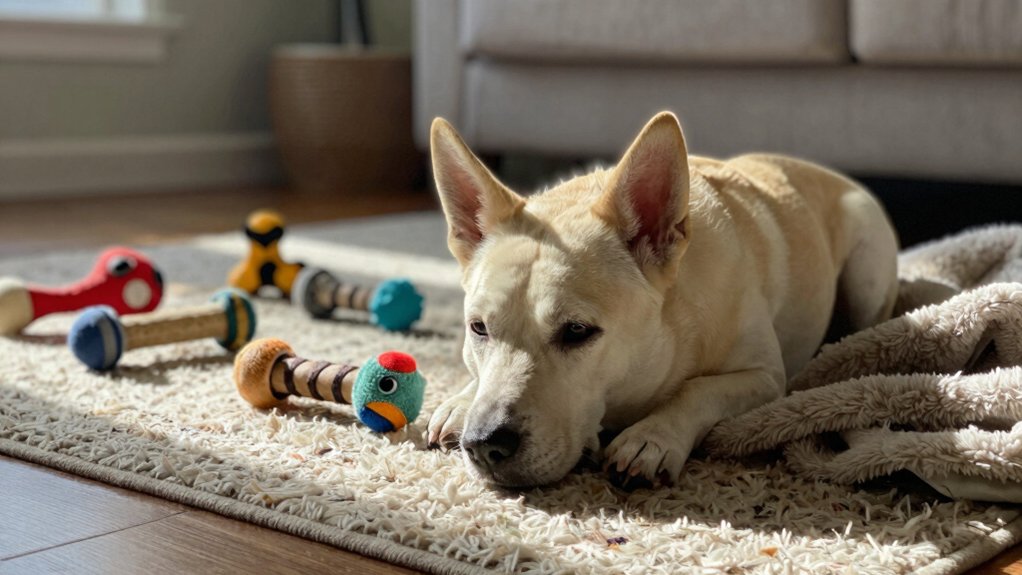
Your dog may be bored if you see chewing, barking, pacing, digging, or trash raids, especially when it’s the same old “hello-and-pee” routine. Fix it with easy brain work: use a puzzle feeder, hide treats in boxes, or toss a chew toy or frozen Kong for a cheap mini workout. Then add a longer walk, sniff stops, and a few minutes of training or tug—those little changes can turn chaos into calm, and there’s more to try next.
Disclosure: This post may contain Amazon affiliate links, at no extra cost to you. Content on Pawtangle is created with research support from AI tools and carefully reviewed, edited, and fact-checked by the lead author, Dr.Fahri Pat , to ensure accuracy and reliability. Learn more
Key Takeaways
- Bored dogs often chew furniture, shoes, or pillows, bark excessively, dig, or pace when under-stimulated.
- Lack of exercise and mental work can make potty walks feel like a boring rerun instead of real activity.
- Add puzzle feeders, scent games, training bursts, and toy rotation to give your dog more brain work.
- Increase physical exercise with longer walks, fetch, recall drills, sniffing stops, and safe play sessions.
- Add social time, playdates, daycare, or mid-day walks to reduce clingy, attention-seeking, and destructive behavior.
Why Dog Boredom Happens
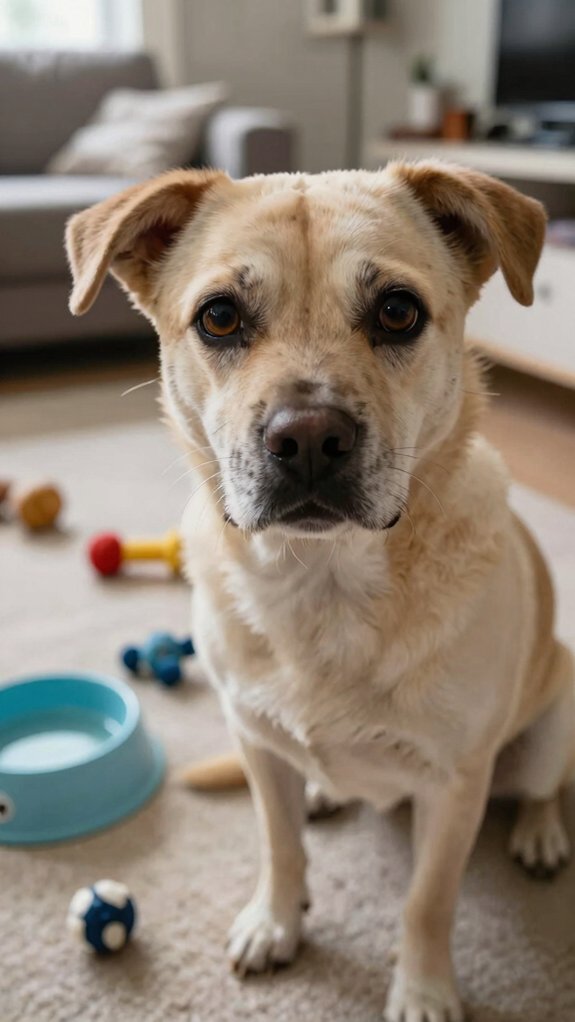
Dog boredom usually happens when your pup doesn’t get enough physical exercise, mental stimulation, or social time, so they start making their own fun, yikes!
A lack of walks, play, and brain games can leave them with too much energy and not enough to do, which often leads to chewing, barking, pacing, or even dramatic pillow destruction.
And if every day looks the same, that repetitive routine can make your dog feel like the house is one long, boring rerun!
– Lack of stimulation
When a pup doesn’t get enough exercise or “brain workouts,” boredom sneaks in fast, and suddenly your couch pillows, trash can, and even the toilet paper roll look like the most exciting things in the house!
- Try Puzzle feeders with kibble, and your dog has to work, not just snack.
- Mix in scent games using treats and boxes, and watch their nose take over.
- Offer chew enrichment like safe chews or frozen Kong stuffings, because busy mouths calm busy minds.
- Rotate toys and routines, or your dog may invent chaos, from pacing to pawing you nonstop!
– Insufficient exercise
Even if your pup gets a daily walk, boredom can still sneak in fast if that walk is just a quick potty lap around the block!
Common misconceptions say short walks are enough, but your dog may need more than a hello-and-pee stroll.
Think exercise mismatch: a mellow Chihuahua and a wild Border Collie won’t need the same game plan.
Add 15–30 minutes of ball chasing, safe running, or extra sniffing stops on different routes.
That extra movement helps your dog settle, nap, and stop redecorating your place with chewed stuff, dug-up dirt, or tipped trash.
Match breed age needs, and you’ll both breathe easier!
– Repetitive routine
A good walk helps, but a super predictable day can still leave your pup mentally twiddling their paws!
When every morning looks the same, boredom sneaks in fast, and your dog may start pacing, shadowing you, or barking at every tiny sound.
- Rotate toys and routes for fresh smells.
- Add quick Brain games with treats or cups.
- Try routine tweaks, like new play times or surprise fetch.
- Give safe chewing or digging spots instead of your shoes.
These small changes cost little, feel easy, and help your dog relax, settle, and stop making “fun” out of your couch!
Common Signs of a Bored Dog
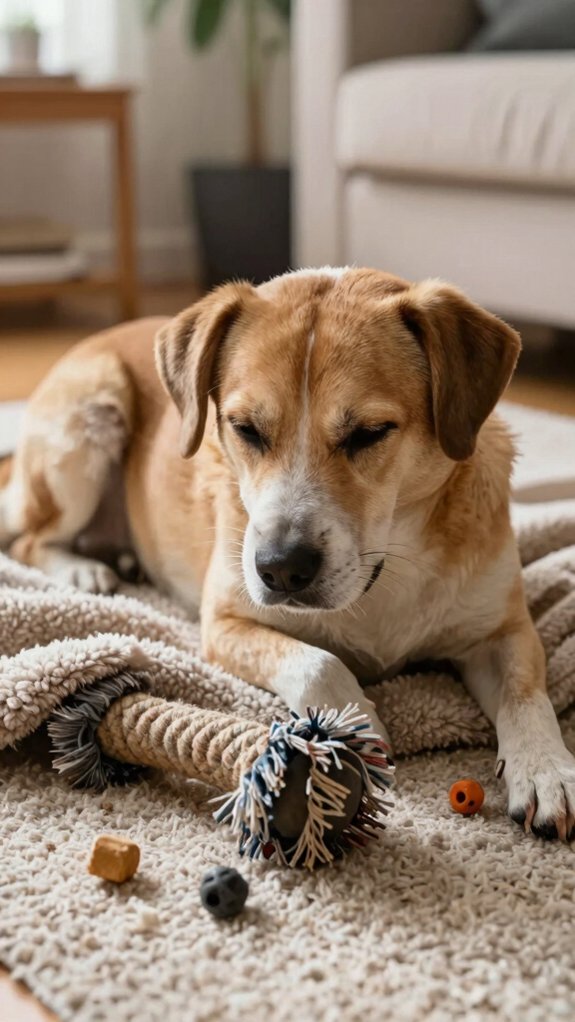
You might spot the classic boredom clues first, like chewing furniture, barking at every little sound, or pacing around like they’ve got a tiny appointment to keep—oops! If your dog’s making their own “fun,” it’s usually a sign they need more to do, not more scolding.
Keep an eye out for digging in the yard, too, because that restless energy often shows up when their brain and body aren’t getting enough action.
– Chewing furniture
When you come home to chewed furniture, torn pillows, or gnawed shoes, that’s classic destructive behavior, and it usually means your dog was looking for something to do. Yikes!
If the chewing happens mostly when you’re gone, or keeps landing on the same favorite items, boredom may be the real culprit.
The good news? More chew toys, puzzle feeders, and a little extra play can make a big difference fast.
Destructive behavior
Destructive boredom often shows up in the most obvious, sneaky way possible: your dog starts chewing on furniture legs, table corners, baseboards, or whatever household item is within reach, especially if they’re left alone or don’t have enough to do.
Try 1. Vet checkups 2. stress triggers 3. noise sensitivities 4. separation anxiety, age related needs, pain discomfort.
Add chew toys, puzzle feeders, and exercise—boom, fewer bite marks!
– Excessive barking
If your dog barks at every tiny sound, from a door knock to a squirrel zooming past the window, boredom might be the real troublemaker.
You may also notice the barking stops the second you grab a toy, start a quick training game, or hand over a food puzzle, which is a big clue that your pup just wants attention and something fun to do.
Yep, that’s your dog saying, “Hey, I need a job!”
Attention seeking
Because boredom loves to make noise, excessive barking is one of the biggest attention-seeking clues you’ll notice in your dog.
When you step out, separation distress or threshold barking can pop up fast, and your pup may bark at windows, doors, or guests.
Try 1) short games 2) puzzle toys 3) chew time 4) planned attention.
Barking fades when you interact—aha!
– Digging or pacing
If you catch your dog digging up the yard or pacing like they’re late for an important meeting, that’s often a frustration sign, not bad behavior!
It usually means they’ve got pent-up energy and not enough to do, so their body is saying, “Hey, I need a job!”
When they can’t settle down, especially during quiet times, it’s a big clue that more exercise, play, and brain games could help.
Frustration signs
When a dog starts digging at the carpet like it’s hiding treasure, or pacing the hallway like a tiny security guard on a mystery mission, boredom is often the real culprit!
- Watch for crate restlessness.
- Spot boredom triggers, like household noise.
- Notice seasonal boredom during slow days.
- Add longer walks, sniff time, and puzzle toys.
That extra fun helps your dog feel seen, settled, and happily included!
Simple Ways to Keep Your Dog Mentally Active
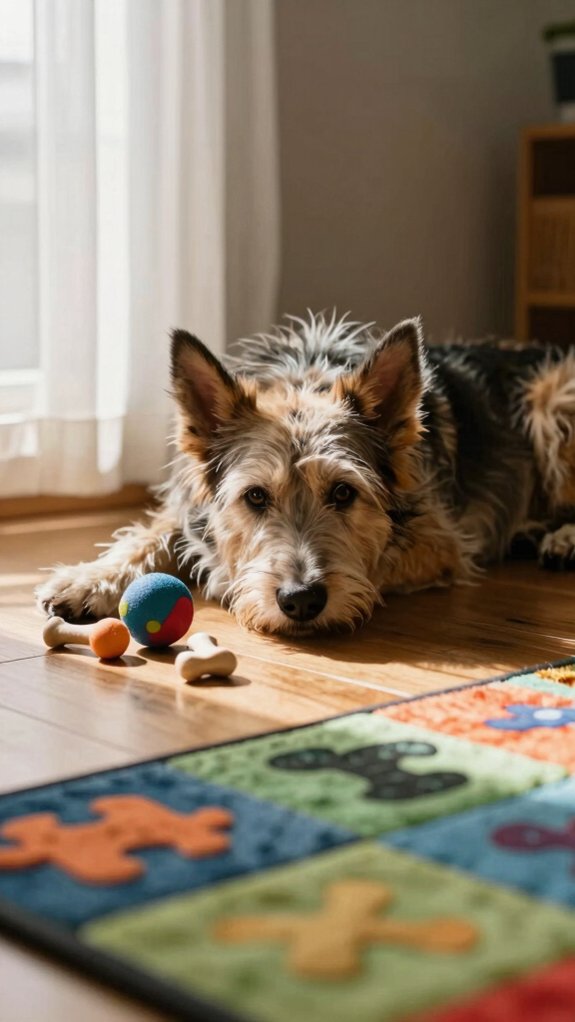
Interactive toys can turn snack time into a mini brain workout, and you don’t need premium gear, just a puzzle feeder, a treat ball, or even a simple DIY scent game with a few hidden treats.
A couple of quick training sessions each day, using a marker and a few tiny treats, keeps your dog focused and helps you earn back those “please notice me!” moments.
Rotate the games every few days, add a longer walk or sniff hunt when you can, and you’ll keep boredom from sneaking in like a sneaky squirrel!
– Interactive toys
Often, a bored dog doesn’t just nap the day away, they start looking for trouble, and that’s where engaging toys come in!
You can build a happy, in-the-know routine with simple tools that feel fresh.
- Puzzle feeders make meals a game, and your pup works for every bite.
- Hide treats for gadget free sniffing, and watch those happy nose wiggles.
- Freeze a stuffed Kong with yogurt for Dental enrichment options and longer chew time.
- Rotate safe toy materials every few days, plus try obedience novelty games later.
Keep sessions to 5–10 minutes, and your dog stays busy, calm, and proudly part of the pack.
– Training exercises
A tired body helps, but a busy brain can wear a dog out in the best way—yay, science!
Do 5–10 minute training bursts once or twice daily with a clicker or quick “yes.” Start with one cue, like sit, spin, or high five, and reward fast, then nudge the challenge up.
These mini wins build trust during house training, leash manners, and crate routines, too.
Try “find it” with 3–5 treats hidden around a room, or feed kibble in a search zone.
Keep it fun, and your crew’s attention-seeker may finally chill—nice!
– Rotating activities
Routine can turn stale fast, so rotating your dog’s activities is a simple way to keep that busy brain buzzing!
Try this:
- Swap puzzle variety toys and scent games every few days.
- Mix in treat hide-and-seek, snuffle mats, and food-rolling toys.
- Do 5–10 minute training bursts for spin, high five, or a new trick.
- Rotate chews, stuffables, and holiday enrichment treats, then change your walking route for fresh sniffari fun.
You don’t need special gear, just small changes.
Old toys can feel new again, and your pup stays happier, calmer, and less likely to redecorate your couch!
Creating a Better Daily Routine
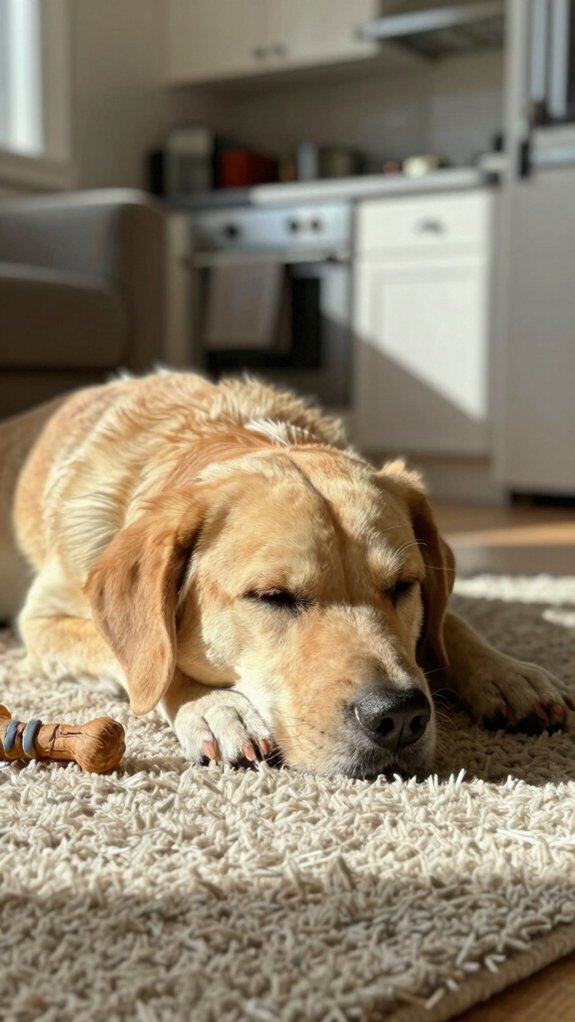
A better daily routine can work wonders, and it starts with structured playtime, like a quick game of fetch or tug, so your dog burns energy before boredom gets loud.
Mix up the walk route too, because new smells and sights turn an ordinary stroll into a mini adventure, and hey, your dog will act like they just won the neighborhood lottery!
Don’t forget a little social time with you or another friendly pup, since those happy moments can help calm the clingy, pacing, “hey, notice me!” stuff before it starts.
– Structured playtime
When your dog starts zooming around like they’ve had three cups of coffee, structured playtime can the fix that brings the day back into balance! You’ll fit it around their biggest energy bursts, like after potty time and mid-afternoon, so the chaos feels less personal.
- Mix body and brain work: fetch, a safe flying disc toss, puzzle toys, or treat balls.
- Try 5–10 minute scent games, because sniffing burns energy fast.
- Rotate weekly with new sniffy games, so boredom doesn’t sneak in.
- If your day’s packed, overnight enrichment or daycare helps.
Brain + body sessions help your pup settle!
– Walk variety
Even the same old walk can turn into a snooze-fest, so mixing up your dog’s route is a simple way to wake their brain back up! Try new blocks, side streets, or parks, and change the order you start, turn, or head home.
Add sniffing stops, too, and turn them into quick scent scavenger hunts with nothing but a leash and a curious nose. On weather dependent walks, let your dog linger longer, because those pauses count as brain work.
If boredom still shows up, add 15–30 extra minutes, plus a short ball chase or simple recall drill. Nice and easy, right?
– Social interaction
Roads, parks, and sniff stops can keep your dog’s brain busy, but social time matters just as much, maybe more! When you add friendly contact, you help stop pacing, guest-jumping, and the “hello, bark-fest” routine.
- Set up short playdates, daycare, or a walker mid-day for companionship.
- Build daily bond time with tug, hide-and-seek, training, indoor games, treat puzzles, and novel sniffing.
- Try enrichment scatter during supervised play; it’s cheap, easy, and keeps noses working.
- Rotate outings several times a week, then watch for barking or clinginess when plans change—those clues tell you it’s time to adjust.