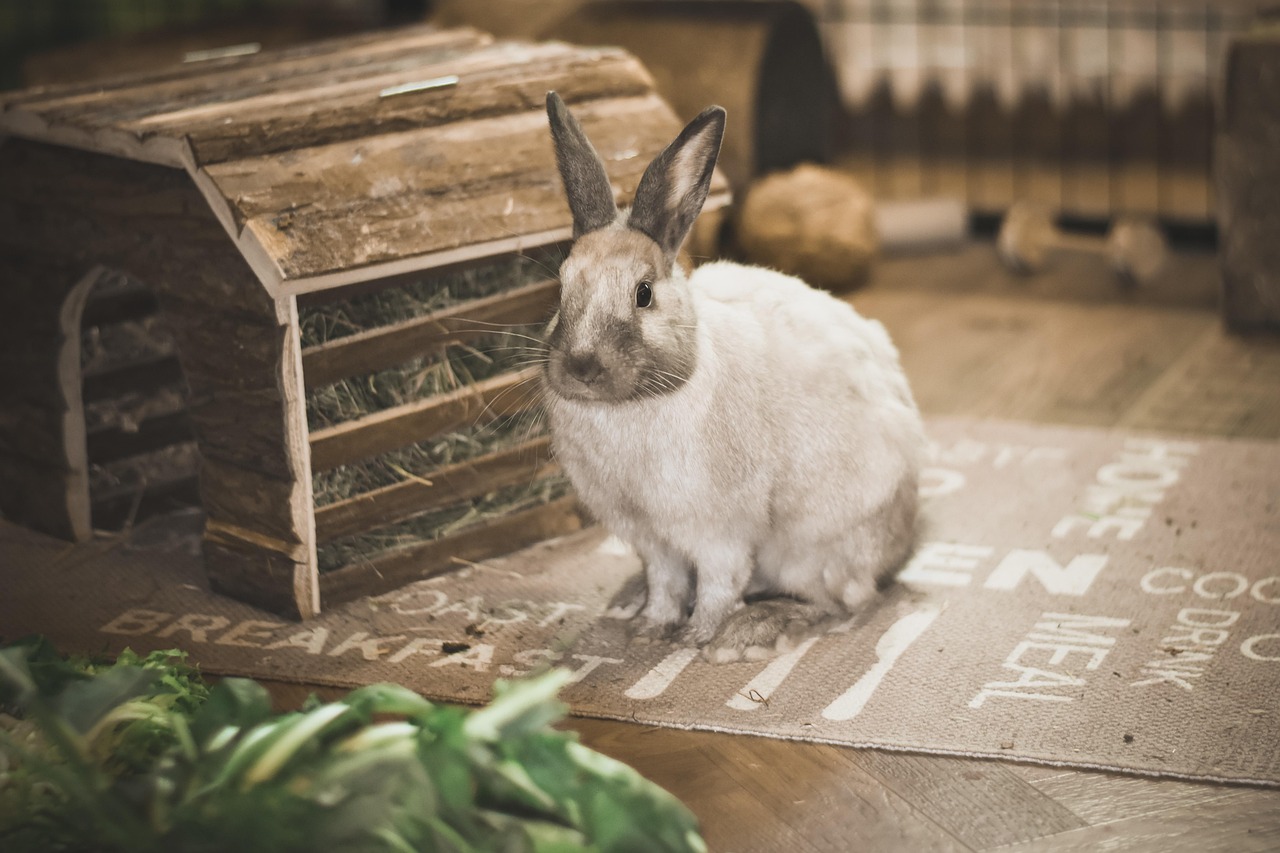
Create an in-door rabbit set-up. You will want them to have space to move around, hide and explore safely. Start by putting a pen into a corner of the room. The aim is to give your rabbit a living space so they can get on with their daily activities.
Disclosure: This post may contain Amazon affiliate links, at no extra cost to you. Content on Pawtangle is created with research support from AI tools and carefully reviewed, edited, and fact-checked by the lead author, Dr.Fahri Pat , to ensure accuracy and reliability. Learn more
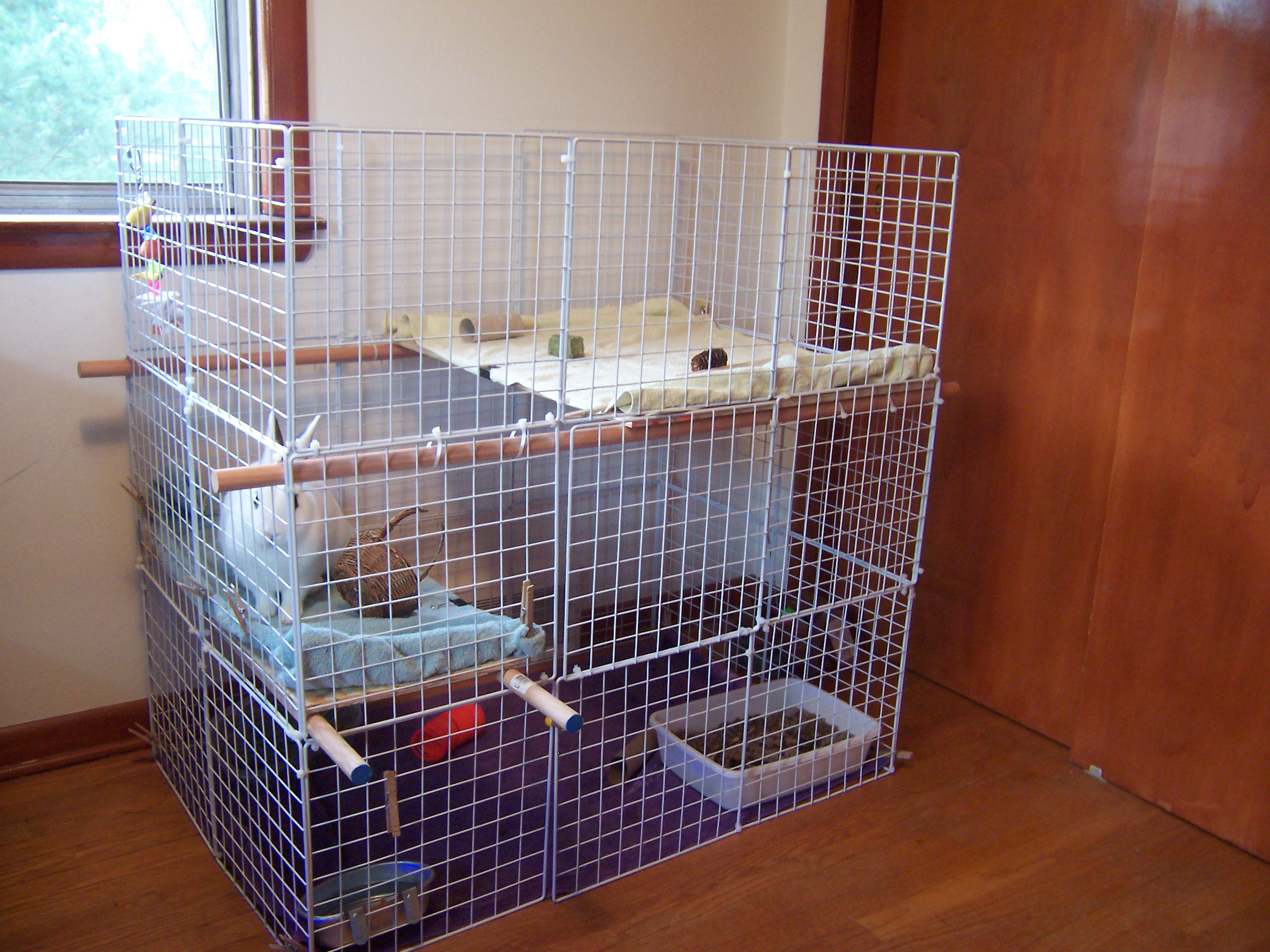
By using a logical setup, you can create an environment that provides everything your rabbit needs without using up too much space. You’ll need to provide them with lots of space to exercise, a safe place to sleep, a litter box, clean hay and water plus protection from dangers within your home.
1. Start With a Spacious Exercise Pen
An exercise pen that’s strong will give your rabbit a clearly defined space to live in. Ensure it is of good quality, with secure joints and won’t easily be knocked over. Choose one that is high enough for your rabbit to jump and climb in, and make sure there aren’t any large gaps between the panels (especially if you have a small rabbit).
Rabbits need space to play, run around, lie down fully, stand up and investigate. Two medium sized rabbits should have a space of at least 3m long x 2m wide x 1m high for them to live in (including shelter and exercise). Whilst this gives an excellent benchmark for rabbit wellbeing it isn’t a universal legal requirement. Check what guidance applies in your area. Where possible give them extra space.
Make sure your rabbits’ exercise area is linked to their resting area so that they can move freely. If you are using a small cage as a resting area make sure that this isn’t seen as their whole house.
For detailed housing guidance, read the RSPCA’s rabbit housing recommendations before choosing an enclosure.
2. Divide the Room Into Resting, Eating, and Toilet Zones
It will make your rabbits daily routine much easier if you have set up distinct areas within their enclosure. This does not need to be complicated or require walls and furniture. If you have plenty of space you may just need to have a shelter at one end, litter area nearby and open area for them to exercise.
- Resting zone: A covered hideaway where your rabbit can retreat from activity and rest without being disturbed.
- Food and water zone: A stable water bowl, a suitable food bowl, and constant access to fresh hay or grass.
- Toilet zone: A litter tray that is easy to enter, large enough to use comfortably, and accessible at all times.
- Exercise zone: Open floor space for hopping, stretching, exploring, and playing.
Ensure there are enough spaces to move around. Although a pen full of tunnels, boxes, bowls and furniture may sound interesting, it can become very cluttered. Ensure your main items are placed and then add enrichment items that won’t hinder movement.
3. Choose Flooring That Is Comfortable and Non-Slip
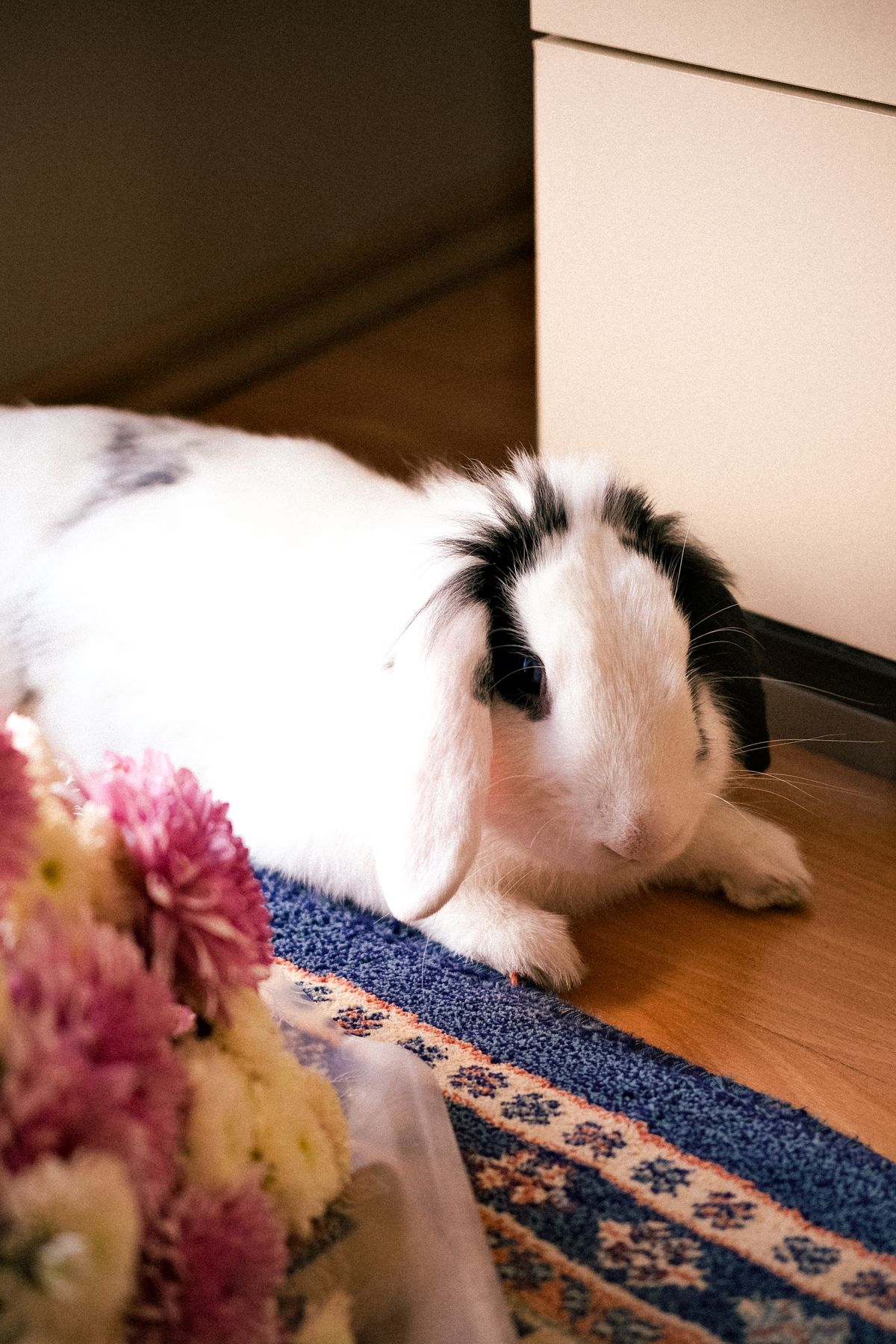
Rabbits will often be wary of slippery floors. If you have a polished floor, laminate or tiles throughout your home, place secure, washable rugs or another suitable non-slip surface on the main area they will use for exercising. Ensure that the material is easy to clean and watch for any signs of chewing or pulling.
Don’t use wire or mesh floors. Provide a firm and comfortable floor. Make sure you check the edges of rugs so that your rabbit can’t hide under them or eat any loose threads.
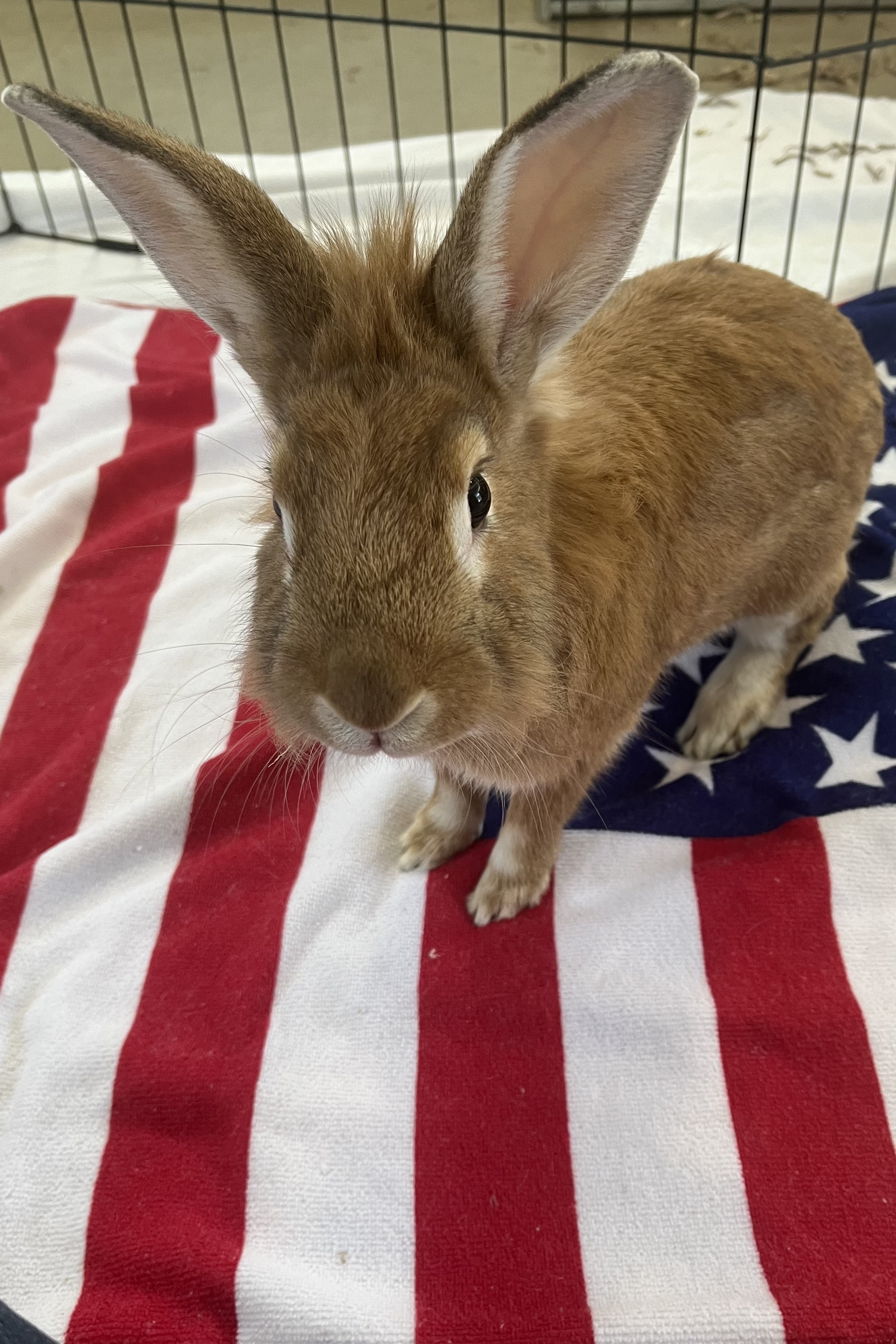
For a coordinated room, choose washable surfaces in colors that work with your existing furniture. You can also borrow storage ideas from these pet room ideas for an organized home, adapting them to rabbit-safe materials and the space your rabbit needs.
4. Set Up a Litter Tray With Hay Nearby
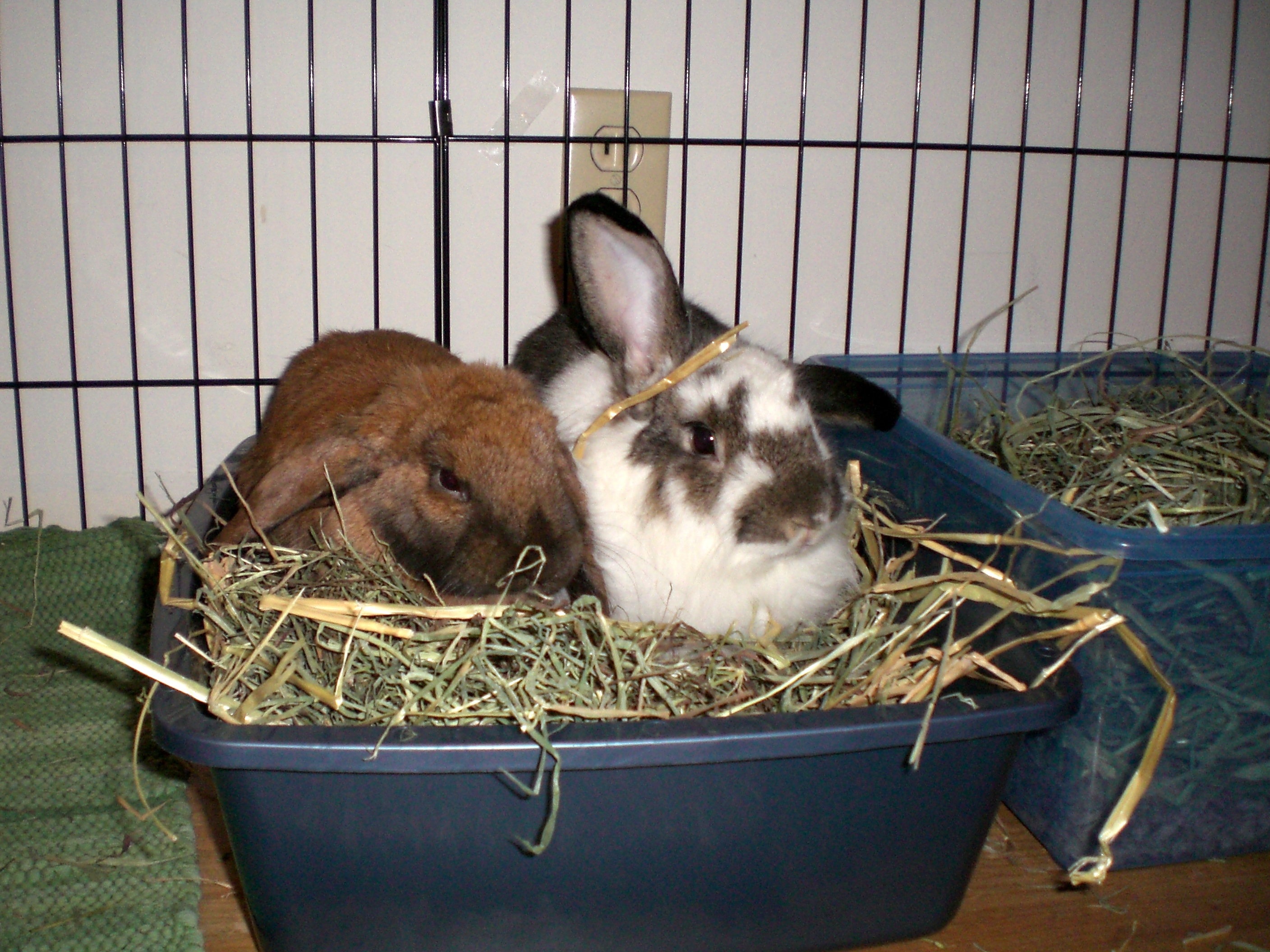
Many rabbits will naturally go to certain spots for toileting. Place a large tray in the location they go to. Ensure it is easily accessed during the day. If you have more than one room, then you might need multiple trays in handy areas.
Use an absorbent, rabbit safe litter (such as paper based litter). Don’t use clumping or expanding litters. Ensure the litter is safe if chewed. Place some hay in a tray next to the litter tray or at one end of a large enough tray. This will make it easier for your rabbit as they often like to eat hay whilst toileting.
Clean dirty litter regularly and ensure the tray is kept dry and hygienic. Ensure that your rabbit has a separate toilet area. If your rabbit suddenly stops toileting or passing droppings then do not think it is just a training problem. Contact a rabbit savvy vet quickly.
5. Add a Covered Hideaway and a Tunnel
Rabbits are naturally prey animals and will want somewhere to hide when they’re unsure. A cardboard hide, strong tunnel or shelter will give them a sheltered area but won’t take up the whole pen.
Pick a hide with enough space for your rabbit to move around in, turn around and lie down comfortably. Multiple entrances will allow them to feel less confined. If keeping a compatible bonded pair ensure there are enough hiding areas for them to either rest together or on their own.
Ensure the card shelter is free of staples, sticky tape, sharp corners and any small parts which may be chewed and swallowed. If it gets damp or damaged replace it. The hide should allow for choice and privacy but shouldn’t stop the animal moving around its enclosure.
6. Rabbit-Proof Cables, Furniture, and Room Corners
Make sure your rabbit is unable to chew things which they would naturally do. Please make sure all electrical cables are kept out of their reach, either by routing them away or using appropriate covers. Make sure they cannot get to any appliances, small spaces or traps.
- Cover or move electrical cables before allowing access to the room.
- Block gaps behind refrigerators, washing machines, and other appliances.
- Protect baseboards and furniture edges with secure, rabbit-safe barriers.
- Move plastic bags, cleaning products, medicines, and small objects out of reach.
- Check houseplants and remove access to any that may be toxic to rabbits.
- Inspect barriers regularly for loose fasteners, sharp edges, and damage from chewing.
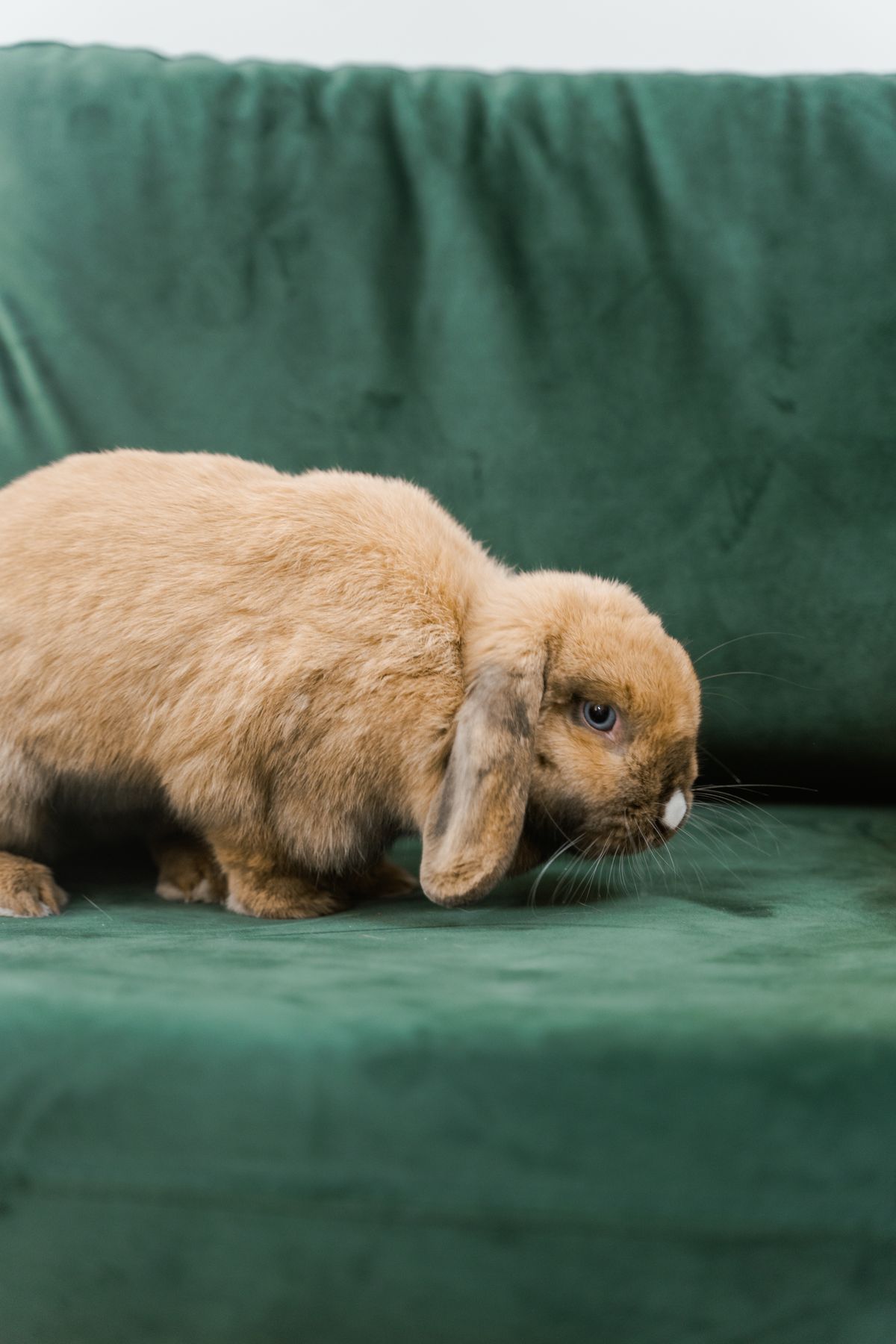
Do not assume that a rabbit is safe just because it is calm around a dog or cat. Other household pets can frighten or injure rabbits, even when they appear friendly. Use secure separation and supervise any interactions. The House Rabbit Society’s bunny-proofing advice offers more practical ways to protect both your home and your rabbit.
7. Make Room for Hay, Foraging, and Chew Toys
Provide your indoor hutch rabbit with a good amount of foraging, exploring and chewing. Ensure that they have constant access to fresh hay. Keep their water clean and use enrichments such as safe toys to keep them interested. Rotate these to ensure that they are not getting too messy!
- Cardboard tunnels: Offer a place to explore and pass through.
- Plain cardboard boxes: Create a simple hiding spot or a supervised digging activity.
- Foraging toys: Encourage the rabbit to search for part of its usual food rather than eating everything from one bowl.
- Rabbit-safe chew items: Choose products made from appropriate, untreated materials and inspect them for damage.
- A dig box: Use a stable container with a suitable rabbit-safe filling, and supervise to ensure the material is not being eaten in large amounts.
Start simple, and just observe how you rabbit uses the items. Take away anything that could splinter, have parts that can come off or be ingested in a dangerous way. The goal with enrichment is to give your rabbit the chance to behave naturally.
8. Choose a Quiet Location With a Stable Temperature
Make sure you place your rabbits’ enclosure somewhere quiet so they can relax without any noise, foot traffic or sudden interruptions. Don’t put it near any radiators, fireplaces, direct sunlight or cold air currents. You may need to check the temperature of the room your rabbit is in as they can suffer from overheating.
Rabbits have an ideal temperature range of 10-20C. You should try to keep them away from extreme temperature changes. Every situation will be different though so if you think your rabbit is feeling unwell or are unsure if they’re in a suitable room visit your vet.
Make sure the area is ventilated and dry, but not exposed to a constant draft. If the room is used by children or other pets, provide a protected section where the rabbit can retreat undisturbed.
9. Keep the Layout Easy to Clean
Keeping things easy to clean will keep everything running smoothly. Choose washable floor coverings, a removable litter tray (without having to take apart the whole pen) and easily accessible feeding and drinking bowls. Store your cleaning products somewhere safe.
Remove any dirty litter. Remove any uneaten fresh food. Wash the bowls. Check floor is not wet. Clean the whole enclosure regularly depending on how many rabbits you have and how quickly it gets dirty. Try to provide a familiar safe hiding place or object whilst you clean the enclosure.
10. Introduce the Setup Gradually
Introduce your rabbit to a new, indoor living environment. Make sure you have everything they need set up before bringing them in and let them get used to their new surroundings. Don’t try to constantly pick them up and move them around the room. Let them come to new areas of the room themselves.
Take note of where your rabbit likes to sleep, use for toileting and whether there are areas which they avoid. This will help you make adjustments to their area without over complicating things. If you are re-homing an outdoor rabbit then make sure to carefully plan how you will do so and if necessary ask your vet or rescue who know about rabbits for advice.
If you are comparing indoor and outdoor housing, Pawtangle’s outdoor rabbit hutch ideas cover a different type of setup. Outdoor housing has its own weather, security, and temperature considerations; a design intended for outside should not automatically be copied into an indoor room.
Indoor Rabbit Setup Checklist
Before letting your rabbit use the space, walk through this checklist and make sure each essential is in place.
- A secure enclosure with adequate room for normal movement and exercise.
- A connected shelter and at least one comfortable hideaway.
- Solid, comfortable, non-slip flooring.
- Constant access to fresh hay and clean water.
- A suitable litter tray that remains accessible.
- Safe toys and opportunities to forage, explore, and chew.
- Electrical cables, toxic plants, chemicals, and dangerous gaps secured or removed.
- A calm location away from direct heat, cold drafts, and household hazards.
- A cleaning routine and regular checks for wear, dampness, and damage.
- A plan for companionship, exercise, and veterinary care that meets your rabbit’s individual needs.
Frequently Asked Questions About Indoor Rabbit Setups
Can a rabbit live indoors without a cage?
Some rabbits can be kept in a rabbit proofed room or a large safe area with supervision. They will still need a safe place to sleep, suitable flooring, a litter tray, places to hide, enrichment and safe from dangers around the home. This will depend on your rabbit and your home.
How much space does an indoor rabbit need?
Rabbits will need plenty of space to jump around, run, stretch out, stand up and have the chance to roam. Two medium sized rabbits should have a minimum amount of space. The RSPCA recommends that two medium sized rabbits should have a minimum of 3m x 2m x 1m. This will include an area for shelter and exercise. As guidelines vary between organisations and areas of the country, it is best to refer to a reputable source on rabbit welfare in your area. Where possible give your rabbits more space.
What should go inside a rabbit pen?
Provide a secure hiding place, litter tray, continual supply of hay and clean water, non-slip floor covering and space to move around. Provide safe chew toys, tunnels and foraging items, ensuring there are clear routes.
Are rugs safe for indoor rabbits?
Use secure and easy to clean rugs. Ensure the material you choose can be easily cleaned. Avoid any loose threads and ensure your rabbit does not chew or eat any of the rug. Remove any damaged rugs.
Do indoor rabbits need another rabbit for company?
Social animals, rabbits will often benefit from having a suitable rabbit companion. Introduction should be done carefully. A reputable rabbit rescue or rabbit friendly vet can help you assess what will make a good companion and how best to introduce them.