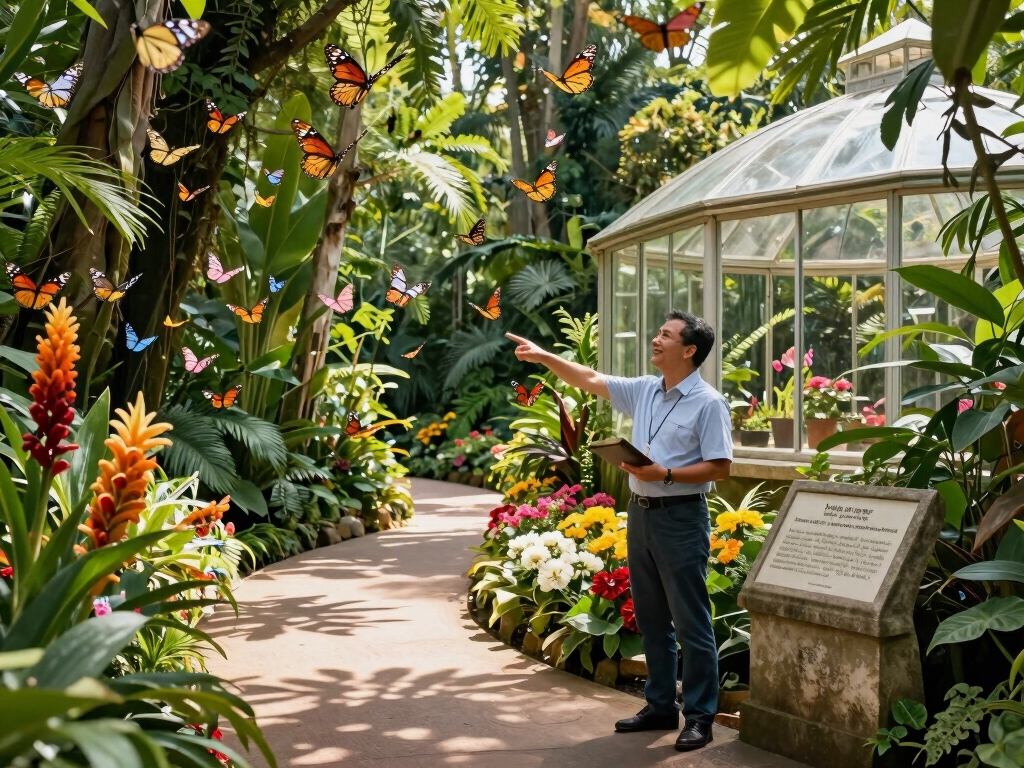
A butterfly sanctuary is a protected garden or conservatory that gives butterflies host plants, nectar, shelter, and space to complete their life cycle. Good examples include Butterfly World, Butterfly Wonderland, and monarch sites in Pacific Grove or Mexico, while home gardens work best with native milkweed, asters, and sunlit, pesticide-free corners. They keep water shallow, leave room to fly, and skip sprays, because the smallest choices matter, and more help follows soon for curious visitors.
Disclosure: This post may contain Amazon affiliate links, at no extra cost to you. Content on Pawtangle is created with research support from AI tools and carefully reviewed, edited, and fact-checked by the lead author, Dr.Fahri Pat , to ensure accuracy and reliability. Learn more
Key Takeaways
- Butterfly sanctuaries protect all life stages with host plants, nectar flowers, shelter, shallow water, and pesticide-free care.
- Choose sunny sites with 6–8 hours of direct sun, windbreaks, sheltered corners, and open flight space for healthy butterfly activity.
- Plant native hosts first, like milkweed, passionflower, parsley, willow, and tulip poplar, plus staggered nectar blooms from spring to fall.
- Visit enclosed conservatories for year-round viewing, or outdoor habitats for restored corridors, native gardens, and seasonal butterfly migration.
- Top spots include Butterfly World, Butterfly Wonderland, Callaway Gardens, Cockrell Butterfly Center, Pacific Grove monarch groves, and Mexico’s biosphere reserve.
What a Butterfly Sanctuary Really Is
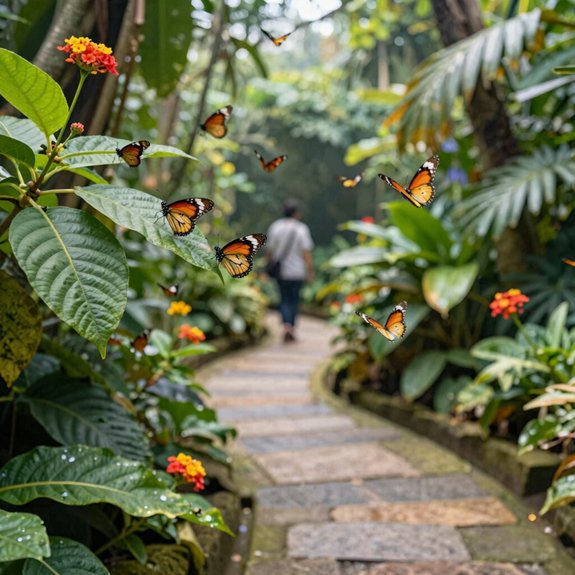
A butterfly sanctuary is more than a pretty butterfly house, it is a protected place built to support caterpillars, chrysalides, and adult butterflies with the right plants, shelter, and shallow water.
Many also let visitors watch metamorphosis, learn basic butterfly care, and support breeding or habitat-restoration work, so they do more than display colorful wings. That matters now, because these spaces can protect fragile species and show how small gardens can do serious conservation work.
Beyond the Butterfly House
A butterfly sanctuary can be a wild habitat, or a carefully enclosed space, but the goal is the same: support butterflies through every stage of life.
Wild sanctuaries usually focus on restoring native plants and linking habitat patches, while enclosed sanctuaries can add shelter, monitoring, and education in a more controlled setting.
The best examples still keep the butterflies close to natural cycles, with room to feed, mate, lay eggs, and, in the nicest case, avoid becoming museum pieces with wings.
Wild vs. Enclosed Sanctuaries
In practice, a butterfly sanctuary can mean two very different things: an enclosed conservatory, like Butterfly World or Butterfly Wonderland, or a wild outdoor habitat, like a butterfly trail or native pollinator garden.
These enclosed contrasts highlight education and year-round viewing, while wild sites protect host plants, bloom cycles, and migratory corridors, helping butterflies breed, feed, and move with a larger community.
Why They Matter Now
A butterfly sanctuary matters now because many wild habitats are shrinking, leaving fewer safe places for eggs, caterpillars, and adults to survive. These protected gardens and conservatories replace some of what has been lost, with nectar plants, host plants, and careful rules that keep butterflies healthy. They also show how protecting even a small patch of habitat can support a much larger natural world, one wingbeat at a time.
Habitat Loss Connection
Butterfly sanctuaries are more than pretty display gardens, because they protect the native milkweed, nectar plants, and other breeding spaces that butterflies need at every stage of life. Urban fragmentation and pesticide runoff break those links, but restored corridors help neighbors and migrating monarchs feel at home.
- milkweed corridors
- native blooms
- safe waystations
- steady bloom
That shared space supports family visits, too.
Best Butterfly Sanctuaries to Visit
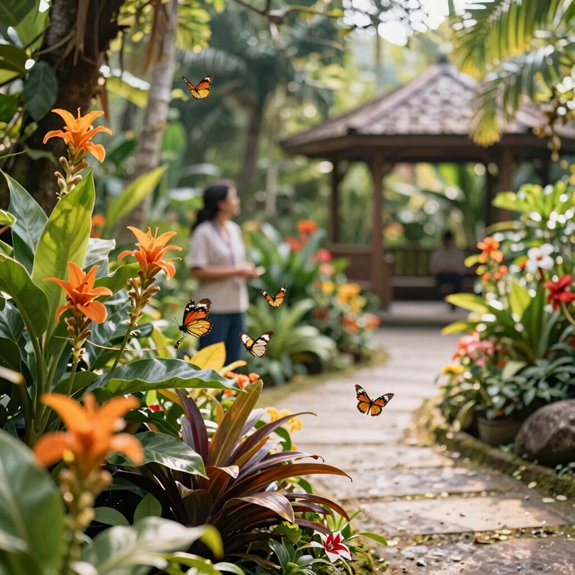
Some of North America’s best-known butterfly sanctuaries include Butterfly World in Florida, Butterfly Wonderland in Arizona, Callaway Gardens in Georgia, the Cockrell Butterfly Center in Houston, and Butterfly Pavilion in Colorado, each offering a strong place to start.
Europe and Asia also have smaller hidden gems that often trade size for a quieter visit and a more local feel.
Inside, visitors can usually expect warm glass atriums, waterfalls, live chrysalis viewing, and butterflies flying close by, so a slow pace and a ready camera tend to help.
North America’s Top Spots
Pacific Grove, California, is one of North America’s best-known monarch stops, especially when the butterflies arrive in steady seasonal waves.
The Monarch Butterfly Biosphere Reserve nearby helps show why this region matters, since it connects local viewing with the wider migration story.
For visitors, the simple rule is to go when the monarchs are active, stay on marked paths, and let the orange clusters on the trees do the talking.
Pacific Grove, California
Every autumn, the cypress-lined coast of Pacific Grove, California turns into “Butterfly Town, USA,” as tens of thousands of Monarchs gather in eucalyptus, Monterey pine, and cypress trees along the shoreline.
- Guided docent walks
- Coastal cafes nearby
- Monarch festivals nearby
- Stay on paths
The sanctuary’s protected groves, milkweed plantings, and no-flash rules keep the visit calm, clear, and welcoming for everyone today.
Monarch Butterfly Biosphere Reserve
Far south of California’s butterfly crowds, the Monarch Butterfly Biosphere Reserve in central Mexico protects one of the world’s largest wintering sites for monarchs, with millions clustering in the oyamel fir forests of Michoacán and México.
UNESCO recognized it in 2008, and from November through March follow monarch migration at El Rosario or Sierra Chincua, where oyamel conservation and tours protect habitat.
Europe & Asia Hidden Gems
Stratford Butterfly Farm in the UK offers an easy stop for visitors who want a calm indoor garden, while Penang Butterfly Farm in Malaysia brings a warmer tropical setting with colorful species and leafy paths.
Both spots stand out as hidden gems, because they mix relaxed viewing with a chance to see butterflies up close without the crowds.
A good visit often depends on timing, so checking seasonal flights and feeding hours can make the experience far better, and a little luck never hurts.
Stratford Butterfly Farm, UK
Glasshouse charm meets butterfly color at Stratford Butterfly Farm, a hilltop attraction in Stratford-upon-Avon that is housed in a Victorian glasshouse from 1905.
Inside the Victorian greenhouse, exotic butterflies drift over flowering paths, while emergence viewing areas show chrysalides changing in real time.
- tropical paths
- live chrysalides
- school-friendly displays
- seasonal extras for visitors seeking calm and gentle delight
Penang Butterfly Farm, Malaysia
On Penang’s northwest coast, Entopia by Penang Butterfly Farm in Teluk Bahang offers a calm, well-kept stop that feels both lively and easy to uncover.
The 4.5-acre site shelters over 15,000 butterflies, with free-flight gardens, chrysalis displays, and rainforest-like zones.
Its butterfly farming supports pupae emergence viewing, while climate-controlled habitats and clear paths improve visitor accessibility for families and curious travelers today.
What to Expect Inside
Inside many top butterfly sanctuaries, visitors first meet large free-flight zones, where butterflies move through open air instead of small cages. These spaces often mix warm, humid pockets, waterfalls, and thick plants, so each flight zone feels like a tiny rainforest with a purpose.
Some sanctuaries also separate areas for chrysalides, seasonal species displays, and guided releases, which helps make the layout easy to follow and worth a slower walk.
Flight Zones Explained
Beyond the entrance, the flight zone is usually the heart of a butterfly sanctuary, a large free-flight space that can feel like a small tropical forest, with warm air, thick plants, waterfalls, and butterflies moving all around.
- chrysalis viewing
- waterfall misting
- daily releases
- quiet rules
Visitors often follow staff tips, so newcomers feel welcome while respecting the butterflies.
How to Build a Butterfly Sanctuary
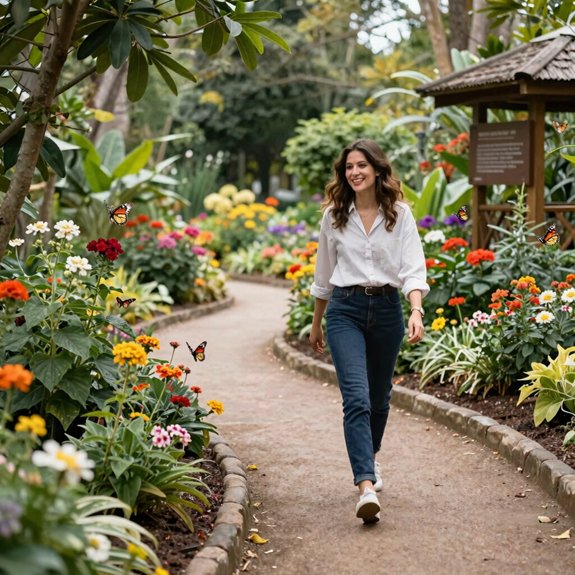
A good butterfly sanctuary starts with a sunny spot that gets at least six hours of light, plus native nectar flowers and host plants such as milkweed, passionflower, and tulip poplar, so adults and caterpillars both have food.
It also helps to add sheltered sunny corners, windbreaks, and patches of bare soil, then plant early-, mid-, and late-season bloomers so nectar keeps coming from spring through fall.
Shallow puddles or damp sand give butterflies a place to sip and puddle, while skipping pesticides and checking plants often keeps the sanctuary useful year after year.
Choosing the Right Location
A good butterfly sanctuary starts with the right spot, one that gets at least 6–8 hours of direct sun and still has a few sheltered corners.
Butterflies need warmth to fly, but strong wind can make feeding and resting harder, so a mix of open sunny areas and protection from breezes works best.
Flat stones, native shrubs, or a fence line can help create those calm resting spots, and the butterflies will appreciate the extra comfort.
Sun, Wind & Shelter
The best butterfly sanctuaries usually start with light, so the chosen spot should get at least 6–8 hours of direct sun each day, because nectar plants and host plants do their best work in full sun.
- Windbreak placement uses hedges and fences.
- Sunny microhabitats create sheltered edges.
- Host plants stay within a few meters.
- Pesticide-free buffer, native shrubs.
Shelter & Structure Basics
A butterfly sanctuary can use either a mesh enclosure or an open garden, and each choice changes how much shelter the space needs.
A mesh setup can block birds, pets, and harsh wind, while still letting in light and air, but an open garden needs more shrubs, tall grasses, and windbreaks to offer the same kind of protection.
The best option depends on the site, the weather, and how much care the garden will get over time.
Mesh vs. Open Garden
When building a butterfly sanctuary, the shelter choice usually comes down to mesh enclosure or open garden. In enclosed enclosures, fine mesh keeps predators out; in open gardens, sunny nectar beds, host clusters, and hedgerows do the work.
- Add low screens.
- Leave flight space.
- Include grasses and shrubs.
- Give sheltered puddles.
Partial sun and ventilation help mesh homes stay comfortable for bigger species.
Water Sources That Work
A butterfly sanctuary works best when it includes shallow puddling stations, because butterflies need safe places to sip water and collect minerals.
A wide, flat dish or shallow depression filled with damp sand or gravel, with the water kept very low, gives them a good landing spot without the risk of drowning.
Placing a few of these stations in sunny, sheltered spots near flat stones or leaves helps butterflies warm up, feed, and stay a while.
Shallow Puddling Stations
For butterflies, a shallow puddling station works better than a deep birdbath, because it gives them a safe place to sip minerals without the risk of drowning.
Bathroom mimicry stays gentle, and mineral recipes support flock comfort.
- Flat dish, shallow sand, water.
- Sunny spots near nectar plants.
- Add salt, eggshell, compost tea.
- Refresh moisture, clear algae, debris weekly.
Best Plants for a Butterfly Sanctuary
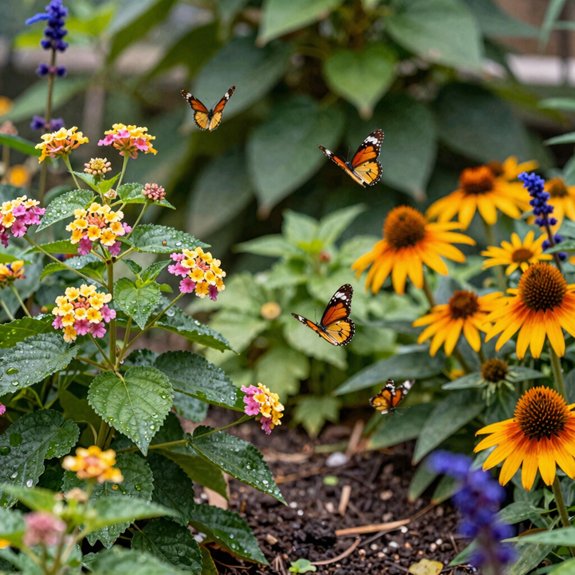
A good butterfly sanctuary starts with native host plants first, such as milkweed for Monarchs, Passiflora for Gulf Fritillaries, and willow or tulip poplar for swallowtails, because caterpillars need the right food before anything else.
Next come nectar plants by season, with milkweeds, lantana, bee balm, and purple coneflower planted in waves so blooms overlap from spring through fall and keep the buffet open.
Plants to skip entirely are the troublemakers, especially pesticide-treated ornamentals and other chemicals, so organic care is the safer path.
Native Host Plants First
A butterfly sanctuary works best when native host plants come first, because caterpillars need the exact plants their species can eat.
Milkweed gives Monarchs a place to lay eggs and feed their young, while parsley, along with fennel and dill, supports Swallowtails in the same way.
A good planting plan starts with these host plants in sunny clusters, so adults can find them easily and larvae have a clear food source.
Milkweed for Monarchs
Connection matters most in a butterfly sanctuary, and milkweed is the plant monarchs depend on from egg to caterpillar.
- Milkweed propagation starts with nursery-propagated natives.
- Monarch corridors favor clusters of 10 to 20 stems.
- Pesticide-free zones keep goldenrod nearby.
- Asters and ironweed extend nectar season.
Locally attuned plants, and no wild collecting, help monarch routes stay healthy, while visitors feel they belong.
Parsley for Swallowtails
Feathery parsley-family leaves can bring swallowtails right to a sanctuary. A bed of fennel, dill, and parsley in sunny, well-drained soil creates parsley microclimates, and helps eggs and caterpillars grow faster.
Staggered plantings reduce caterpillar crowding, while no pesticides, nearby nectar, and sheltered perches keep adults returning through fall, with milkweed, coneflowers, or butterfly bush within ten to twenty feet for balance.
Nectar Plants by Season
A butterfly sanctuary works best when nectar flowers appear in steps across the season, so newly active butterflies never face an empty buffet.
In spring, native violets, redbud, and spring phlox give an early start, while summer’s long-blooming plants like butterfly bush, lantana, zinnia, and milkweed keep the menu open.
Late summer favorites such as asters, goldenrod, and sedum then carry butterflies toward fall, which helps the garden stay lively instead of looking a bit too quiet.
Spring Bloomers
In the first weeks of spring, a butterfly sanctuary benefits from plants that wake up early, such as crocus, pulmonaria, and early-blooming willow, which offer nectar and pollen to hungry migrants and newly emerged adults.
- early crocus
- willow nectar
- pulmonaria
- sunny sheltered patches and shallow water help butterflies arrive safely. Together, they keep a spring corridor welcoming for every newcomer and neighbor.
Late Summer Favorites
Late summer brings a fresh round of nectar plants to a butterfly sanctuary, and it is often the season when Liatris spicata, swamp milkweed, and goldenrod do some of their best work for migrating monarchs and other hungry visitors.
| late nectarplants | Peak | migrant support |
|---|---|---|
| Agastache | late summer | swallowtails |
| asters | fall | pollinators |
Selective deadheading and few seed heads keep blooms rolling for everyone.
Plants to Skip Entirely
A butterfly sanctuary does not need every pretty plant, especially invasive species that can crowd out native flowers.
Butterfly bush, invasive ivy, and other fast spreaders may look helpful at first, but they can reduce native host plants and leave fewer places for caterpillars to grow.
It is usually wiser to choose well-behaved plants that support the full life cycle, not just the adults stopping by for a quick snack.
Invasive Species Warning
For a butterfly sanctuary, the plants that seem most tempting are not always the safest picks. Invasive management matters, and Legal implications can follow if state lists are ignored.
- Skip butterfly bush.
- Avoid tropical milkweed.
- Leave out knotweed, ivy, privet.
- Pass on double flowers; they look elaborate, feed little. Choose native Asclepias instead, and everyone in the sanctuary circle benefits long-term too.
Mistakes to Avoid in Butterfly Sanctuaries
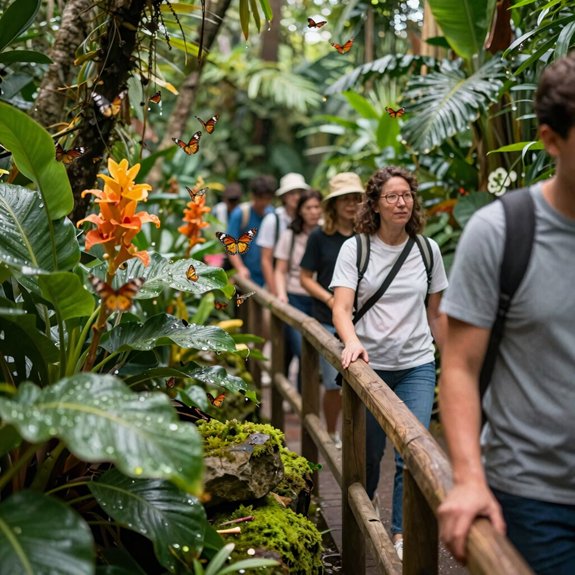
A butterfly sanctuary works best when host plants match the species, because nectar flowers alone cannot feed every caterpillar, and the wrong plant mix leaves important visitors with nowhere to grow up.
Chemical pesticides and herbicides are another common blind spot, since even products that seem mild can harm caterpillars, chrysalides, and the helpful insects that keep the habitat balanced.
The space should also stay open and calm, with no crowded paths or bulky gear, because butterflies need clear flight room and a little peace to do their work.
Wrong Plant Pairings
A butterfly sanctuary works best when nectar flowers are paired with the right host plants, not just chosen for color alone.
Ornamental blooms may feed adults, but caterpillars still need the leaves of native plants such as milkweed for monarchs or passionflower for gulf fritillaries.
Getting that match right keeps the garden from looking busy while quietly leaving the young butterflies hungry.
Host vs. Nectar Confusion
Host-plant mix-ups can quietly undo a butterfly garden, because the bright blooms that attract adults do not always feed caterpillars.
host confusion fades with nectar clarification:
- Check regional host lists.
- Pair milkweed, passionflower, and larval hosts.
- Add lantana, pentas, and zinnias for adult visits.
- Skip pesticides, then give shelter and mixed blooms for eggs, caterpillars, chrysalises, and adults.
Pesticide Blind Spots
Even products labeled natural or organic can still cause trouble in a butterfly sanctuary. Botanical sprays like pyrethrum or rotenone, along with horticultural oils, may injure eggs, caterpillars, and helpful insects if they are used at the wrong time or in the wrong place.
A careful keeper treats every spray as a possible risk, checks the label, and keeps it away from the plants butterflies use most.
“Natural” Products Still Harm
Behind the word “natural,” some garden products can still be rough on butterflies, so caution matters in sanctuary spaces.
- Apply only at dusk.
- Watch application timing and host plants.
- Avoid systemic risks near nectar corridors.
- Skip broad sprays, use hand removal.
Even neem, Bt, and soaps can harm caterpillars, so small tests and gentle habitat design help the whole flock stay welcome.
Overcrowding the Space
A butterfly sanctuary works best when the space stays open and balanced, because crowded beds and packed flight paths can leave butterflies with less air, light, and room to move.
Too many shrubs, signs, or decorative pieces can block sunlight, slow feeding, and turn easy flights into awkward bump-and-hop routes.
A less-is-more layout, with clear paths and a careful mix of plants, usually supports healthier butterflies and better blooms.
Less Is More Approach
In a butterfly sanctuary, extra space is not wasted space. With minimal plantings and careful visitor flow, open corridors help wings move freely, and keep stress low. A less-is-more plan works best in every calm enclosure:
- Leave room for flight.
- Space nectar plants widely.
- Keep attractions outside.
- Limit crowding and releases.
That balance helps butterflies, and the humans feel they belong too.
Who a Butterfly Sanctuary Is For
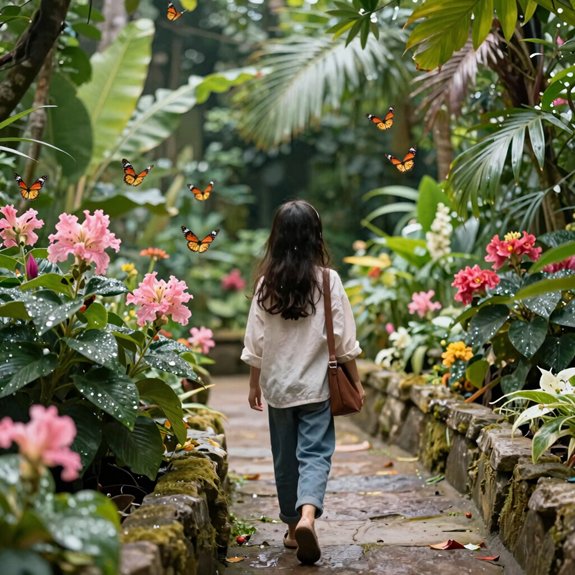
Butterfly sanctuaries appeal to families with young adventurers, since short guided tours and hands-on activities make life stages and pollination easy to understand.
They also serve conservation-minded gardeners, who can pick up practical tips on host plants, nectar plants, and creating better habitat at home.
Nature photographers and other butterfly lovers are drawn to the large free-flight spaces, where colorful species are easier to observe, and sometimes photograph without much drama from the butterflies, at least.
Families & Young Explorers
Butterfly sanctuaries also fit well with school garden projects, where young investigators can connect what they see indoors with milkweed, nectar plants, and pollinator lessons from class.
Many sites support this with simple activities, such as life-cycle charts, caterpillar observations, and notes that teachers can carry back to the garden bed.
A short visit can turn into a useful field lesson, and it usually leaves a few butterflies in the memory, too.
School Garden Tie-Ins
For schools looking to bring a little sanctuary magic onto campus, a garden can do a lot with a few smart plant choices. Native host plants and staggered nectar blooms keep butterflies fed, while student journals record each visit.
- Milkweed.
- Asters.
- Zinnias.
- Compost tea.
These choices echo sanctuary programs, helping young investigators feel included with gentle, shared purpose.
Conservation-Minded Gardeners
Conservation-minded gardeners can turn a yard into a small link in a larger pollinator corridor by planting native nectar flowers and host plants, such as milkweed or passionflower, in mixed clusters. By staggering blooms through the season and adding sunny, sheltered spots with shallow water, the garden gives butterflies food, resting places, and a place to puddle as they move between habitats.
Skipping pesticides and choosing climate-fit natives, even in a small city lot or Zone 5 bed, helps keep caterpillars safe and makes the garden a useful stop on a wider route.
Pollinator Corridor Building
Along a pollinator corridor, a gardener can stitch together native nectar plants and host plants, such as milkweed for monarchs and passionflower for gulf fritillaries, so food is available from one bloom to the next.
- Sunlit patches
- shallow water
- corridor signage
- no nighttime lighting; link clusters within 200 feet, avoid pesticides. Local native nurseries and waystation programs help neighbors track success together.
Photographers & Nature Lovers
Photographers and nature lovers often find the best shooting light in the early morning or late afternoon, when the sun is softer and butterfly colors look richer.
In glass conservatories, bright patches can be tricky, so shaded paths, plant-filled corners, and cloudy moments often give cleaner, calmer images.
Outdoor gardens usually work best when the light is gentle, and a little patience can turn a busy flutter of wings into a very usable shot.
Best Light for Shooting
In the early morning, a butterfly sanctuary often offers the best light for sharp, detailed photos, since the air is cooler and butterflies are less active, often resting with wings open on sun-warmed leaves.
For photographers:
- golden hour translucence
- overcast softlight
- side-lighting lifts scale texture
- higher ISO freezes motion in busy aviaries without disturbing the calm, shared space.
Real Results From Sanctuary Gardeners
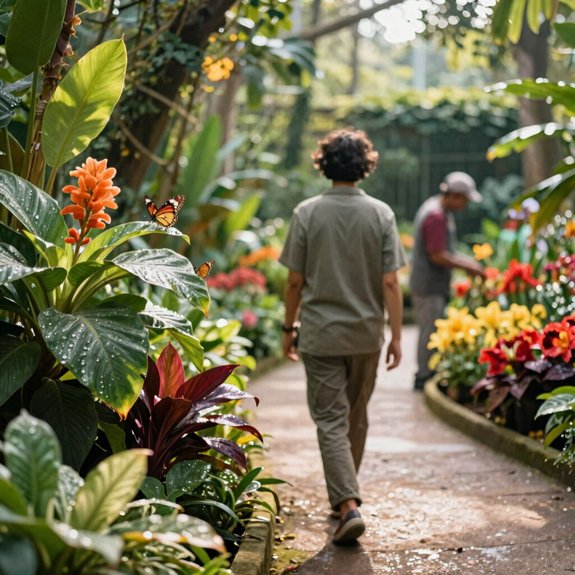
Sanctuary gardeners often see real gains when they plant native host plants, skip pesticides, and keep nectar blooming from spring through fall, with monarch caterpillar sightings sometimes rising by 3–5 times in a single season.
Those steady plantings can also bring year-round visitor spikes, with some gardens reporting 50 to 200 butterfly visits in peak weeks, plus longer stays when shallow water and sheltered sunny spots are added.
The results can reach beyond the fence too, as community gardens with native plants and simple signs often build monarch waystations, and contribute many observations to citizen-science counts.
Monarch Population Rebounds
Backyard sanctuary gardeners have reported real changes after planting native milkweed, adding nectar flowers, and skipping pesticides.
In a single season or two, some yards went from no monarchs at all to eggs, caterpillars, and chrysalises, which is a good sign that the habitat is working.
The strongest results usually came from steady blooms, clean gardening habits, and a little patience, since monarchs tend to notice a welcoming yard and come back for more.
Backyard Success Stories
Across several backyard sanctuaries, gardeners have seen real monarch gains when they planted continuous bloom flowers, native milkweed, and protected places for caterpillars and chrysalises.
- Seed exchanges
- Storytelling nights
- Organic milkweed
- Protected chrysalises
Together, these steps helped survival rise from 10% to over 30%, and seasonal sightings climbed in neighborly corridors across three seasons, quietly proving belonging there.
Year-Round Visitor Spikes
Sanctuary gardeners often see the best turnout when timing matches butterfly life cycles, not just when the weather looks nice.
Spring blooms, late-summer species movement, and scheduled chrysalis releases can turn quiet days into steady crowd days, especially around midday.
Holiday weeks, school breaks, and special themed months often add another boost, so seasonal timing ends up doing a lot of the heavy lifting, with little help from luck.
Seasonal Timing Wins
In spring and early summer, butterfly gardens that add native nectar plants and host species, like milkweed and native asters, often see a clear rise in visitors from April through June, when breeding activity and adult butterfly numbers are usually at their best.
1. Peak blooms, seasonal peaks. 2. Blue Morpho months, visitor spikes. 3. Cool indoor shows. 4. Chrysalis releases, and keep guests coming back.
Community Impact Seen
Community gardens can do more than help one yard, they often nudge nearby blocks to plant native flowers, milkweed, and host plants too. As more neighbors join in, small butterfly spaces start linking together, which gives Monarchs and other pollinators better routes to move, feed, and breed. That spread effect turns a single garden into a local network, and the results can be seen in healthier habitats across a whole area.
Neighborhood Spread Effect
Across a neighborhood, butterfly gardens can work like stepping-stones, linking one yard, park, or school planting to the next.
- Native milkweed fills urban corridors.
- Staggered blooms extend feeding.
- School counts show more butterflies.
- Seed swaps build neighbor stewardship.
Together, these moves help migration, give families a shared project, and make the trail feel closer to home every season.
Frequently Asked Questions
How Long Does It Take to Visit the Butterfly Garden?
Most visits take 30–60 minutes, though larger gardens may need 1.5–3 hours. Guests often enjoy butterfly lifecycle displays, and photography tips help families feel welcome while planning extra time for special programs or emergences there.
Is Butterfly Garden Worth It?
It is worth it: some gardens host over 3,000 butterflies, creating a shared, uplifting experience. Visitors gain pollinator education, witness metamorphosis, and support habitat restoration, together making the outing feel meaningful and welcoming for everyone.