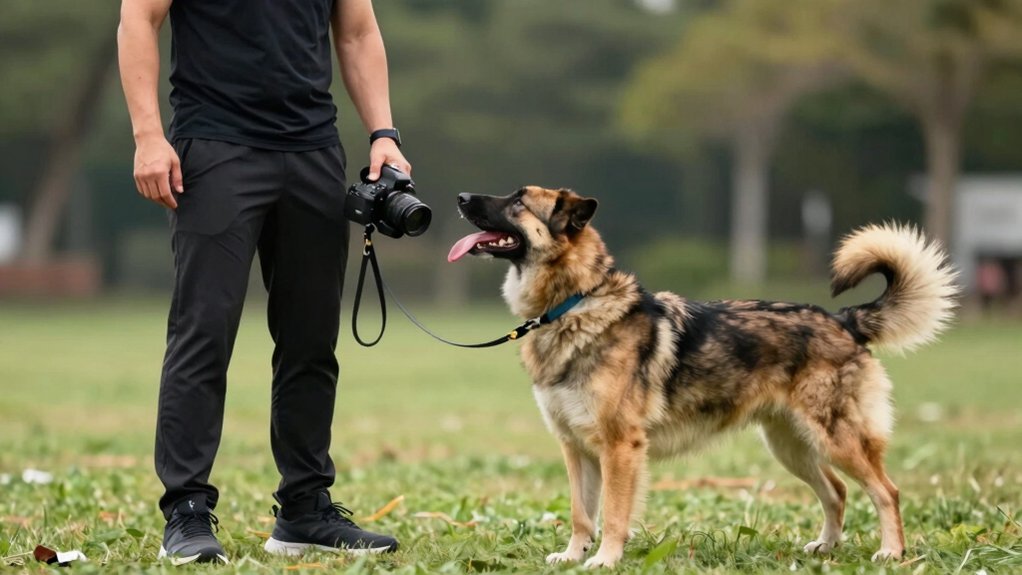
A good dog trainer should use force-free, reward-based methods backed by credentials such as CPDT-KA, KPA CTP, or CBCC-KA. They should also explain training plainly to owners, provide written plans, and help build consistency at home. Strong trainers bring relevant experience with puppies, leash reactivity, separation anxiety, or aggression, and know when to refer difficult cases to a specialist. The best trainers also welcome questions about tools, fees, and progress, with more useful details ahead.
Disclosure: This post may contain Amazon affiliate links, at no extra cost to you. Content on Pawtangle is created with research support from AI tools and carefully reviewed, edited, and fact-checked by the lead author, Dr.Fahri Pat , to ensure accuracy and reliability. Learn more
Key Takeaways
- Look for force-free, positive reinforcement methods using treats, praise, play, and marker training.
- Choose trainers with trusted credentials like CPDT-KA, KPA CTP, or CBCC-KA, plus ongoing education.
- Ask for experience with cases like puppy socialization, separation anxiety, leash reactivity, and aggression.
- Expect clear client coaching, written behavior plans, and progress tracking for consistent training at home.
- Verify transparency on pricing, session format, and referral policies when cases exceed the trainer’s scope.
What to Look for in a Dog Trainer
A good dog trainer should use force-free, positive reinforcement methods, relying on treats, praise, play, and marker training rather than punishment or aversive tools. Trusted trainers hold credentials such as CPDT-KA, KPA CTP, or CBCC-KA and pursue continuing education. They welcome class observation, client references, and video review, showing calm instruction and involved dogs. Experience with puppy socialization, separation anxiety, leash reactivity, or aggression should be clear, along with practical behavior plans. Effective trainers teach owners too, offering written guidance and household consistency so learning continues at home.
Why Reward-Based Training Works
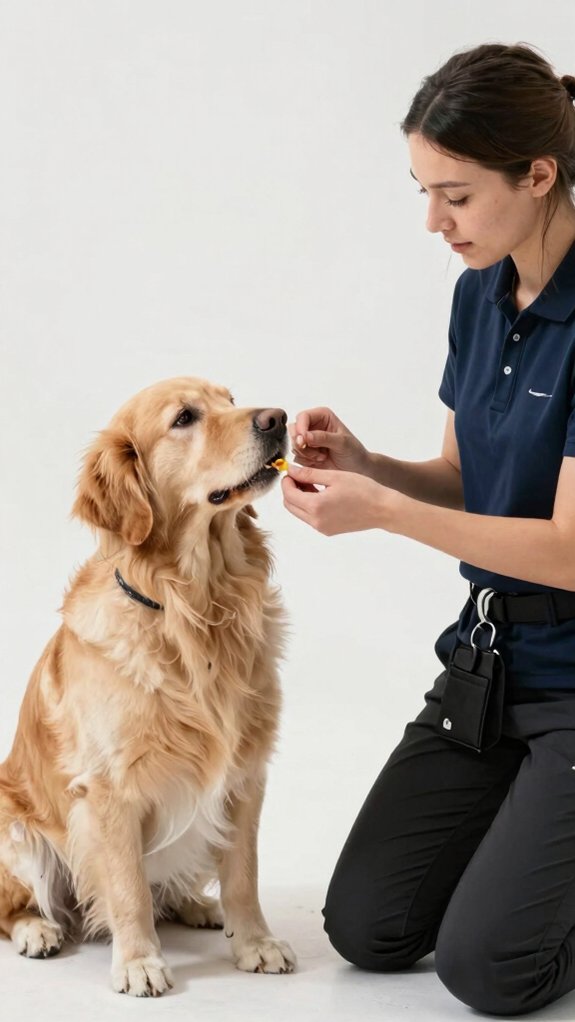
Reward-based training works because it strengthens desired behaviors through timely reinforcement: when a dog sits, comes, or settles and immediately receives a treat, praise, or toy, that behavior becomes more likely to recur. In operant conditioning, marker signaling, such as a clicker or “yes,” identifies the exact success. | Cue | Reward | Effect |
| — | — | — |
|---|---|---|
| Sit | Food | Faster learning |
| Come | Praise | Clear response |
| Settle | Toy | Calm focus |
| Stay | Play | Motivation |
| Heel | Social praise | Trust and belonging |
Veterinary and behavior authorities favor this humane approach. Beginning low-distraction and building gradually helps dogs generalize skills confidently.
Questions to Ask a Dog Trainer Before Hiring

When evaluating a dog trainer, a careful interview helps reveal both competence and compatibility. Prospective clients should ask about trainer experience, including years in practice, similar cases, documented outcomes, and references. They should also request details on education, certifications, and continuing study in learning theory and behavior change. Clear questions about force-free methods, positive reinforcement, and LIMA principles help confirm ethical practice. Trainers should explain how they coach owners, provide written plans, and measure progress. Finally, pricing transparency matters: group or private options, in-home availability, fees, session length, and policies for referrals when cases exceed scope.
Frequently Asked Questions
What to Look for in a Good Dog Trainer?
A good dog trainer uses science-based positive reinforcement, has verified credentials check, explains training style plainly, shows patience, welcomes household involvement, documents relevant experience, and refers out when needed, cultivating confidence, trust, and belonging.
What Are the 5 D’s of Dog Training?
The five D’s of dog training are Define, Design, Deliver, Decide, and Demonstrate. They guide behavior goals, planning, reinforcement, management, and owner coaching, including distance cues and distraction proofing, for reliable, inclusive teamwork.