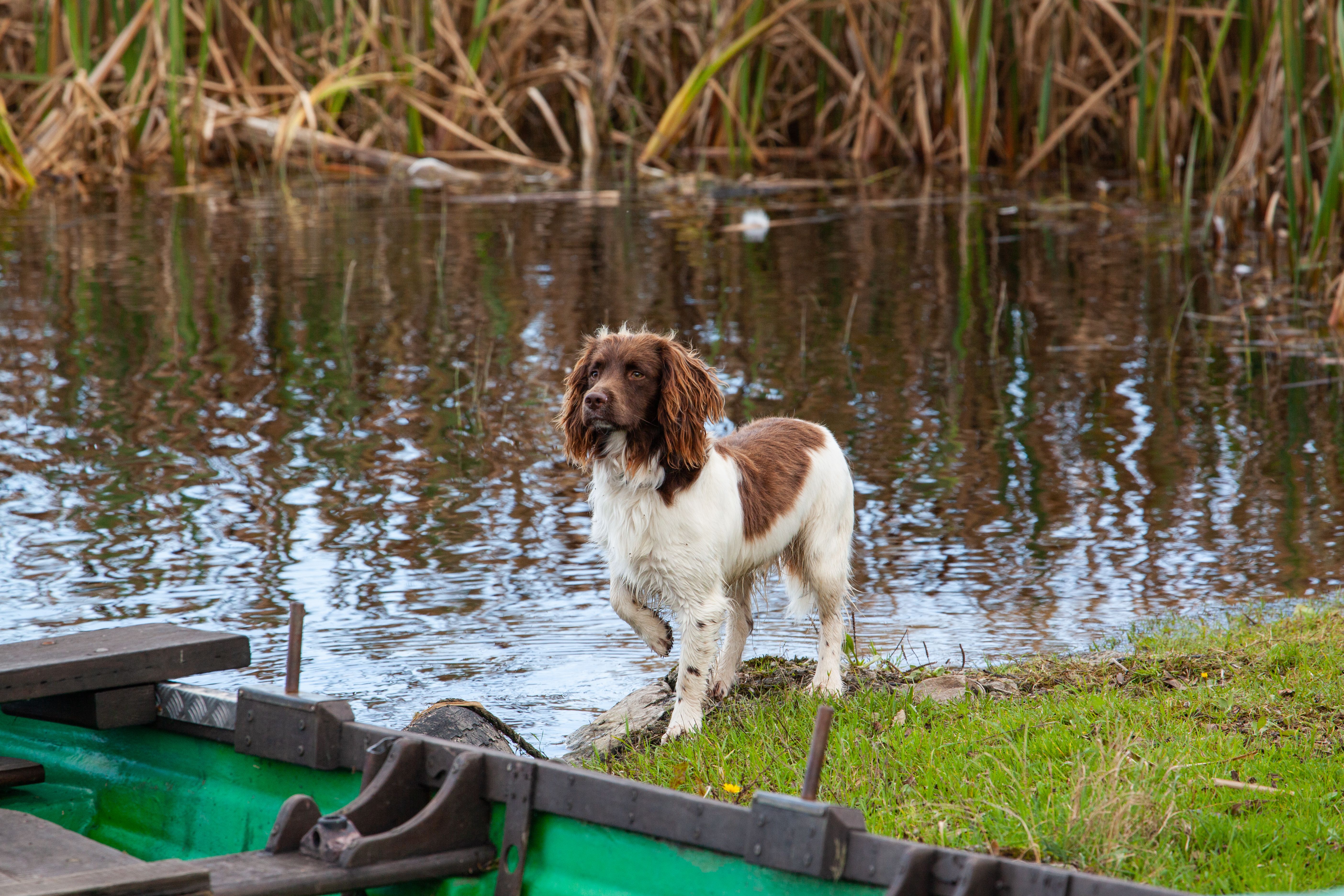
Start training your English Springer Spaniel when you bring them home, using positive cues like “down,” “place,” and “come.” Keep sessions short and repeat them throughout the day. Create a steady routine that balances walks, scent games, training, and planned rest. Teach loose-leash walking by stopping when the lead tightens, then reward slack. Build recall indoors before adding distractions, and practice calm departures early. Avoid constant exercise and repeated cues. The steps ahead show how to build lasting good habits.
Disclosure: This post may contain Amazon affiliate links, at no extra cost to you. Content on Pawtangle is created with research support from AI tools and carefully reviewed, edited, and fact-checked by the lead author, Dr.Fahri Pat , to ensure accuracy and reliability. Learn more
Key Takeaways
- Start training early with short, positive sessions that teach cues such as “down,” “bed,” and calm departures.
- Establish a daily rhythm that balances exercise, scent work, structured enrichment, and planned rest.
- Build reliable recall gradually indoors, outdoors, and around distractions, rewarding attention to the handler.
- Teach loose-leash walking by stopping when the lead tightens and rewarding calm check-ins and boundary awareness.
- Prevent boredom and overexcitement by combining purposeful activities with consistent rules and meaningful settling time.
Start Training Early
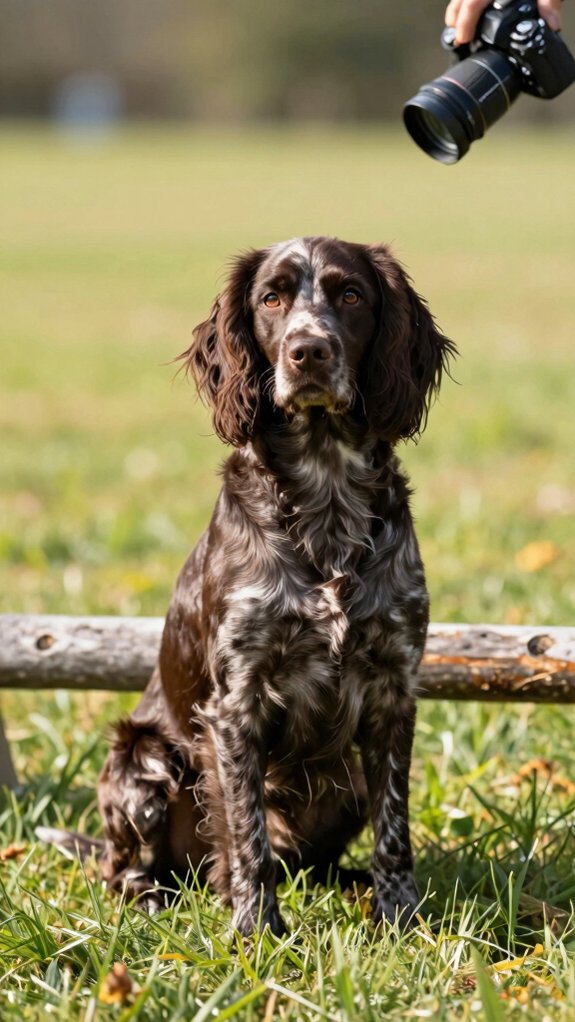
Start training your English Springer Spaniel as soon as they come home, when simple habits are easiest to build. Early lessons help you teach rules and non-negotiables before excitement and scent drive grow stronger.
Begin with immediate cues such as “down” and “bed” or “place.” Keep Puppy habit building positive, clear, and consistent, so your puppy learns what you expect.
Use short cue sessions several times daily, ending before your puppy becomes busy, busy, busy.
Practice departures from day one by stepping away for about 30 seconds, then returning calmly.
Start in quiet spaces, and increase distractions only after your puppy responds reliably.
Build Daily Structure
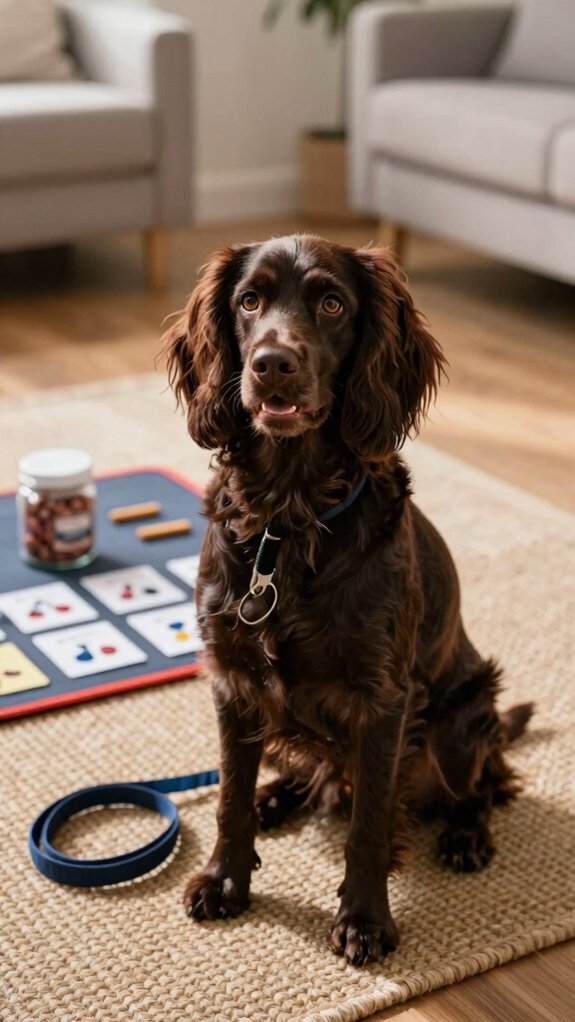
A steady daily structure helps your English Springer Spaniel switch between activity and calm, instead of staying “busy, busy, busy” all day. Alternate exercise with settling, since an hour of running may calm your dog for only 20 minutes.
Try this rhythm:
| Time | Routine | Goal |
|---|---|---|
| Morning | Morning calming, bed-stay | Quiet start |
| Midday | Check-in walk, scent cueing | Focused outlet |
| Evening | Scent work, down until release | Mental settling |
Keep cues and expectations consistent. Add about 20 minutes of nose work, structured enrichment, and planned rest. Your shared routine builds listening, calm, and a comfortable sense of belonging.
Recall Training
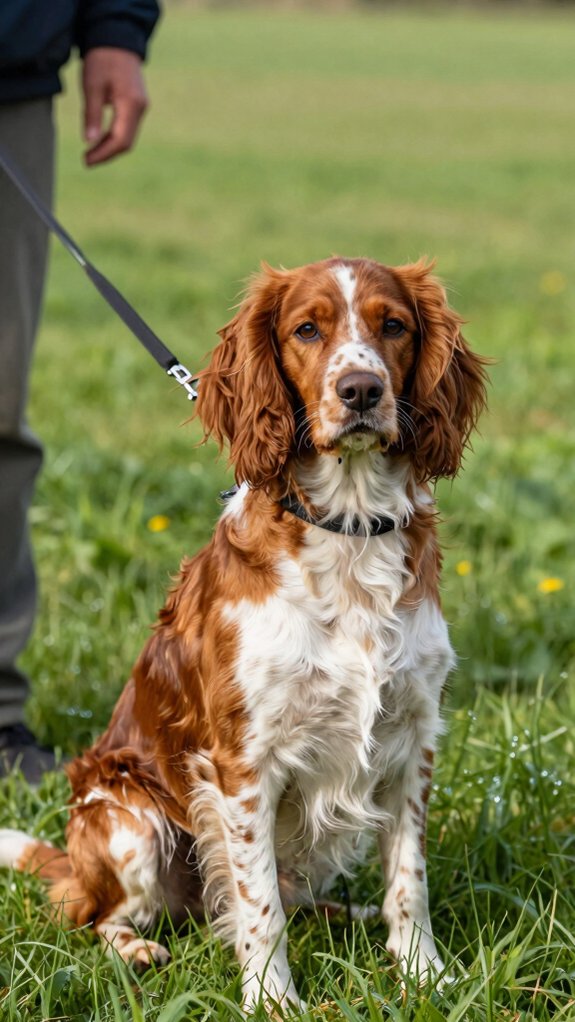
Because English Springer Spaniels can lock onto an exciting scent, recall needs careful, layered training rather than a single command in the garden.
Start indoors, then progress to a fenced yard, a quiet outdoor area on a long line, and moderate distractions.
Move forward only when your dog responds every time.
Build Memory games and handler interaction with cheerful call-and-reward sessions.
Practice scent discrimination and rewarding focus, so your dog learns to choose you over tempting smells.
Make coming to you the best option, and don’t use recall to end every enjoyable activity.
Keep outdoor sessions safe, positive, and worth returning to.
Loose Leash Walking
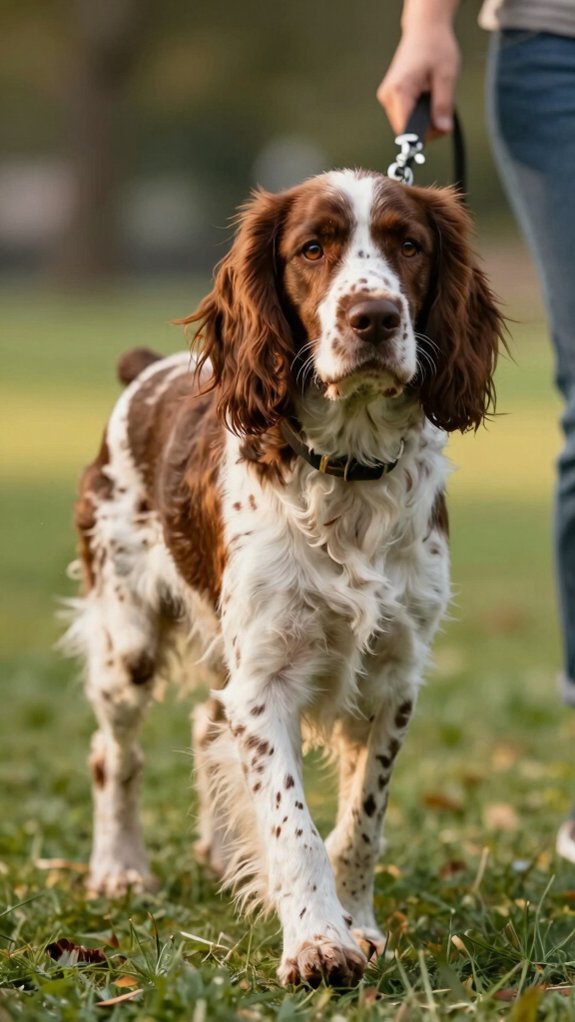
When your Springer pulls toward every scent, teach them that a slack lead is what earns forward movement. Stop walking when the lead tightens, then continue as soon as your dog returns beside you.
Before leaving, ask for “place” or “down” until your Springer can settle, then release them calmly. This builds impulse control and supports good door manners, so excitement doesn’t spill into the street.
Practice check-ins on quiet paths first, then add stronger scents and distractions. Use brief “stay still” pauses to strengthen focus. Include boundary practice around curbs and gates, and keep rules consistent.
Exercise helps, but training makes loose-leash walking last.
Prevent Boredom
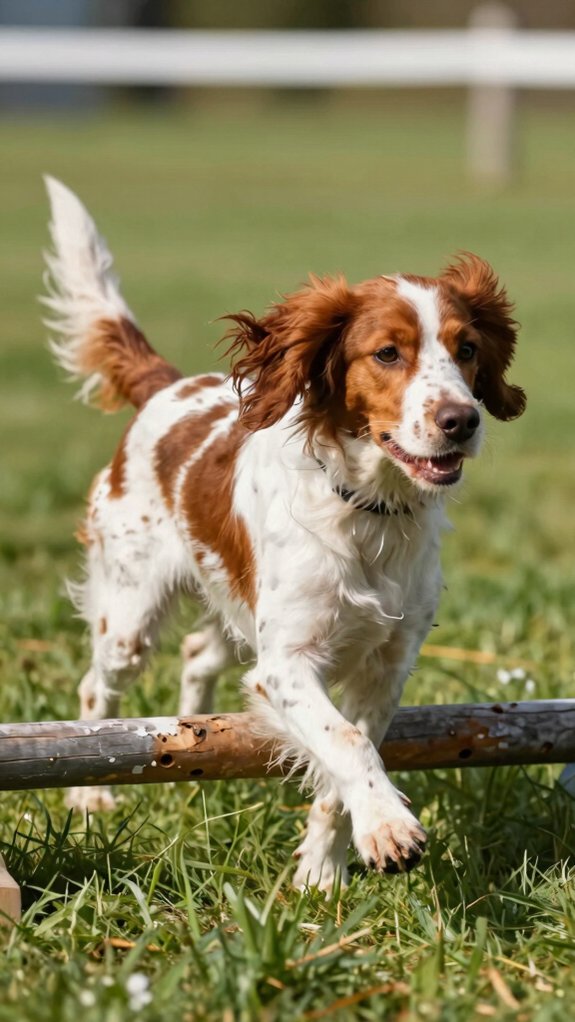
Prevent boredom by giving your Springer a daily mix of physical exercise and focused mental work, not just time spent running. Purposeful walks include check-ins, direction changes, and time to process new smells.
| Activity | Goal | Example |
|---|---|---|
| Nosework focus | Deep fatigue | Find hidden treats |
| Guided fetch | Self-control | Retrieve, release, repeat |
| Walk participation | Purpose | Follow changing cues |
Rotate activities so your dog isn’t switched on all day. After training or scent games, schedule calming downtime in a quiet place. This balance helps your family build a steady routine and reduces keep-away play, restless searching, and bored behavior.
Mental Enrichment
Mental enrichment gives your Springer a job for its busy nose and quick mind, helping your dog settle instead of staying switched on.
Scent games and structured foraging can productively tire a scent-loving dog more effectively than nonstop running.
Hide kibble in safe spots, or scatter it across grass for about 20 minutes of focused searching.
During walks, add brief check-ins to build handler focus, then use clear directional cues for fetch.
Practice calming cues such as “place” or “down,” asking your dog to stay still until released.
Mix nose work, movement, and quiet pauses so your Springer learns that calm belongs in your shared routine.
Positive Reinforcement
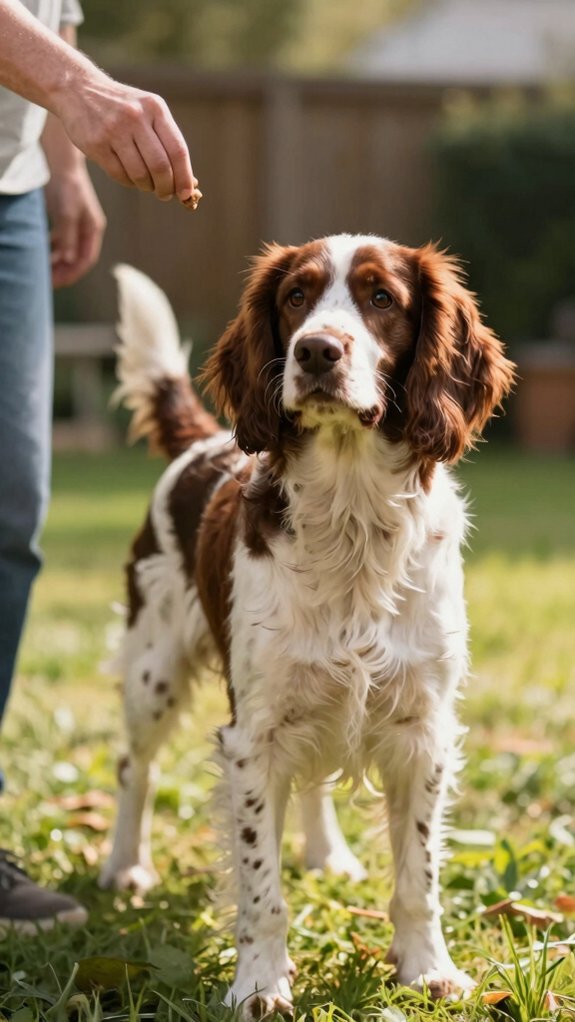
Positive reinforcement teaches your Springer that the choices you want will earn good things. Use exact Treat timing: reward the instant your dog lies down, stays still, or checks in with you, then repeat so cooperation becomes a shared success.
Practice cue consistency with “bed,” “place,” and “down,” rewarding each correct response. Add a release cue, then reward your dog for waiting until you say it.
Build calm settling by praising brief stillness on a mat, not fidgeting. Around tempting scents, increase distractions gradually and offer distraction rewards for quick listening. You’re helping your Springer feel confident, connected, and ready to learn.
Common Training Mistakes

Even well-timed rewards can lose their value if common training mistakes make your Springer’s rules unclear. Overloading your dog with exercise can create a busy mindset, so protect time for Calm settling, not constant activity.
Treat “bed” and “down” as real cues, not suggestions. Use cue consistency, and don’t repeat commands after your dog ignores them. Ask only when you can follow through.
Build impulse control alongside treat management, so your Springer listens around scents, guests, and excitement, not just in quiet rooms. Don’t use recall only to end fun or start something unpleasant. Call, reward, and sometimes release your dog back to play.
Daily Training Routine
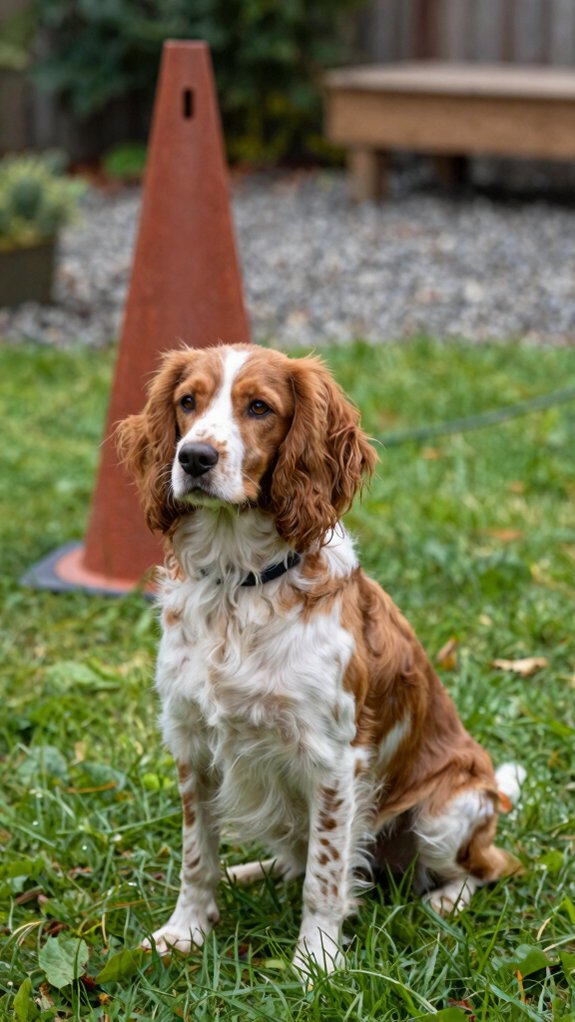
A good daily training routine gives your English Springer Spaniel both a physical outlet and a reason to think. Begin with a training walk, adding check-ins, directional cues, and environmental focus instead of mindless trotting.
Practice calm cues, especially an immediate down, then release your dog only when you give permission. This builds reliable settling, even without treats. Add about 20 minutes of scent games, because nose work may tire your Springer more than an hour at the dog park.
Use short finder games, fetch routines, or rally exercises with clear rules. Layer recall indoors, in a fenced yard, then outdoors on a long line, building scent accountability as distractions increase.