
Golden Retrievers are large, clever Scottish gundogs bred for retrieving with a soft mouth. They are steady, people-oriented, and highly trainable, but they need daily exercise, mental work, and close companionship. Most do well with 1 to 2 hours of activity, regular brushing, and measured meals to support healthy growth and weight. Their typical lifespan is 10 to 12 years. They suit active homes best, and more details can clarify fit, care, and costs.
Disclosure: This post may contain Amazon affiliate links, at no extra cost to you. Content on Pawtangle is created with research support from AI tools and carefully reviewed, edited, and fact-checked by the lead author, Dr.Fahri Pat , to ensure accuracy and reliability. Learn more
Key Takeaways
- Golden Retrievers are intelligent, social, people-oriented dogs that need close companionship and are not ideal for low-maintenance homes.
- Plan for daily exercise and mental stimulation, with about 1–2 hours total plus training, fetch, swimming, or agility.
- Use positive reinforcement, early socialization, and consistent recall and leash training to shape good behavior.
- Brush their double coat at least weekly, daily during heavy shedding, and avoid shaving to protect skin and temperature regulation.
- Feed a high-quality large-breed diet, supervise children and other pets, and keep interactions structured and safe.
What Makes a Golden Retriever?

Golden Retrievers are a large Scottish gundog breed recognized by the AKC in 1925, distinguished by a dense, water-repellent double coat of medium length that ranges from light to deep golden. Their historical origins center on retrieving game with a soft mouth, and coat genetics help explain the breed’s characteristic color and texture. Built with symmetry, strength, and a level gait, they are valued for intelligence, trainability, and a steady, people-oriented temperament. Their versatility supports field work, service roles, search and rescue, and obedience. Because certain joint, eye, and cardiac conditions occur, health screening is standard.
Is a Golden Retriever Right for You?

A Golden Retriever is typically a good fit for households that can provide daily exercise, mental stimulation, and regular companionship. This breed is highly social, trainable, and family-oriented, but it is less suitable for owners seeking a low-maintenance or independent dog. Prospective owners should also be prepared for substantial grooming, routine training, and ongoing veterinary care.
Lifestyle Fit
For households that can meet their needs, Golden Retrievers are an excellent fit: they require substantial daily exercise, regular companionship, and consistent training, and they do best when incorporated into an active routine with running, swimming, fetch, or other field activities. They suit families seeking a warm, cooperative companion and can also adjust to urban apartments when exercise and space are managed carefully. Senior owners may appreciate their gentle temperament, though grooming, shedding, and the breed’s size require planning. They are well matched to homes that value social connection, predictable care, and shared activity, with realistic attention to veterinary costs and preventive screening.
Exercise And Care Needs
Exercise and care demands are central to determining whether this breed is a suitable match. Golden Retrievers need 1–2 hours of daily exercise, ideally combining walks, fetch, obedience, tracking, or agility. Swimming, including cold water swimming, suits their retrieving instincts and protects joints. Puppies require controlled, age-appropriate activity and large-breed guidelines to reduce injury. They are people-oriented and should not be left alone for long periods. Owners should expect regular brushing, more during shedding, secure exercise areas, and reward-based training. With senior modifications, their needs remain manageable, supporting a steady, affectionate home life.
Golden Retriever Size and Build

Golden Retrievers are medium-large dogs with a balanced, symmetrical build suited to sustained activity and retrieving work. Males usually stand 23–24 inches and 65–75 lb; females 21.5–22.5 inches and 55–65 lb. Their muscular proportions support a deep chest, level back, and strong limbs, while coat density reflects a dense, water-repellent double coat.
| Trait | Male | Female |
|---|---|---|
| Height | 23–24 in | 21.5–22.5 in |
| Weight | 65–75 lb | 55–65 lb |
| Build | Potent, balanced | Potent, balanced |
Such structure is reassuring, with smooth movement and trustworthy function.
Golden Retriever Energy and Exercise Needs
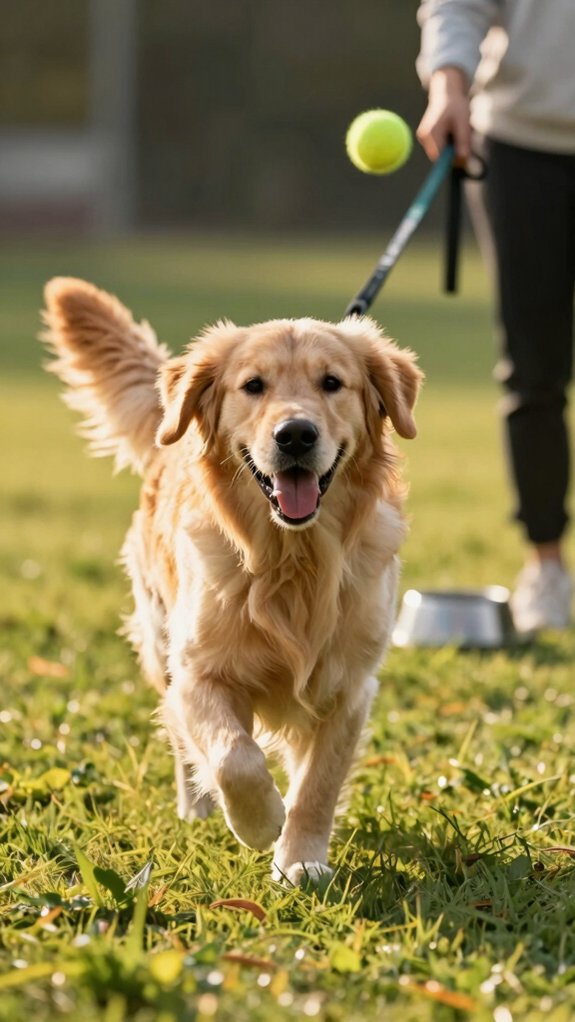
A Golden Retriever typically needs at least 20–30 minutes of structured exercise twice daily, with many individuals benefiting from about two hours of activity total each day. Their canine endurance supports swimming, fetch, running, agility, tracking, and field trials, which also satisfy working instincts. Mental work is equally important; obedience, scent games, puzzle toys, and training sessions reduce boredom. Puppies need gradual increases in activity, with limited jumping and long runs until growth plates close. Off-leash exercise should occur only in secure areas, with leash use elsewhere. Good parks etiquette helps keep shared spaces safe and welcoming.
Golden Retriever Play Style and Personality

Often exuberant and highly social, Golden Retrievers tend to remain playful and “puppyish” well into adulthood, with strong affection for family and a high responsiveness to interaction. Their preferred outlets include fetch, water retrieving, dock diving, and other retrieve-based games that satisfy instinct while strengthening coordination. Because trainability is high, play sessions can pair rewards with cues, problem-solving, and playful recall to maintain focus. Supervised, close-contact activity supports safety when distractions appear. Young dogs benefit from vigorous but controlled play, with limited repetitive jumping to protect developing joints and preserve comfortable participation in the family group.
Why Goldens Become Velcro Dogs

Bred to work in close partnership with people, Golden Retrievers are predisposed to stay near handlers and family members, a tendency that often appears as “velcro” behavior. Their breeding history favors close cooperation, high friendliness, and strong affection. Attachment triggers include social contact, activity, and predictable rewards.
- They seek belonging through proximity.
- Their trainability reinforces attachment.
- Playfulness increases contact-seeking.
- Long solitude may provoke boredom.
- Structure and enrichment reduce clinginess.
This tendency is usually normal and reflects a breed built for companionship, not dependence alone.
Golden Retriever Training and Socialization
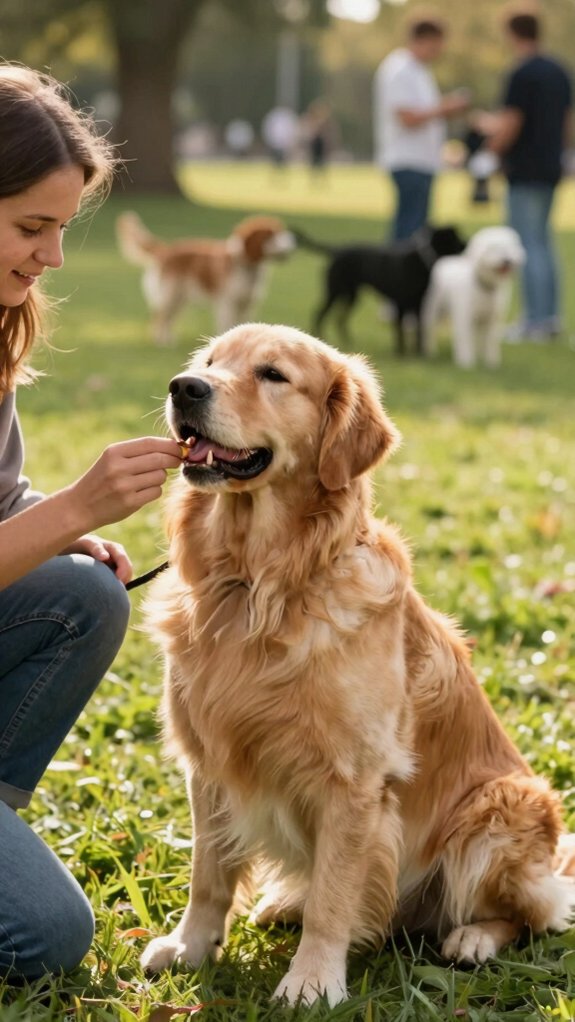
Golden Retriever training should begin early, with structured socialization between 7 weeks and 4 months to expose the puppy to people, children, dogs, noises, and varied environments in a controlled way that supports confidence and lowers the risk of adult fearfulness. Positive, reward-based methods suit this bright, keen-to-please breed and promote rapid learning. Short, twice-daily sessions of 20–30 minutes, plus scent work and puzzle games, reduce boredom-driven misbehavior. Loose-leash walking and reliable recall should be taught early, with a leash used outside fenced areas. Puppy classes and structured sports sustain manners, belonging, bond, and event desensitization.
Living With Golden Retrievers and Kids

With children, Golden Retrievers are typically affectionate and tolerant, but supervision is still important because young dogs can be exuberant and may accidentally knock over small children. Early training during the critical socialization period supports gentle mouth inhibition and child etiquette. Daily exercise lowers hyperactivity and helps preserve calm household routines.
- Teach respectful touch and space
- Supervise all vulnerable child interactions
- Reinforce backyard safety consistently
- Brush weekly, more during shedding
- Check ears to support comfort
With clear guidance, families often feel secure, included, and confident.
Golden Retrievers With Other Pets

Golden Retrievers are typically highly sociable with other dogs, and gradual, supervised introductions usually support stable relationships. Interactions with cats, small pets, and wildlife should be monitored closely, as early curiosity and retriever instincts can lead to chasing without controlled guidance. Early socialization and consistent reward-based training during the first months of life improve tolerance, while separate resources and structured integration help reduce stress in multi-pet homes.
Friendly With Dogs
Often rated a 5 for “good with other dogs,” this breed is typically sociable and eager to share space with canine companions. Early socialization, especially from 7 weeks to 4 months, supports calm behavior, while reward-based training reduces fear and reactivity. Regular dog playdates and neighbor introductions can reinforce confidence and belonging.
- Controlled meetings build trust.
- Positive reinforcement improves cooperation.
- Play supports healthy energy release.
- Supervised first contact limits stress.
- Consistent contact meets social needs.
Supervise Other Species
Supervise early introductions to other species, as Golden Retrievers’ high playfulness and strong retrieving instincts can lead to overstimulation or distraction around cats, rabbits, birds, and similar animals. In multi species homes, controlled introductions on leash or behind secure barriers reduce risk. Gentle interaction signals should be watched closely: stiff posture, intense staring, prey focus, or repeated lunges warrant immediate separation. Their friendly nature usually supports coexistence with other dogs, children, and larger animals, but exuberance can still overwhelm smaller companions. Reliable recall, basic obedience, and force-free behavioral enrichment help create safe, predictable routines that protect all household members.
Early Socialization Matters
During the critical socialization window between 7 weeks and 4 months of age, carefully supervised, positive exposure to other dogs and common household pets helps Golden Retrievers develop calm, confident interactions. Short, frequent puppy exposure sessions support trust, belonging, and steady manners. Gradual introductions are crucial because sporting instincts may draw attention toward moving animals.
- Use leashes and barriers initially.
- Reward calm, friendly behavior.
- Supervise small-animal contact at all times.
- Provide twice-daily exercise and mental work.
- Channel playfulness with fetch or swimming.
Consistent structure reduces guarding, overexuberance, and distraction, strengthening multi-pet harmony.
Golden Retriever Grooming Basics

Golden Retrievers require consistent grooming to keep their dense, water-repellent double coat healthy and manageable. Regular coat maintenance means brushing at least once or twice weekly, and daily during heavy shedding or coat blows, using well-kept grooming tools care. Bathing should remain occasional with dog-safe shampoo, followed by thorough drying before brushing. Shaving is avoided because it can raise skin-cancer and overheating risk. Ears need weekly cleaning, especially after swimming. Nails, feathering, teeth, and skin should be checked routinely, with any suspicious bumps quickly assessed. This steady routine supports comfort, cleanliness, and confident belonging.
Managing Golden Retriever Shedding

Golden Retrievers shed year-round, with heavier seasonal coat blow-outs occurring once or twice annually, so increased hair removal should be expected during those periods. A consistent brushing routine of at least once or twice weekly, and daily when shedding is heavy, helps remove loose undercoat and limit buildup. Home hair control is typically maintained through regular vacuuming, lint rollers, and designated bedding for the dog.
Shedding Cycles
A Golden Retriever’s dense, water-repellent double coat sheds year-round, with heavier seasonal “blow-outs” once or twice annually that can markedly increase loose hair. These seasonal molt periods reflect coat density and normal follicle cycling, not illness. Owners can expect more shed undercoat during spring and autumn, when the coat renews.
- Normal shedding is continuous
- Seasonal peaks are predictable
- Coat density influences volume
- Balanced diet supports coat condition
- Professional help may ease overload
Brushing Routine
Consistent brushing is essential for managing a Golden Retriever’s shedding, with sessions at least once or twice weekly and daily grooming during heavy “blow coat” periods to remove loose undercoat before it accumulates in the home. A slicker or pin brush should address the topcoat, while an undercoat rake or de-shedding tool and a comb complete the routine. Seasonal tools are most useful during annual shedding peaks. Brush after the coat is fully dry, and give extra attention to feathering, pads, ears, and tail areas. Reward training helps keep grooming calm, predictable, and manageable for the household.
Home Hair Control
Managing Golden Retriever shedding at home requires routine control rather than elimination, since the breed’s dense, water-repellent double coat sheds year-round and typically “blows” heavily once or twice a year.
- Brush weekly, daily during peaks.
- Use slicker brushes and undercoat rakes.
- Run air purifiers to reduce airborne hair.
- Keep washable blankets and mats in shared spaces.
- Vacuum furniture, floors, and clothing often.
These measures help households feel orderly and inclusive. Bathing should be occasional, with full drying before brushing. Shaving is not advised. Balanced nutrition and healthy weight support coat stability and lessen excessive shedding.
Golden Retriever Bathing, Nails, and Ears

Bathing a Golden Retriever should be occasional, using a dog-formulated shampoo every few months or as needed, and the dense double coat must be completely dry before brushing to reduce skin irritation. Regular grooming tools support weekly brushing, with daily attention during heavy shedding, especially along the neck, thighs, and tail. This routine helps families manage hypoallergenic concerns with greater confidence. Nails should be trimmed every 3 to 4 weeks, just short of the quick. Ears need weekly cleaning with veterinarian-recommended solution, particularly after swimming. Skin, ears, and nails should be inspected for redness, odor, swelling, discharge, or pain.
What to Feed a Golden Retriever?

A Golden Retriever’s diet should be based on a high-quality, large-breed formula matched to the dog’s life stage, with portions measured according to the manufacturer’s guidelines to help maintain a healthy adult weight of about 55–75 lb. Puppies need controlled portions and multiple meals; adults and seniors benefit from steady, balanced feeding. Treats should remain under 10% of calories. Smaller meals and slow-feeder bowls may reduce bloat risk. Balanced omega-3 and omega-6 intake supports skin and joints. Raw feeding considerations and seasonal diet adjustments should be discussed with a veterinarian for safe, individualized care.
- Large-breed life-stage formula
- Controlled puppy meals
- Limited, low-fat treats
- Slow feeding, bloat awareness
- Vet-guided diet adjustments
Golden Retriever Weight and Portion Control

Golden Retriever portion sizes should be set by life stage, with adult dogs typically maintained within the healthy 55–75 lb range. Large-breed puppy formulas and measured meals support steady growth, while adult rations should be adjusted to activity level, neuter status, and veterinary guidance. Regular body condition checks and limited treats help keep weight controlled and reduce the risk of obesity-related joint and metabolic disease.
Portion Sizes by Life Stage
At every life stage, portion size should be matched to the dog’s age, weight, and activity level rather than offered by guesswork. Large-breed puppies benefit from measured meals three to four times daily, with a large-breed puppy formula, breeder or veterinary charts, and growth monitoring to support steady development. Adults usually do best on two meals daily, with calorie targets adjusted to activity and condition.
- Treat limits should stay within 10% of daily calories.
- Working Goldens may need more food.
- Sedentary dogs may need less.
- Smaller meals can support comfort.
- Veterinary reassessment helps families stay coordinated.
Managing Healthy Weight
Healthy weight management in Golden Retrievers depends on keeping body condition within a breed-appropriate range and matching food intake to actual energy needs. Adults typically fit 55–75 lb, with ribs felt under a thin fat cover. Use measured meals, portion calculators, and seasonal adjustments. Treats should remain under 10% of calories, with monthly weigh-ins guiding changes.
| Check | Action |
|---|---|
| Weight rising | Reduce food |
| Weight stable | Maintain portions |
| Body score high | Increase activity |
| Puppy growth rapid | Follow large-breed guidance |
| Joint risk present | Ask a veterinarian |
Adult exercise should be regular, and puppies should never be free-fed.
Golden Retriever Health Problems to Watch

Although often sturdy in appearance, the breed has a number of important health problems that deserve close monitoring throughout life. Cancer awareness and genetic testing support earlier recognition of inherited risk, including hemangiosarcoma and lymphoma.
- Unexplained lumps, weakness, weight loss, or abdominal swelling merit prompt attention.
- Stiffness, limping, or difficulty rising may indicate hip or elbow dysplasia.
- Vision changes, eye redness, or cloudiness warrant urgent assessment.
- Exercise intolerance, fainting, or coughing can reflect cardiac disease.
- Persistent itching, ear discharge, or coat changes may signal atopy, infection, or hypothyroidism.
Together, informed families notice problems early and respond with calm, timely care.
Golden Retriever Vet Screenings

Golden Retrievers benefit from structured veterinary screening throughout life, because several breed-related conditions can be identified earlier through routine testing. Puppy screenings should begin with cardiac auscultation, baseline eye exams, and orthopedic assessment planning. Annual hip and elbow radiographs, ideally through OFA or PennHIP, help detect hereditary dysplasia before arthritis advances. Yearly ophthalmologist visits and cardiac ECG or echocardiogram monitoring support early recognition of inherited eye and heart disease. Biannual CBCs, wellness panels, parasite testing, and heartworm screening strengthen preventive care. Senior checks should include cytology or biopsy for suspicious lumps, plus pre-anaesthetic bloodwork when procedures are needed.
Golden Retriever Life Expectancy

Golden Retrievers typically live 10 to 12 years, which is the breed’s commonly cited average lifespan. Life expectancy is influenced by inherited conditions such as hip and elbow dysplasia, cardiac disease, eye disorders, and cancer, particularly in older dogs. With regular screening, weight control, and preventive veterinary care, many of these risks can be identified early and managed successfully.
Typical Lifespan Range
Most Golden Retrievers live about 10–12 years, though individual lifespan varies with genetics, overall health, and preventive care. This range usually feels familiar to families who value steady companionship, and senior healthcare becomes important as aging signs appear.
- Annual exams support timely monitoring.
- Hip and elbow evaluations enhance risk awareness.
- Cardiac checks help document early changes.
- Ophthalmologist visits track vision-related decline.
- Routine weight and nutrition management supports longevity.
Clinical oversight, responsible breeding, and consistent veterinary follow-up can help many dogs reach the upper end of the typical lifespan while preserving comfort, function, and belonging within the household.
Health Factors That Matter
What most influences Golden Retriever life expectancy is the burden of breed-linked disease, especially cancer, which is the leading cause of death in older dogs; hip and elbow dysplasia, hemangiosarcoma, lymphoma, and eye disorders such as juvenile cataracts, pigmentary uveitis, and progressive retinal atrophy also contribute to shortened lifespan. Preventive screening can help families act early: orthopedic evaluation, annual eye exams, cardiac testing, and twice-yearly CBCs for lymphoma surveillance. Lean body condition, portion control, exercise, and environmental enrichment support joint and metabolic health. Routine veterinary care, dental maintenance, parasite prevention, and genetic counseling offer reassurance and stronger long-term protection.
Golden Retriever Ownership Costs
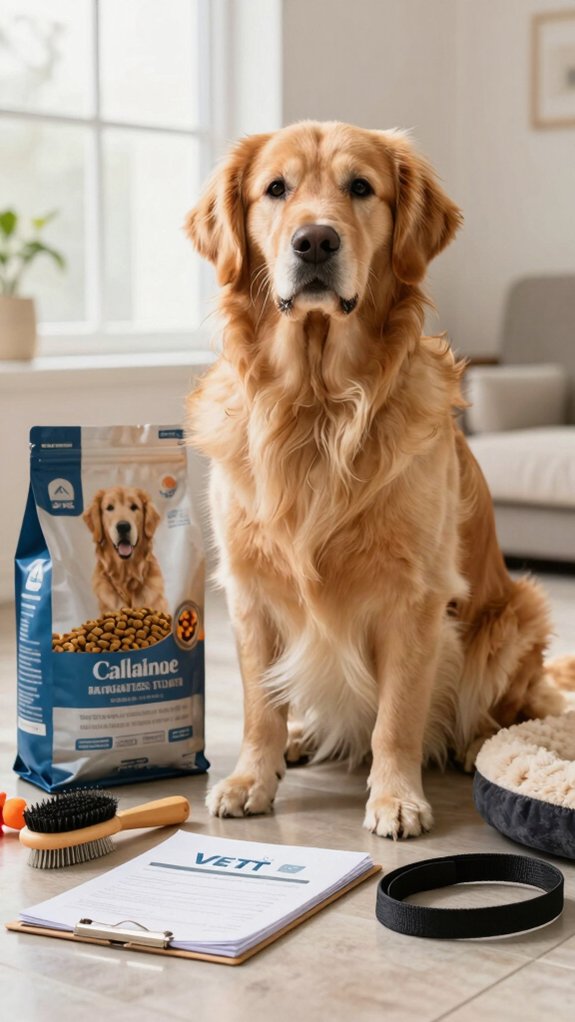
A Golden Retriever is a substantial long-term financial commitment, with ongoing monthly costs starting at about £105 for food, preventives, and basic care, and lifetime ownership expenses potentially reaching £17,000. Early puppy setup includes vaccination, microchipping, neutering, collar, lead, bed, bowls, and grooming tools. A budget checklist helps households plan with confidence; rescue rehoming may reduce initial costs.
- Annual exams and vaccines
- Flea, tick, heartworm prevention
- Hip, elbow, eye, cardiac screening
- Dental care, grooming, higher food bills
- Insurance or emergency savings for inherited disease
When a Golden Retriever May Not Fit
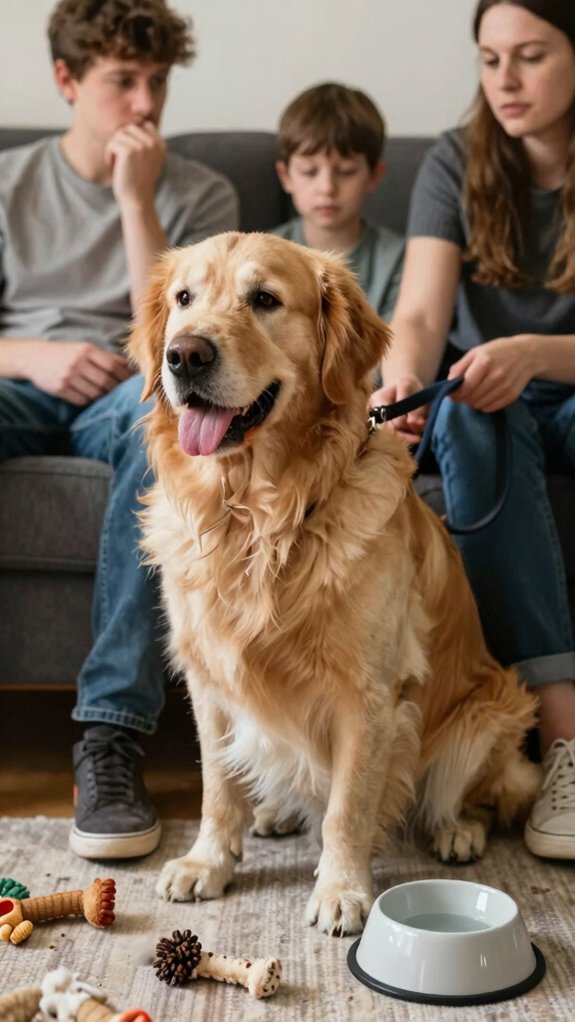
Despite the strong appeal of the breed, a Golden Retriever is not the right choice for every household. Families with limited time, reduced space requirements, or apartment challenges may struggle to meet daily exercise and mental stimulation needs; without them, destructive behavior is common. Noise sensitivity can be an issue in close quarters. They are also a poor match for owners seeking low shedding, minimal grooming, or guard-dog instincts. Long absences increase stress and can complicate kennel training. Prospective owners should also consider the breed’s health risks and potential veterinary costs, which may be substantial over a 10- to 12-year lifespan.
Where to Find a Golden Retriever Responsibly

Finding a Golden Retriever responsibly begins with selecting a Kennel Club Assured or AKC-registered breeder, or a breed-specific rescue that can provide complete medical and behavioral documentation.
- Verify hip, elbow, eye, and cardiac clearances.
- Request vaccination, neuter, and parasite-prevention records.
- Attend rescue events; ask about temporary placement to permanent ownership options.
- Visit in person or by live video; assess cleanliness and socialization.
- Seek contracts, health guarantees, return policies, and lifestyle fit.
Such sourcing reduces inherited-disease risk and supports a stable placement. The result is a welcoming, well-matched home, with documented care and realistic expectations for daily exercise and temperament.
Frequently Asked Questions
Are Golden Retrievers Easy to Care For?
Yes, though not effortless. They need consistent exercise needs and a steady grooming routine; with reward-based training and routine preventive care, they fit households seeking companionship. As the saying goes, a stitch in time saves nine.