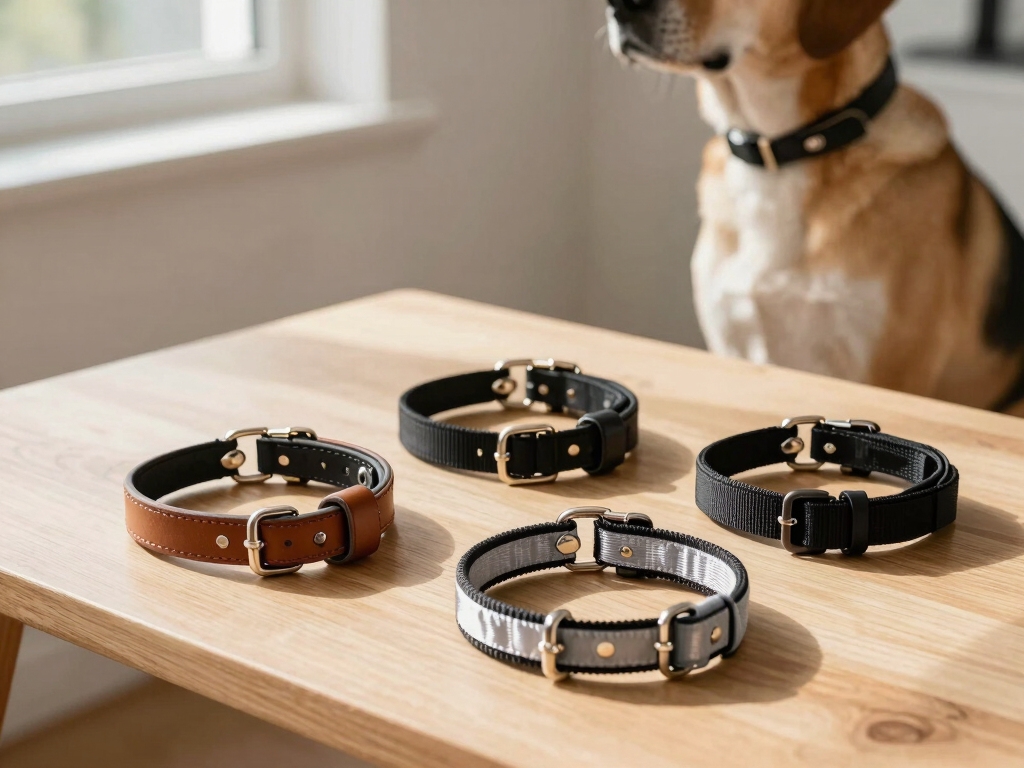
Choosing the best dog collar starts with fit, behavior, and style. A flat collar works for calm dogs and ID tags, while a martingale helps escape-prone breeds, and a vest-style restraint suits strong pullers. Soft padding, reflective trim, and stainless steel hardware add comfort and safety. Measure the neck, leave two fingers of space, and check the collar often as the dog grows. Smart choices make walks safer, with more tips ahead for every dog owner.
Disclosure: This post may contain Amazon affiliate links, at no extra cost to you. Content on Pawtangle is created with research support from AI tools and carefully reviewed, edited, and fact-checked by the lead author, Dr.Fahri Pat , to ensure accuracy and reliability. Learn more
Key Takeaways
- Measure the neck at the widest point and choose a collar that fits two fingers snugly for safety and comfort.
- Match collar type to your dog: flat for everyday wear, martingale for escape-prone dogs, harness for strong pullers.
- Choose durable, comfortable materials like padded nylon, leather, or waterproof Biothane for your dog’s lifestyle.
- Check hardware, stitching, and fit regularly, replacing worn collars before fraying, cracking, or rubbing starts.
- Add ID tags and reflective or personalized details for safer, stylish everyday use.
Why Choosing the Right Dog Collar Matters
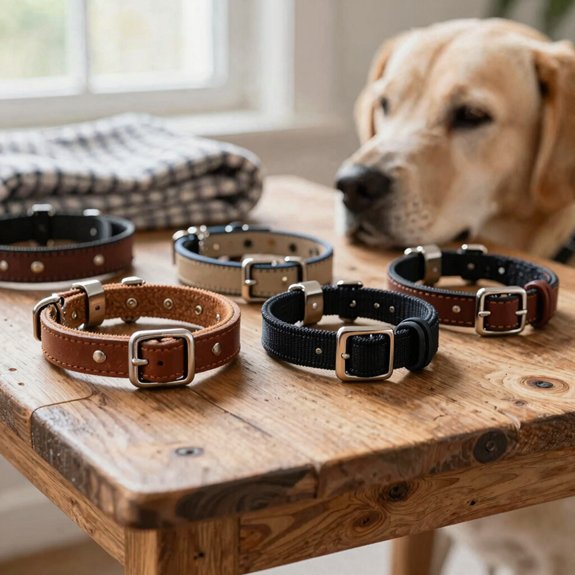
The right dog collar matters because a poor fit can rub the neck, slip off, or cause injury, while a well-fitted one helps keep a dog safer and more comfortable.
Since a collar is worn for hours each day, it should be easy on the skin, support calmer behavior, and stay secure during walks and play. It also holds ID tags, which can make a big difference if a dog wanders off, because lost dogs should not have to rely on luck.
Safety: wrong collars can cause injury or escape
A collar that fits badly can turn into a real safety problem, since it may chafe, choke, or slip right off at the worst moment. Proper fit keeps collar pressure balanced, and supports escape prevention without drama. Measure at the widest neck point, then leave two fingers of space.
- Skip choke, prong, and shock collars.
- Choose a martingale for escape-prone dogs.
- Use a front-clip body harness for strong pullers.
- Check for frays, rust, or cracks.
A quick glance before walks can prevent the awkward great-escape scene. That habit helps a dog stay safely with the pack.
Comfort: reduces stress and improves behavior
Comfort matters because a collar that rubs, pinches, or traps heat can make a dog tense, and that extra stress often shows up as tugging, scratching, or trying to get the gear off.
Soft padding or neoprene helps shorthaired or sensitive dogs avoid chafing, while wider bands spread pressure for stronger pullers. For dogs with breathing issues or very heavy pulling, a body restraint can offer better stress reduction by removing neck pressure. A proper fit, with room for two fingers, keeps the collar secure without pinching. Breathable, quick-drying materials also stay fresher, which supports behavioral calmness on active days.
Identification: essential for lost dog recovery
Why does a collar matter so much after a dog slips away? Visible ID helps bring a pet home, and 80–90% of tagged dogs are reunited faster than untagged dogs.
- Secure a name-and-phone tag or sewn-in patch.
- Choose nylon, leather, or PVC with a strong D-ring.
- Add QR tags or microchip integration for backups.
- Keep the number, backup contact, and city current, and check legibility monthly.
That keeps identification readable, secure, and easy to spot, so the dog returns sooner, with less worry for the whole home.
A clear collar can mean a quick reunion and calmer neighbors too.
Daily use impact: worn for hours every day
Worn for hours each day, the collar should feel gentle against the skin, with soft padding or neoprene to reduce chafing and hair breakage.
For daily wear, skin friendly linings and a proper two-finger fit help prevent long term chafing, while strong pullers need wider padding to spread pressure on walks.
| Fit | Material | Use |
|---|---|---|
| Snug | neoprene | comfort |
| Wide | padded | pullers |
| Martingale | PVC-coated | escape-prone |
Durable webbing, PVC-coated surfaces, or neoprene dry quickly and clean easily, and corrosion-resistant hardware lasts muddy walks. Escape-prone dogs may do best in a martingale or semi-slip style, which adds control without turning into neck drama.
Types of Dog Collars Explained (What Works Best)
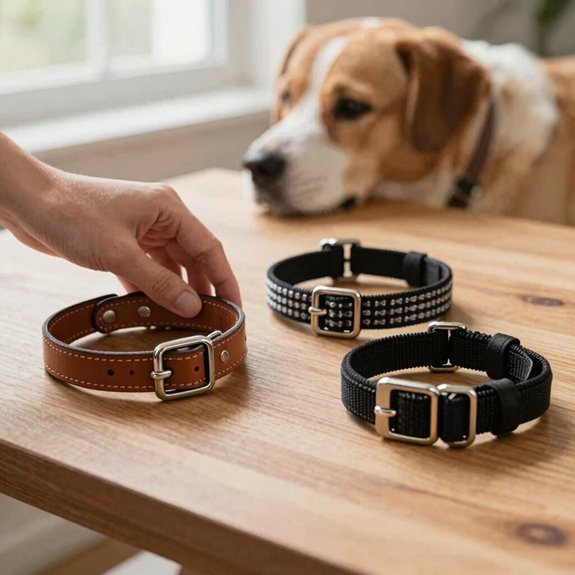
Flat collars are the everyday choice for ID tags and easy wear, while martingale collars can help dogs with narrow heads or escape-prone builds stay secure without harsh tightening.
For dogs that pull, a chest rig often gives better airway comfort, and smart collars add GPS or activity tracking for a little extra peace of mind.
Training collars should be used carefully and with proper guidance, because the best tool should make walks smoother, not turn them into a tug-of-war.
Flat collars → everyday use, ID tags
For everyday wear, a flat collar is often the simplest choice, since it holds ID tags well and usually comes with a quick-release buckle that makes it easy to remove.
- Measure the widest neck point, leaving two fingers for comfort.
- Nylon, leather, or PVC-coated webbing suit different coats and water exposure.
- Padded comfort helps shorthaired or sensitive dogs avoid irritation.
- Bright visibility options help friends spot the dog at dusk.
A sturdy D-ring keeps tags and leash attachment dependable. That keeps the collar practical, familiar, and easy to trust on neighborhood walks, where the dog feels included each day.
Martingale collars → prevents slipping out (ideal for narrow heads)
Martingale collars offer a smart next step for dogs that can back out of a regular collar, especially sighthounds and other breeds with necks wider than their heads.
It uses two loops, so tightening supports escape prevention without becoming a squeeze. A limited slip setting should close enough to stop the head from slipping through, yet still rest at idle in practice.
Measure the neck at its widest point, then use the two-finger rule when relaxed. Narrow widths suit small dogs, while 1-inch or wider styles spread pressure better.
Padded versions can help shorthaired dogs and support sighthound safety.
Harness vs collar → better for pullers and airway safety
When a dog pulls hard, a chestpiece is usually the safer choice, because it spreads pressure across the chest and shoulders instead of putting it on the neck. Support device benefits show up fast for strong walkers, especially with front-clip styles that guide momentum and reduce tugging.
- Better control for pullers.
- More airway protection for puppies and brachycephalic breeds.
- Padded, wide designs help large or deep-chested dogs.
- Collars still fit ID tags and short, calm walks.
A well-fitted support device, checked with the two-finger rule, helps dogs feel included and secure during daily routines and neighborhood strolls, without the neck strain.
Smart collars → GPS + activity tracking
Tracking a dog’s location and daily habits has become easier with smart collars, which combine GPS, escape alerts, and activity logs in one device. Many connect to a mobile app and need a subscription, but they can help a pet stay safe and feel part of the daily routine.
A lightweight model, ideally under 100 to 150 grams for small breeds, sits more comfortably. Waterproof construction, secure fit, battery optimization, and replaceable batteries improve use outdoors, while privacy implications and backup tracker compatibility deserve a quick check. That way, the collar works hard without getting in the way much.
Training collars → should be used cautiously and professionally
Used without care, training collars such as choke, prong, and shock styles can do more harm than good, because they may cause pain, fear, or new behavior problems.
- Professional supervision.
- Ethical considerations.
- Martingale options.
- Head halters.
Fit should be checked with the two-finger rule, and any sign of irritation or anxiety means stop at once.
Safer choices help dogs learn without fear, and they help owners feel like a steady pack.
That makes training feel calmer, and the dog can stay comfortable, confident, and included, instead of worried, under a trainer’s eye, with clear timing and humane, careful handling.
How to Choose the Right Dog Collar Step-by-Step
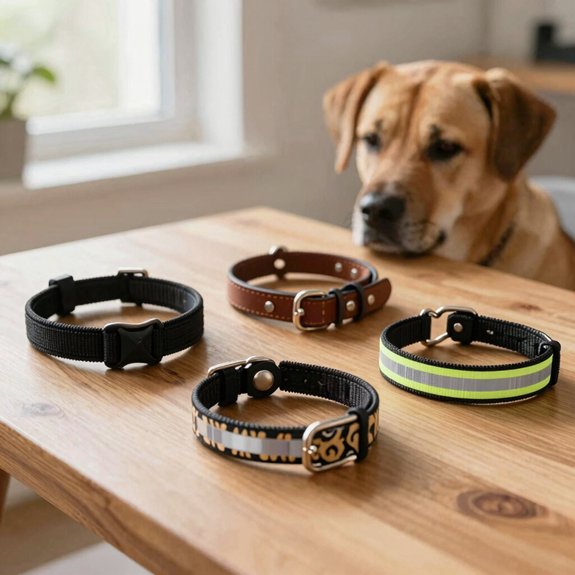
A proper fit starts with measuring the dog’s neck at the spot where the collar will sit, then leaving room for two fingers so it stays snug without pinching.
From there, the dog’s behavior should help narrow the choice, since calm dogs often do well with a flat collar, while strong pullers usually need something sturdier and more supportive.
Material matters too, with nylon offering a light, affordable option and leather bringing a durable, more premium feel that suits long-term use.
Measure neck correctly (2-finger rule)
One accurate measurement can save a lot of collar trouble later. Measure the neck at the widest spot where the collar will sit, then add 1–2 inches for size.
- Slide in two fingers.
- Less room means too tight.
- More room means too loose.
- Recheck puppies weekly for neck growth and comfort gaps.
For martingale or padded collars, check both relaxed and tightened positions, and make sure the width suits the dog. A good fit should feel secure and comfortable, with less fuss over time.
Match collar to dog behavior (puller vs calm)
Match the collar to how the dog moves, not just how it looks. Loose pullers often do well in a flat buckle collar or quick-release style if they stay gentle on leash, while calm walkers can wear the same everyday setup with an easy two-finger fit.
Heavy pullers, escape-prone dogs, or breeds with narrow heads usually need a martingale or body harness, since these keep control without turning walks into a tug-of-war. Puppies and growing dogs benefit from adjustable designs, so the pack can keep up as they change. That makes walks feel smoother, and the whole crew stays confident.
Choose material wisely
For dogs that spend a lot of time in water or need frequent baths, neoprene or PVC-coated biothane collars are usually the smartest pick, since they dry fast, resist odor, and wipe clean with little fuss.
- Choose padded or neoprene-lined designs for sensitive skin.
- Pick wide martingale or rolled leather styles for narrow heads.
- Use steel hardware and reinforced stitching for strong pullers.
- Look for eco friendly materials and seasonal colors that still fit the dog’s routine.
The right material helps the collar feel like part of the pack, not a problem, and keeps daily walks easy for everyone.
Nylon → lightweight & affordable
A nylon collar is often the go-to choice when a dog needs something light, simple, and easy on the wallet.
It comes in many colors and patterns, so families can match their pup’s look without spending much, and color longevity is usually solid with everyday use.
For dogs that swim or face wet weather, quick-drying or PVC-coated options help.
Soft linings can ease rubbing on sensitive skin, and washing tips are simple: rinse light dirt, or machine wash at 30 C, then air dry.
A two-finger fit keeps it comfortable.
That keeps the dog feeling part of the walk, too.
Leather → durable & premium feel
When a collar needs to feel sturdy and look polished, leather is often the classic pick.
Full-grain or top-grain leather gives the best strength, while thin or bonded leather may stretch too much for bigger dogs.
- Solid stainless steel or brass hardware.
- Reinforced stitching or rivets.
- Padded or rolled edges for comfort.
- Two-finger fit at the widest point.
With care, spot-cleaning, conditioning every few months, and keeping it dry help prevent cracking and odor, and the gentle patina development can feel like part of the dog’s story, not a flaw.
Edge burnishing also signals careful craftsmanship to trusted owners.
Biothane → waterproof & modern
Biothane is a smart pick for dogs that swim, slog through mud, or seem to find every puddle in the neighborhood.
Its smooth, nonporous surface gives waterproof aesthetics and wipes clean fast, while also helping long fur stay less tangled. Available in widths from slim to wide, it can be chosen for comfort, and rolled or padded edges help sensitive skin. For biothane longevity, the hardware matters most, so D rings and buckles should be checked often, and a quick wash with warm water and mild soap keeps the collar ready without conditioner drama and keeps the look tidy.
Consider lifestyle (urban vs outdoor dogs)
After looking at waterproof materials like biothane, the next step is matching the collar to the dog’s day-to-day life.
Urban dogs do best with reflective or bright flat collars, an ID tag, and a sturdy D-ring for quick clips, because urban visibility matters near traffic.
Outdoor dogs need trail durability, so neoprene, PVC-coated webbing, or washable nylon with corrosion-resistant hardware works well.
- City walks: bright, reflective.
- Trails and swims: quick-dry, tough.
- Escape-prone pets: martingale fit.
- Growing pups: adjustable, checked weekly.
That way the collar fits the routine, and the dog stays part of the pack, not off wandering alone.
Dog Collar Materials Compared (What Actually Lasts)
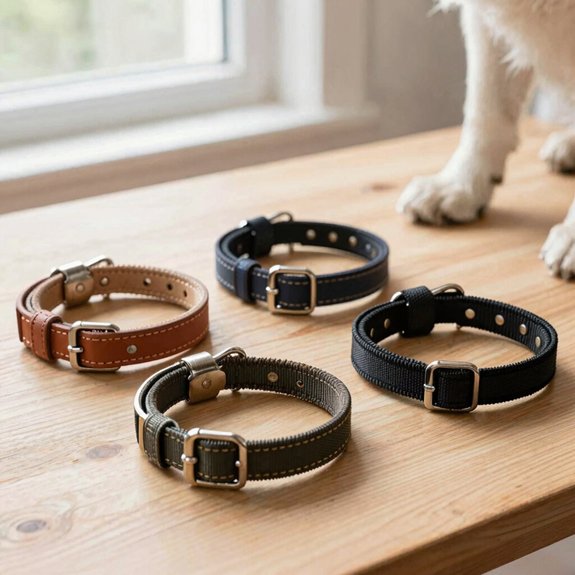
Nylon collars are a practical starting point, since they are durable, budget-friendly, and easy to clean, though they are not the longest-lasting choice in rough use.
Leather can last for years and feel comfortable once broken in, while metal or chain collars are very strong but can be harder on a dog’s neck.
For dogs that swim, splash, or get muddy often, waterproof materials usually hold up best, and they tend to stay cleaner without much fuss.
Nylon: durable, budget-friendly, easy to clean
For many dogs, a nylon collar is the practical workhorse, because it is affordable, lightweight, and quick to dry after a muddy walk or an unexpected swim.
Colors and patterns make it easy for dogs to look like part of the park crew, while simple care keeps the collar ready for daily use.
- Rinse dirt off after walks for quick dry maintenance.
- Machine wash at 30 degrees, then air dry.
- Check edges and hardware for fray prevention.
- Choose padded, wide webbing with reinforced stitching for pullers.
A worn collar should be replaced before it rubs skin or odors linger.
Leather: long-lasting and comfortable when broken in
Leather collars can be a good long-term pick, because they are durable, age well, and often soften into a more comfortable fit as they break in.
A full-grain or vegetable-tanned option, with rated hardware, tends to last best for adult dogs while a regular Conditioning Routine helps prevent drying and cracking.
With use, the collar may develop a gentle Aging Patina, which many owners find appealing, and regular sizing checks keep the two-finger fit in place.
After wet walks, wiping it dry helps avoid stiffness, stains, and a grumpy surprise later for a collar that feels like home, too.
Metal/chain: strong but can be harsh
Metal chain collars sit at the tougher end of the material list, because they shrug off chewing and abrasion far better than nylon or leather.
Yet the tradeoff is real, bare links can press hard on the neck, so everyday use is rarely the kindest choice. Stainless steel or coated versions resist rust, and quick metal maintenance keeps them tidy.
- Durable
- Clean
- Irritating
- Supervise
For coat options that leave skin exposed, a gentler fabric martingale often fits daily walks better, because it spreads pressure and helps dogs feel included, not squeezed out from the pack.
Waterproof materials: best for active dogs
Waterproof collars are often the best match for active dogs that swim, roll in mud, or charge through snow, because PVC-coated, biothane-like, and neoprene-lined options resist water, odor, and bacterial buildup better than untreated fabric.
| Material | Why it helps |
|---|---|
| PVC-coated | Wipes clean fast, stays flexible |
| Neoprene-lined | Drying is quick, chafing stays low |
Simple waterproof maintenance means rinsing salt or dirt, then air-drying hardware with stainless steel or sealed aluminum, so the collar lasts longer and the group keeps a neat look. In coating comparisons, nylon suits light use, but PVC and neoprene hold color, resist odor, and feel dependable.
Trending Dog Collar Styles (Pinterest-Worthy Picks)
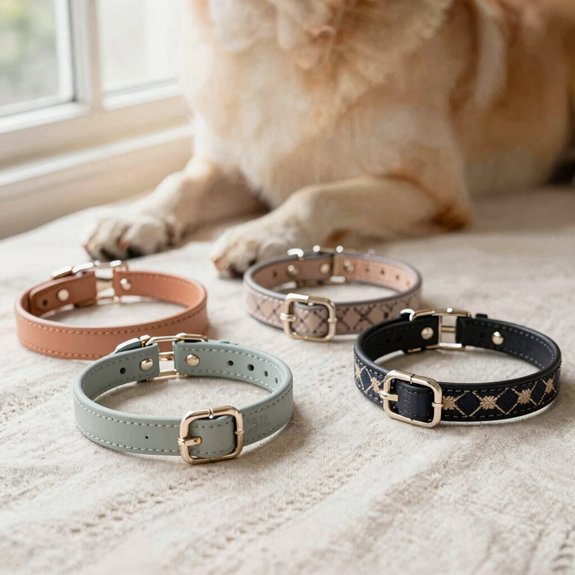
Many of the most Pinterest-worthy collars lean into minimal neutral tones like black, beige, and olive, since they look clean in photos and match almost any leash.
Personalized name collars and matching leash-and-collar sets add a polished touch, while luxury leather with metal hardware gives a classic finish that feels sturdy rather than showy.
Reflective collars also stay popular, because they add a bit of shine for night safety, and that is one trend with a useful job to do.
Minimal neutral tones (black, beige, olive)
Black, beige, and olive collars give a clean, low-key look that works with most coat colors, so they are an easy everyday choice.
- Padded or neoprene-lined collars prevent chafing.
- Martingale styles help escape-prone dogs stay secure.
- Durable webbing dries fast and resists fading.
- Sturdy hardware and a two-finger fit keep it neat.
These minimalist palettes reduce visual clutter, and visibility improvement comes naturally when an ID tag has a calm, dark backdrop.
For dogs and people alike, the result feels tidy, familiar, and quietly confident without looking fussy or trying too hard today. A quick size check and sturdy D-ring finish the look and help the collar stay useful.
Personalized name collars
A dog’s name stitched or printed onto a collar adds a neat, custom look, and it can also help if the dog slips out the gate and goes on an unscheduled adventure.
Personalized name collars usually use durable nylon webbing or leather, with reinforced stitching that helps custom engraving or printed text survive walks and washing. For growing puppies, adjustable clips or sliding buckles keep the panel centered and easy to read.
If comfort matters, comfort padding or a neoprene backing can reduce rubbing, and reflective stitching or bright panels make contact details easier to spot after sunset, too.
Matching leash + collar sets
Matching leash-and-collar sets build on that polished look, since the same material, color, and hardware finish can make a dog’s gear look pulled together without trying too hard.
- Color coordination: neutral bases plus one accent pop.
- Matching materials: PVC-coated or neoprene pieces dry together.
- Hardware finishes: brass, matte black, or stainless steel should correspond.
- Padded aesthetics: wider, cushioned collars pair well with sturdier leashes.
A walk kit can streamline errands, save money, and help a dog fit in. It also keeps color coordination simple for photos and rainy-day walks while the whole set feels familiar.
Luxury leather with metal hardware
Elevating a dog’s look without giving up durability, luxury leather collars pair full-grain or top-grain leather with solid metal hardware, such as brass, stainless steel, or nickel-plated steel.
| Feature | Benefit | Note |
|---|---|---|
| artisan leather | rich look | patina care matters |
| hardware alloys | strong hold | welded D-rings better |
For medium to large dogs, a 1-inch to 1.5-inch padded collar spreads pressure, and solid brass or welded stainless-steel hardware helps prevent bending on busy walks. Weekly spot cleaning, light conditioning, and patina care keep the piece polished, while designer trends stay practical enough for everyday club-level confidence without losing the welcoming neighborhood feel.
Reflective collars for night safety
At night, reflective collars often give dogs a simple safety boost, because the reflective strips or stitching bounce light back from headlights and flashlights, making them easier to spot in low light.
- Soft-lined or padded collars reduce rubbing.
- Bright colors and glow patterns help the collar stand out.
- Visibility testing with a flashlight shows where drivers will notice it.
- Quick-drying webbing and a two-finger fit keep it comfortable on wet walks, and martingale styles suit escape-prone dogs.
That mix helps a dog look ready for the group without giving up comfort or security on evening outings with the crew.
Common Dog Collar Mistakes to Avoid
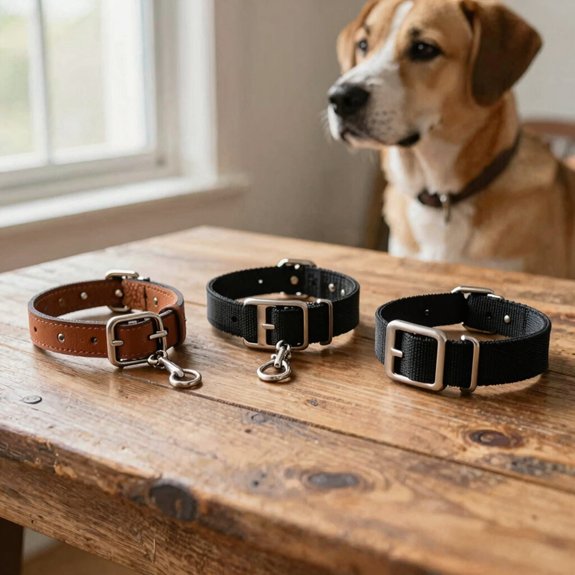
Many collar mistakes start with style taking priority over safety, or with a size that looks right but sits too tight or too loose.
Training collars such as choke, prong, or shock types should not be used without solid guidance, and any collar that shows wear, fraying, or a broken buckle should be replaced before it causes trouble.
As a dog grows or its behavior changes, the collar should change with it, because a good fit is not a one-time job.
Choosing style over safety
A collar can look polished and still be a poor choice if fit and function are ignored. When fashion priorities outrun safety tradeoffs, the dog pays for aesthetic choices.
A quick risk assessment helps:
- Choose smooth, low-profile hardware.
- Skip choke, prong, and shock collars.
- Pick wider or padded styles for stronger dogs.
- Match material to use, and clean it well.
That keeps the collar useful, comfortable, and community-ready for everyday walks.
Decorative studs and dangling charms can snag or irritate skin, so simpler designs help the dog fit in without fuss. Leather, nylon, or neoprene each has a job.
Incorrect sizing (too tight/loose)
Fit matters just as much as looks, because even a stylish collar fails if it pinches or slips. A good sign fitment is two fingers under the collar at the neck’s widest point, with a little extra room for growth, coat changes, or grooming, for pups, weekly checks keep pace nicely.
Too tight can chafe, cause redness, and make breathing awkward; too loose can let a dog back out. For escape prevention, snug but comfortable works best, and martingale styles help when the neck is wider than the head. Check fit often, and replace worn collars before trouble starts.
Using training collars without knowledge
Used without proper guidance, choke, prong, and shock collars can do real harm, since they may hurt the trachea, add pain, and make a dog more fearful or reactive.
Those ignorance risks shrink with professional consultation:
- Check device instructions.
- Start low then watch stress.
- Pair corrections with rewards.
- Use no collar as a solo fix.
A trainer or veterinarian can help choose a humane fit while calm routines keep the dog included.
Clear cues and reward-based practice make it safer and they help the collar feel like guidance not punishment, for everyone in the home.
Ignoring wear and tear
With regular use, collars can fray, crack, and stretch, so a quick check helps catch problems before a dog slips free or gets rubbed sore. Visible loose threads, cracked buckles, and bent D-rings call for preventive replacement, not wishful thinking.
Monthly hardware inspection helps spot flexing clips and worn metal before a walk turns into a tug-of-war. Dirt, salt, and sweat also shorten life, so a gentle rinse and air-drying keep the collar cleaner and kinder on skin.
When padding stays flat or foam peeks out, the collar has reached its retirement party, even if it still looks charming.
Not adapting collar to dog growth or behavior
As puppies grow, a collar that once seemed fine can turn risky in a surprisingly short time, so neck size should be checked weekly and the fit should leave about 1 to 2 inches of slack. For growing puppies and changing behavior shifts, a small update keeps walks safer and calmer.
- Recheck fit monthly,
- switch to a body harness for pullers,
- choose wider or padded collars for sensitive skin,
- replace any worn hardware. Tiny tweaks help the whole pack feel more at ease and let every outing feel like a shared routine, not a guessing game for anyone at all.
Who This Guide Is For
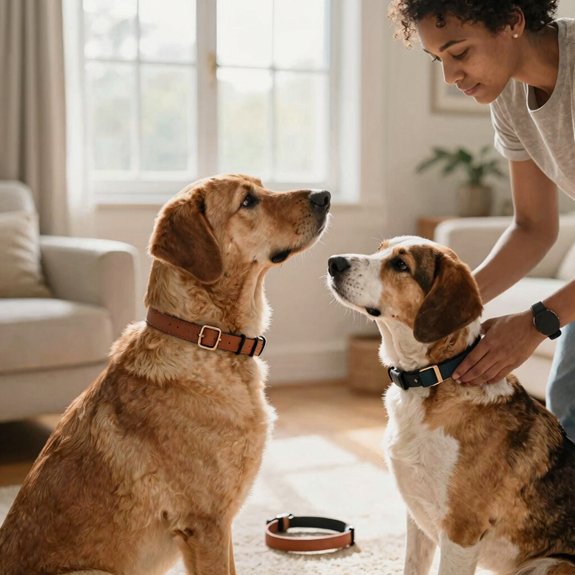
New dog owners often do best with simple flat collars, since they are easy to use and usually comfortable for everyday wear.
Dogs that slip free easily may need a martingale collar, while active dogs are better served by waterproof, durable materials that can handle mud, rain, and plenty of running.
For owners who care most about style, personalized or luxury designs can add a polished look without giving up the basics.
New dog owners → simple flat collars
For first-time dog owners, a lightweight flat buckle collar is the simplest place to start. Nylon or PVC-coated webbing stays easy to clean, holds ID tags well, and feels familiar enough to help a new household settle in.
- Measure at the widest point then leave two fingers of room.
- Pick 1/2–3/4-inch widths for puppies and small breeds.
- Choose quick-release clips, reflective stitching, and sturdy D-rings.
- Look at puppy proofing collars and color coordination, but keep comfort first.
Adjust weekly as the puppy grows and move up to 1-inch for medium breeds so the collar keeps fitting neatly and safely.
Escape-prone dogs → martingale collars
Some dogs do fine in a simple flat collar, but escape-prone dogs need a better grip on the situation, not a tighter noose. For dogs that slip free, a martingale, also called a limited-slip collar, gives gentle control with two loops that tighten just enough to stop a getaway.
It suits escape testing, sighthounds, and other breed exceptions, especially when the neck is wider than the head. A wider, padded model spreads pressure and feels kinder. Fit matters too: measure the neck, leave two fingers at rest, and check it often. That keeps the dog included, not boxed in.
Active dogs → waterproof durable collars
When a dog swims, rolls in mud, or heads out for winter adventures, a regular collar can start to feel like a weak link. Active dogs do better with PVC-coated webbing or neoprene, because both dry fast and stay tough.
- Waterproof materials handle rain, mud, and snow.
- Mountain ready hardware, like stainless steel D-rings, resists hard pulls.
- Quick-dry padding helps sensitive necks stay comfortable.
- Adjustable, washable designs keep things simple after rough days.
These collars bring practical waterproof aesthetics, plus the steady confidence of gear that fits the pack for busy trails and daily training, without fuss or failure.
Style-focused owners → personalized/luxury designs
Beyond muddy trails and hard use, this guide also speaks to owners who want their dog’s collar to look polished, personal, and well made. Such buyers can favor Monogram Embroidery, an embroidered name, contact info, or an ID pocket, so style stays clean and tags stay quiet.
Leather or neoprene with a soft lining, secure metal hardware, and custom Buckles keeps the look refined and the fit comfortable. Adjustable or quick-release designs help long-coated dogs and grooming days, while brass or matte details, matched leashes, and hidden GPS pockets finish the ensemble without shouting. Very little drama, better manners.
Real Results: What Happens When You Choose the Right Collar
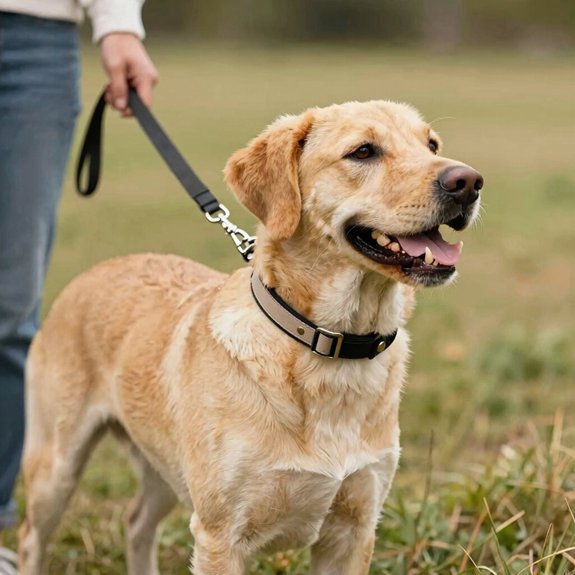
With the right collar, a dog often stays closer on the leash, slips out less, and pulls with fewer awkward jerks.
A well-fitted martingale, padded collar, or vest can also spread pressure more evenly, which helps reduce neck irritation, hair breakage, and that “I regret this walk” look.
Outside, reflective or GPS-ready options add visibility and backup, and over time they can help owner and dog feel more confident together.
Better leash control and walking behavior
A well-matched collar can turn a shaky walk into a steadier one. With the right fit, a loose leash becomes easier to keep, and the walk routine feels calmer for everyone in the pack.
- A martingale helps escape-prone dogs stay secure, with a slight tightening under tension.
- A front-clip rig or head collar can redirect strong pullers.
- Wide, padded collars improve control for larger dogs.
- Reflective collars and sturdy hardware support visibility and grip.
An adjustable collar with two fingers of space also keeps the fit consistent most days for shared neighborhood walks.
Reduced neck irritation and discomfort
Padded collars can make a noticeable difference for dogs that rub easily, since the softer lining spreads pressure and helps prevent chafing, redness, and broken hair.
Choosing padded neoprene or breathable padded webbing can help short-haired or sensitive-skinned dogs stay comfortable, while wide martingales spread force across a larger area instead of a small hot spot.
A proper fit, with two fingers under the strap, stops sliding that can mat fur and cause soreness.
Rinsing dirty collars, washing when allowed, and replacing worn hardware keeps edges smooth, so the whole group feels more at ease together on daily walks.
Increased safety outdoors
Out on sidewalks, trails, and busy driveways, the right collar can do more than look tidy. A padded or wide fit spreads pull, while reflective visibility helps others spot the dog near traffic.
- Semi-slip styles limit escapes.
- Bright colors stand out.
- Heavy duty attachments hold under strong pulls.
- A proper fit, checked often, keeps trouble low.
Routine checks, a rinse after mud, and a quick fit test keep chafing, broken hardware, and surprise slips away on the next outing.
Stronger trust between owner and dog
The right collar can make daily handling feel steadier for both dog and owner.
A properly fitted martingale, wide collar, or padded style can reduce slipping, ease pressure, and cut skin irritation, so the dog feels safer and the owner feels less tense. That calm loop helps communication cues land more evidently during walks, grooming, and bond building activities, and it can shorten leash training because less pulling means fewer control struggles. Secure hardware and reflective details add trust outdoors, which keeps handling simple. Quick-release fittings also make vet visits smoother, and the whole routine feels more like teamwork.
FAQs
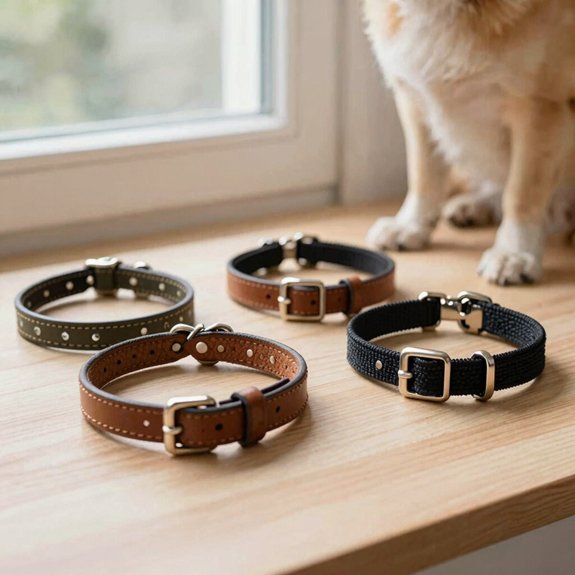
Pet owners often start with the basics: how snug a collar should be, whether it can stay on all day, and when it is smarter to choose a body strap instead.
They also ask when a collar should be replaced, and whether smart collars are worth the extra cost for tracking, training, or peace of mind.
A few clear answers can make the choice much easier, and keep a dog from wearing a collar that behaves like a tiny troublemaker.
How tight should a dog collar be?
A dog collar should sit snugly enough that two fingers can slide between the collar and the neck, but not so loose that it can slip over the head.
Fit is checked at the widest point with a little extra room for comfort and seasonal adjustments, since tight collars raise breathing risks and escape risks.
- Measure the neck.
- Allow a small buffer.
- Recheck weekly for puppies, monthly for adults.
- Watch martingale collars for safe, limited snugness.
Red marks, matting, or breathing trouble mean a reset.
Can dogs wear collars all day?
Usually, many dogs can wear flat or padded collars all day for ID tags and leash use, as long as two fingers fit between the collar and the neck. They should be checked daily for rubbing, hair loss, or a fit that changes. Overnight removal is wise for dogs who snag easily, rest in crates, or need recovery time. Quick-release styles help if a collar must stay on.
Puppies need lightweight, adjustable collars because puppy growth is fast, with weekly size checks. Replace frayed or wet collars at once, and wash them often to keep skin calm and tidy.
Collar or harness: which is better?
When it comes to collar or restraint, the better choice depends on how the dog moves and what the walk looks like. A harness suits strong pullers or flat-faced dogs, while a martingale helps escape-prone dogs. Calm dogs may do fine with a flat buckle collar.
- Harness: spreads force.
- Martingale: limits slipping.
- Flat collar: works for ID.
- Skip choke, prong, and shock gear.
Behavioral signals and training shifts matter, so fit and comfort guide the choice. Measure the neck, check two fingers, and match the gear to the dog’s daily rhythm for safer shared walks.
When should you replace a collar?
If a collar no longer fits well, it should not stay in service for long, because a snug collar can rub, and a loose one can slip free in a hurry.
The replacement timeline should be immediate when two fingers no longer fit, when a puppy outgrows the size, or when the collar slides off. Worn nylon, loose stitching, rusted hardware, or a D-ring that will not hold the leash are clear signs.
Padded collars with stains, odors, or flattened padding should go. Good collar hygiene helps, but cleaning cannot rescue damaged gear. A fresh collar keeps confidence up.
Are smart collars worth it?
For many dogs, smart collars can be worth it, especially for owners who want live GPS tracking, escape alerts, and a quick look at activity or sleep habits. They add peace of mind, but subscription costs and privacy concerns should be checked first.
- GPS for roaming dogs
- Activity and sleep tracking
- Waterproof, lightweight fit
- Battery life that matches needs
They work best when paired with a regular collar, ID tags, and reflective gear. For small dogs, lighter models matter, because comfort keeps the pack happy and prevents the collar from feeling like a tiny brick.
Resources & Buying Checklist
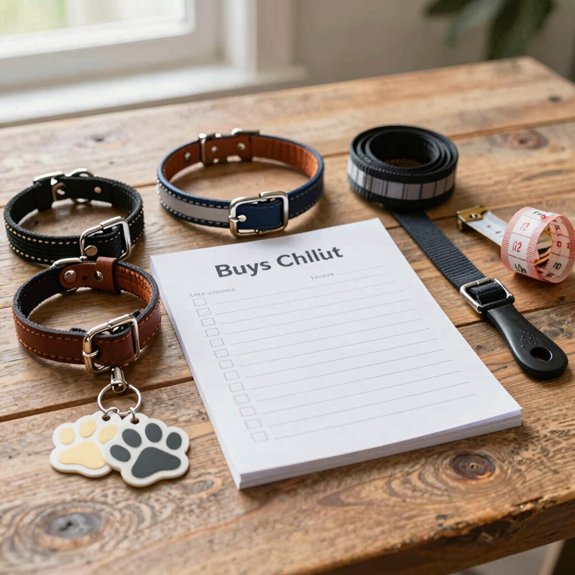
Before buying, the dog should be measured at the neck again, since old sizes can be wrong, and the collar should be checked against the maker’s size chart rather than guessed.
A good checklist also looks at material quality, stitching, buckles, and hardware, because a collar that looks sturdy should act that way too.
It also helps to match the collar with the leash type, and replace the collar if it shows wear, damage, or hardware that seems less trustworthy than a squirrel near a trash can.
Measure before buying (don’t trust old sizes)
Around the neck, the safest collar fit starts with a fresh measurement, not a memory. Old sizes miss growth, weight shifts, and coat changes, so trust numbers. Heavier coats and seasonal coatchanges can change fit, so puppies need monthly measurements.
- Measure with a soft tape at the collar spot.
- Add one to two inches for comfort.
- Compare the result with the brand’s size chart.
- After fitting, pass the two-finger test.
If a collar feels tight, size up, and if it slips, size down. Fresh numbers help a dog stay comfortable and included, not squeezed or lost in the crowd.
Check material quality and stitching
A collar’s fabric-and-stitching check matters as much as its fit. During material testing, sturdy nylon, neoprene, leather, or PVC-coated biothane should feel solid, with a tight weave or smooth hide and no cracks, so the collar can handle rain, mud, and daily pull.
A careful stitch inspection looks for reinforced box or bartack stitching at stress points, plus double-stitched seams. Loose threads or gaps are small warning signs that the collar may quit before the dog does. That keeps the whole crew walking with fewer surprise repairs, and a quick glance now can spare a soggy, awkward setback for everyone.
Choose secure buckles and hardware
Looking at the hardware first, a good collar has a sturdy D-ring, preferably stainless steel, because that is the part that holds the leash and should not bend when a dog leans into it.
1. Quick-release mechanisms suit daily wear, 2. metal buckles or reinforced tri-glides fit stronger dogs, 3. padded edges and smooth stitching help prevent rubs, 4. corrosion resistance matters in rain, mud, and sea air. Heavy-duty collars with large steel rings and rated pull strength give a steadier feel, so the dog can join walks with less worry and more comfort for a safer, calmer fit.
Match collar with leash type
For the best fit, the collar and leash should work as a pair, not as two random pieces of gear.
Heavy-duty rope or hands-free leashes do best with a large steel D-ring, while lightweight webbing leashes suit standard rings.
Collar width should match leash width and dog size, so bigger dogs get wider gear and small breeds get slimmer pieces.
Escape-prone dogs often pair a martingale collar with a strong, non-stretch leash.
For swimmers, waterproof collars and quick-drying leashes help.
Good leash ergonomics and low clip corrosion keep outings smooth, and tech collars need reinforced attachment points for tracking.
Replace when worn or damaged
Sooner or later, every dog collar shows wear, and a damaged one should be replaced before it becomes a problem. Check for frayed webbing, broken buckles, rusted D-rings, or thinning padding, then retire the collar at once if stitching has come undone or the quick-release fails.
- Measure the neck where the collar sits.
- Confirm two-finger clearance.
- Choose the right width, about 1/2″ to 1.5″.
- Pick sturdy hardware and a material that fits the dog’s life, from padded comfort to durable webbing.
Swap puppy collars every two to three months during growth, before fit turns tight and shabby enough to pinch.