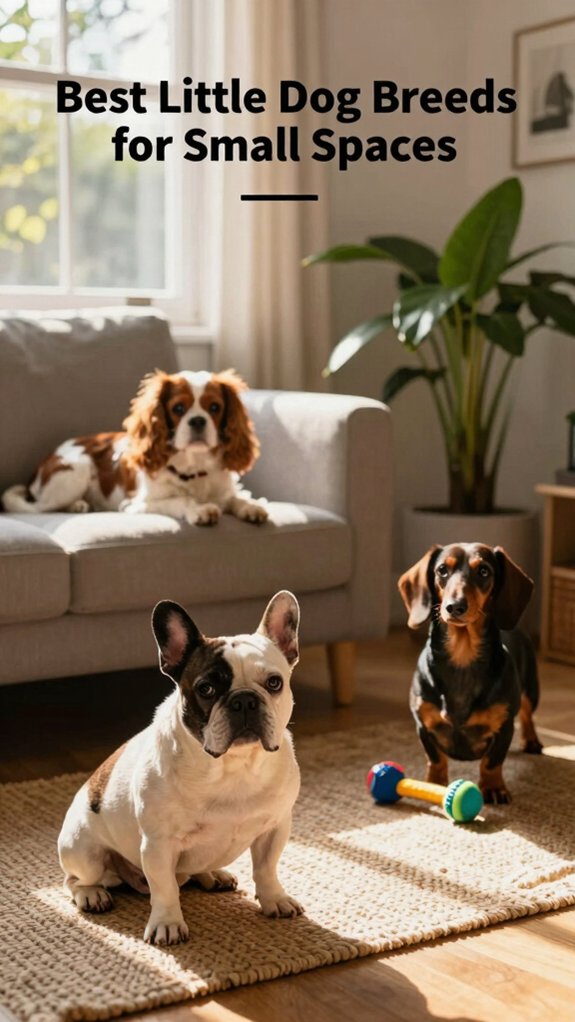
Small-space living doesn’t require sacrificing canine companionship—it’s about matching noise tolerance and energy to your apartment reality. Malteses and Japanese Chins thrive in studios with minimal barking and low exercise needs. Toy Poodles and Papillons bring brains over chaos, though they demand mental stimulation to prevent midnight zoomies. Chihuahuas bond fiercely but require careful socialization. The real game-changer? Understanding that grooming costs and dental care stack up across all breeds, making long-term budgeting crucial before committing to your pint-sized roommate.
Disclosure: This post may contain Amazon affiliate links, at no extra cost to you. Content on Pawtangle is created with research support from AI tools and carefully reviewed, edited, and fact-checked by the lead author, Dr.Fahri Pat , to ensure accuracy and reliability. Learn more
Key Takeaways
- Low-energy companion breeds like Maltese and Shih Tzu adapt better to studios than high-energy terriers.
- Noise tolerance matters more than physical size; early socialization prevents excessive barking in apartments.
- Toy Poodles and Papillions thrive in small spaces with daily mental stimulation and training.
- Japanese Chin and Brussels Griffon prefer calm, predictable home environments ideal for apartment living.
- Professional grooming every 4–8 weeks and daily brushing manage coat maintenance in confined spaces.
Small Dog Breeds for Apartments: What Matters Most
I’ve watched plenty of apartment dwellers bring home an adorable tiny pup only to realize, three months later, that their new best friend barks at every footstep in the hallway or somehow sheds enough fur to knit a second dog.
Here’s what actually matters: noise tolerance beats size every time. A quiet Havanese fits better in tight quarters than a yappy Pomeranian, regardless of weight. Space needs matter too—but not how you’d think. A low-energy companion breed thrives in studios, while high-octane terriers need room to burn energy. Shedding and grooming demands shape daily life more than pounds on the scale. Pick appropriately.
Chihuahua: The Pint-Sized Loyalist
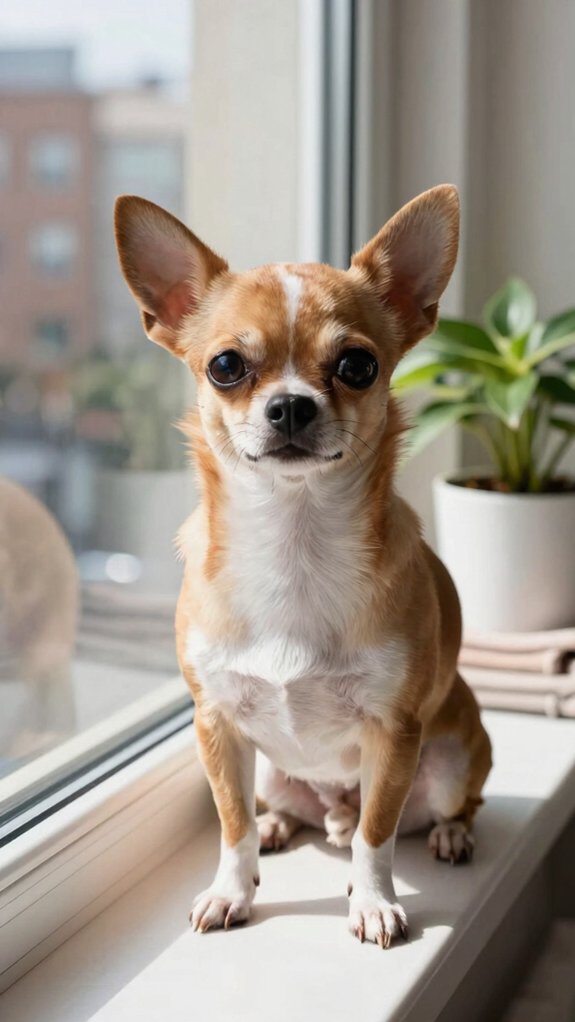
Most apartment dwellers assume tiny automatically means easy, but anyone who’s owned a Chihuahua knows better—these pocket-sized pups pack personality that defies their 2–6 pound frame. Their toy temperament masks boldness; many owners learn their Chihuahua thinks it’s a guard dog. Living 14–18 years, they’re long-term companions forming intense bonds with one person. Compact nutrition keeps costs low, yet their fragile bodies need careful handling around kids. Early socialization prevents excessive barking and fear-based aggression. Whether smooth or long-haired, Chihuahuas thrive in tight spaces—they just need consistent training and your constant presence nearby.
Maltese: Low-Shedding Elegance for Tight Quarters
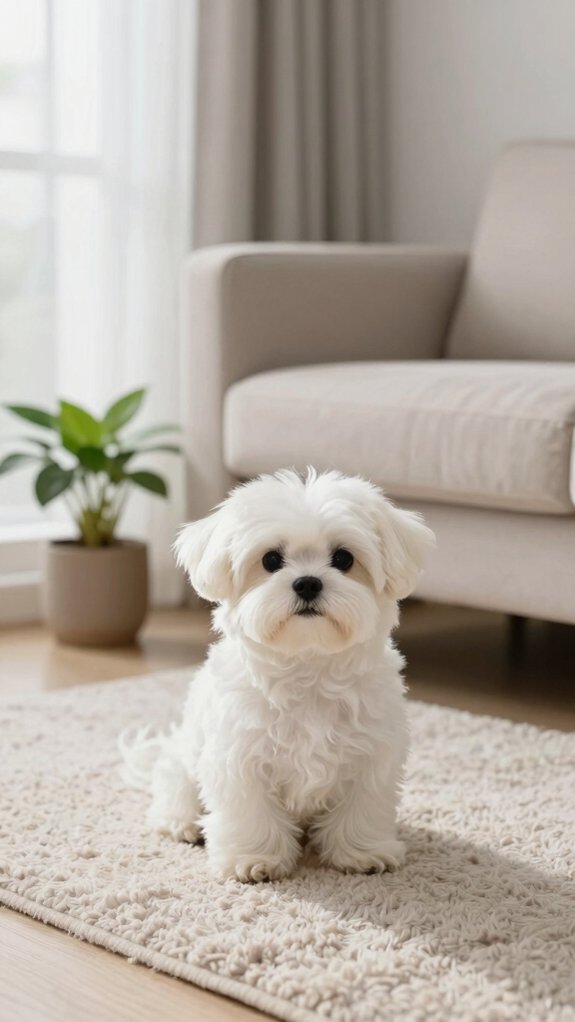
I’ve worked with countless apartment dwellers who thought a beautiful dog was off the table until they met the Maltese—and honestly, this breed might just be the apartment answer you’ve been waiting for. Yes, that silky white coat looks like it sheds everywhere, but here’s the plot twist: it actually doesn’t, which means way fewer lint roller sessions and a cleaner couch. Between their tiny size, low-shedding coat, and surprisingly chill indoor personality, Maltese dogs have a real gift for thriving in tight quarters while keeping grooming manageable (we’re talking daily brushing, not constant vacuuming battles).
Coat Care and Grooming
Keeping that pristine white coat pristine in a studio apartment or small condo? It’s totally doable with the right routine. I recommend setting up a home grooming station—even a corner with brushes and supplies makes daily maintenance easier. Daily brushing prevents matting that traps odors in tight spaces.
Here’s what works:
- Monthly to weekly baths with gentle, conditioning shampoo keeps fur silky and apartments fresher
- Professional grooming every 4–8 weeks prevents buildup; consider puppy cuts for easier at-home care
- Regular face and eye cleaning prevents tear staining—especially important indoors where marks show
Trust me, preventive dermatology saves headaches later. Your small space and Maltese will thank you.
Apartment Living Advantages
For anyone living in a studio or one-bedroom apartment, the question of pet ownership often feels impossible—until you meet the Maltese. These tiny companions thrive in compact homes, requiring only short daily walks and indoor play rather than sprawling yards. Their calm temperament makes them naturally noise-tolerant neighbors, perfect for shared walls. Even near windows with natural light, they rest peacefully without demanding constant outdoor access.
| Space Need | Exercise | Noise Level |
|---|---|---|
| Under 700 sq ft | 20-minute walks | Minimal barking |
| Studio-friendly | Indoor play | Quiet lap time |
| No yard needed | Short bursts | Apartment-approved |
Maltese dogs acclimate beautifully to apartment living.
Bichon Frise: Cheerful and Hypoallergenic
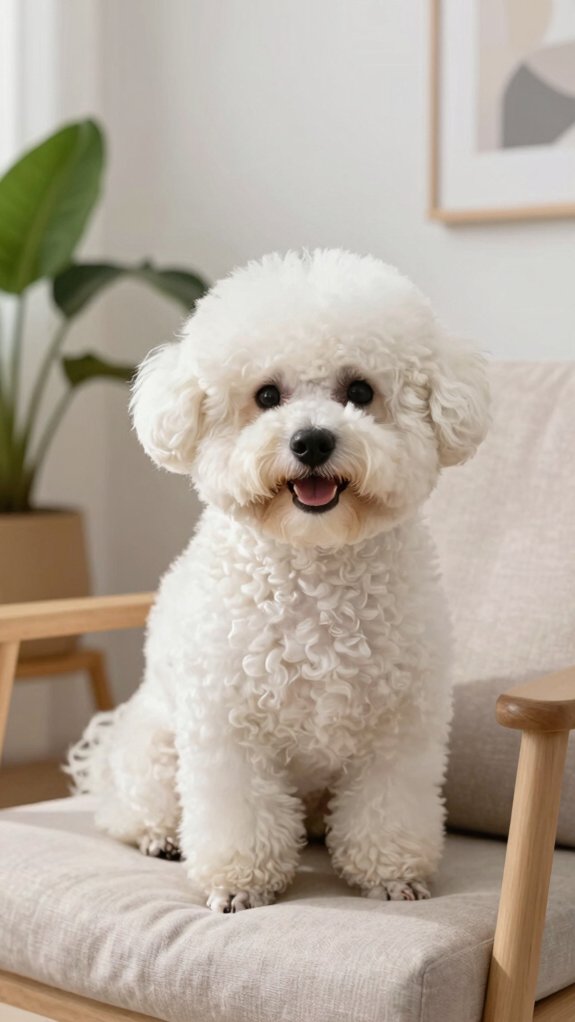
The Bichon Frise consistently shows up on apartment-dweller wish lists, and honestly, there’s a good reason why. These compact pups weigh just 12–18 pounds and stand around 10 inches tall, fitting perfectly into cozy homes. Their curly double coat sheds minimally, supporting allergy management for sensitive owners. Bichons excel at lap cuddling while staying playful and keen-to-please.
- Professional grooming every 4–8 weeks maintains their signature fluffy appearance
- Life expectancy reaches 13–17 years with proper care
- Daily moderate exercise through short walks keeps them content
Their cheerful temperament makes training straightforward and rewarding for any owner.
Shih Tzu: Compact Companion With Palace-Dog Heritage
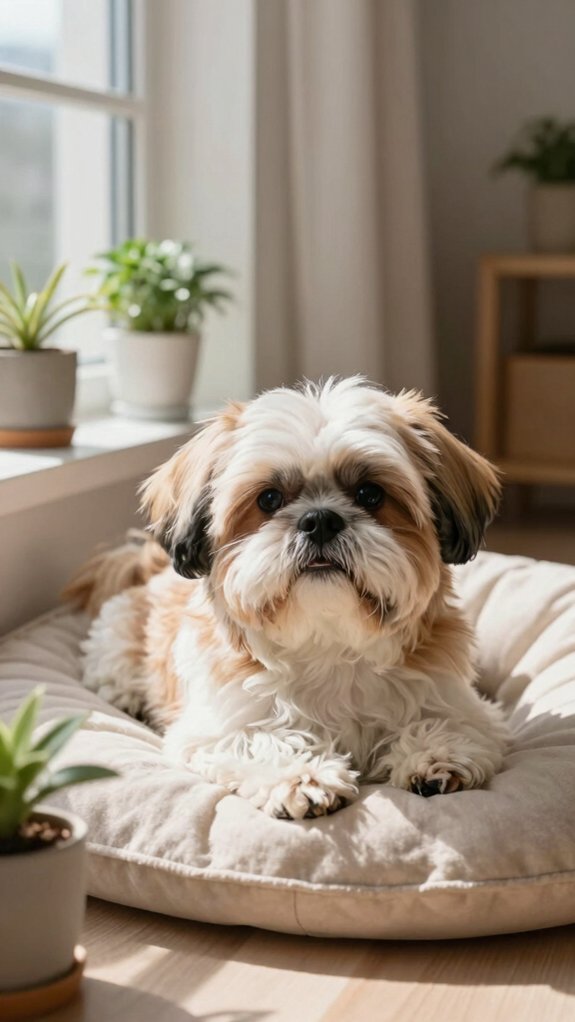
Originally bred as palace companions in Tibet and later perfected in China, Shih Tzus carry their royal heritage into modern apartments—and honestly, they expect the royal treatment, especially when it comes to grooming. Their glamorous long, silky coat isn’t just for show; it requires daily brushing and regular professional grooming to keep those signature locks mat-free and healthy, which is a real commitment (think lint rollers becoming your best friend). The good news? Their tiny 9–16 pound frame and laid-back attitude make them perfect for small spaces, as long as you’re ready to treat grooming as a non-negotiable part of their care routine.
Royal Breeding History
- Resembled lions in Buddhist religious art
- Served as gifts between emperors and noble families
- Remained exclusively indoor palace companions for centuries
This heritage explains their calm, people-focused temperament today.
Grooming and Space Needs
After centuries as pampered palace companions, Shih Tzus still expect the royal treatment—but here’s the good news: their grooming and space needs are actually manageable in apartments, once you understand what these pint-sized dogs really require.
Daily brushing prevents matting in confined spaces, while professional grooming every 4–8 weeks keeps their silky double coat healthy. Regular baths and face-cleaning prevent tear stains and dander buildup—crucial for small homes.
These compact 9–16 pound dogs thrive indoors but need short daily walks and indoor play for mental stimulation. Seasonal trimming reduces shedding considerably. A cozy, draft-free sleeping area or crate training spot helps them feel secure while protecting your apartment from boredom-related chewing.
Yorkshire Terrier: Silky-Coated Energy in Miniature
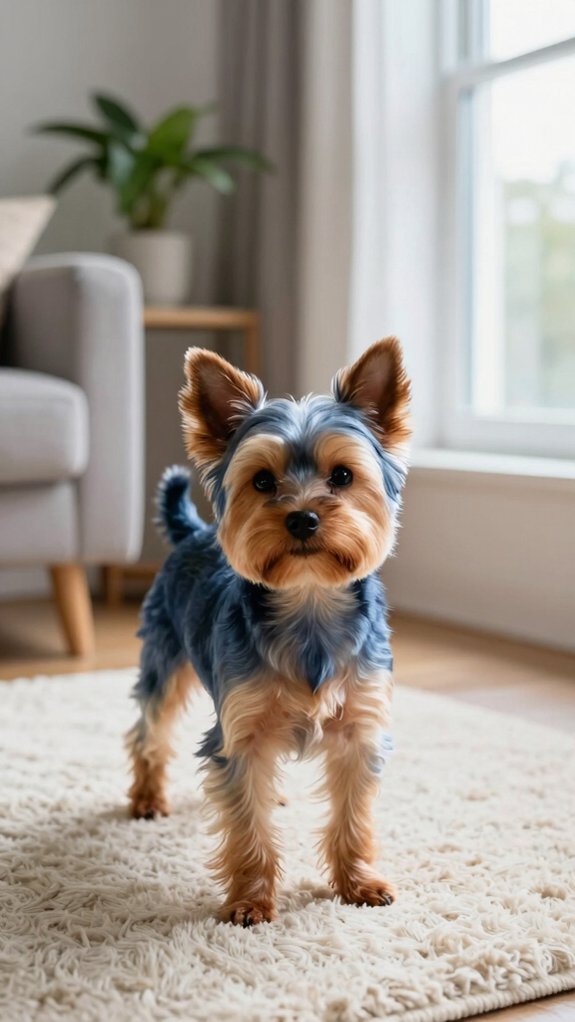
If you’ve ever watched a four-pound furball zoom across your apartment like it’s training for the Canine Olympics, you’ve probably met a Yorkshire Terrier—or at least imagined what one might do in your living room.
These silky-coated bundles pack surprising energy and intelligence into tiny frames. Their travel friendly temperament makes them perfect apartment companions, though their long coats demand consistent grooming. Yorkies bark confidently at strangers despite their miniature size, serving as spirited watchdogs.
What makes Yorkies special:
- Daily play and mental stimulation prevent boredom-driven chaos
- Hypoallergenic coats suit allergy-prone households
- 13–16 year lifespan creates lasting bonds
Watch for teacup controversies—responsibly-bred standards prove healthier long-term.
Toy Poodle: Intelligent and Grooming-Ready
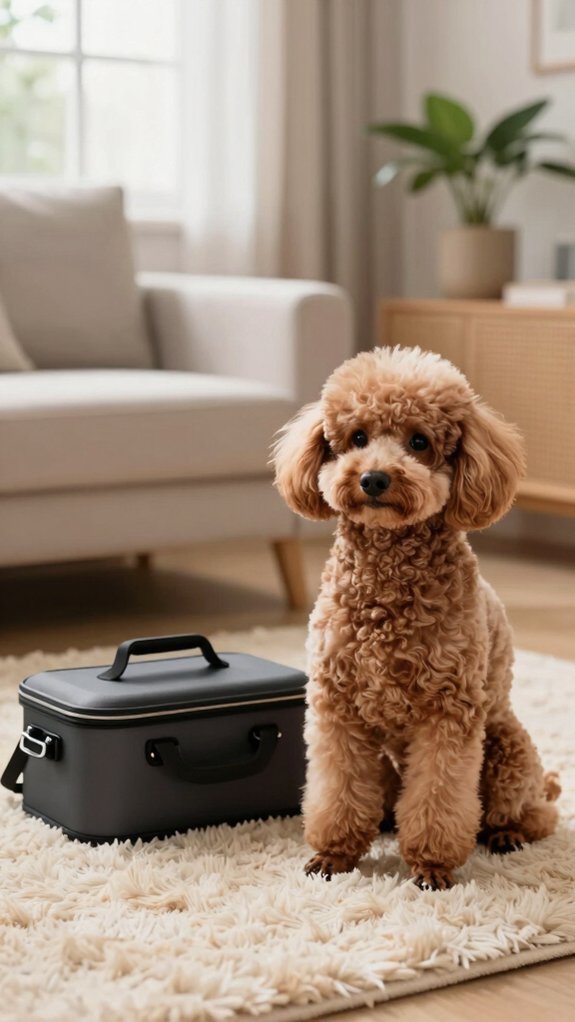
While Yorkies strut around like pint-sized celebrities, Toy Poodles take a different approach—they’re the overachievers of the small-dog world, trading attitude for brainpower. Weighing just 4–6 pounds, these bright companions excel at learning tricks and house-training through short, consistent sessions. Their hypoallergenic curly coat requires professional grooming every 2–4 weeks, making them ideal for allergy-conscious apartment dwellers. Despite their tiny stature, Toy Poodles demand daily mental stimulation and walks. With lifespans around 10–14 years, they’re perfect for travel preparedness and seasonal activities. Regular dental care keeps these clever little overachievers thriving in your small space.
Papillon: Big Personality, Butterfly Ears, Small Frame
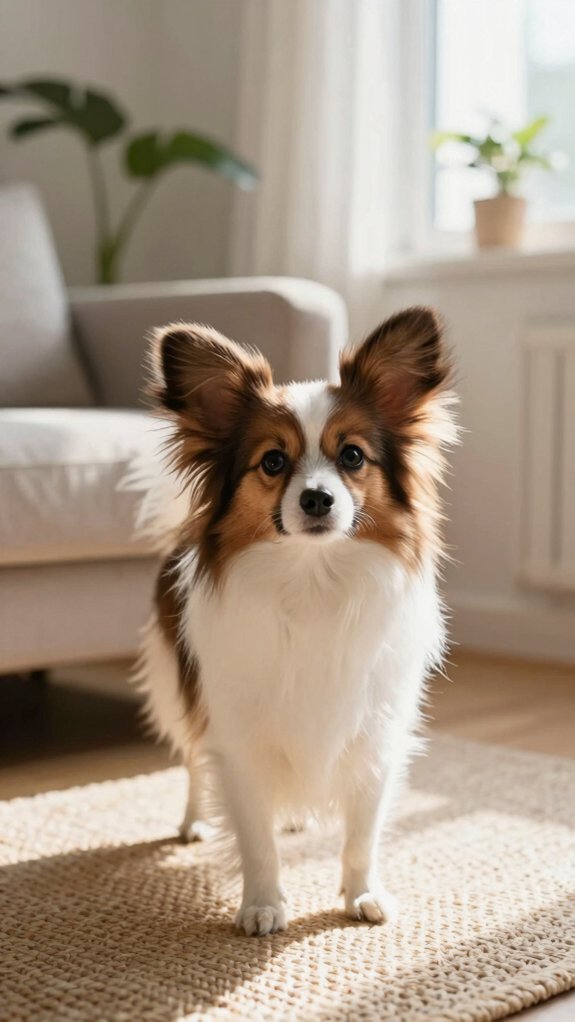
When you bring home a Papillon, you’re getting a tiny dog with an outsized brain—these little guys will outsmart you at 8 a.m. and then demand a two-hour mental workout by noon, or they’ll redecorate your apartment with shredded couch cushions just for fun. Those signature butterfly-wing ears aren’t just gorgeous; they’re a window into a mind that’s constantly working, processing, and honestly, judging your every move. I’ve seen owners underestimate these pint-sized dynamos and end up with anxious, bored dogs, so understanding their intelligence and elegance together is key to keeping both your sanity and your furniture intact.
Intelligence and Mental Agility
Training a Papillon often feels like teaching a furry genius who learns your commands faster than you can remember them—and honestly, that’s both a gift and a challenge. These tiny athletes possess notably sharp minds that demand constant involvement through mental enrichment activities.
Papillons excel at problem-solving tasks that keep their brilliant brains occupied:
- Puzzle toys and treat-dispensing games that reward independent thinking
- Trick training sessions using positive reinforcement for rapid learning
- Scent games and agility drills building mental confidence
Without adequate mental stimulation, boredom transforms these keen learners into destructive little tornadoes. Short, frequent training sessions utilize their exceptional focus, preventing frustration while celebrating their incredible intelligence and natural ability to master complex commands.
Elegant Butterfly-Wing Ears
Those giant, fringed ears that make Papillons look like they’re perpetually listening for your thoughts? That’s pure heritage symbolism—the breed’s name literally means “butterfly” in French, and those wing-like ears are the reason why. Here’s the thing: they’re absolutely stunning, but they need attention. I’ve learned the hard way that regular ear maintenance prevents tangles and keeps those silky fringes looking graceful. Brush them gently a few times weekly, and you’ll catch mats before they become problems. Your Papillon will feel the love, and those elegant ears? They’ll stay show-ready. Trust me.
Brussels Griffon: The Velcro Dog for Devoted Owners
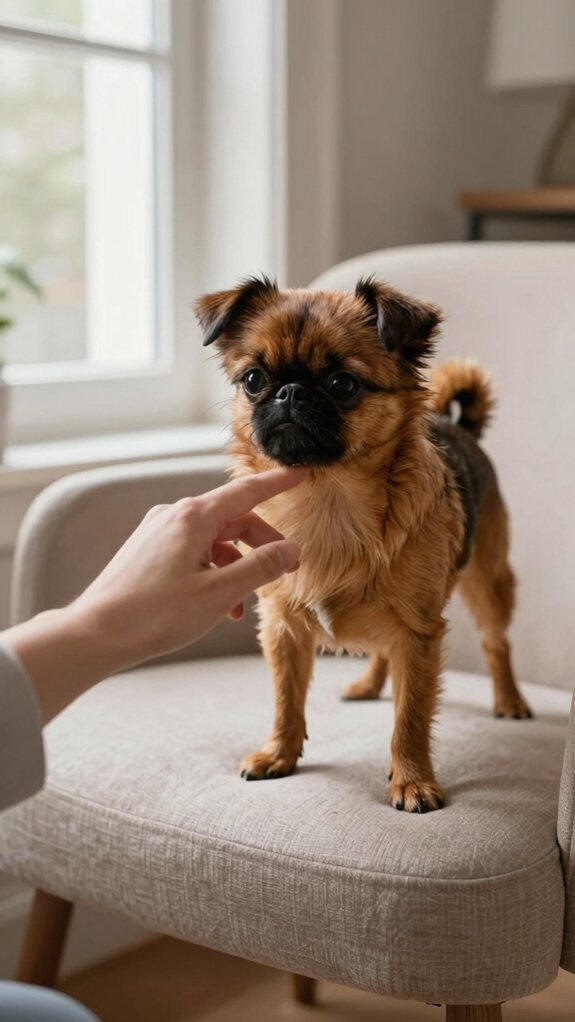
If you’ve ever had a dog that treats your shadow like a second home, you know the Brussels Griffon struggle—except these pint-sized companions take it to another level. Weighing just 8–10 pounds with an almost human-like expression, this breed genuinely needs constant companionship. They thrive with devoted owners willing to embrace their clingy nature.
Key considerations for Brussels Griffon ownership:
- Separation anxiety develops quickly without regular companionship or daycare
- Noise sensitivity requires calm, predictable home environments
- flexible training helps manage wariness toward strangers through early socialization
Daily short walks and mental stimulation prevent boredom-driven behaviors. Their moderate grooming needs and watchdog alertness round out this loyal companion perfectly suited for committed, home-present owners.
Japanese Chin: Regal Elegance Without the Space Demands
Ever wonder why some tiny dogs act like they own a palace while others seem perfectly content in a studio apartment?
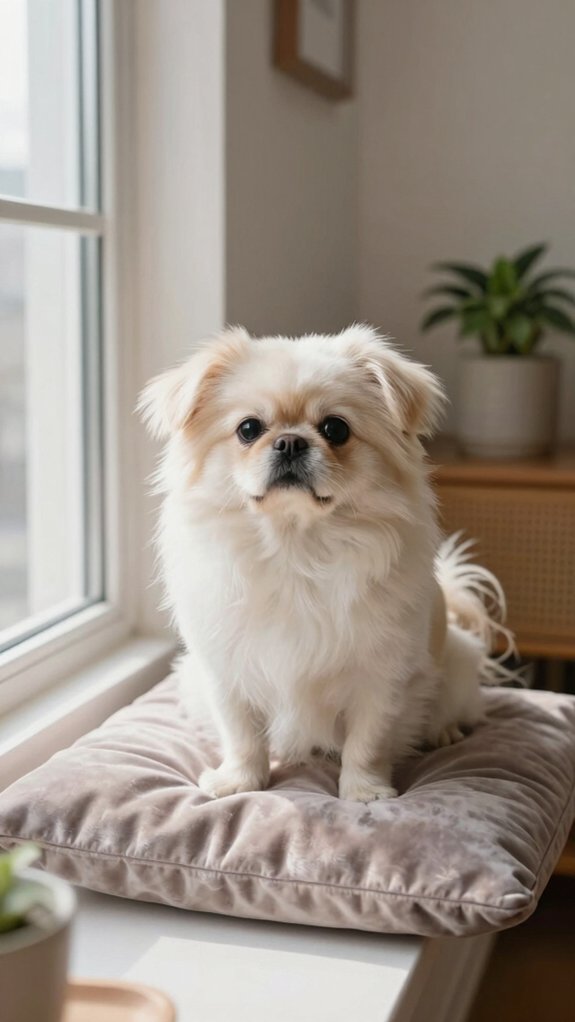
The Japanese Chin is urban royalty that thrives in modest homes. Weighing just 7–11 pounds and standing 8–11 inches tall, these elegant companions were bred for Japanese aristocracy centuries ago. They’re surprisingly calm indoors, preferring gentle handling and short daily walks over demanding exercise routines.
Their silky coats and expressive eyes demand regular brushing—think weekly maintenance. What makes them apartment-perfect? They bond deeply with one or two family members, creating meaningful connections without needing constant stimulation or vast spaces.
Grooming Time and Vet Bills: Real Costs Across These Breeds
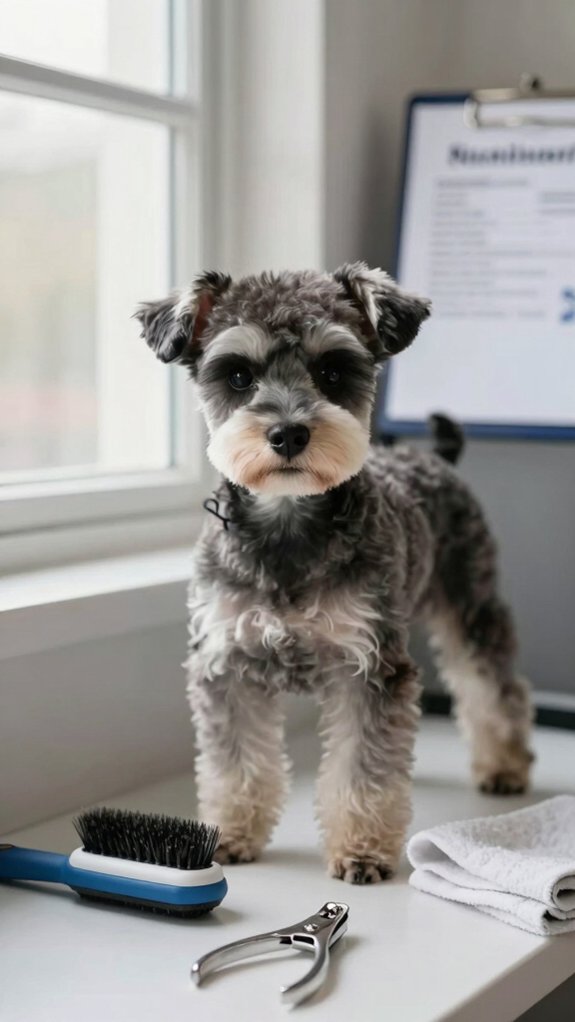
Beyond the adorable factor and apartment-friendly size, small dog ownership comes with financial realities that catch many new owners off guard.
I’ve seen owners shocked when their Maltese’s grooming bill hits $90 monthly—that’s real lifetime costs adding up fast. Breed-specific health issues matter too: Cavaliers need heart screenings, Schnauzers face pancreatitis risks, and Pugs require respiratory care.
Here’s what actually impacts your wallet:
- Professional grooming every 4–8 weeks for high-maintenance coats
- Annual vet checkups plus dental cleanings for tiny-breed dental disease
- Breed-specific diagnostics and specialist treatments
Small dogs live 12–18 years, so budget appropriately. Behavioral enrichment toys and preventative care prevent costlier problems later—trust me on this one.
Frequently Asked Questions
What Is the Best Dog for Small Spaces?
A Maltese or Toy Poodle thrives in cozy apartments, their silky coats gleaming as they nestle beside owners in compact living rooms. These apartment friendly breeds and low shedding companions offer the perfect fit for those seeking a devoted, manageable family member.