
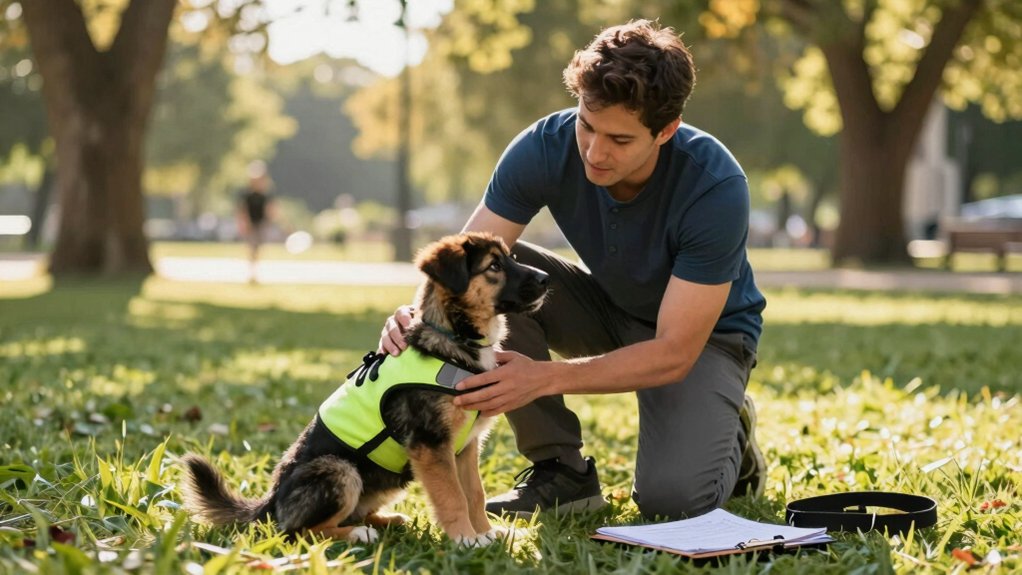
You’ll start with core obedience—sit, stay, come, down—using consistent cues and high-value rewards, then build loose-leash walking, off/jump control, and a reliable emergency recall. Gradually add public access skills, calm socialization across settings, noise desensitization, impulse control, and task-specific shaping in real-world scenarios. Verify proper-fit gear, regular vet care, grooming, and hazard drills so responses stay predictable. Stick with progressive distractions and intermittent rewards, and keep going to learn full step-by-step guidance.
Disclosure: This post may contain Amazon affiliate links, at no extra cost to you. Content on Pawtangle is created with research support from AI tools and carefully reviewed, edited, and fact-checked by the lead author, Dr.Fahri Pat , to ensure accuracy and reliability. Learn more
Key Takeaways
- Establish core obedience (sit, down, stay, come) with consistent cues, gradual distractions, and intermittent rewards for reliability.
- Train accurate leash manners and loose-leash walking using stops, direction changes, and rewards for proximity and attention.
- Socialize early in controlled settings, monitor body language, and reinforce calm behavior in public and transport situations.
- Teach task-specific skills after obedience: shape behaviors with high-value rewards, practice real-world repetitions, and add distractions.
- Ensure proper gear fit, routine vet care, hazard-response drills, and regular equipment desensitization for comfort and safety.
Basic Obedience Commands
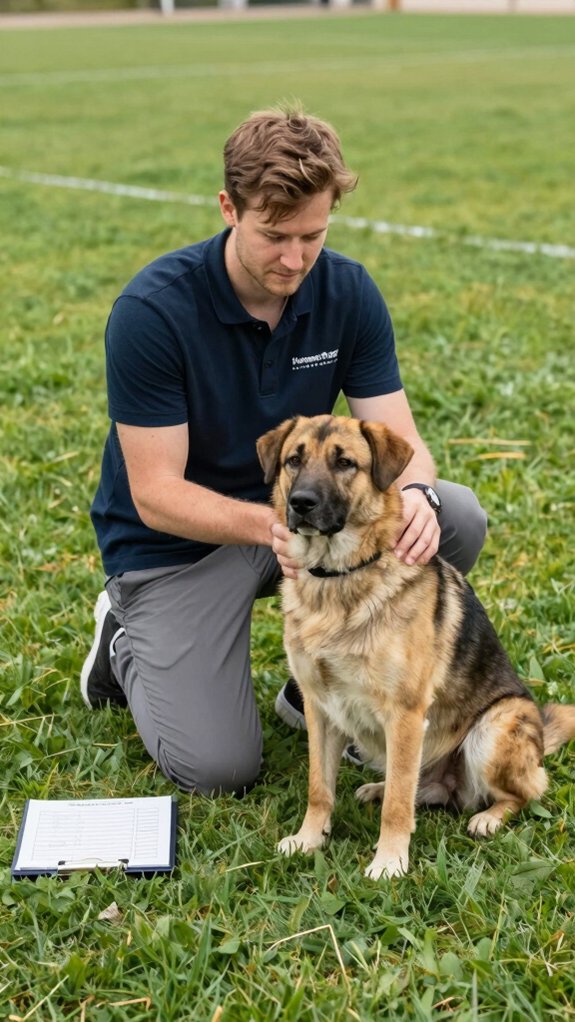
You’ll start by teaching sit, stay, come, and down as the core cues that create reliable communication between you and your service dog. Use consistent verbal cues paired with hand signals, begin in low-distraction settings, and reinforce each success with high-value treats. Once behaviors are reliable, shift to intermittent rewards to maintain performance in real-world situations.
Sit, stay, come, down
Start by teaching the four core commands—sit, stay, come, and down—because they form the foundation for safety and reliable public behavior; use consistent verbal cues and hand signals, lure or guide each position with treats, reward immediately for correct responses, and gradually increase duration and distractions as the dog succeeds. You’ll teach the sit command by luring the hips down with a treat and rewarding instantly so your dog links action to reward. For the stay command, build time and distance slowly, praising calm stillness and releasing distinctly. Teach come with a cheerful call and high-value rewards to build reliable recall. Introduce down by guiding into a lying position, rewarding compliance, and lengthening hold times. Stay consistent and patient—you’re building teamwork.
Loose Leash Walking
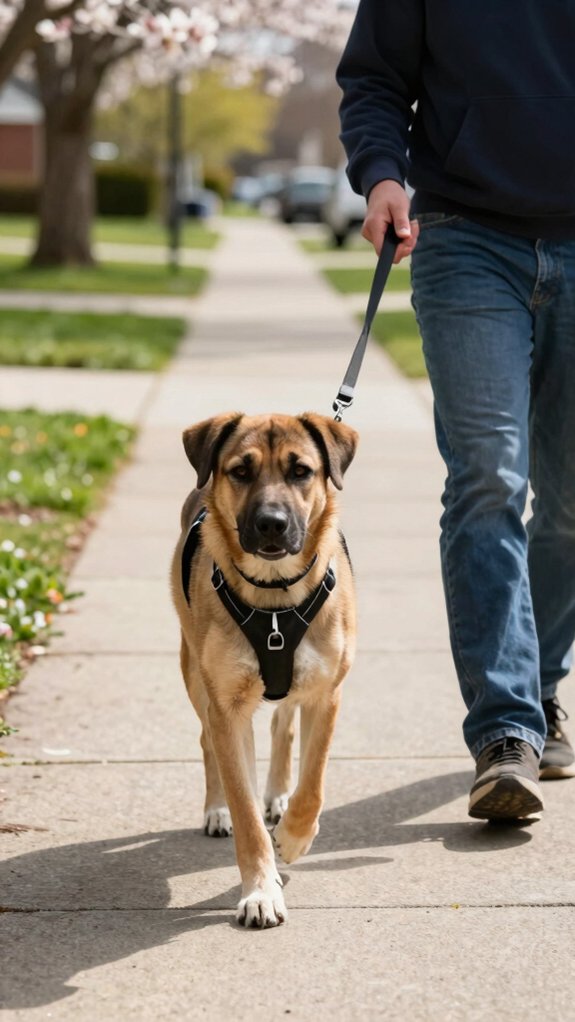
Practice loose leash walking in a quiet area so your dog learns to walk calmly at your side without pulling or wandering. Begin there, using a clear cue like “let’s go” to signal movement. Use positive reinforcement and high-value treats to reward proximity and attention; deliver rewards immediately when the leash is slack. Keep sessions short and frequent, gradually increasing distractions only after your dog is consistent. If pulling starts, stop or change direction so your dog learns slack equals progress. Track progress and be patient—some dogs take weeks or months to generalize the skill. This foundation supports safety and teamwork, and practicing together will help you both feel confident and connected as you move toward busier environments.
Public Access Behavior
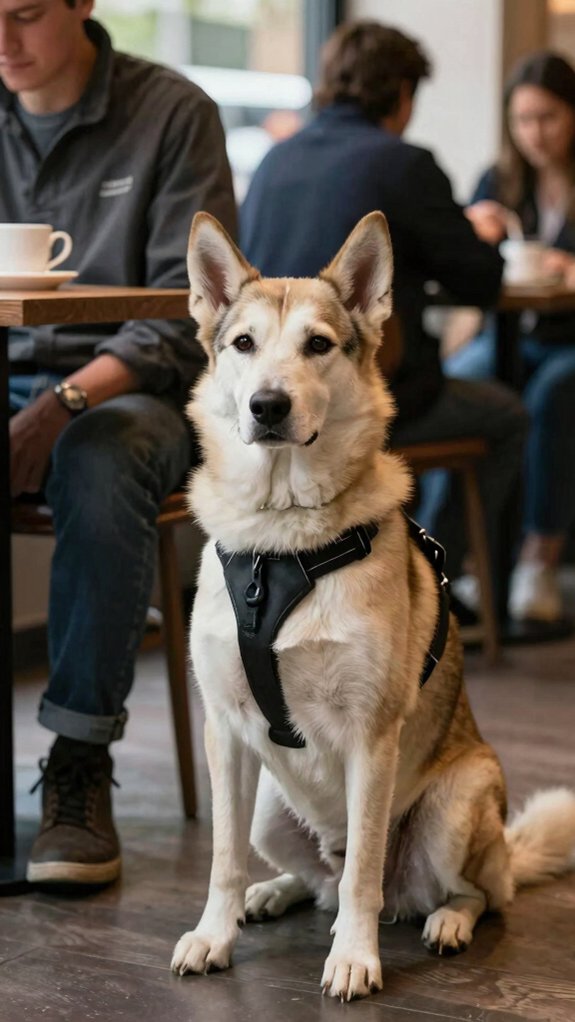
When you take your service dog into public, they must not pull or lunge so you can maintain control and comply with ADA expectations. Practicing loose-leash skills and threshold cues in busy, non-pet locations reduces the chance they’ll bolt toward distractions or other people. Consistent, varied exposure helps your dog stay settled and responsive so they don’t interfere with public activities or create safety risks.
No pulling or lunging
Because public access depends on predictable behavior, your service dog must walk calmly at your side without pulling or lunging; that control keeps both of you safe and reduces barriers in crowded spaces. You’ll build loose-leash walking through short, consistent sessions using positive reinforcement, rewarding proximity and calm movement. Gradually add distractions—other people, animals, noises—so distraction techniques become part of everyday training and your dog learns to focus on you. Watch your dog’s body language for early signs of stress or excitement and intervene before pulling starts, using cueing, redirection, or a brief break. Practice in varied environments to generalize the skill. With steady, evidence-based training and community-minded consistency, your team will move confidently through public spaces.
Socialization in Different Environments
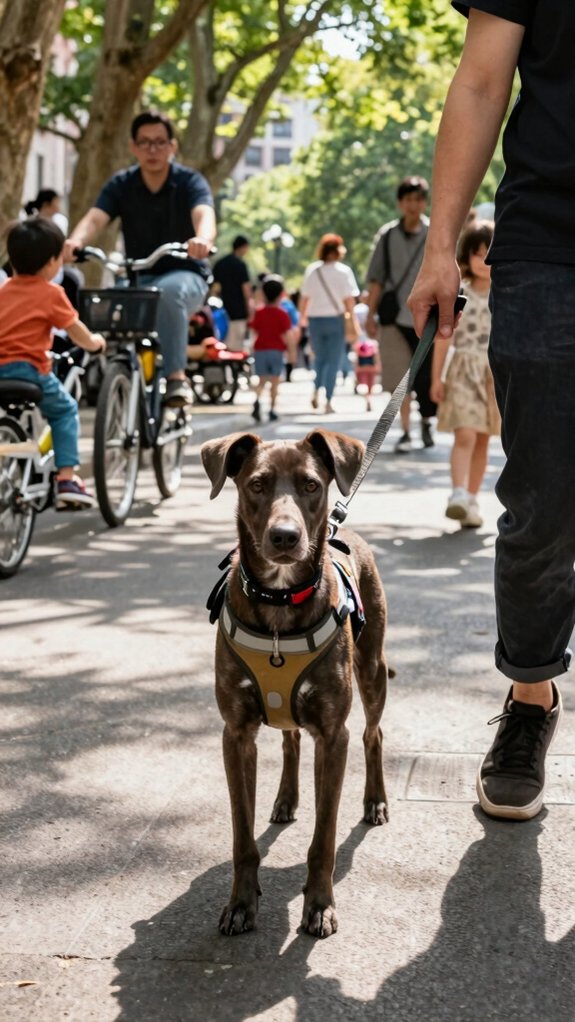
When socializing your dog in stores, parks, and on transport, start before four months and plan controlled, short exposures to each setting. Watch body language closely—relaxed posture and eye contact mean comfort, while lip licking or a lowered tail signal stress—and check in frequently to reinforce calm focus. Use gradual increases in noise, textures, and people, rewarding the dog for returning attention to you so they learn composure across environments.
Stores, parks, transport
Although new environments can be challenging, you should gradually expose your service dog to stores, parks, and public transport so they build confidence and reliability in real-world settings. Focus on brief, controlled visits that teach calm responses: use store environments to practice ignoring shoppers and merchandise, parks to rehearse composed park interactions around people and animals, and short transport experiences to acclimate to movement and confined spaces. Watch body language and stop if your dog shows stress.
- Begin with quiet stores, reward focus, and practice distraction management.
- Visit parks during low-traffic times, then increase activity gradually.
- Take short bus or train rides, staying near exits at first.
- Debrief after outings—note triggers and celebrate progress.
Desensitization to Noise
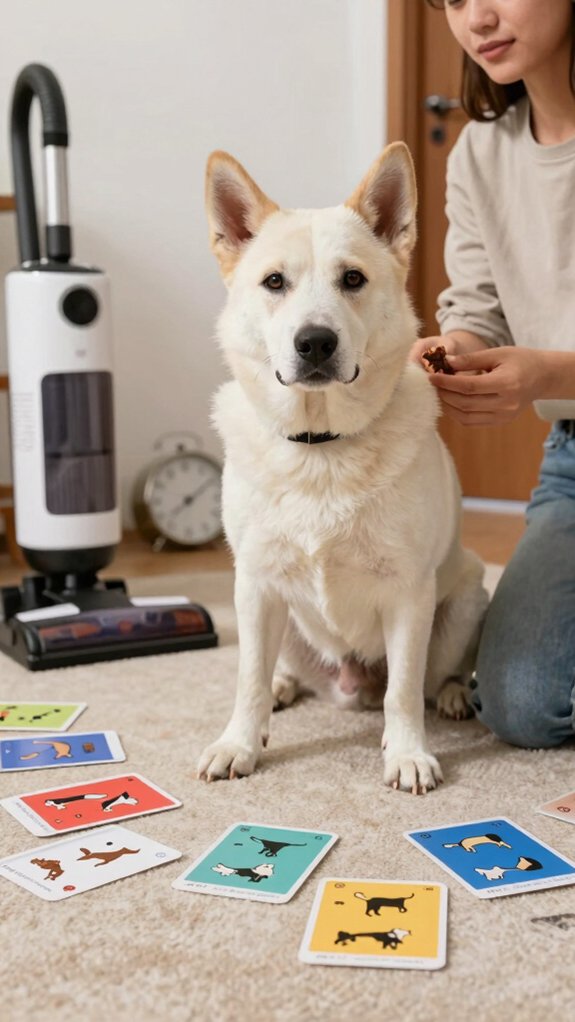
You’ll start noise desensitization by exposing your dog to recordings of sirens, crowds, and doors at low volume in a controlled setting. Watch for stress signals like lip licking or yawning and pause or reduce intensity if the dog becomes anxious. Reinforce calm behavior with treats and gradually increase volume and complexity to build reliable focus in real-world situations.
Sirens, crowds, doors
Because loud noises and crowds can easily overwhelm a dog, start desensitization gradually and deliberately so your dog learns to stay calm and focused. You’ll build confidence with controlled noise exposure and small steps toward busy environments. Watch body language, reward calm responses, and back off before stress rises. Include doors—automatic and swinging—so entry/exit triggers don’t startle your dog.
- Play recorded sirens at low volume, reward calm, slowly raise volume over sessions.
- Practice crowd navigation in quiet parks, then move to busier sidewalks in short increments.
- Train door etiquette: pause, wait, and reward before passing through different door types.
- Monitor stress signals, shorten sessions if needed, and celebrate steady progress together.
Focus and Distraction Control
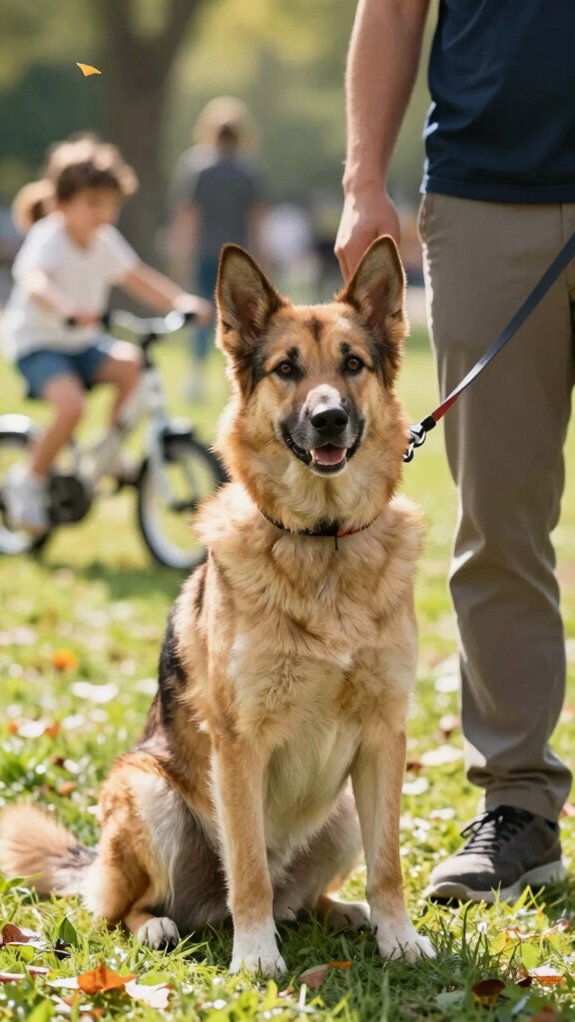
When you teach a service dog to interact and release, you give them a clear cue to shift attention back to you after noticing a distraction, which builds reliable focus in busy settings. Use distraction techniques and focus exercises like the engage/disengage game to train this skill gradually. Clicker training consistently marks desired responses and strengthens attention to your cues. Watch body language—lip licking, yawning, or stiff posture—to catch rising distraction or anxiety and adjust difficulty. Increase distraction levels slowly across locations so your dog learns to maintain focus under real-world conditions. Regular, varied practice reinforces control and confidence, helping your dog stay present and connected to you while still belonging in shared public spaces.
Task-Specific Training
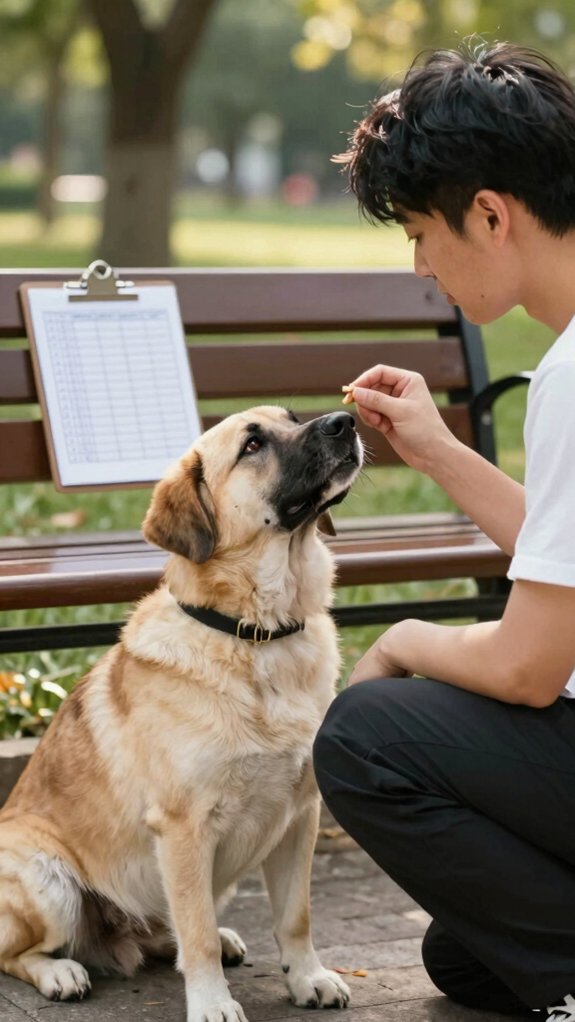
Now you’ll focus task-specific training for medical alerts or mobility support, teaching your dog clear, reliable responses that reduce your disability-related risks. Start this work only after obedience and socialization are solid, using positive reinforcement like high-value treats to shape alerts, retrievals, bracing, or door-opening. Practice those tasks in real-world settings so your dog performs them under distraction and when you need them most.
Medical alert or mobility support
Although task-specific training builds on basic obedience, medical-alert and mobility tasks require focused, repeated practice so your dog reliably recognizes cues and responds under real-world conditions. You’ll teach medical alert behaviors (like signaling for seizures or low blood sugar) and mobility support actions (bracing, retrieving, nudging) after obedience is solid. Use positive reinforcement, short sessions, and gradual distractions so responses stay consistent. Work closely with your dog to strengthen skill and trust; training time varies by task complexity and your dog’s pace. Include real-context rehearsal and occasional refresher sessions to maintain performance and safety.
- Start simple: chain cues to medical alert signals.
- Practice mobility support in varied environments.
- Reward correct responses immediately.
- Reinforce skills with routine, collaborative sessions.
Duration and Impulse Control
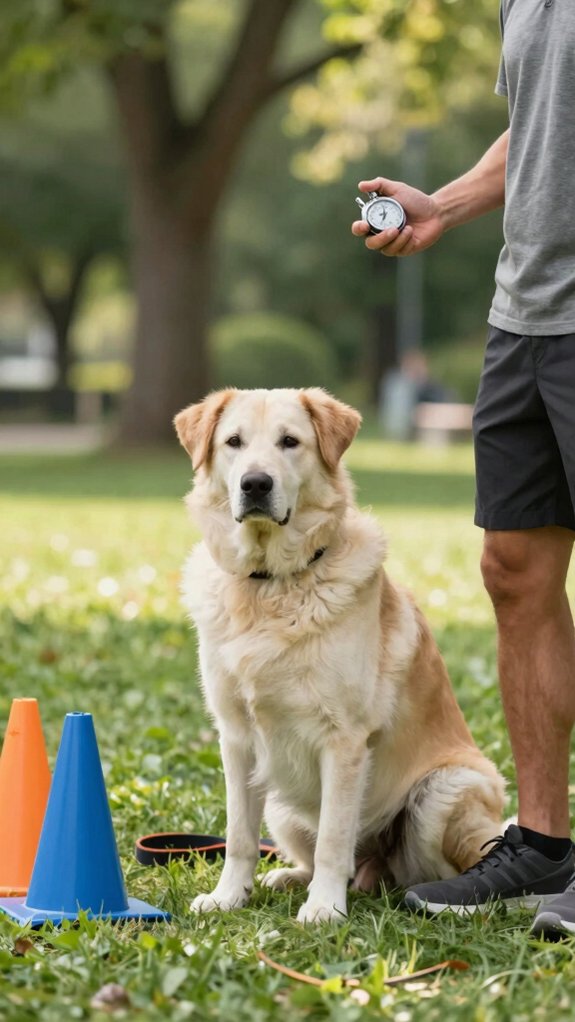
Because reliable service work depends on sustained focus, plan for at least two years of consistent training that emphasizes impulse control. You’ll build duration consistency by starting with short, daily exercises—“leave it” and “wait”—and slowly lengthening how long the dog must hold position or ignore distractions. That progressive approach strengthens real-world performance in busy settings. Schedule regular impulse evaluation checkpoints so you can measure progress, spot gaps, and adjust techniques or reinforcement. Use brief, predictable routines that include public-access simulations to test stability under stress. Celebrate small gains to encourage belonging and keep both of you motivated. With patience and evidence-based adjustments, you’ll develop a dog who resists impulses reliably and supports your independence in diverse environments.
House Training Reliability
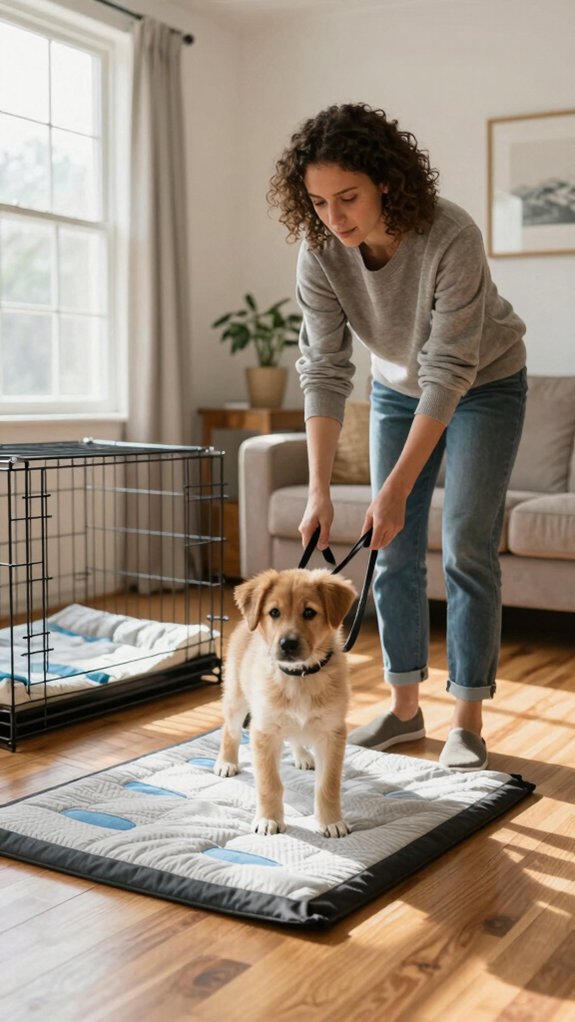
How will you build dependable house-training? You’ll create a clear potty schedule and reward success immediately so your dog links going outside with positive outcomes. Track eliminations in a simple log to spot patterns and gradually extend time between breaks as reliability improves. Watch body language—sniffing, circling, pacing—and act before accidents happen. Include others in your household so everyone follows the same routine; consistency builds confidence and belonging.
- Establish a regular feeding and potty schedule to set expectations.
- Reward the exact spot with treats and praise right after elimination.
- Record times and notes to adjust the schedule based on real data.
- Increase intervals slowly, keeping frequent breaks during early training.
Calm Behavior Around Other Animals
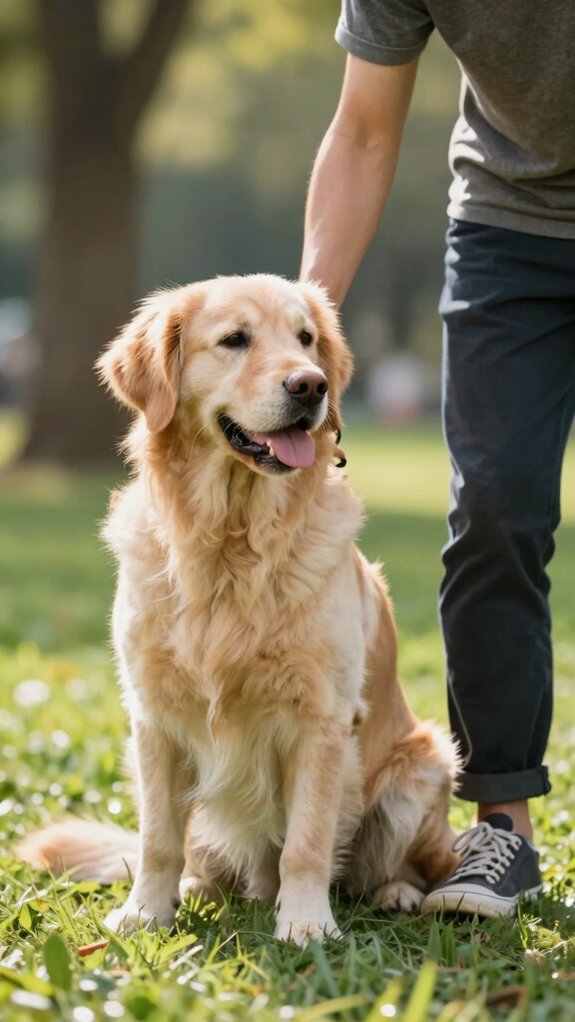
Once you’ve established reliable house-training routines, you can apply the same consistency to teaching calm behavior around other animals. Start with gradual exposure: brief, controlled introductions in low-distraction settings so your dog isn’t overwhelmed. Use the connect/disengage game to teach them to reorient to you when another animal appears, reinforcing calm interactions with treats and praise. Watch for stress signals—lip licking, tail lowering, stiffening—and step back before your dog reaches threshold. Progressively increase difficulty only when your dog remains composed, keeping sessions short and predictable. Reward calm, composed responses to strengthen your bond and make your dog feel secure. Consistent routines, monitoring, and timely reinforcement create reliable, calm behavior around other animals.
Settling on Command
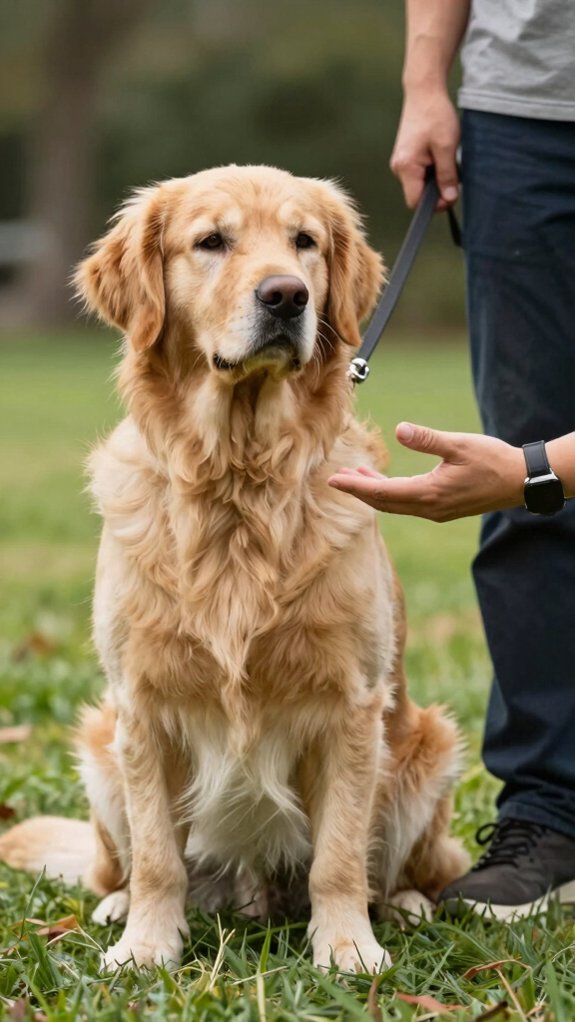
Teach your dog a reliable “place” using a mat or designated spot so they learn to settle and stay calm on cue. Start in a quiet room with a clear verbal cue and hand signal, rewarding calm lying-down behavior and gradually adding distractions and distance. Watch your dog’s body language during training and practice short, consistent sessions several times a day to build reliable performance.
“Place” or mat training
Although it takes consistent practice, place or mat training teaches your service dog to settle reliably on a designated spot, promoting calmness and focus in varied settings. You’ll guide your dog to the mat with positive reinforcement, using mat rewards when they lie down and stay. Start short, repeat often, and slowly increase duration so your dog generalizes the behavior.
- Begin inside with high-value treats and a clear cue, then reward calm settling.
- Add mild place distractions (people, toys) and reinforce staying with praise or treats.
- Move to new environments—living room, patio, quiet public spots—to generalize the command.
- Fade food rewards to intermittent reinforcement so the mat remains reliable in real-world settings.
Handler Bond and Responsiveness
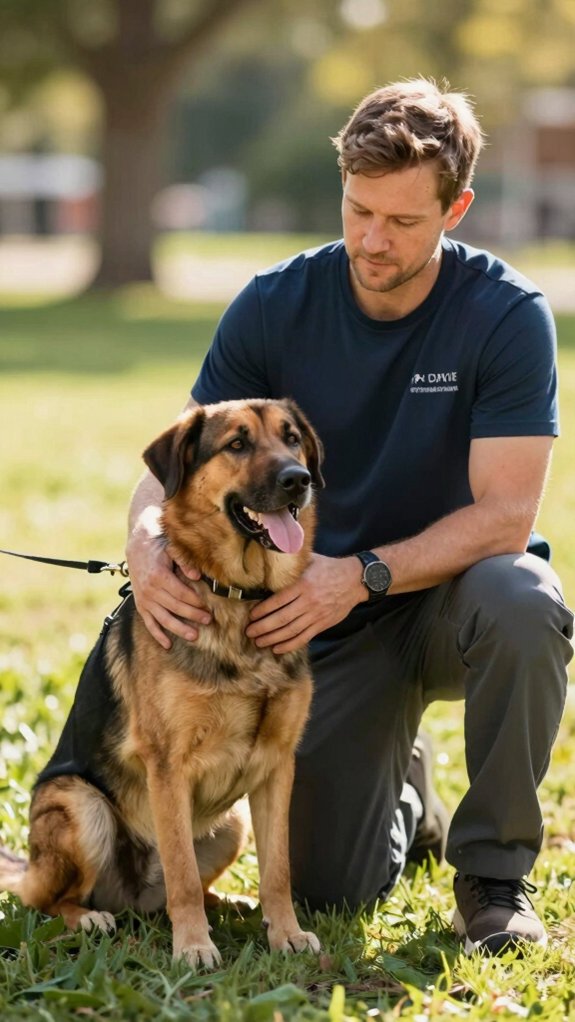
Because your bond shapes attention and trust, strengthening it should be a priority for improving your dog’s responsiveness. You’ll use bonding exercises and trust building to make your dog seek your guidance and stay attentive. Use consistent positive reinforcement and affectionate check-ins to reinforce mutual understanding of cues.
| Focus | Action |
|---|---|
| Engaging play | Involve/disengage game to maintain attention |
| Variety | Practice commands in different environments |
| Affection | Short, frequent check-ins during sessions |
These steps are evidence-based: dogs with secure bonds focus more on handlers. Keep sessions short, predictable, and rewarding so your dog generalizes behaviors across contexts. When you prioritize connection and clear feedback, your dog learns to respond reliably, helping both of you feel confident and included during training.
Health and Grooming Readiness
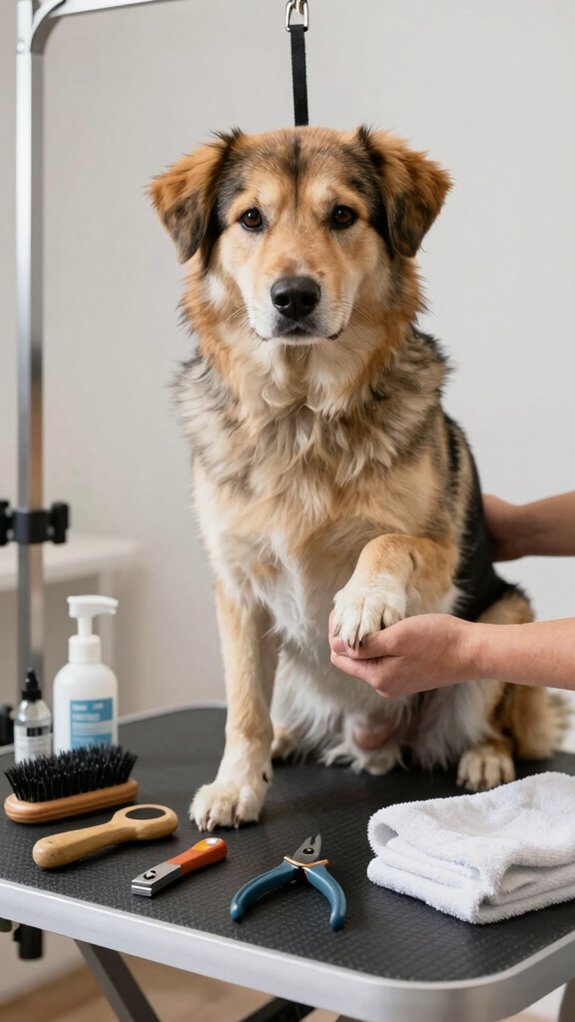
Good grooming and regular health checks keep your service dog comfortable and fit for work, so make them part of your routine. You’ll use practical grooming techniques and consistent health monitoring to support coat, teeth, nails, diet, and overall wellbeing. Regular brushing and bathing prevent matting and reduce shedding; annual veterinary exams keep vaccinations and preventive care current. Brushing teeth and offering dental chews lowers periodontal risk, and trimming nails preserves gait and comfort. A balanced diet matched to age, size, and activity maintains energy and recovery.
- Brush and bathe to prevent mats and control shedding.
- Schedule yearly vet visits for exams and vaccinations.
- Brush teeth, provide dental chews, and trim nails routinely.
- Feed a balanced, needs-specific diet and track condition.
Equipment Familiarity
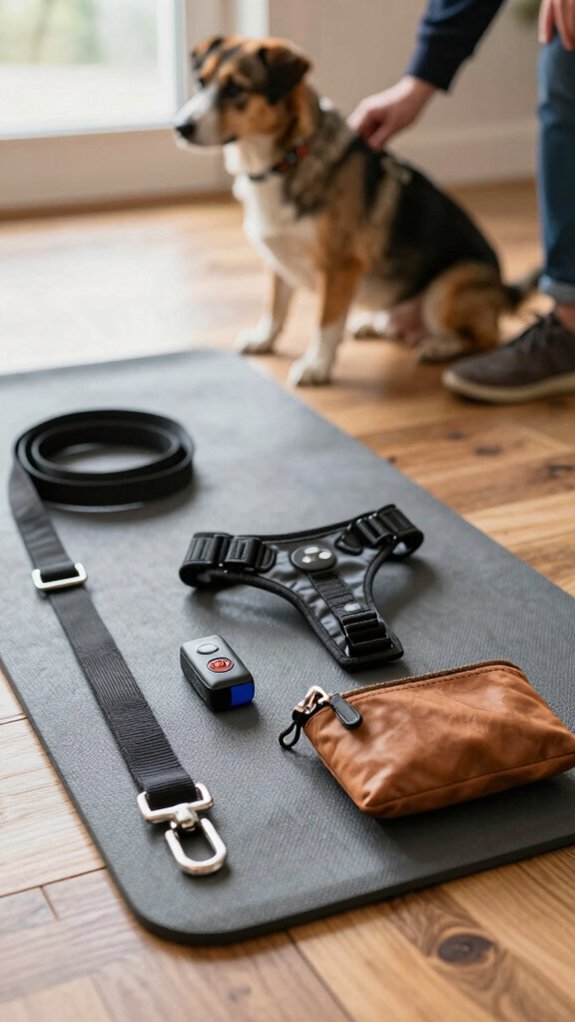
Make sure your dog’s vest and gear fit comfortably and allow full range of motion while providing a secure attachment point for control. Check for proper sizing, padding, and adjustment so the equipment doesn’t pinch, rub, or shift during movement. With regular, positive practice wearing the gear, your dog will associate it with work and public readiness.
Vest and harness comfort
A well-fitted vest or support will distribute weight evenly and let your dog move freely, reducing the risk of chafing or strain during long wear. You’ll prioritize vest fit and choose support materials that are breathable and padded so your dog stays comfortable and protected. Introduce the gear gradually, pairing each short wear with treats and praise so your dog feels secure and included. Check and adjust the fit regularly—growth, weight change, or coat shifts can alter comfort and function.
- Inspect straps and padding for even pressure and no rubbing.
- Use soft, breathable fabrics to minimize skin irritation.
- Confirm full range of motion during walks and tasks.
- Build positive routines: short sessions, rewards, and gentle adjustments.
Emergency Recall Command
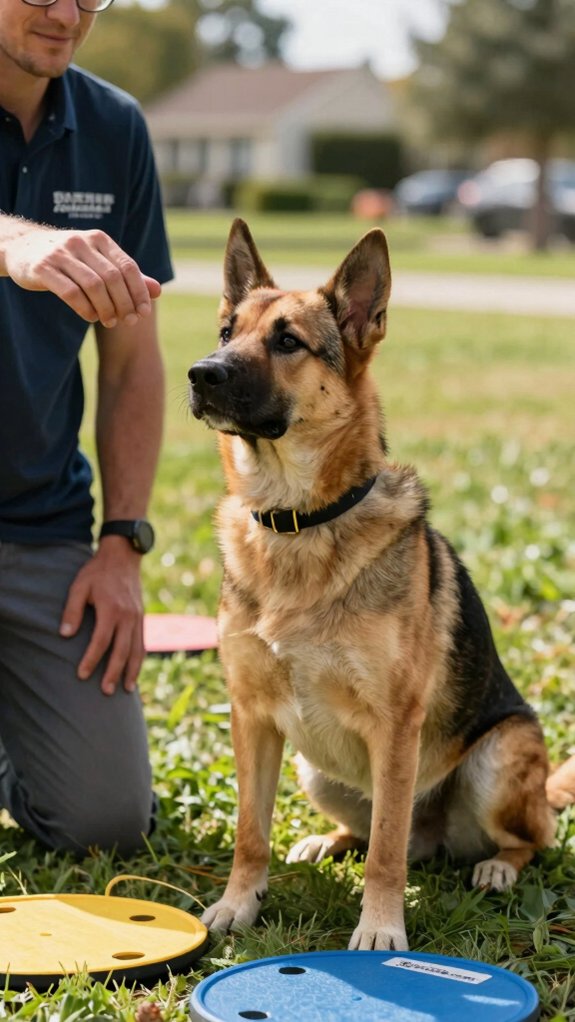
The emergency recall command tells your service dog to return immediately, overriding distractions to keep you safe in urgent situations. You’ll teach emergency recall starting in low-distraction training environments, then gradually add noise, people, and distance so the cue stays reliable. Use high-value rewards—favored treats or enthusiastic praise—to make coming back the best choice, and practice short, frequent sessions to build speed. Fade visible cues so the verbal or handheld signal works anywhere. Reinforce the behavior regularly; consistency prevents lapses that could be dangerous. Run drills that mimic real hazards safely, so both of you learn predictable responses. With steady, evidence-based repetition, your dog will give you confidence and dependable safety when it matters most.
Public Etiquette Standards
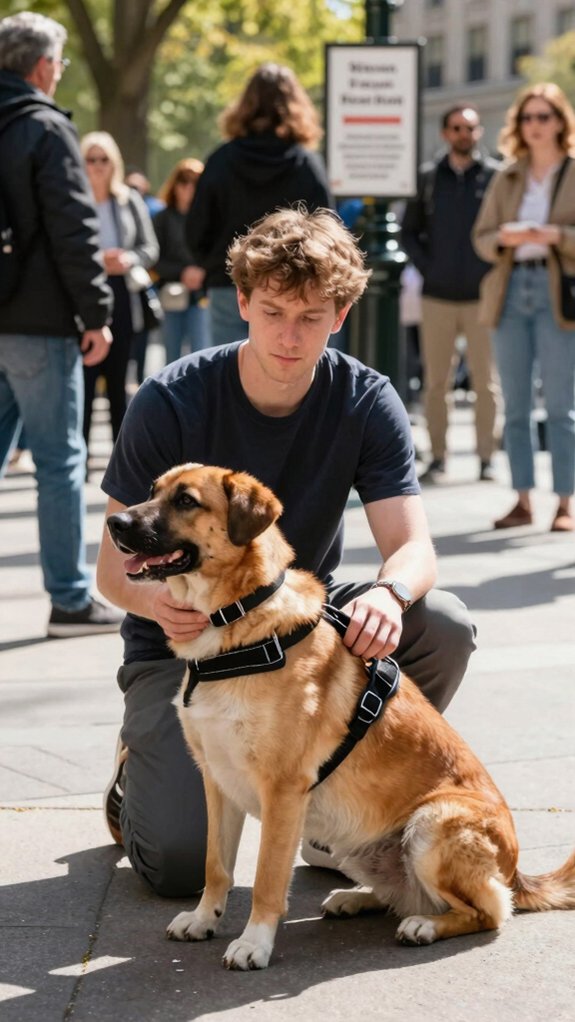
When you’re out in public, your service dog mustn’t beg or jump, since those behaviors distract from its task and can be seen as upsetting. The ADA gives service dogs access to most public places, but handlers are still responsible for preventing nuisance behaviors like jumping or soliciting food. Use consistent cues, management (leash or restraint), and immediate redirection to keep your dog calm and focused.
No begging or jumping
Keep your service dog calm and unobtrusive in public by training them not to beg for food or attention and to refrain from jumping on people. You’ll reinforce that begging behavior undermines professionalism and can distract you or others. Use consistent “leave it” and “off” cues, reward steady attention on you, and practice in varied settings so composure generalizes. Public access requires calm, non-intrusive conduct to meet ADA expectations and keep you included in community spaces.
- Teach “leave it” around food to prevent begging behavior.
- Practice “off” and reward stationary feet for jumping prevention.
- Gradually increase distractions during socialization sessions.
- Reinforce calm behavior consistently with clear, immediate feedback.
Frequently Asked Questions
What Is the First Thing to Teach a Service Dog?
Teach basic commands first — you’ll start with sit, stay, and come while building socialization skills so your dog learns obedience and calm interactions. You’ll use consistent cues, positive reinforcement, and low-distraction practice for success.