
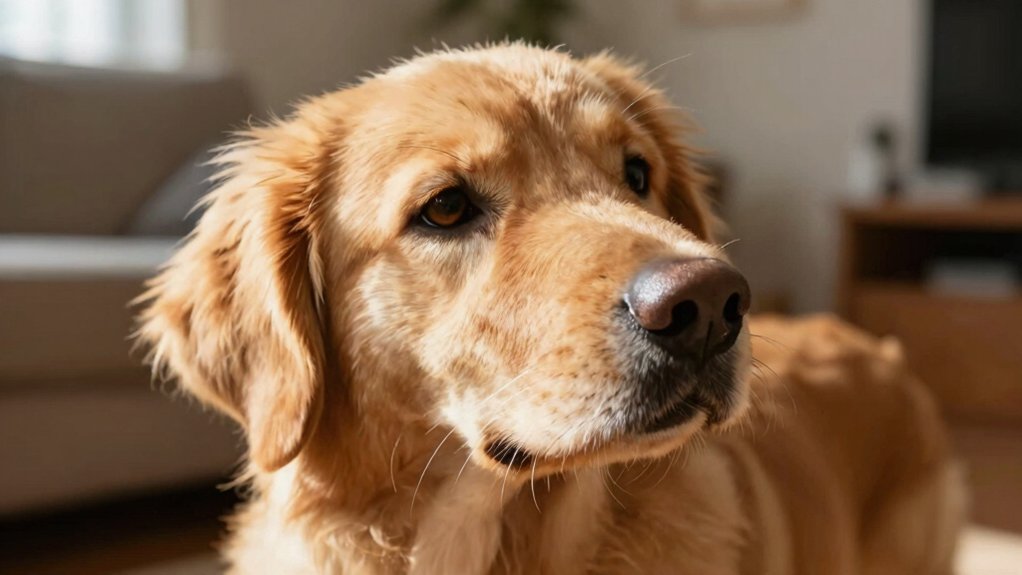
When you talk, your dog may tilt its head to catch your words better, spot your mouth, and figure out what you mean—cute, right? That floppy little move can show focused listening, curiosity, and even a dog’s attempt to track a familiar cue like “fetch” or “treat.” But if the tilt is sudden, constant, or comes with wobbling or vomiting, call your vet. There’s more going on than meets the eye!
Disclosure: This post may contain Amazon affiliate links, at no extra cost to you. Content on Pawtangle is created with research support from AI tools and carefully reviewed, edited, and fact-checked by the lead author, Dr.Fahri Pat , to ensure accuracy and reliability. Learn more
Key Takeaways
- Dogs tilt their heads to better catch and localize the sounds of your voice.
- Tilting can improve their view of your mouth and lower-face speech cues.
- It often shows focused attention, curiosity, and an effort to understand what you mean.
- Rewarding the tilt with praise or a treat can reinforce engaged listening during training.
- If head tilting is sudden, frequent, or paired with balance problems, it may signal a health issue.
Why Dogs Tilt Their Heads
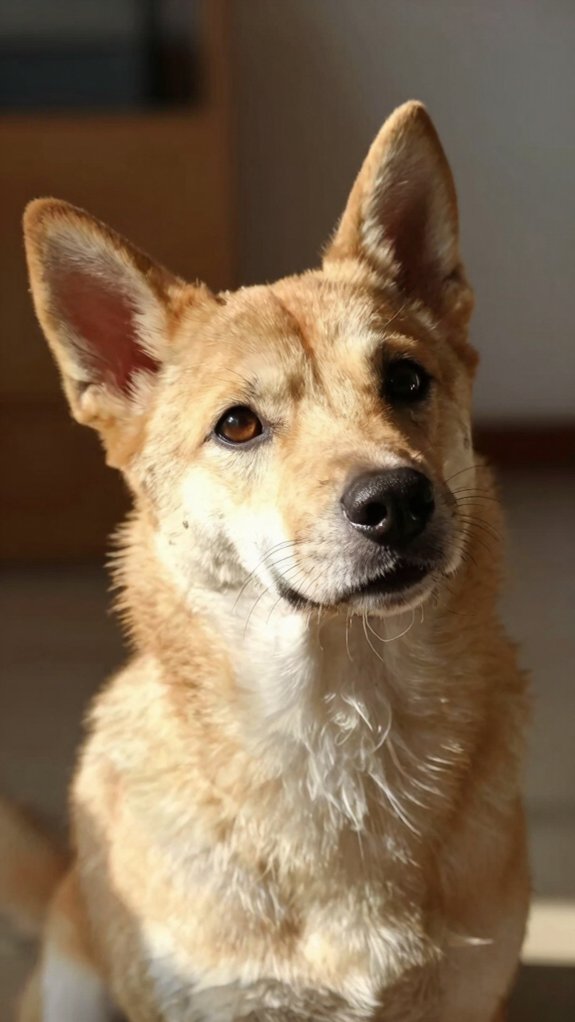
You might notice your dog tilts their head when you talk, and that little move helps them distinctly catch sounds better, since their ears and head position can make it easier to find where your voice is coming from.
It can also help them read your face a bit more clearly, especially the mouth, which is pretty handy when you’re saying, “Do you want a treat?”!
And here’s the fun part, that head tilt can also show they’re super focused, like they’re thinking, “Okay, human, I’m listening!”
– Sound processing
Dogs often tilt their heads when they’re trying to make sense of a sound, and it’s more than just a cute “what did you say?” pose!
When you wonder about Why dogs headbang, think sound processing: their movable ear flaps help catch and localize your voice, almost like a tiny hearing map.
That hearing range expansion lets them notice odd or exciting noises you’d miss, so they lean in and listen hard.
In an Animal Cognition study, dogs tilted more during fetch requests, and gifted word learners did it 43% of the time.
– Facial recognition
Ever notice how a head tilt can look less like “huh?” and more like “wait, I’m trying to read your face!” Dogs may be doing just that, because tilting can help them see your mouth and lower face more clearly, where a lot of speech clues show up.
When your lower face gets blocked, even by a fist at muzzle level, that little angle can improve the view.
Pretty clever, right?
Breed differences matter too: dogs with larger muzzles often tilt more than flatter-faced dogs, likely because muzzle geometry changes what they can see.
In one survey, 71% vs 52% tilted often, which really stands out!
– Attention focus
When a dog tilts its head during your chatter, it’s often not just doing a cute little “hmm?” pose, it’s locking in on what you’re saying. You’re seeing attention focus in action, and that’s pretty awesome!
- It helps your dog catch meaningful words, like fetch or treat.
- In one study, gifted word learners tilted 43% of the time, while others did it only 2%.
Sleepy Yawning or Tail Wagging can happen too, but head tilts show your dog’s mind is tuned in.
What This Behavior Indicates
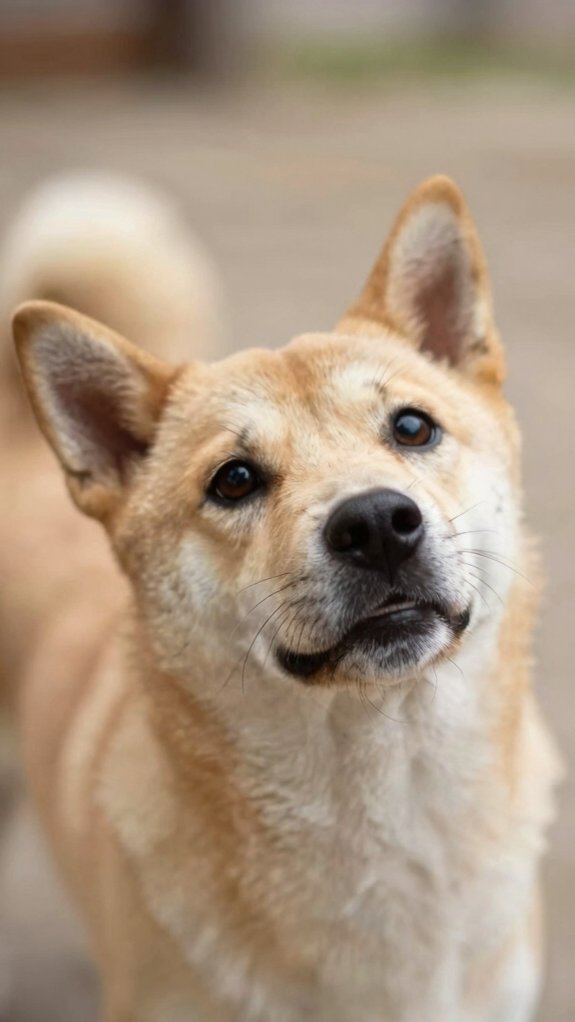
When your dog tilts their head, you’re often seeing curiosity at work, like they’re trying to catch every funny word or sound you make—pretty sharp, right?
It can also show real attention, because your pup may be tuning in to your voice and matching your mood, almost like saying, “I’m listening!”
And sometimes, that little head tilt is an emotional response, a sweet signal that your dog feels connected to you and wants to understand what’s going on.
– Curiosity
When your dog tilts their head, they’re often trying to understand what you just said, especially if your voice sounds new, interesting, or a little mysterious.
It’s like they’re saying, “Hang on, let me catch that!”—and that focused pause can be a big clue that curiosity is at work.
In many cases, they’re not being silly at all, they’re just listening hard and trying to make sense of the moment.
Trying to understand
Why do dogs do that adorable little head tilt? You’re seeing curiosity at work, like your pup’s brain saying, “Wait—what’s that signal from humans?
- Listening for a word meaning hunting, or fetch!
- Focusing on new sounds, so they can understand you better.
- Showing they’re trying to decode your speech, just like a buddy figuring out a joke.
It’s a small, sweet sign they’re trying to understand.
– Engagement
When your dog tilts their head while you talk, it often means they’re listening closely, not just looking cute for the camera—though honestly, they do nail that part too!
In one study, dogs did this most during verbal fetch requests, especially when they knew the words, which suggests they were paying attention to what you said.
Listening closely
Dogs don’t just cock their heads for looks—they’re often tuning in hard, almost like they’re leaning closer to catch every word! Your dog shows active hearing and speech comprehension when a familiar command sparks that cute tilt.
- You’ll see sharper focus.
- You may feel closer together.
- Gifted word learners do it most, 43% versus 2%!
If it’s constant, check your vet.
– Emotional response
When your dog tilts their head at you, it can be a happy little sign that they’re trying to make sense of your words, your tone, and even your face—pretty clever, right?
If you smile, use a cheerful voice, or give a treat right after, you’re using positive reinforcement, and your dog may start linking that “huh?” moment with good stuff.
And here’s the fun part: the more meaningful your cue sounds, the more likely that head tilt is your dog’s way of saying, “I’m listening!”
Positive reinforcement
Often, a little head tilt is your dog’s way of saying, “I’m listening!” That sweet crooked look isn’t just cute, it can be an emotional response to your voice, your face, and the whole back-and-forth of talking with you.
- Smile, praise, or treat.
- Keep reward timing quick.
- Stay steady with behavior consistency.
Soon, your pup may tilt more, because that thoughtful look gets noticed and feels great.
When Head Tilting Signals a Problem
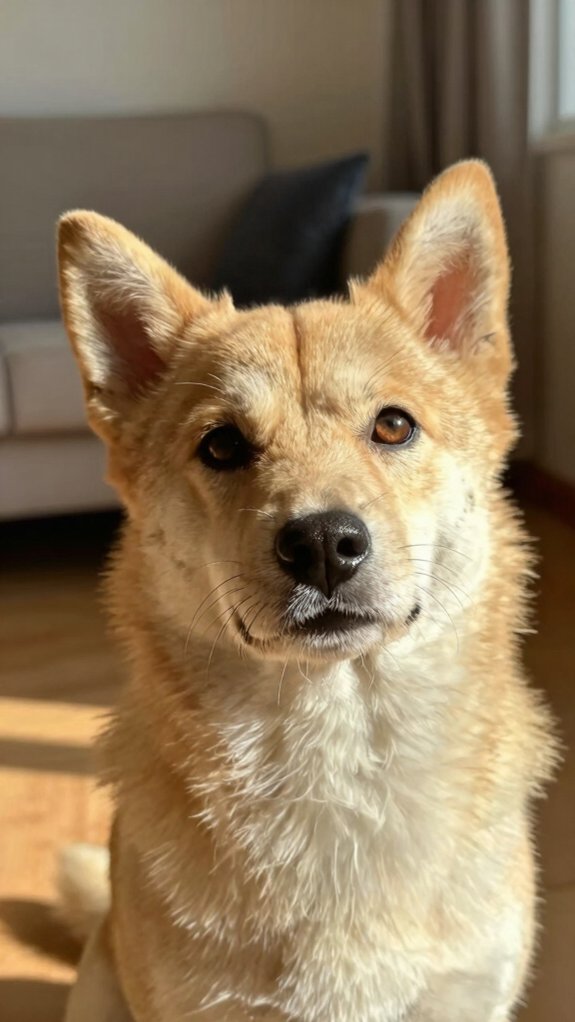
If your dog starts tilting their head over and over, especially when nothing’s going on around them, that’s a clue something may be off, not just a cute little habit!
Watch closely if you see balance trouble like stumbling, circling, or wobbly steps, because that can point to a bigger issue.
Ear infections are a common culprit too, so if the tilt comes with head shaking or ear scratching, it’s time for a vet visit, pronto.
– Frequent tilting
Ear trouble is one common culprit, and it can be surprisingly annoying; an ear infection can cause pain or itching, so your dog may keep tilting even when the room is quiet and nothing special is happening.
- If the tilt shows up often, watch for a pattern, not just cute moments.
- Try playtime games and training tips to see whether it still happens without sound cues.
- If the head stays cocked, or it looks different from your dog’s usual style, call your vet.
Frequent tilting can hint at ear, inner-ear, vestibular, or nerve trouble, and a quick check helps your buddy stay comfy and safe!
– Balance issues
With a wobbly step and a tilted head, your dog might be telling you this is more than a cute quirk!
If the tilt sticks around with no sound, face, or cue to explain it, watch closely.
When your pup can’t keep steady, circles, stumbles, drools, or vomits, that’s not quirky body language, it’s a red flag.
Sudden changes, worse frequency, or odd eye contact can point to balance trouble or even a neurological issue.
Don’t shrug it off as “just listening.”
Trust your gut, call your vet, and keep your buddy safe, comfy, and on the path back to wagging.
– Ear infections
Sometimes a cute head tilt is really your dog’s way of saying, “Hey, something hurts in here!”
Ear infections can make a pup tilt its head to ease pressure, scratch at the ear, or just try to feel a little less miserable, and you might also notice redness, swelling, or a funky discharge that doesn’t belong anywhere near a happy dog.
- Check the ear for odor, wax, or yikes-level gunk.
- Keep Grooming comfort gentle, since poking can sting.
- Ask your vet about Pain management and treatment.
If the tilt sticks around, worsens, or comes with balance trouble, you’re not seeing “cute” anymore—you’re seeing a vet visit!
How to Respond to This Behavior
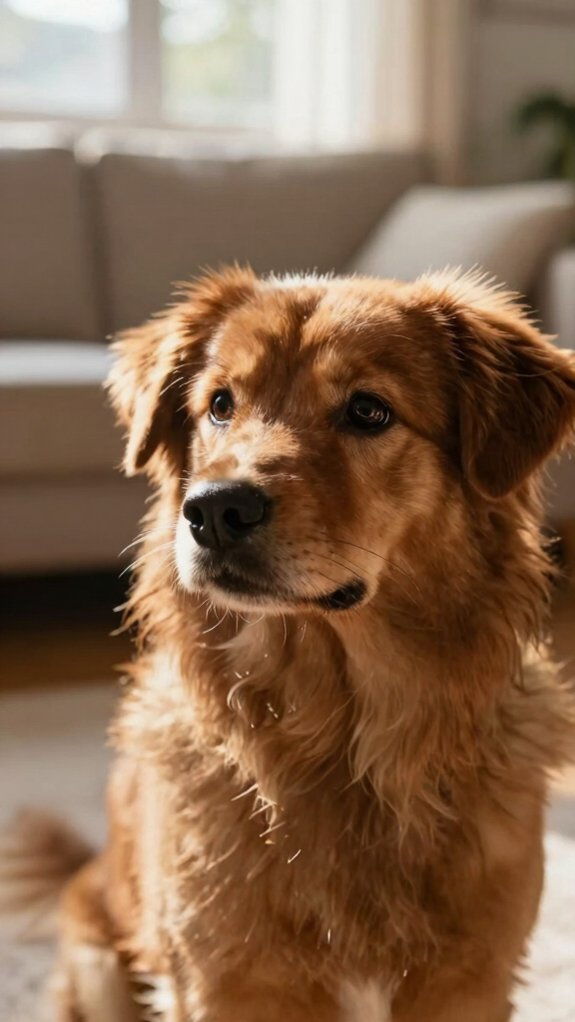
When your dog tilts their head, treat it like a little “I’m listening!” moment, and reward that cute focus with a smile, praise, or even a tiny treat.
Keep your words clear and pair them with simple hand gestures, because dogs often pick up the full message when they can see your face too—yes, your best “talking to the dog” face matters!
If the tilting suddenly changes, keeps happening without a clear reason, or shows up with other odd signs, keep an eye on it and book a vet check, just to be safe.
– Positive reinforcement
If your dog naturally gives you that adorable little head tilt while you’re talking, reward it right away with a happy “yes!”, a treat, or some praise so your pup starts connecting your words with something good.
- Keep Reward timing tight, within a second, so the message sticks.
- Try gradual shaping: praise the tilt, then add a cue later.
- Watch for patterns, because some dogs tilt during chat like tiny language nerds!
A Hungarian study found gifted word learners did this 43% of the time, so your consistent rewards can turn cute curiosity into focused listening.
If tilting seems odd, skip training and ask your vet.
– Clear communication
Clear communication starts with noticing what your dog is trying to tell you, and that little head tilt often means, “Hmm, I’m processing this!” So, keep your tone warm, reward that calm, curious look right away with praise or a tiny treat, and pair your words with a clear gesture, like pointing to the toy or spot you mean.
That combo gives your dog Confidence building cues and makes training session consistency easier, too. Speak with your face visible, at a comfy distance, so your pup can catch those mouth clues.
Nice and easy, right? Over time, your messages feel clearer, your dog feels included, and learning starts to click!
– Monitor changes
A little head tilt can be totally adorable, but it’s smart to keep an eye on the pattern, not just the pose! If your pup tilts only when you talk, then snaps back, that’s usually normal listening.
Still, watch patterns and document frequency so you know what’s typical for your buddy.
- Track when it happens, and what you said.
- Notice balance trouble, eye flicks, drooling, or vomiting.
- Check for scratching, shaking, pain, or discharge.
If the tilt feels new, frequent, or weird, call your vet.
Fun fact: some word-savvy dogs tilt way more during requests—pretty clever, huh!