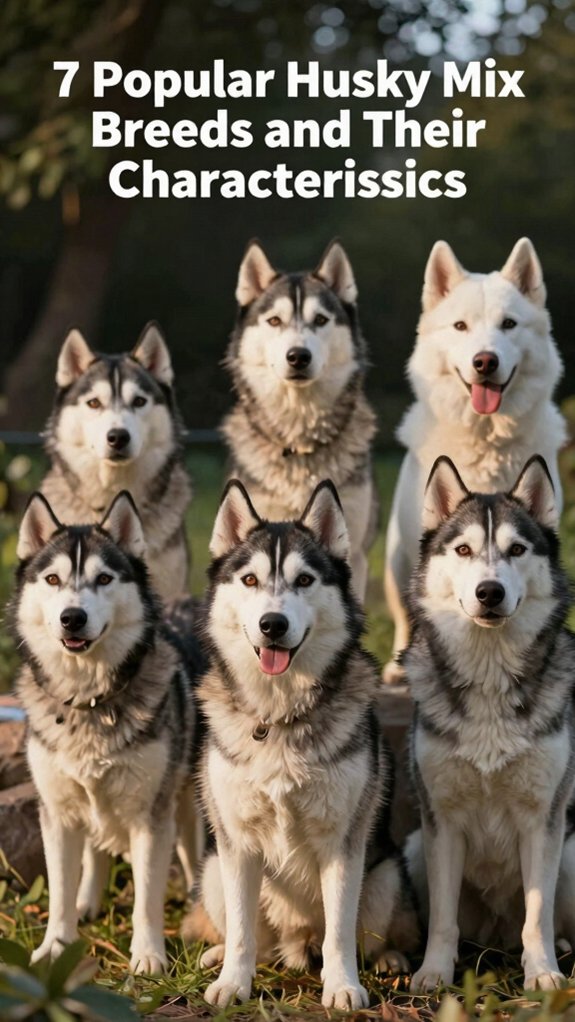
Husky mixes pack that iconic wolf-dog energy into breeds ranging from tiny Pomskies to massive Labskies, each with wildly different exercise demands and shedding levels. Goberians charm families with friendliness, Shepskies challenge experienced handlers with stubborn intelligence, and Alaskan Klee Kais deliver husky looks in compact ten-to-twenty-pound frames. Before committing, expect midnight zoomies, lint-roller dependency, and 1–2 hours daily of serious exercise for most breeds. Health screenings matter hugely—hip dysplasia, heart issues, and obesity lurk behind those fluffy coats.
Disclosure: This post may contain Amazon affiliate links, at no extra cost to you. Content on Pawtangle is created with research support from AI tools and carefully reviewed, edited, and fact-checked by the lead author, Dr.Fahri Pat , to ensure accuracy and reliability. Learn more
Key Takeaways
- Goberian, Shepsky, and Labsky are large husky mixes requiring 1–2+ hours daily exercise and heavy grooming commitment.
- Pomsky and Alaskan Klee Kai offer compact husky alternatives for owners with smaller living spaces and lower exercise capacity.
- All husky mixes demand early socialization, positive reinforcement training, and mental enrichment to prevent destructive behaviors.
- Heavy shedding is universal across husky mixes; invest in de-shedding tools, frequent brushing, and robust vacuum equipment.
- Pre-adoption health screenings for hip dysplasia, heart issues, and eye conditions are essential before committing to any husky mix.
Goberian: The Friendly, Family-Ready Athlete
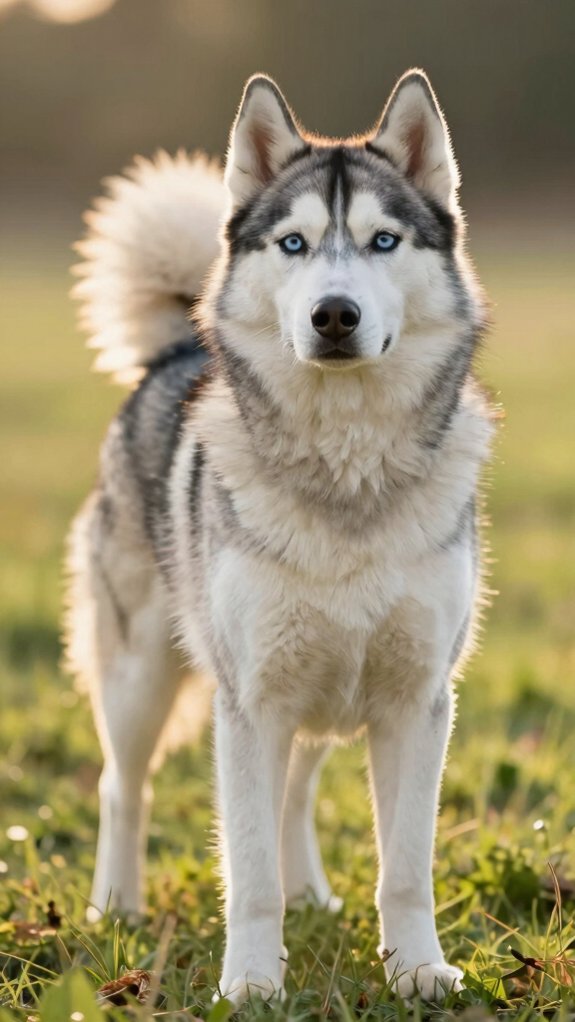
You’ve probably noticed it—that moment when your dog hits what I call the “midnight zoomies,” sprinting through your house like a furry tornado for no apparent reason. That’s the Goberian in action.
This Golden Retriever–Siberian Husky mix packs serious energy into a medium-to-large frame. Expect 60–90 minutes of daily exercise or watch the chaos unfold. Their fluffy double coat demands consistent coat care—brushing twice weekly prevents matting and manages heavy seasonal shedding.
Socially friendly with kids and people, they still need early socialization tips and positive training to manage independent Husky streaks. Choose reputable breeders who screen for joint dysplasia and heart issues.
Shepsky: High-Drive Dogs for Active Owners
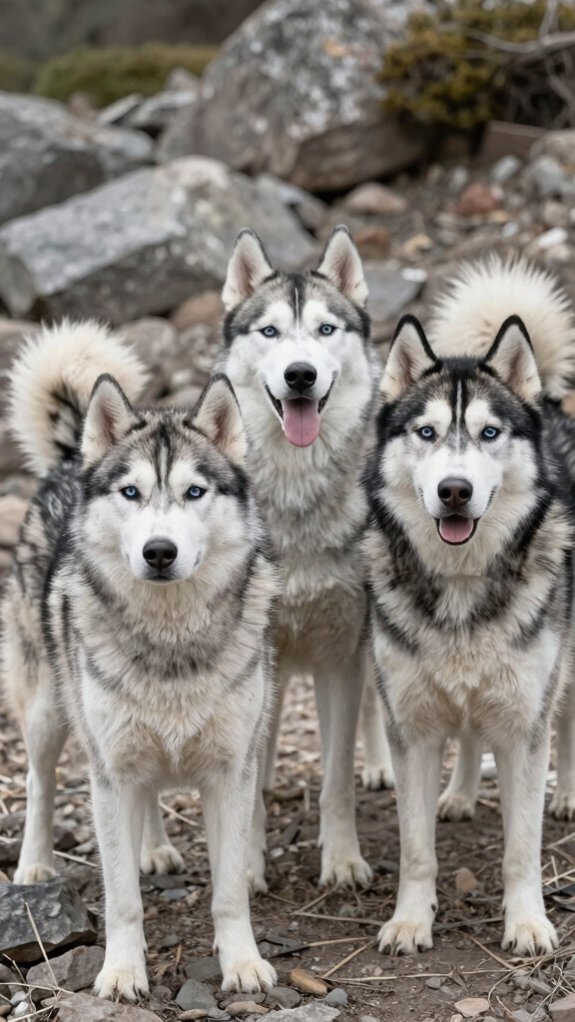
If the Goberian’s midnight zoomies seemed intense, meet their more serious cousin—the Shepsky. These German Shepherd and Siberian Husky mixes demand serious exercise routines: think 1–2 hours daily of running, training, or agility work. Skip this, and you’re funding a furniture demolition project.
Their intelligence is real, but stubbornness runs deep. Consistent, reward-based training wins them over. Daily grooming schedule isn’t optional either—these dogs shed like they’re personally filling every lint roller in your house.
Early socialization matters hugely with their protective, prey-driven instincts. Get it right, and you’ve got an unstoppable partner. Mess up, and well, you’re calling the trainer.
Labsky: Playful Retrievers With Marathon Stamina
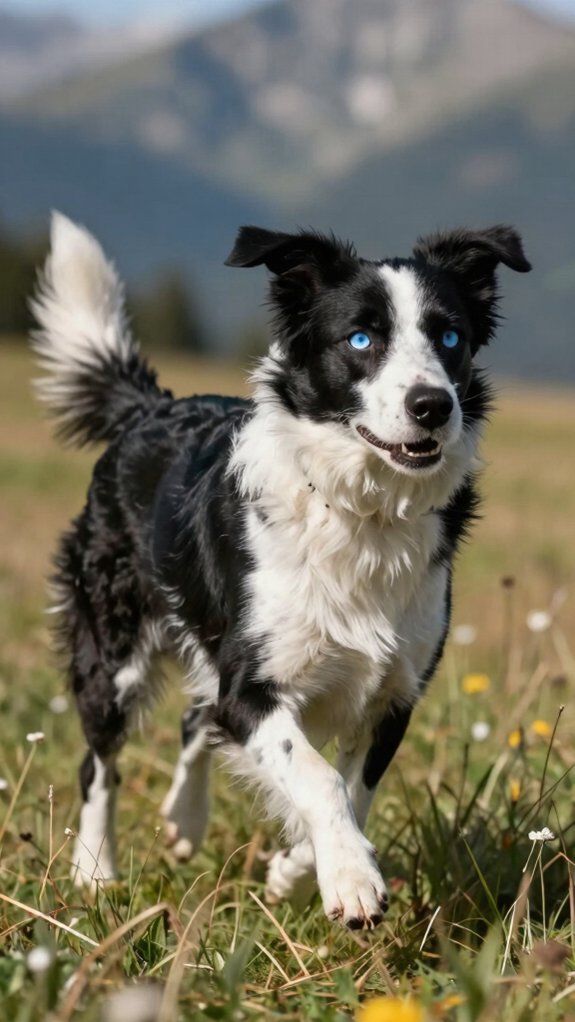
Most people don’t realize they’re signing up for a canine ultramarathoner when they bring home a Labsky—that spirited cross between a Labrador Retriever and a Siberian Husky. These medium-to-large dogs weigh 55–80 pounds and demand 1–2+ hours of daily exercise. They inherit the Labrador’s legendary retriever instincts with the Husky’s tireless endurance, making them perfect for water retrieval adventures and endurance games like long hikes or swimming sessions. Their dense double coat requires frequent brushing. Mental stimulation prevents destructive behavior. Watch for hip dysplasia and obesity through balanced nutrition and vet screenings.
Pomsky: Big Energy, Tiny Package
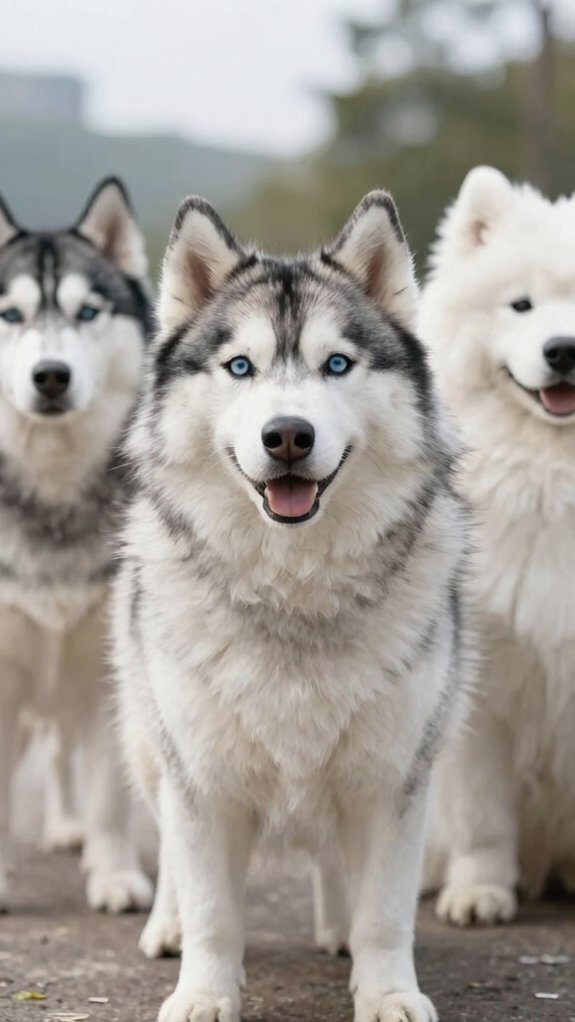
When a Pomsky decides that 3 a.m. is playtime and your apartment becomes their personal racetrack, you realize real quick that this tiny fluffball inherited the Husky’s limitless energy—not the Pomeranian’s chill vibes. I’ve seen owners genuinely shocked when their pocket-sized pup demands two-hour hikes and gets destructive if left alone (hello, chewed-up couch corners and shredded throw pillows). The trick isn’t fighting their spirited nature; it’s channeling that big personality into training and daily exercise, because an under-stimulated Pomsky becomes a creative escape artist and professional furniture vandal faster than you’d think.
Energy Meets Small Size
Envision this: it’s 11 p.m., and your ten-pound furry friend is launching himself off the couch like he’s training for an Olympic sport—welcome to life with a Pomsky. These pint-sized pups pack Husky-level energy into compact bodies, demanding 30–60 minutes of daily exercise routines to burn off steam. Skip that commitment, and expect destructive chaos or constant howling. Your grooming needs multiply too—their fluffy double coats shed heavily and require brushing several times weekly. The payoff? A spirited companion who thrives with structure and activity. Plan accordingly, and you’ll have one genuinely happy, less-vocal friend.
Training Independent Spirits
Your ten-pound Pomsky just destroyed your favorite shoe—again—and you’re wondering if such a tiny dog really needs the same training intensity as a full-sized German Shepherd. The answer is yes.
Those stubborn genes from both parent breeds run deep. Early socialization before sixteen weeks cuts excessive barking and fear-based independence dramatically. I’ve seen it work countless times.
Consistent boundaries matter most. Short, positive training sessions beat long lectures—Pomskies zone out fast. Keep it fun with puzzle toys between sessions.
The real secret? Structure wins. Daily exercise, firm rules, and early socialization transform tiny troublemakers into confident companions who actually listen.
Alaskan Klee Kai: Husky Look, Compact Size
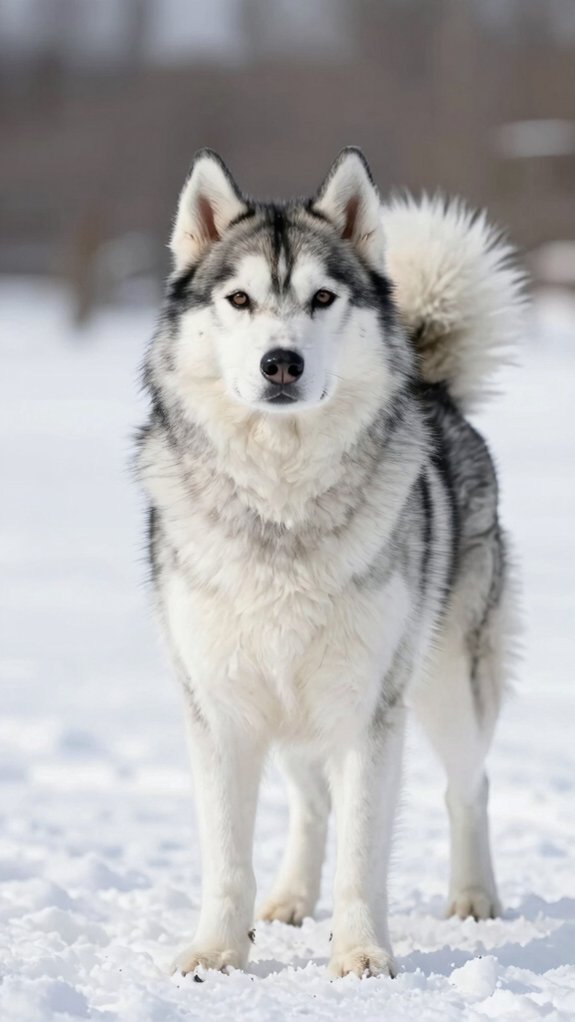
For anyone who’s fallen head over heels for those striking husky eyes and perky ears but lives in an apartment (or just doesn’t want to vacuum husky-sized tumbleweeds daily), the Alaskan Klee Kai might be the answer you’ve been waiting for.
Developed in the 1970s, these 15–22-pound pups deliver authentic husky charm in a compact package. Their double coat requires regular coat maintenance through brushing, though shedding is noticeably less dramatic than full-size huskies. Despite their small stature, Klee Kais possess high intelligence and athleticism demanding daily walks and mental enrichment activities like agility or nosework. Without proper stimulation, these clever dogs transform into mischief-making entertainers.
Huskita: Protective & Stubborn
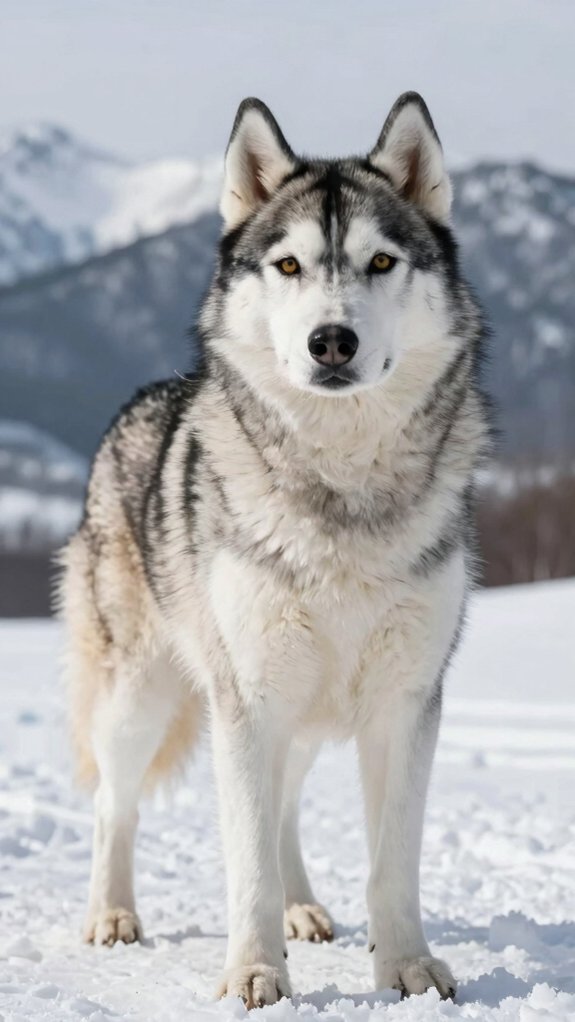
The Huskita brings together the Akita’s serious protective streak with the Husky’s stubborn independence—think of a dog who decides *you* need protecting from the mailman at 6 a.m. (complete with dramatic howling). Managing this bundle of strong opinions requires confident, experienced handlers who can establish clear leadership without backing down, because these dogs will absolutely test your resolve. The payoff? A fiercely loyal companion who actually takes their job of watching over you seriously, not just as a cute character trait.
Strong Protective Instincts
Guarding the house at 2 AM because a leaf blew past the window—that’s often what living with a Huskita feels like. These dogs inherit serious protective instincts from their Akita side, making them natural guardians who watch everything closely.
You’ll notice territorial signaling through constant alertness and loud howling that honestly works great as a burglar deterrent. The challenge? Managing that protective edge so it doesn’t cross into aggression.
Stranger desensitization during puppyhood is non-negotiable. Early socialization and reward-based training help channel guarding instincts productively. Without consistent leadership, these stubborn pups can become overprotective—definitely a job for experienced owners.
Managing Stubborn Behavior
Watching a Huskita ignore a direct command—especially when they’re eyeing the neighbor’s cat—teaches you something real quick: stubbornness paired with protective instincts creates a training puzzle that demands respect, not shortcuts.
Here’s what actually works:
- Set clear boundaries daily through consistent routines and firm expectations
- Use reward consistency—same treats, same praise timing, every single session
- Channel stubbornness into focus with mentally challenging tasks like scent work
Short, focused training sessions beat marathon efforts. Huskitas respond when they trust you’re leading, not just commanding. Pair positive reinforcement with structure, and that independent streak becomes your secret weapon—not your nemesis.
Preparing for a Husky Mix: What You Need First
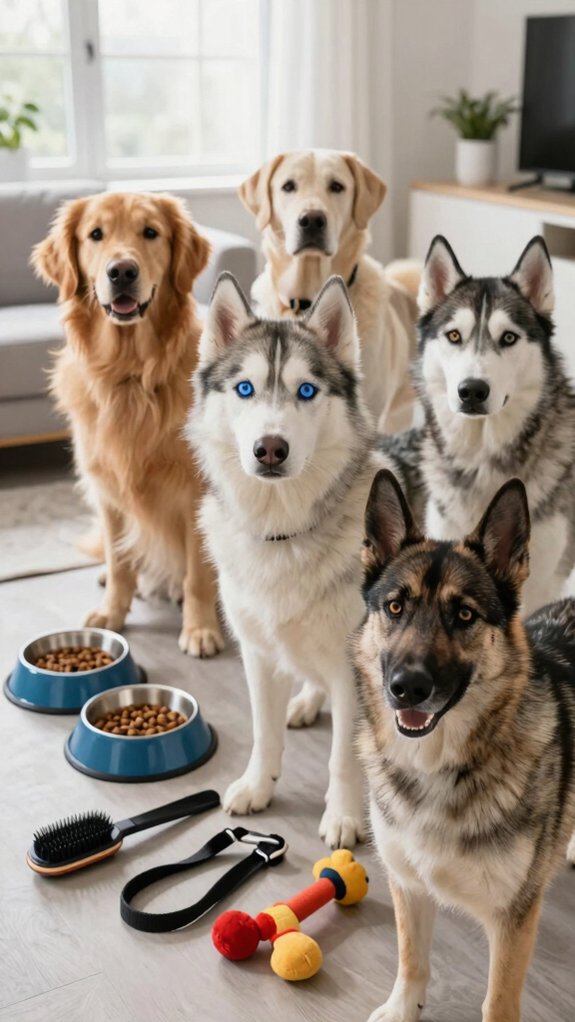
Before you bring home that adorable husky mix puppy, trust me—your life is about to change in ways you can’t quite imagine yet. Home readiness means puppy-proofing every corner: secure cables, remove toxic plants, and stash those shoes. Stock mental enrichment toys—puzzle feeders and KONGs—because boredom triggers destruction. Grab exercise gear (leashes, vests) for 60–120 daily minutes of activity. Schedule a vet screening with health clearances for hip scores, eye exams, and cardiac checks before committing. Invest in grooming supplies early; those midnight zoomies and heavy shedding start immediately. Preparation prevents chaos and builds that lasting bond.
Frequently Asked Questions
What Are the Most Common Health Issues Found in Husky Mixes Across All Breeds?
Hip dysplasia, eye conditions, and hypothyroidism frequently affect husky mixes. Responsible owners recommend genetic testing before breeding to identify predispositions. Regular coat care and veterinary checkups help guarantee these beloved companions thrive within the husky-loving community.
How Much Do Husky Mix Puppies Typically Cost From Reputable Breeders?
Reputable breeders typically charge husky mix puppies between $500 to $2,000, depending on lineage and location. Prospective owners seeking community often find affordable options through adoption events, which offer wonderful companions while supporting fellow animal lovers united in rescue efforts.
At What Age Do Husky Mixes Reach Their Full Adult Size and Temperament?
Curiously, one might expect these energetic pups to settle down quickly, yet most husky mixes reach full adult size by eighteen months. Their growth timeline mirrors their behavioral milestones, with emotional maturity arriving later, around three years—perfect for those joining the devoted husky community.
Can Husky Mixes Adapt Well to Apartment Living or Hot Climates?
Husky mixes typically struggle with apartment adjustability and heat tolerance due to their thick coats and high energy levels. However, with dedicated exercise routines, proper cooling solutions, and understanding owners, these spirited companions can thrive in various living situations where their needs are genuinely prioritized.
How Do I Identify a Responsible Breeder Versus a Puppy Mill Operation?
Prospective owners fortunately find that responsible breeders willingly ask references and invite visits to facilities. They transparently share health records, breeding practices, and genuinely care about puppy placement within their community-minded network.