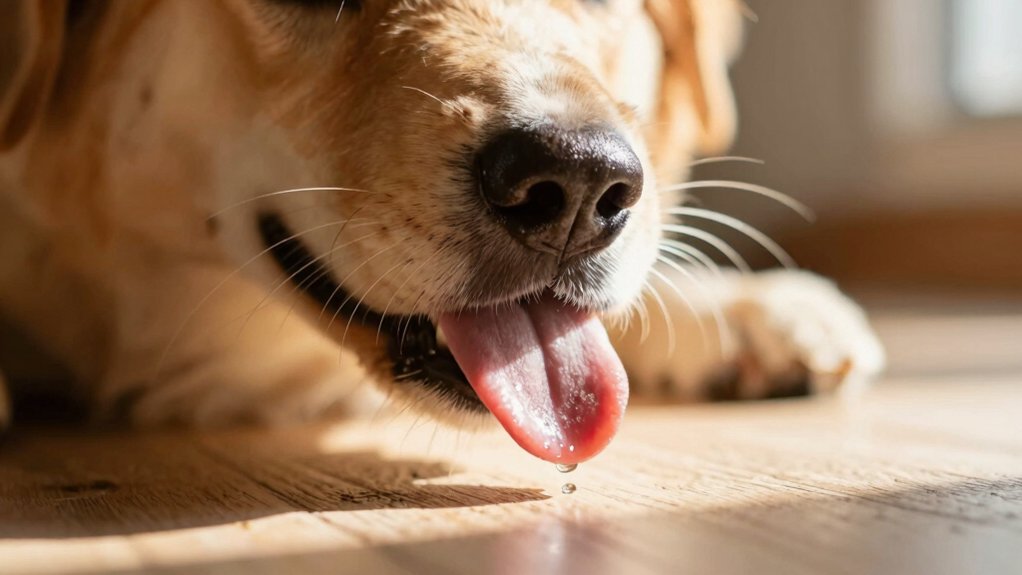
Your dog keeps licking everything because it’s exploring, self-soothing, and sometimes asking for attention—yep, that includes your hands, floors, and mystery couch spots! Puppies use their mouths to learn, and older dogs may lick more when they’re bored, stressed, or excited about food. If the licking suddenly ramps up, or comes with redness, sore skin, or bad breath, check with your vet first. With a few simple tricks, you can spot what’s driving it next.
Disclosure: This post may contain Amazon affiliate links, at no extra cost to you. Content on Pawtangle is created with research support from AI tools and carefully reviewed, edited, and fact-checked by the lead author, Dr.Fahri Pat , to ensure accuracy and reliability. Learn more
Key Takeaways
- Dogs lick everything to explore smells, textures, and tastes, especially as a natural puppy habit.
- Licking can show affection, communication, or attention-seeking when dogs learn it gets a response.
- It may also be a self-soothing behavior linked to boredom, anxiety, stress, or changes in routine.
- Excessive licking can signal hunger, anticipation, allergies, skin irritation, dental pain, or other medical problems.
- Reduce licking with more exercise, mental stimulation, consistent routines, and veterinary checks if it becomes persistent.
Why Dogs Lick So Much
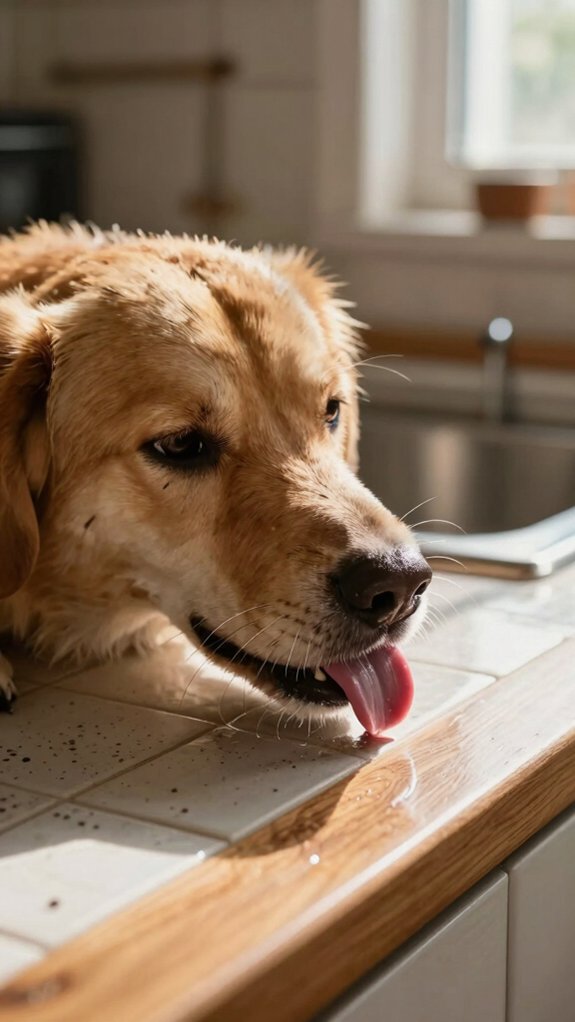
Your dog’s nonstop licking usually starts with plain old instinct, because dogs use their mouths like tiny scanners to check out smells, tastes, and textures around them.
It’s also a big way they “talk” to you, since licking can mean hello, please notice me, or even hey, that snack you dropped was amazing!
And when life feels boring, weird, or stressful, licking can turn into a soothing habit that helps your dog calm down.
– Natural instinct
Dogs lick so much because, for them, licking is a built-in way to figure out the world—especially when they’re puppies! You’ll see this during puppy bonding and scent exploration, when your dog samples floors, toys, and even your hand, like a tiny detective with a wet nose.
That habit can stick around, because licking feels easy and soothing, almost like a comfy reset button after a busy day.
After meals, while resting, or when life feels a little weird, your dog may lick just to settle in.
Cute, right? And yes, those “wet kisses” often mean your pup feels safe with you!
– Communication method
Beyond just being a quirky habit, licking is one of a dog’s main ways to “talk” to you and the world around them!
When your pup gives you wet kisses, they may be showing affection, trust, or respect, like pack communication with their favorite human.
Licking can also be attention seeking, because if you laugh, pet, or even scold, your dog learns that licking works.
It’s also a quick way to gather scent and taste clues, a little “check-in” about what’s happening nearby.
Before meals, those lip licks may even mean, “Hey, food’s coming!”
– Self-soothing behavior
Licking isn’t just a “hello” or a snack-time hint, either—sometimes it’s a dog’s built-in chill button!
When life feels shaky, you may see your dog lick and lick to calm down, kind of like people biting nails.
Thunderstorms, being alone, or changes in routine can spark those licking triggers, and boredom can make it worse.
If you keep responding, your pup may learn that licking works, so the habit sticks.
Watch for the same spot, agitation, or compulsive pacing, because that points to stress.
Help by easing the trigger, adding play, and giving your buddy better comfort.
Common Reasons Behind Licking
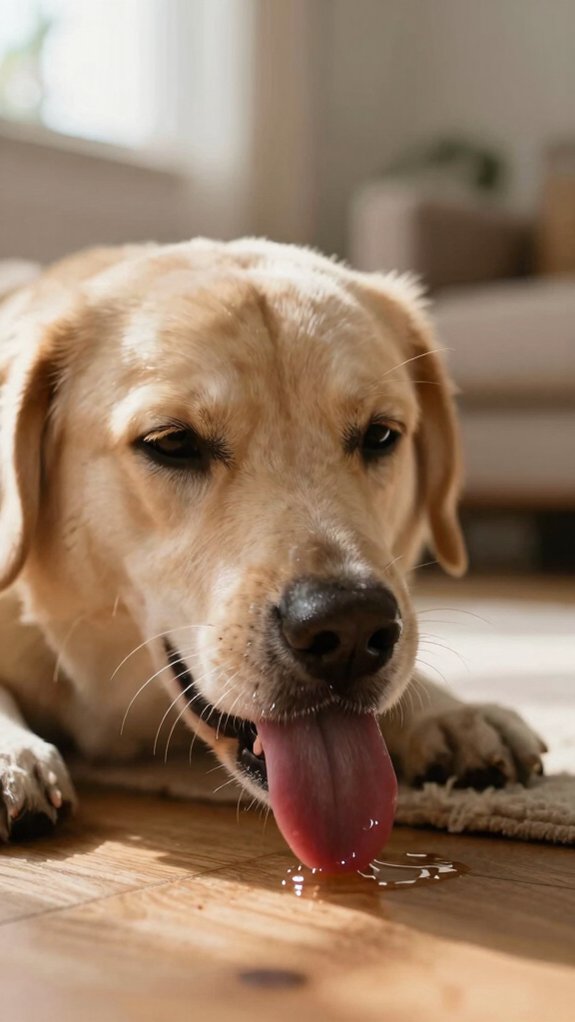
Your dog might be licking everything because it’s bored, and that extra tongue action can be its way of saying, “Hey, entertain me!”
Sometimes anxiety plays a part too, since licking can feel soothing when your routine changes or you leave the room.
And of course, some things just taste interesting—your pup may be following its nose, its tongue, and a little bit of pure curiosity!
– Boredom
When your dog doesn’t get enough to do, that extra energy has to go somewhere, and licking can become the “I’m bored!” button.
You might notice it more on lazy days, when walks are short, toys are ignored, or there’s not much sniffing and exploring going on.
And here’s the sneaky part, this idle-time licking can turn into a habit fast, because it keeps your dog busy and calms them down a bit.
Lack of stimulation
A bored dog can turn licking into a full-time hobby, especially if something in the routine has changed, like fewer walks, less playtime, or a new home schedule that leaves more empty hours.
| Clue | What it means |
|---|---|
| Same spot | Habit, not curiosity |
| Idle times | Needs more fun |
| More licking | Try soothing routines, chew alternatives |
Add play, training, and chews—wow, your buddy may relax fast!
– Anxiety
When you’re stressed, your dog can start licking floors, furniture, or even their paws as a weird little self-soothing move—yep, it’s a stress response!
You might notice it flare up during noisy storms, a new schedule, or when you leave, and it can seem hard to stop once it gets going.
If it looks sudden, nonstop, or a bit compulsive, that’s a big clue that anxiety may be in the mix, so it’s worth paying attention.
Stress response
If your dog suddenly turns into a little lick machine during a thunderstorm, a big routine change, or the moment you grab your keys, stress could be the reason! | Trigger | Lick clue |
| — | — |
|---|---|
| Noise | rapid licking |
| Leaving | anxious pacing |
| Alone | calming signals |
| Attention | attention seeking |
| Ongoing | compulsive grooming |
That’s environment exploration gone sideways, and habit formation can kick in fast. If skin gets sore, call your vet for help!
– Taste and curiosity
Your dog doesn’t just lick things for no reason, because that little tongue is one of the main ways they examine the world—kind of like a built-in sniff-and-taste tool!
When your pup licks a floor, wall, or even your hand, they may be checking out new smells, textures, or tiny bits of flavor, and yes, that includes random salty spots after a workout.
Pretty funny, right?
What seems weird to you can feel like a full-on investigation to your dog, and that’s where the curiosity kicks in!
Exploring environment
Around the house, licking is one of the main ways dogs “read” the world, because their noses and tongues work like built-in detective tools!
Your pup does Texture based investigation and scent uncovering on tile, carpet, and furniture, tasting crumbs, sweat, and tiny spills.
- Curious?
- Hungry?
- Puppy?
- Checking?
- Repeat spots can hint at trouble.
When Licking Becomes a Problem
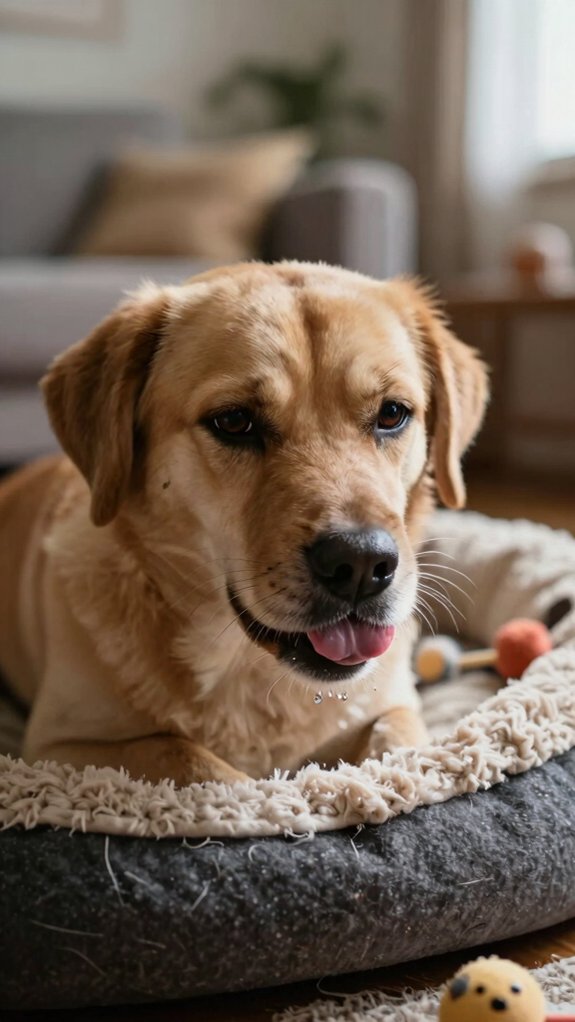
If your dog keeps licking the same spots all day, or starts licking way more than usual, that’s a red flag, not just a quirky habit.
Watch for irritated skin, paw chewing, or those weird little “can’t-stop” licking marathons, because they can point to discomfort, anxiety, or even an itchy problem like allergies.
And if the licking looks obsessive, especially on paws, furniture, or walls, it’s time to call your vet—better safe than sorry, and way less messy!
– Excessive frequency
- It’s persistent and repetitive
- It’s hard to interrupt
- It targets one new spot fast
- It ramps up during stress
- It deserves a vet check
That kind of excessive frequency can hint at itching dermatitis, environmental triggers, anxiety, or a medical issue.
If your dog suddenly fixates, don’t shrug it off—your pup’s trying to tell you something!
– Skin irritation
Sometimes licking starts as a tiny itch and turns into a full-on scratch-fest, especially when your dog’s skin is irritated by fleas, allergies, or a sore spot they just can’t leave alone.
You might notice paws, belly, armpits, or the base of the tail getting all the attention—ugh, there goes the peace and quiet!
Contact dermatitis, a fungal infection, redness, hair loss, or hot spots can make your dog lick for quick relief, but that tongue can worsen the trouble.
If you see sores, bald patches, or rump-rubbing, call your vet fast, so you can help your buddy feel comfy again.
– Obsessive behavior
Not all licking is about a sore paw or itchy skin, and that’s where things can get a little sneaky! You might be seeing obsessive behavior, where your dog keeps licking the same spot, again and again, until it starts to disturb daily life.
- stress, boredom, or loud noises can trigger it
- attention seeking may keep it going
- grooming overindulgence can turn into a habit
- sores or hair loss can make it worse
- a vet should check for pain or allergies
If you notice this pattern, don’t brush it off, friend—getting help early can stop the cycle and keep your pup comfy!
How to Reduce Excessive Licking
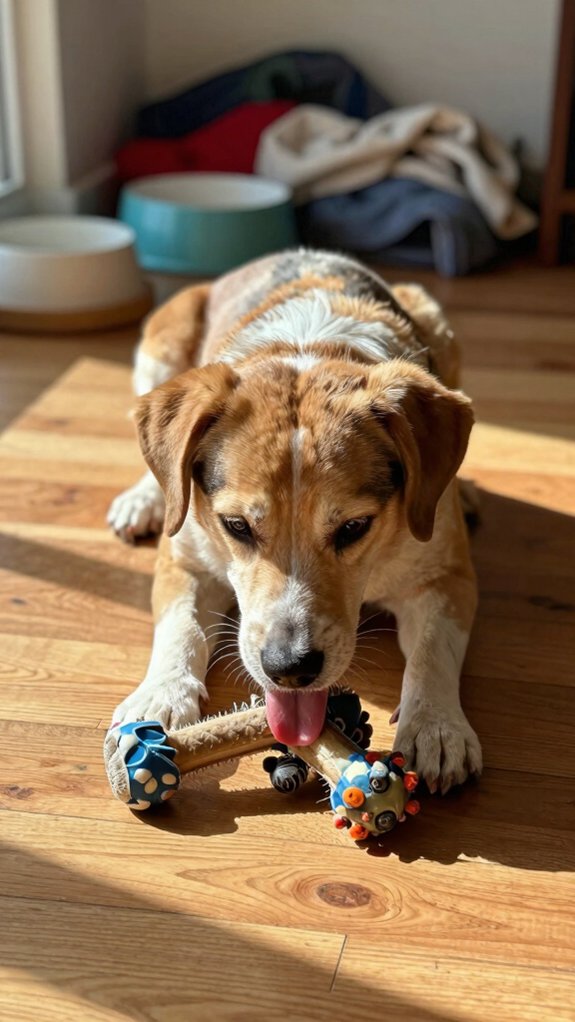
To cut down on excessive licking, you can start with more mental stimulation, like puzzle toys, sniff walks, and quick training games that give your dog’s brain something better to do—fewer tongue laps, more tail wags!
Next, try training redirection by offering a chew toy or treat as soon as the licking starts, and praise calm behavior so your dog learns what pays off.
A steadier routine with regular walks, meals, and play can also help, because when your dog knows what’s coming, there’s less room for bored or stressy licking.
– Mental stimulation
A bored dog can turn licking into a full-time hobby, and wow, that can get old fast! You can fix a lot by giving your pup more mental work, so the day feels full and friendly.
- Do 2–3 short walks or play bursts.
- Try food puzzles for chew enrichment.
- Sprinkle kibble for sensory games.
- Use a simple nose-work box.
- Keep a steady routine.
Short brain games burn energy, lower stress, and make licking less tempting. Mix in calm rewards when your dog settles, and you’ll help them choose better habits. If licking keeps spiking, track patterns and call your vet.
– Training redirection
Keep it simple and consistent, because dogs love a clear routine almost as much as they love food crumbs on the floor. First, rule out pain with an anti itch plan and dentals painchecks; redirection can’t win against discomfort. Then try this:
| Cue | Action |
|---|---|
| Say “leave it” | Offer a chew |
| Give lick urge | Use a frozen mat |
| See boredom | Add a walk |
| Spot licking | Face away |
| Calm moment | Mark, reward |
Keep a quick log, too, so you spot patterns fast. If licking keeps roaring back, bring in your vet or a pro. You’ve got this!
– Routine improvement
If your dog’s licking has suddenly ramped up, or it keeps landing on the same spot again and again, start by ruling out a medical issue first—because allergies, tummy upset, dental pain, or a skin infection can turn licking into a full-time hobby, and not the fun kind!
- Add daily walks or play.
- Try food puzzles, 10–20 minutes.
- Turn away from face licking.
- Reward sitting or chewing.
- Do behavior tracking for 3–7 days, then book vet consultation if it stays intense.
If licking feels tied to alone time, build departures slowly. Small routine wins add up, and your dog gets a calmer, happier groove!