
Growing cat grass indoors is a simple way to add a little greenery to your cat’s environment. With the right seeds, a suitable container, and a little patience, you can grow fresh grass at home without needing a garden. The key is to keep the growing area clean, avoid overwatering, and introduce the grass to your cat thoughtfully.
Disclosure: This post may contain Amazon affiliate links, at no extra cost to you. Content on Pawtangle is created with research support from AI tools and carefully reviewed, edited, and fact-checked by the lead author, Dr.Fahri Pat , to ensure accuracy and reliability. Learn more
If you are also improving your cat’s indoor environment, explore these smart and cozy cat spaces for indoor cats for more ideas on making home life engaging and comfortable.
What Is Cat Grass?
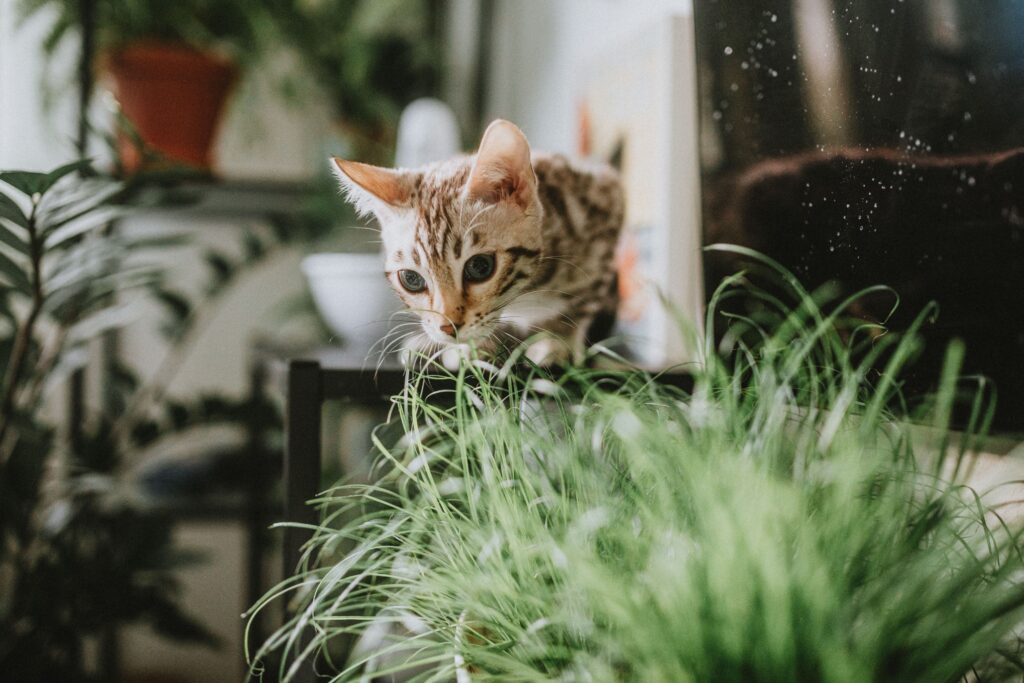
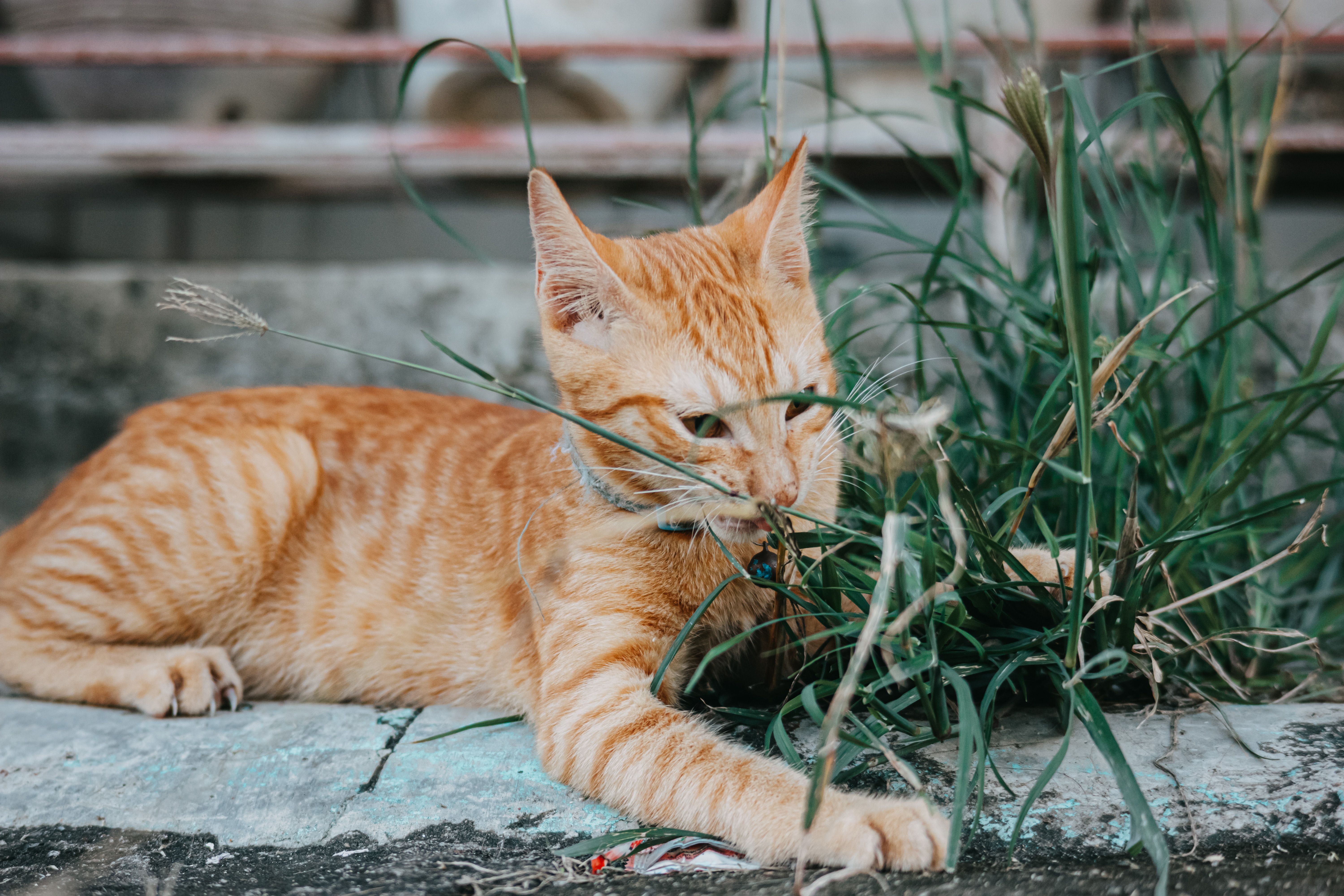
Cat grass is usually young grass grown from seeds such as oats, wheat, barley, or rye. It is different from catnip, which is a separate plant that can produce a behavioral response in some cats. For a helpful overview of cat grass and how it is grown, see PetMD’s guide to cat grass.
Some cats enjoy nibbling on grass, while others show little interest. Cat grass can provide an optional form of indoor enrichment, but it should not replace a complete and balanced cat food. Researchers also have not established one definitive reason why cats eat grass, so it is best not to treat it as a remedy for digestive problems. Texas A&M Veterinary Medicine explains what is known about cats and grass.
What You Need to Grow Cat Grass Indoors
Gather a few basic supplies before planting. Starting with a clean container and suitable seeds makes the process easier to manage.
- Cat grass seeds: Choose seeds intended for growing edible grass for pets, such as oat, wheat, barley, or rye seeds.
- A shallow container: Use a stable pot or tray with drainage holes to help excess water escape.
- Fresh potting mix: Choose a clean growing medium suitable for seed starting.
- Water: You will need enough to moisten the soil without soaking it.
- A bright location: Prepare a spot that receives bright, indirect light once the seeds sprout.
- A tray or saucer: Place one beneath the container to catch excess water and protect the surrounding surface.
For another way to make your home more stimulating for your cat, you may also like these cat climbing wall ideas. Indoor enrichment can include both safe plants and opportunities to climb, explore, and play.
How to Grow Cat Grass Indoors Step by Step
1. Prepare the Container
Start with a clean, shallow container that has drainage holes. Add fresh potting mix, leaving a little space at the top so the soil does not spill when you water it. A container with good drainage helps prevent excess moisture from collecting around the roots.
If you use a container without drainage, it can be harder to control moisture and the risk of mold may increase. A shallow, stable container with drainage is also recommended in VCA Animal Hospitals’ advice on cat grass.
2. Spread the Seeds Evenly
Scatter the seeds over the surface of the soil, aiming for even coverage without creating an excessively thick layer. Lightly cover them with a thin layer of potting mix, following the seed supplier’s instructions where available.
Seeds that are crowded too closely can make the growing area harder to keep ventilated. Even coverage gives the seedlings room to grow and makes it easier to spot areas that are not developing well.
3. Moisten the Soil Gently
Water the soil gently until it is evenly moist. Avoid pouring in so much water that the container becomes waterlogged. The aim is to provide enough moisture for germination while allowing excess water to drain away.
4. Wait for Germination
Keep the container in a suitable place while the seeds begin to sprout. Depending on the seed type and growing conditions, sprouts may appear in around three to seven days. Check the soil regularly and add a small amount of water if the surface begins to dry out.
Some growing instructions recommend temporarily covering the container to maintain humidity. If you do this, follow the seed supplier’s directions and check frequently for excess condensation or signs of mold. Remove the cover once the seeds sprout, or sooner if the growing medium becomes too wet.
5. Move the Grass Into Bright, Indirect Light
Once the seeds have sprouted, move the container to a bright spot with indirect sunlight. Check the grass daily and rotate the container if the shoots lean strongly toward one direction. Avoid leaving the soil constantly wet, even as the grass grows.
6. Let the Grass Grow Before Offering It
Cat grass often becomes suitable to offer when it is a few inches tall, commonly around four inches, although growth time varies. Some guides suggest allowing roughly 10–14 days after sprouting for the grass to develop. Use the grass’s condition rather than the calendar alone: it should look fresh and healthy, without mold, discoloration, or a wilted appearance. See VCA’s guidance on when cat grass is ready.
How Often Should You Water Cat Grass?
There is no single watering schedule that works for every home. Temperature, light, container size, drainage, and the type of growing medium all affect how quickly the soil dries out.
Check the soil surface daily. If it feels dry, add a little water; if it is still damp, wait before watering again. The soil should remain lightly moist rather than soggy. Overwatering can encourage mold and may damage the roots. For more growing guidance, consult the Ontario SPCA’s step-by-step guide to growing cat grass indoors.
How to Prevent Mold on Cat Grass
Mold is one of the main problems to watch for when growing cat grass indoors. Excess moisture, poor drainage, and crowded growth can create conditions that encourage it.
- Choose a container with drainage holes.
- Avoid leaving standing water in the tray beneath the pot.
- Moisten the soil without soaking it.
- Keep the growing area reasonably well ventilated.
- Check the soil and grass regularly for unusual patches, fuzzy growth, or musty odors.
If you see mold or the grass develops an unusual smell or appearance, do not offer that batch to your cat. Discard it, clean the container thoroughly, and start again with fresh growing medium and seeds. Moldy grass is not worth trying to salvage. PetMD’s cat grass guide also highlights overwatering as a problem to avoid.
When Is Cat Grass Ready for Your Cat?
Offer the grass only when it looks healthy and clean. Place the container somewhere stable and supervise your cat during the first few visits. Some cats may nibble gently, while others may pull at the grass or tip the container over.
Remove the container if your cat chews aggressively, damages the grass enough to create a potential hazard, or appears unwell after eating it. If your cat repeatedly vomits, eats grass excessively, or shows other concerning symptoms, contact your veterinarian rather than assuming the grass will solve the problem. The Texas A&M Veterinary Medicine overview offers useful context on cats eating grass.
For more ideas on creating a comfortable indoor environment, take a look at our guide to cat-friendly bedroom ideas. A safe plant area can be one small part of a thoughtfully arranged space for your cat.
How Long Does Cat Grass Last?
Cat grass is usually a short-lived indoor crop. How long it stays fresh depends on the seed variety, growing conditions, watering, and how much your cat nibbles. Replace the grass when it becomes yellow, wilted, damaged, or moldy instead of trying to keep an unhealthy batch growing.
If your cat enjoys having fresh grass available, consider planting a second container a little later than the first. Staggered planting can help you maintain a fresh batch while the older one is reaching the end of its useful life.
Frequently Asked Questions
Can I grow cat grass without soil?
Some growing kits use alternative mediums, but the setup must still support healthy growth and remain clean. If you use a soil-free kit, follow its instructions and monitor the grass for mold, unusual odors, and discoloration. Do not offer a batch that looks unhealthy.
Is cat grass the same as catnip?
No. Cat grass is generally young grass grown from grains such as oats, wheat, barley, or rye. Catnip is a different plant and may trigger a behavioral response in some cats. They are not interchangeable. PetMD explains the basics of cat grass here.
Why is my cat grass turning yellow?
Yellowing can be associated with aging grass, unsuitable light, watering problems, or other growing conditions. Check the soil moisture and lighting, and inspect the container for mold or an unpleasant smell. If the batch is wilted, discolored throughout, or moldy, replace it rather than offering it to your cat.
Will every cat eat cat grass?
No. Some cats are interested in it, while others ignore it. Let your cat choose whether to investigate it, and do not force them to eat it.
Can cat grass replace my cat’s regular food?
No. Cat grass should be considered an optional extra, not a substitute for complete and balanced cat food. If you have concerns about your cat’s diet or digestive health, ask your veterinarian for advice.
Final Thoughts
Growing cat grass indoors does not require much space or complicated equipment. Start with suitable seeds, a clean container with drainage, and a light touch when watering. Check the grass regularly, discard any batch that develops mold or becomes unhealthy, and supervise your cat when introducing it.
With a little care, a small pot of cat grass can be a simple addition to your cat’s indoor environment. As with any new enrichment item, observe how your cat responds and seek veterinary advice if eating grass is accompanied by repeated vomiting or other concerning signs.